CNTRFLD. Your Work in the Show:
Can you walk us through your work in Paranoia and Wilderness? What drew you to this theme, and how does your work explore the tension between the unknown and the familiar?
BA. The interplay between the unknown and the familiar, urging us to seek joy with fairness, to tread lightly yet bravely, and to let caution and wonder share the same breath.
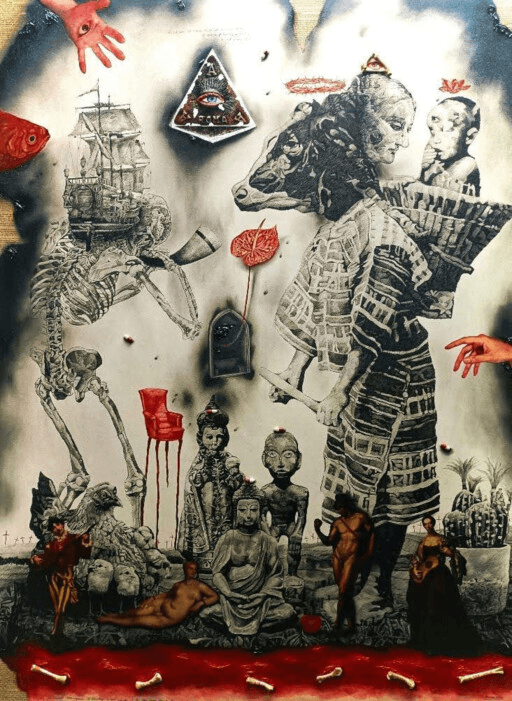
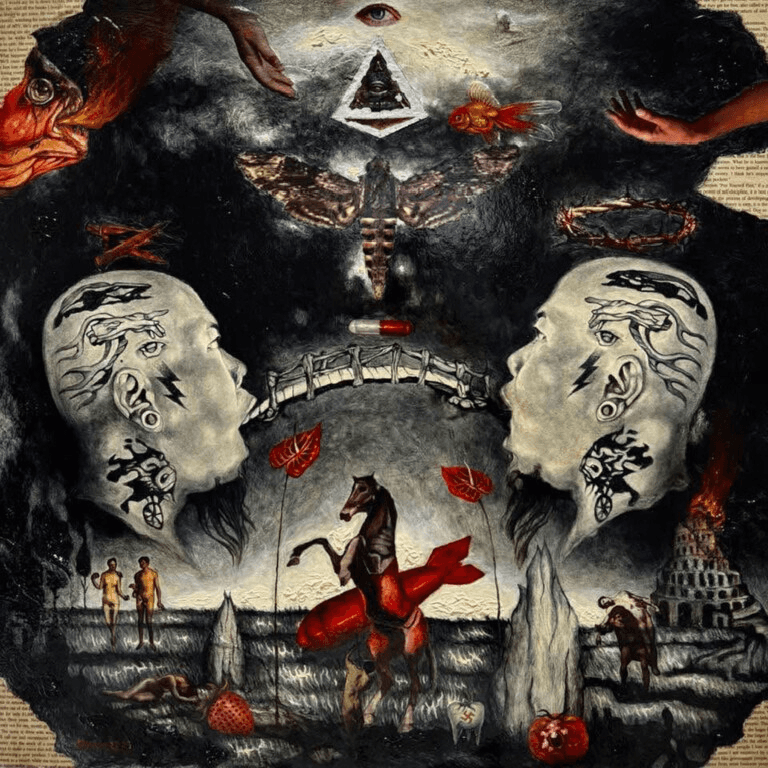
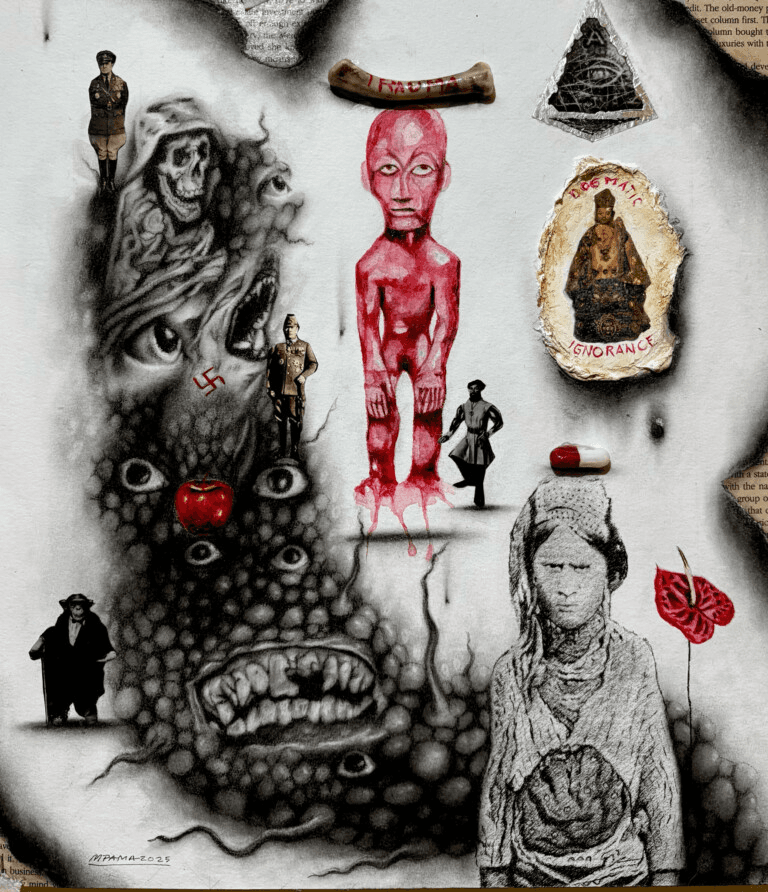
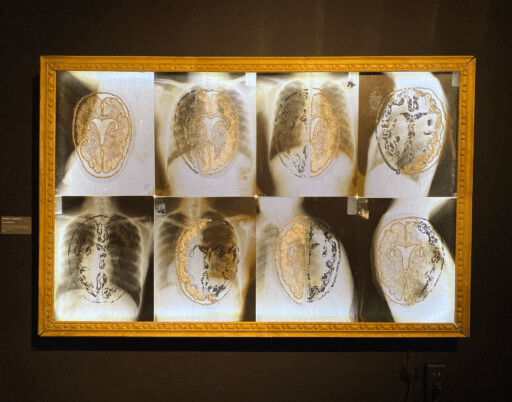
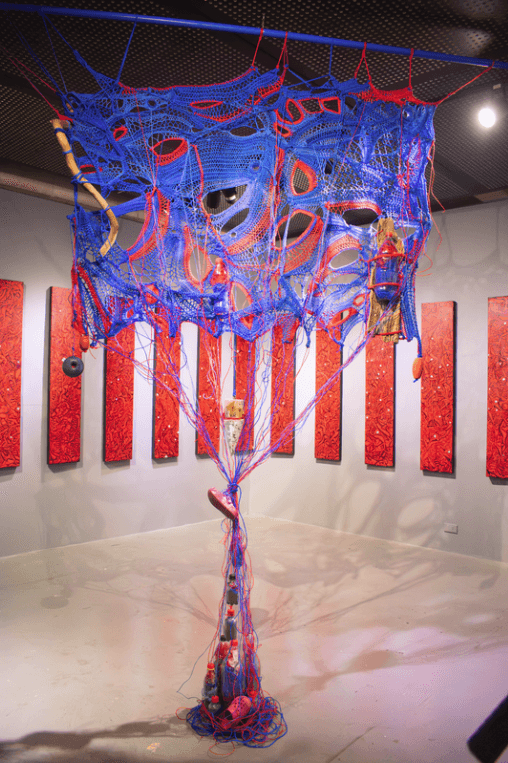
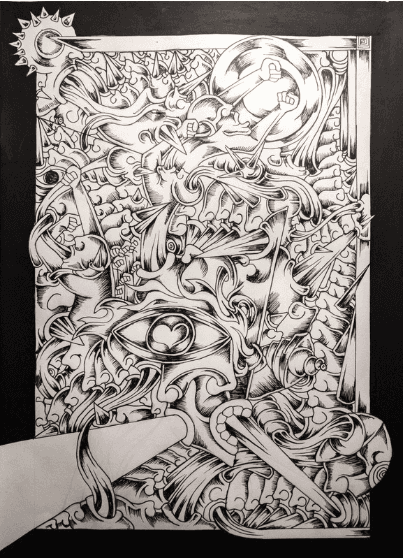
MP. Paranoia and Wilderness is a series of three artworks drawn from my personal experiences, functioning as a visual diary created within a specific period of time. The works are shaped by global conflicts like war, religion, genocide, and corruption, which triggered my fear and anxiety. In searching for peace, I began reconnecting with nature through daily biking and trail exploration. In these moments, I experience tranquillity and spiritual grounding. This body of work is not an escape from reality, but a reflection on why humanity chooses conflict over reconnection with nature, offering a positive awareness to the community.
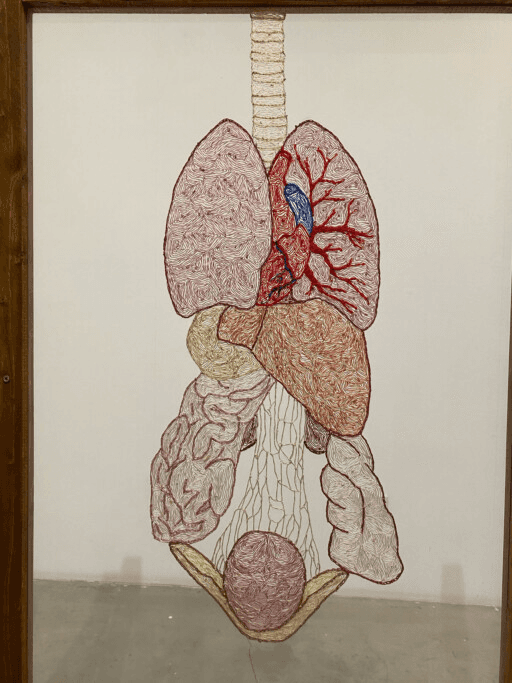
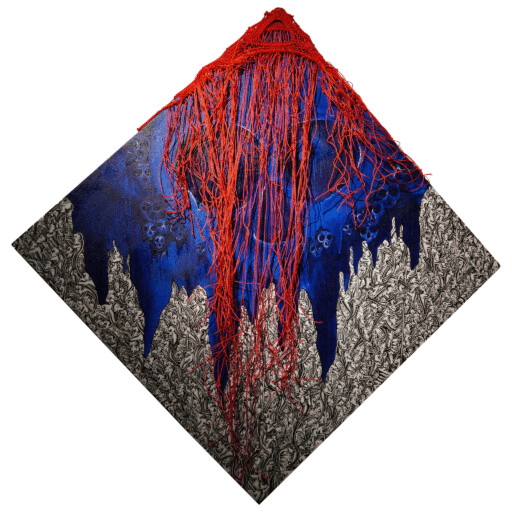
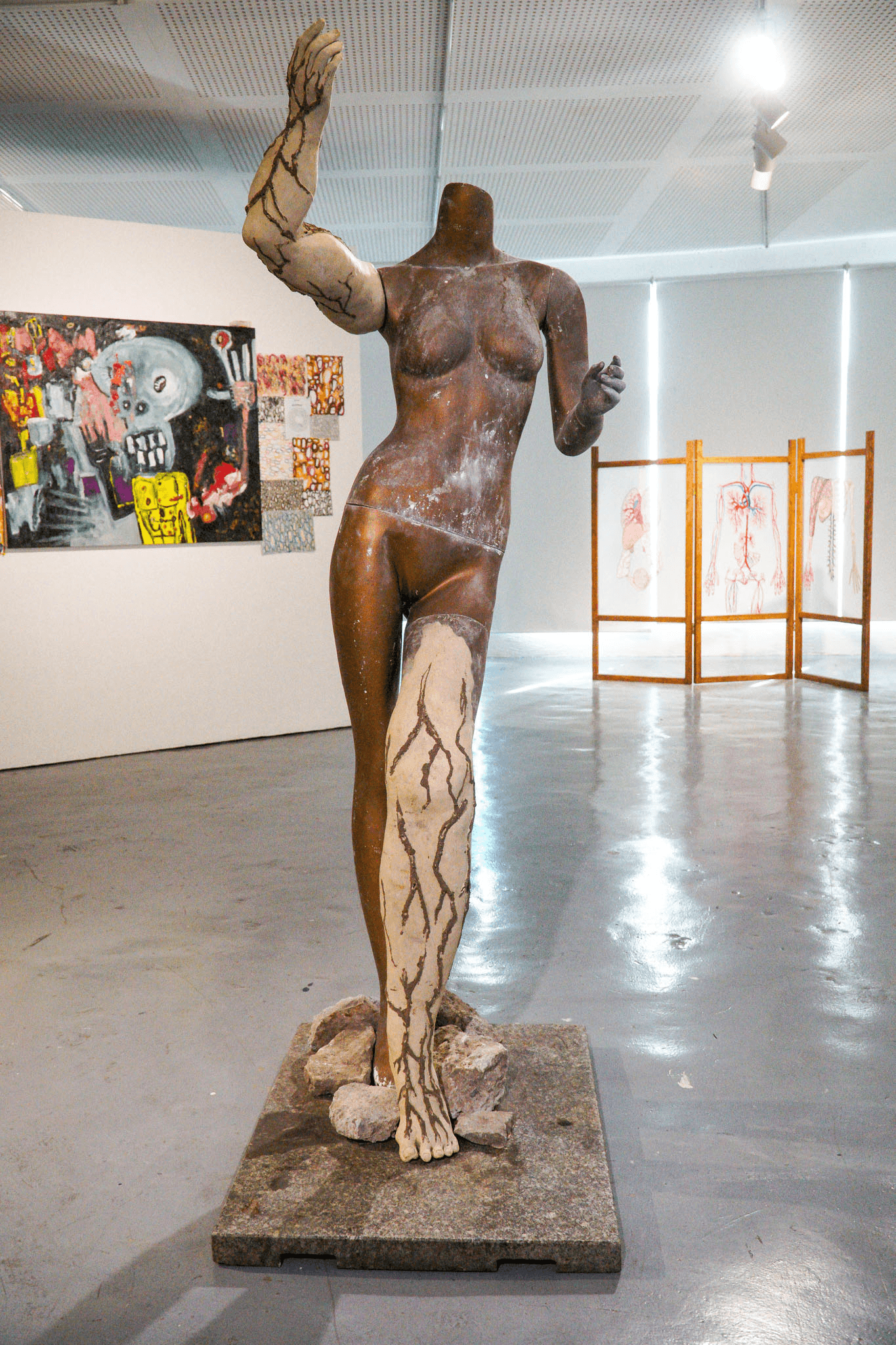
ZM. My series of works under the concept of "Paranoia and Wilderness" falls under the umbrella of Hysteria, a common mental diagnostic for women during the 19th century that played a role for patriarchal control. Hysteria (hystera) from the Greek word for "uterus" is an ancient belief that a "wandering uterus" caused various emotional and mental ailments to women. My works echo my personal interpretation of women's psychological trauma from social struggles rooted from the system that played a complex interplay of misogyny in terms of social, cultural, and psychological. With historical references, my works extend to the modern nuances of women's experiences of psychological abuse after harassment. A concept and a feeling that is familiar to us women but unknown to men.
CNTRFLD. A Personal Spark:
Is there a specific memory, moment, or feeling from your life that inspired this work or shaped how you approached it?
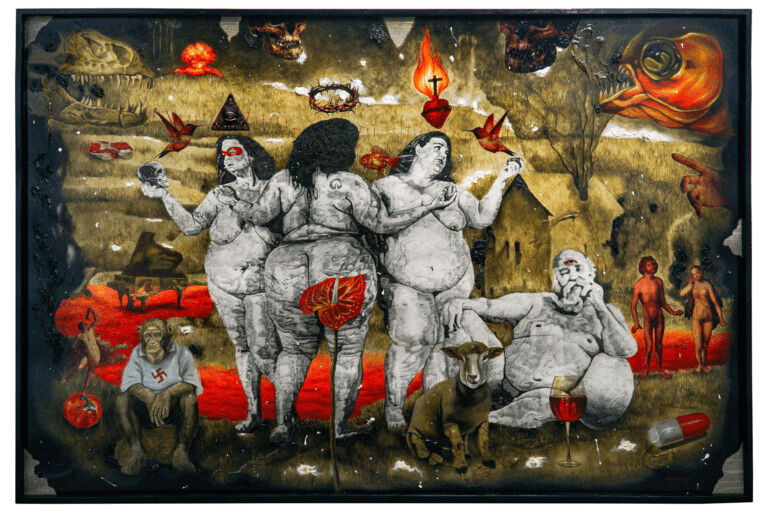
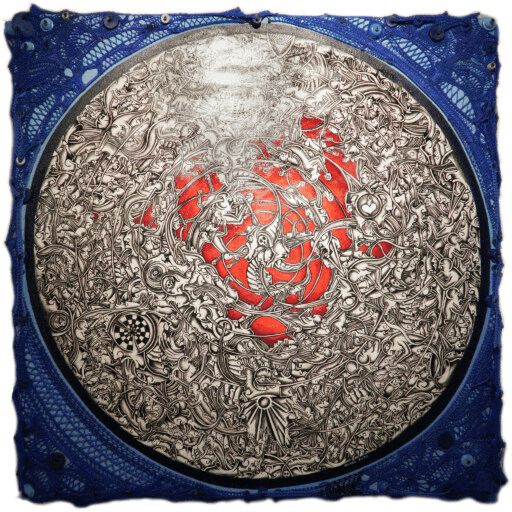
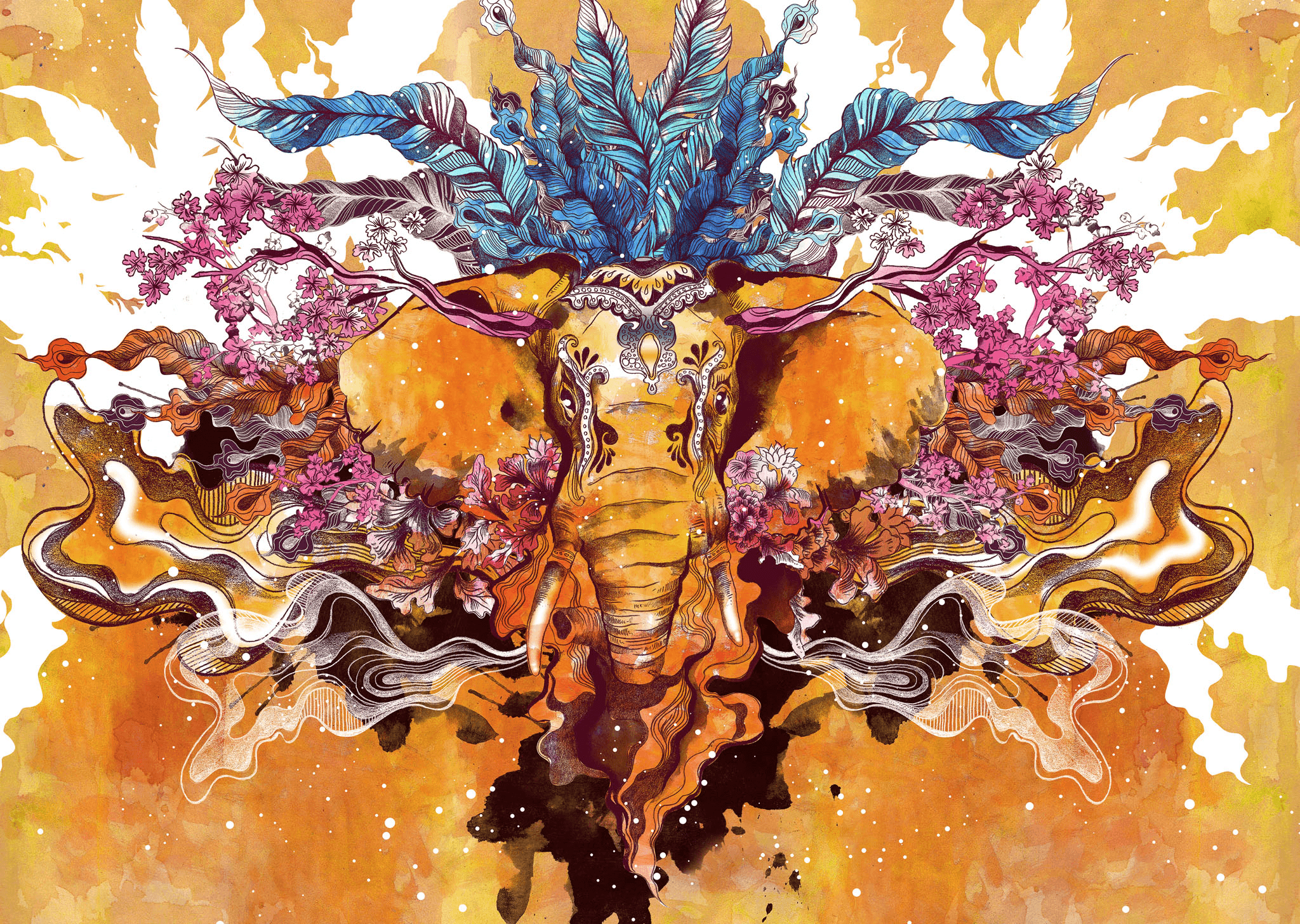
BA. These artwork draws inspiration from my childhood in Fabrica, Sagay City, Negros Occidental a time marked by both wonder and fear. Growing up near the river, we lived with the constant threat of flooding, a force that shaped our sense of caution and resilience. Alongside this, we experienced local beliefs such as ‘Tuyaw,’ a diabolic spell that instilled mystery and unease in our community. These memories of vulnerability and cultural mysticism inform the work, reflecting the tension between safety and danger, reality and superstition.
MP. During my episodes of anxiety, my partner is always there to comfort and support me. This unconditional love became a source of inspiration in my work. Love, for me, is a key that leads back to sanity, grounding me amid fear and uncertainty.
ZM. My original concept for this show is different and more personal, but I decided to focus it on women's psychological trauma after a friend of mine was sexually harassed and blamed after. As a woman and an artist, I believe that I have a social responsibility to use my art as a platform and to be loud about the injustices that we always encounter. It is also personal as these encounters are what we always have to put up with as a woman since we are young. Women experience is a collective and we are always reminded by the subtle nuances of injustices of the system through these experiences.
CNTRFLD. Roots and Heritage:
How has your upbringing or cultural background influenced your journey as an artist? Are there childhood experiences or local traditions that continue to resonate in your work?
BA. Coming from a family of artists, creativity has always been there. This environment gave me a strong yet balanced influence—neutral in the sense that I was free to explore diverse styles and ideas, and powerful because art was a constant presence shaping my identity. It taught me that artistic expression is not just a skill but a shared language, one that connects generations and nurtures individuality.
MP. I was born in Negros, a land rich in culture and tradition vast sugarcane fields, haciendas, hacienderos and sakadas, landlords and the oppressed. I was raised Catholic, but my mother later converted to Islam, making religion a strong influence in my life. Living between Christianity and Islam taught me that peace is possible through mutual respect, even within one household. It is also a big factor for me as an artist, that I am influenced by the pillars of Negros art, Charlie Co and Nunelucio Alvarado, whose works center on socio-political narratives.
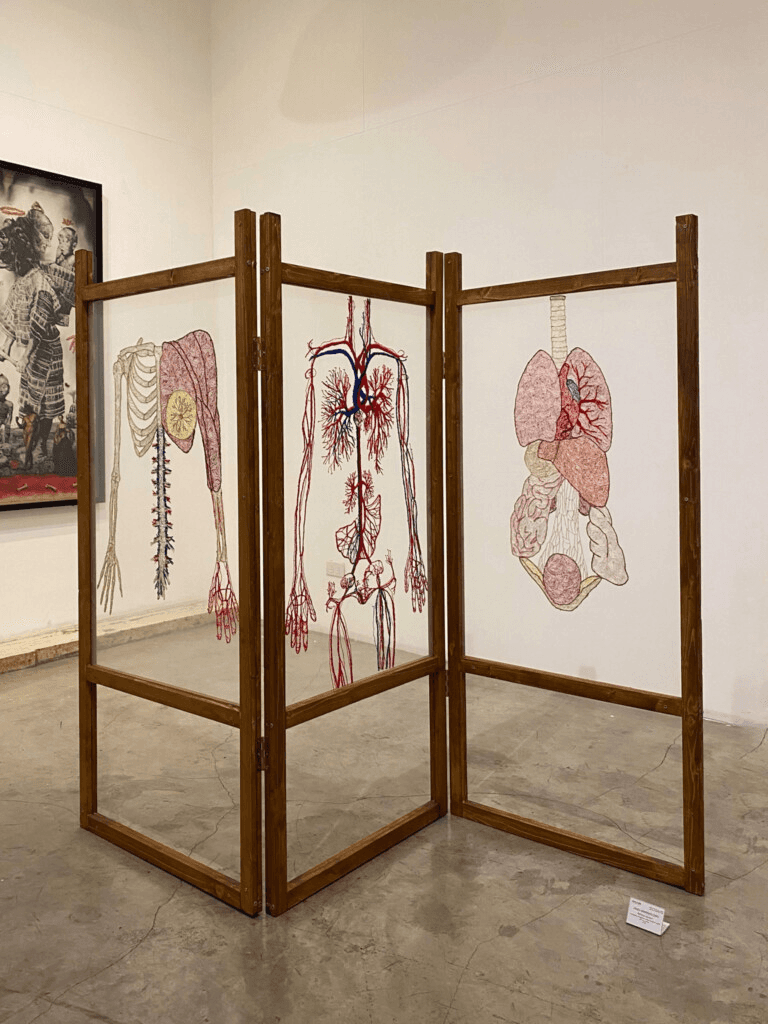
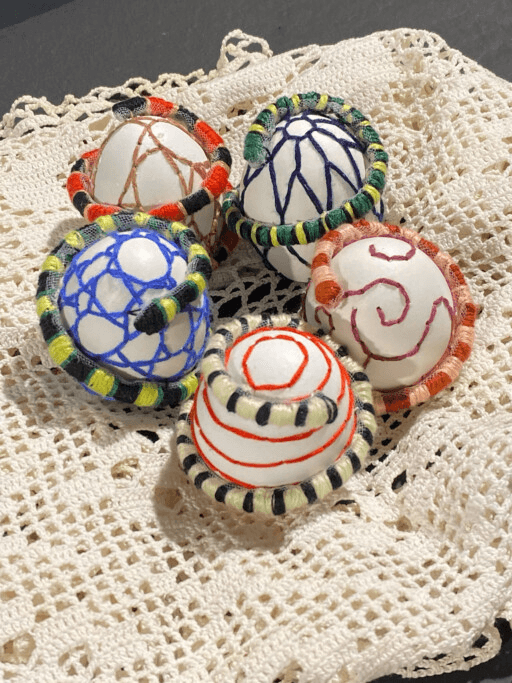
ZM. I discovered my interest in embroidery during the pandemic where I had a time to experiment different art practices and time to contemplate about my identity. I found my flow through threads as it reminded me of my medical sutures during my heart surgery in 2016. Threads became a personal symbol of life as I survived Tetralogy of Fallot, a rare heart defect with 4 different heart problems that can lower the percentage of life expectancy as I grow older. My childhood and my teenage years consisted of physical limitations hence I developed an interest in music and art, practices that I am able to do without requiring my body to move a lot.
CNTRFLD. Identity in Motion:
In what ways does your identity—whether personal, gendered, cultural, or otherwise—shape your artistic voice and the ideas you choose to explore?
BA. What shaped me into the artist I am today is deeply rooted in the environment where I grew up and the spaces where I continue to exist. Every sound, texture, and story from my surroundings became part of my creative vocabulary.
MP. I don’t believe in fixed identity. What matters is creating work and mastering the characteristics of one’s process. My practice is deeply personal and socio-political, using metaphor to confront and address global issues.
ZM. As above-mentioned, my practices are rooted to my past disabilities and reflected through my medium. It made it personal but as I grow, I wanted to be able to tackle the other aspect of my experiences from being a woman to my survival in this economy, experiences that people can also feel seen as I believe that art are reflections of its current society and my works are just vessels of my versions of truth, a platform for the unheard. Whether personal or social.
CNTRFLD. The Place You Call Home:
Where you live and work often shapes how you see the world. How has your environment influenced your creative process, and why is this place meaningful to you?
BA. The place I call home is Fabrica, Sagay City, and it is within this community that my artistic inspiration was born. The rhythms of daily life, the stories shared among neighbors, and the vivid landscapes surrounding us all became part of my creative foundation.
MP. As I mentioned earlier, I am very grateful to have been born and raised in the province on the island of Negros, in the city of Bacolod. Our rich culture has allowed us to stay rooted. Unlike Imperial Manila, which often feels overly trendy and overrated, our art is grounded in lived experience shaped by culture, tradition, and history. We are also fortunate to have senior artists who influenced us not to be afraid of presenting our roots and realities. Artists such as Nunelucio Alvarado and Charlie Co continue to be major influences on our catalysts and templates for carrying forward what they began.
ZM. I'm at the age where I struggle in economic survival and I'm juggling different freelance work to suffice my art. My small room with a table is my working place. I think in an interesting way my works focused on the disparity of struggles as it also reflected my financial situation as an artist as my medium is also a reflection of practicality as textiles are easier to ship and threads are not costly. However, since the exhibition is held in Bacolod, I manage to push myself for bigger works.