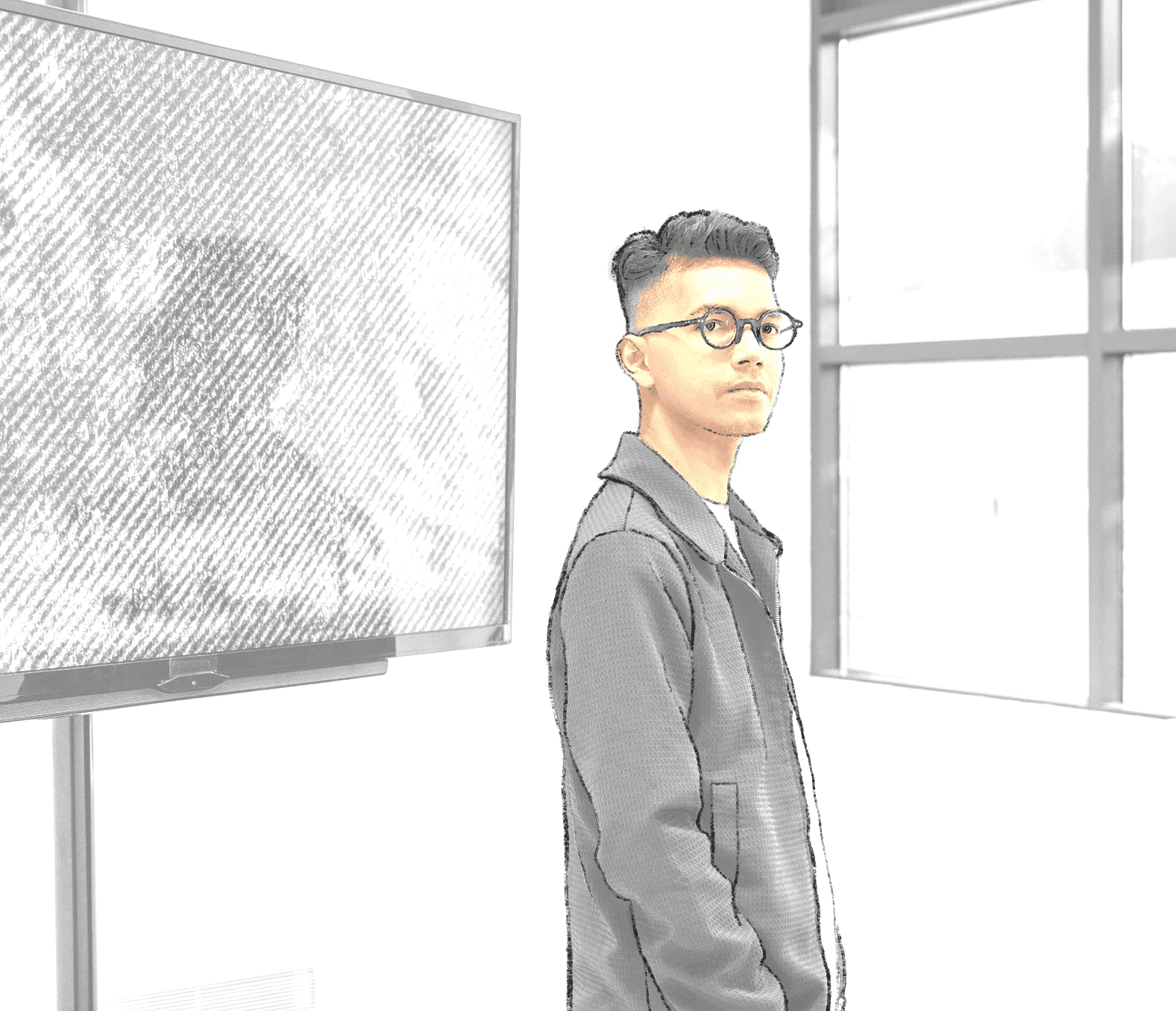
“Don’t wait around for opportunities — make it. And finally, never take anything too personally, take space...!”— Zulkhairi Zulkiflee
NTRFLD. Your practice often explores contemporary Malay identity and the racialised body within both local and global contexts. Could you share how growing up in Singapore — with its complex, multiracial social fabric — shaped your early perspectives on identity and storytelling?
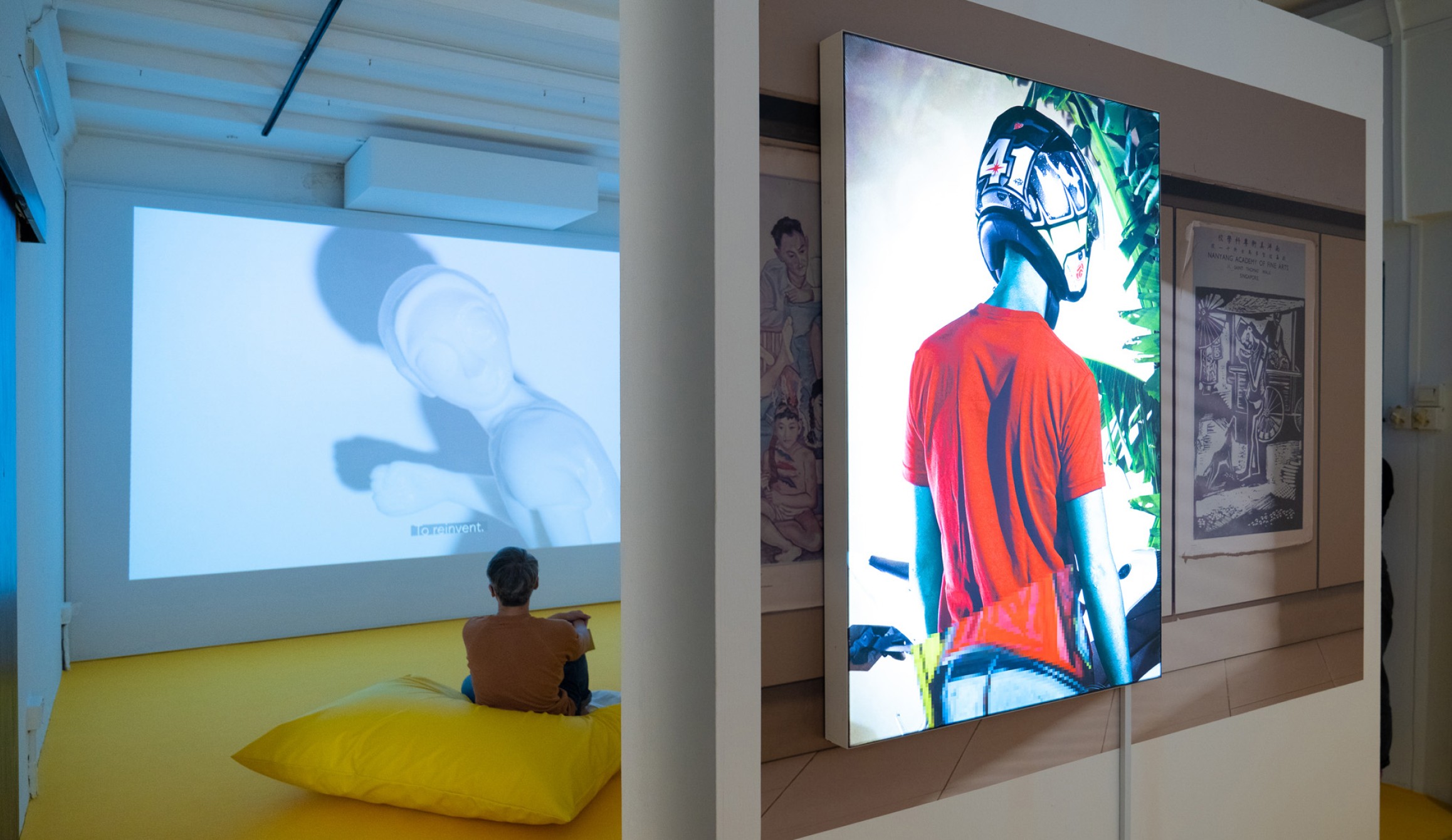
ZZ. Growing up in Singapore, art and the internet gave me a comfortable reason to keep to myself. From earlier on, I was always looking outward or elsewhere because Singapore naturally offers a vantage point to the world. This was accelerated by the internet, and I was positively distracted. As a teenager, I remember looking forward to ending school every day because I wanted to watch video clips on Style.com. However, it took me some time to realise I was different and, in particular, of the disjuncture between Singapore’s complex, multiracial realities and its visual representations. I began to question my point of view, the cultural amnesia experienced by minorities like myself, and how negotiating through such issues was an everyday decolonial act.
CNTRFLD. Can you tell us more about your childhood and early artistic influences? Were there particular people, spaces, or moments that nudged you towards artmaking and eventually curating?
ZZ. In my teenage years, fashion was a starting point. I was fascinated by the idea of self-fashioning. I enjoyed perusing fashion editorial in magazines like Style Magazine, Dazed and i-D. This was a formative period which shaped my visual sense. Other influential moments include stumbling upon books like An equation of vulnerability: a certain thereness, being, which focused on the artist Suzann Victor. I remember flipping through the book in the public library and wondering, “You mean you can do that in art?” Additionally, the meaning of style by Phil Collins at the 2011 Singapore Biennale also proved to be something I still return to now and again for its tender approach. And the iconic Study of Three Thermos Flasks by artist Faizal Fadil! In terms of the curatorial, Harald Szeeman’s curatorial project When Attitudes Become Form influenced my earlier curation, which I collaborated on with peers, and much later, the exhibition A Series of Utterly Improbable, Yet Extraordinary Renditions by Arthur Jafa. Sometimes I feel these influences were quite tangential, but they are an inevitable part of my unique constellation.
CNTRFLD. You’ve lived, worked, and exhibited in places as diverse as Germany, Indonesia, the UAE, and now Chicago. How have these cross-cultural experiences challenged or expanded your understanding of your Singaporean identity and your connection to home?
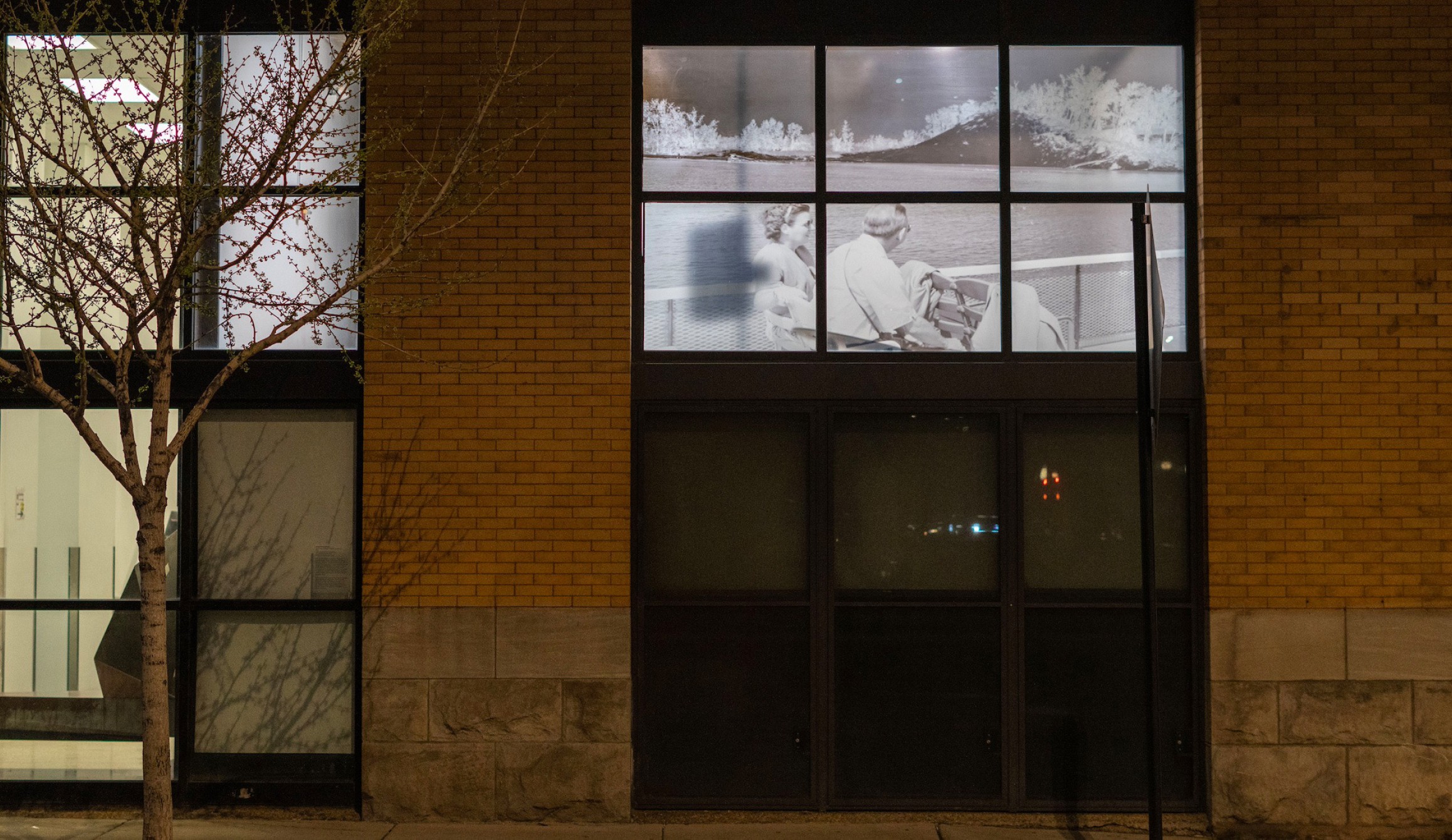
ZZ. The experience of “seeing” home from afar has been valuable for me. Chicago made me realise that there is more work to be done at home, or rather, to reconsider what we have. Despite this, I think we need to have more grace and patience towards creative practice. We can be more intentional in being inclusive because such values are crucial in a globalised world. I suppose in an ironic sense, my time away has made me think about what a Singaporean can become. I think there is no harm in being optimistic!
CNTRFLD. Your current work investigates the slang use of the word “world” in Singaporean-Malay, connecting everyday speech to broader questions of desire, performance, and memory. How do these explorations manifest in your work for AP60?
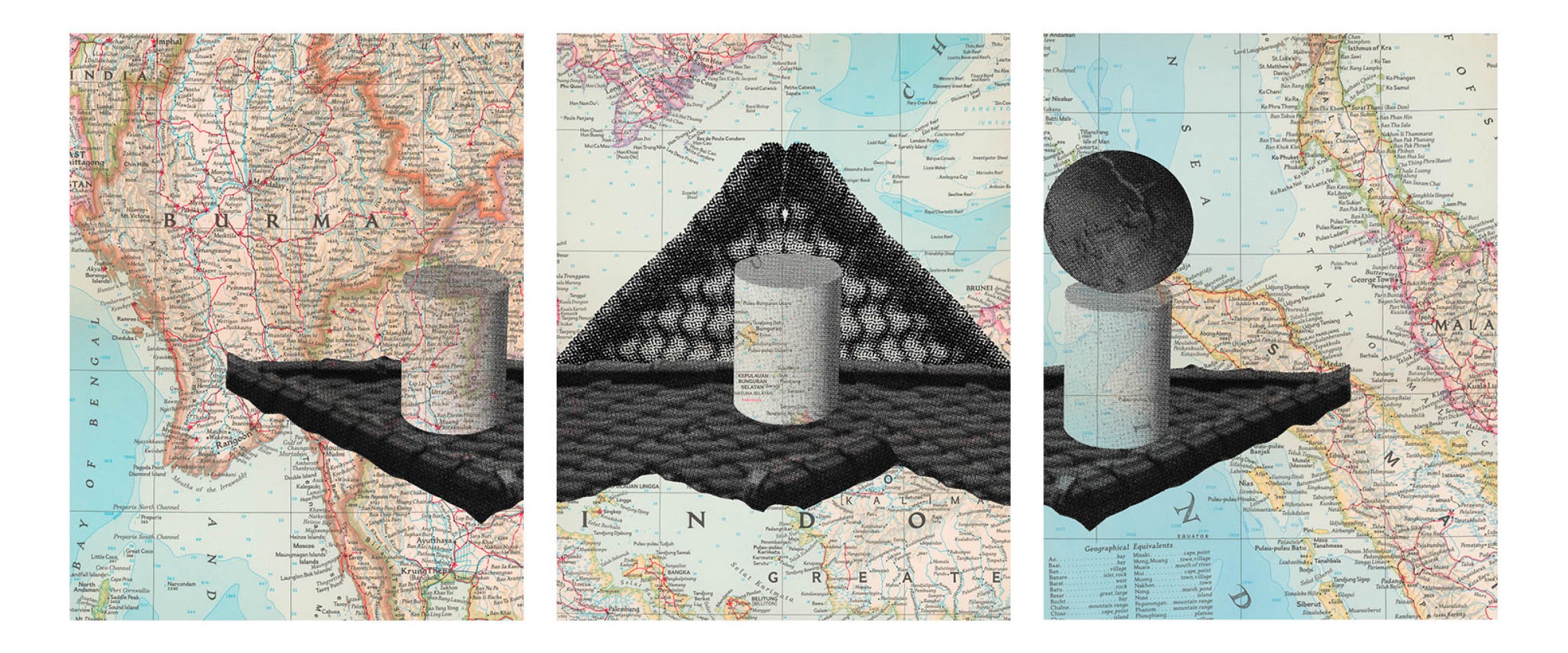
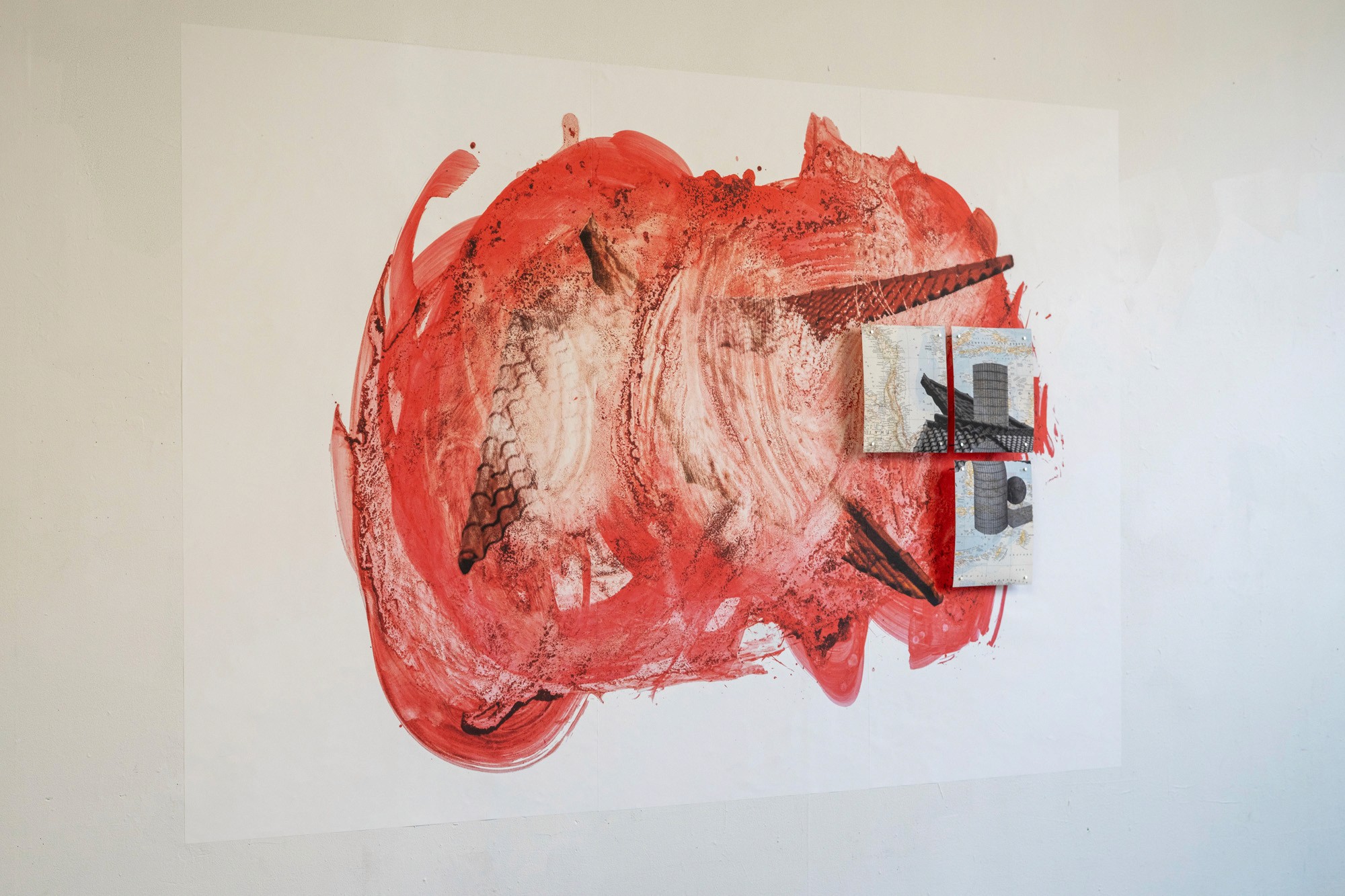
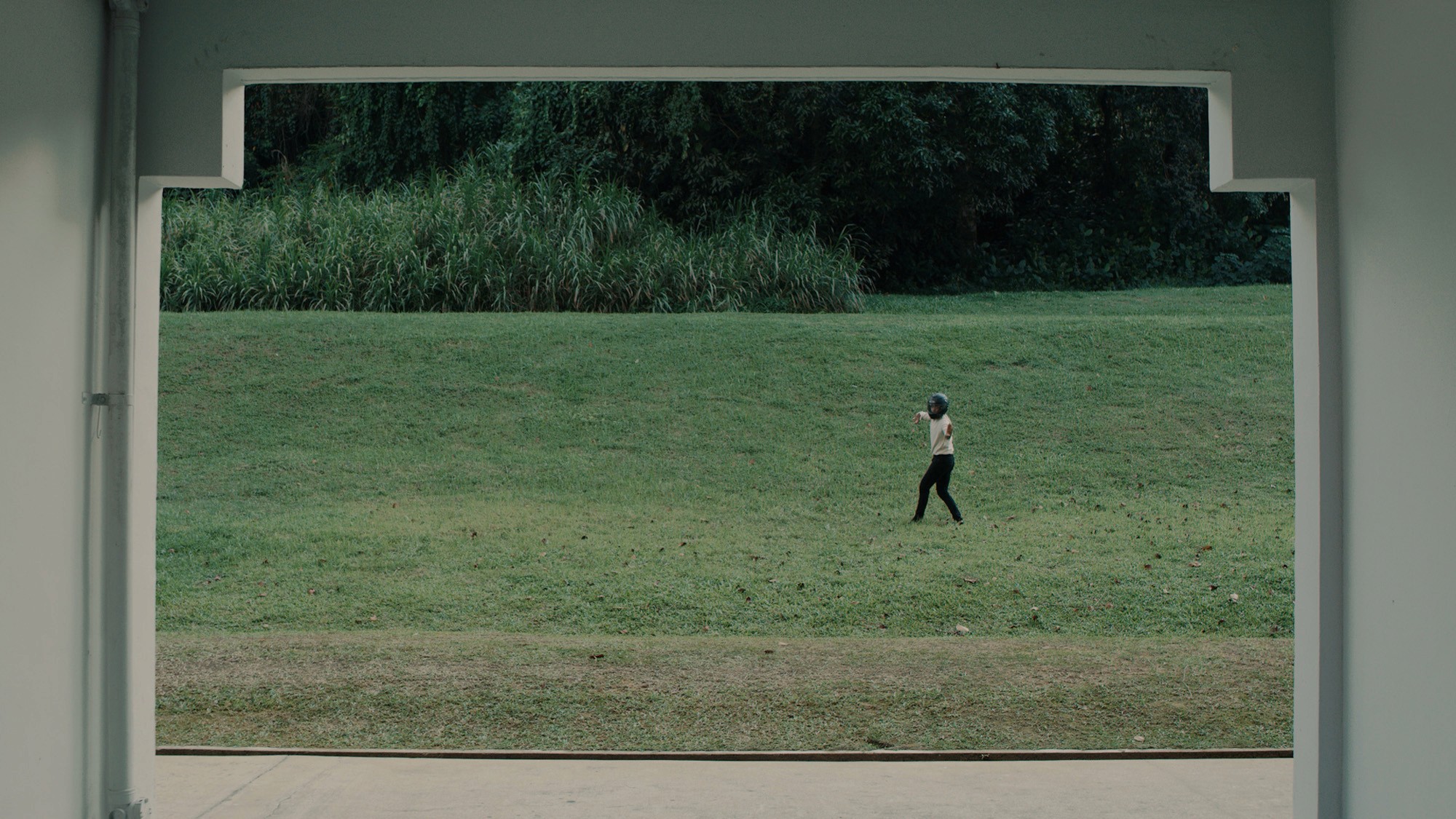
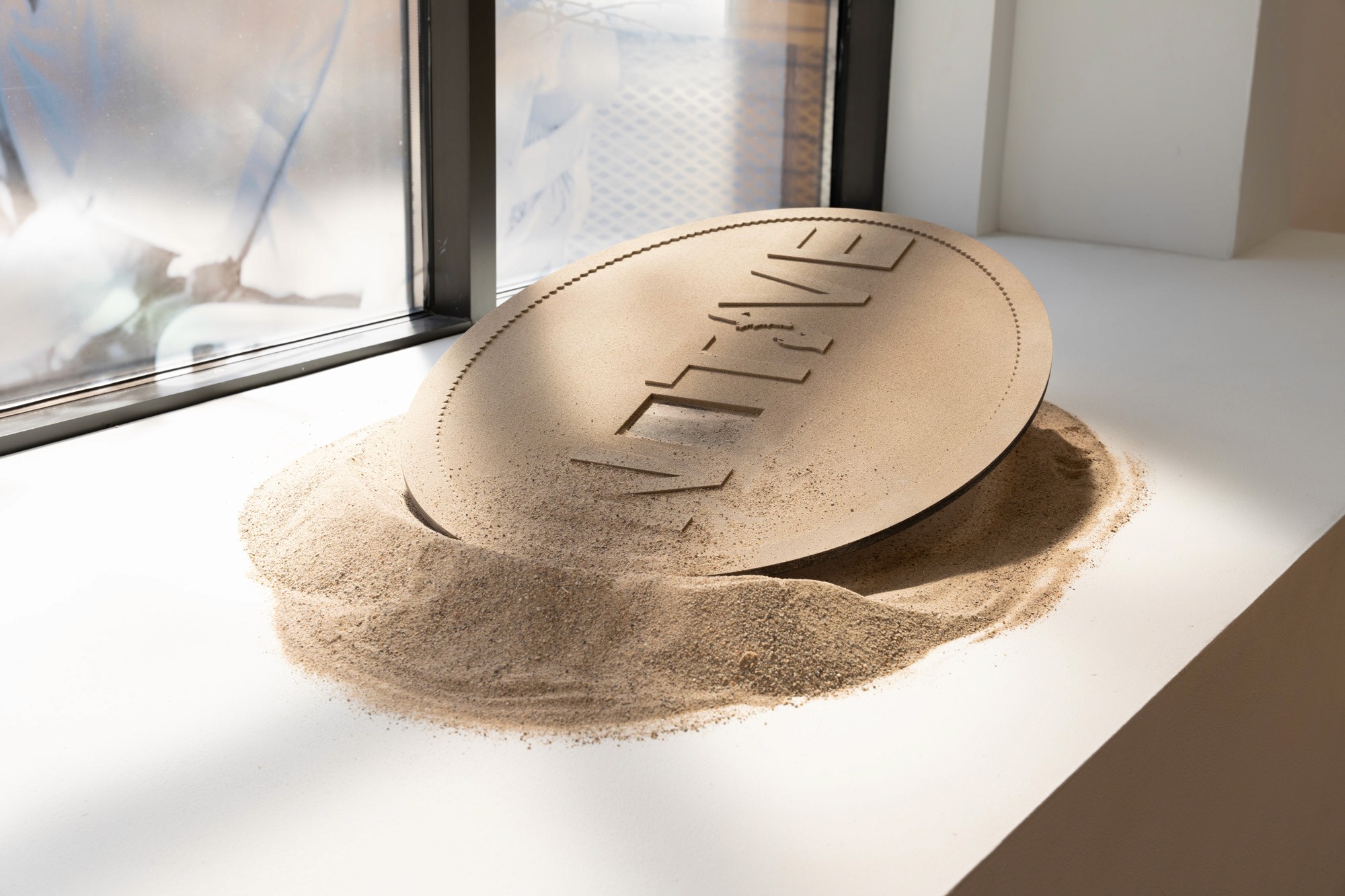
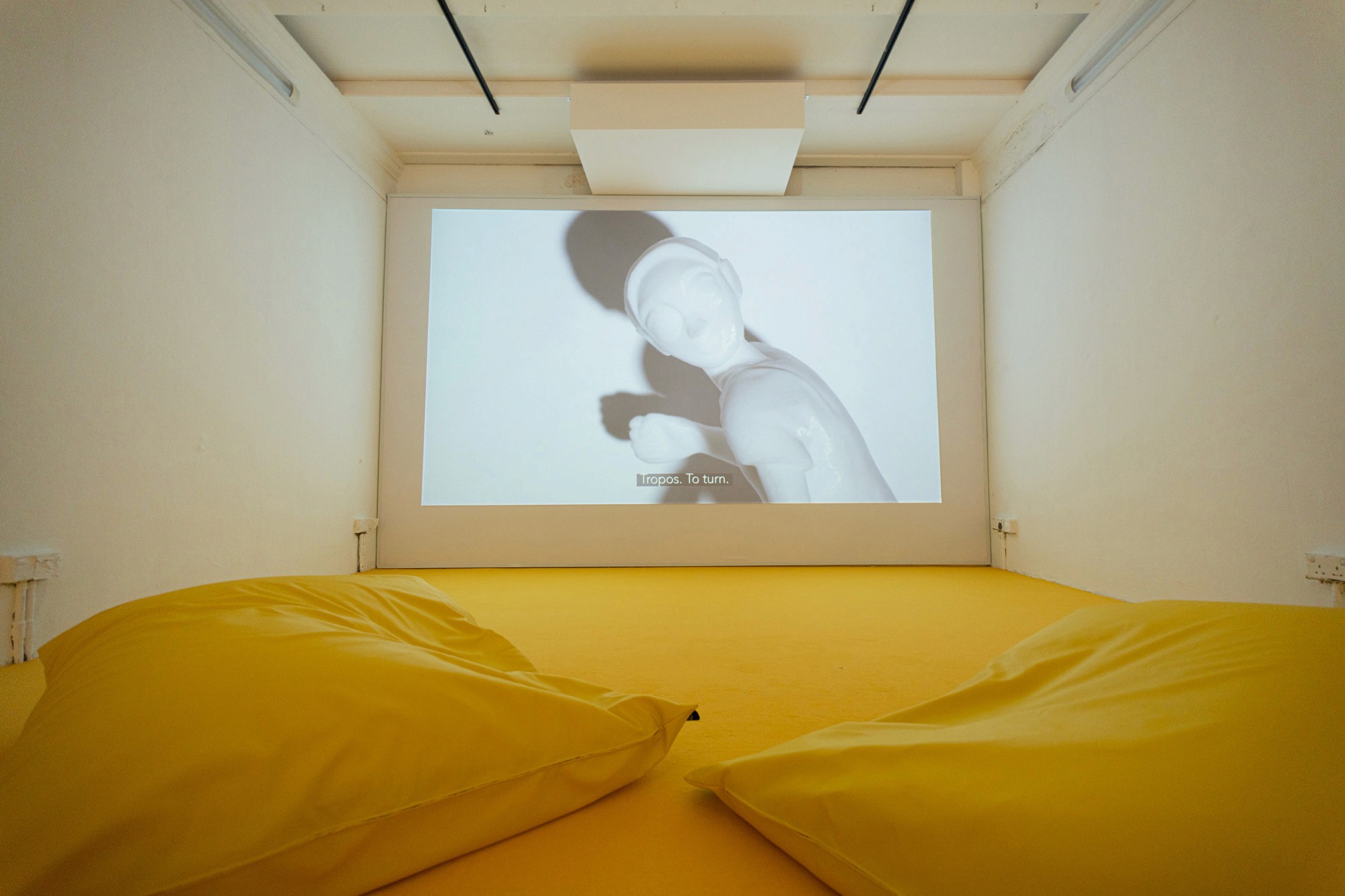
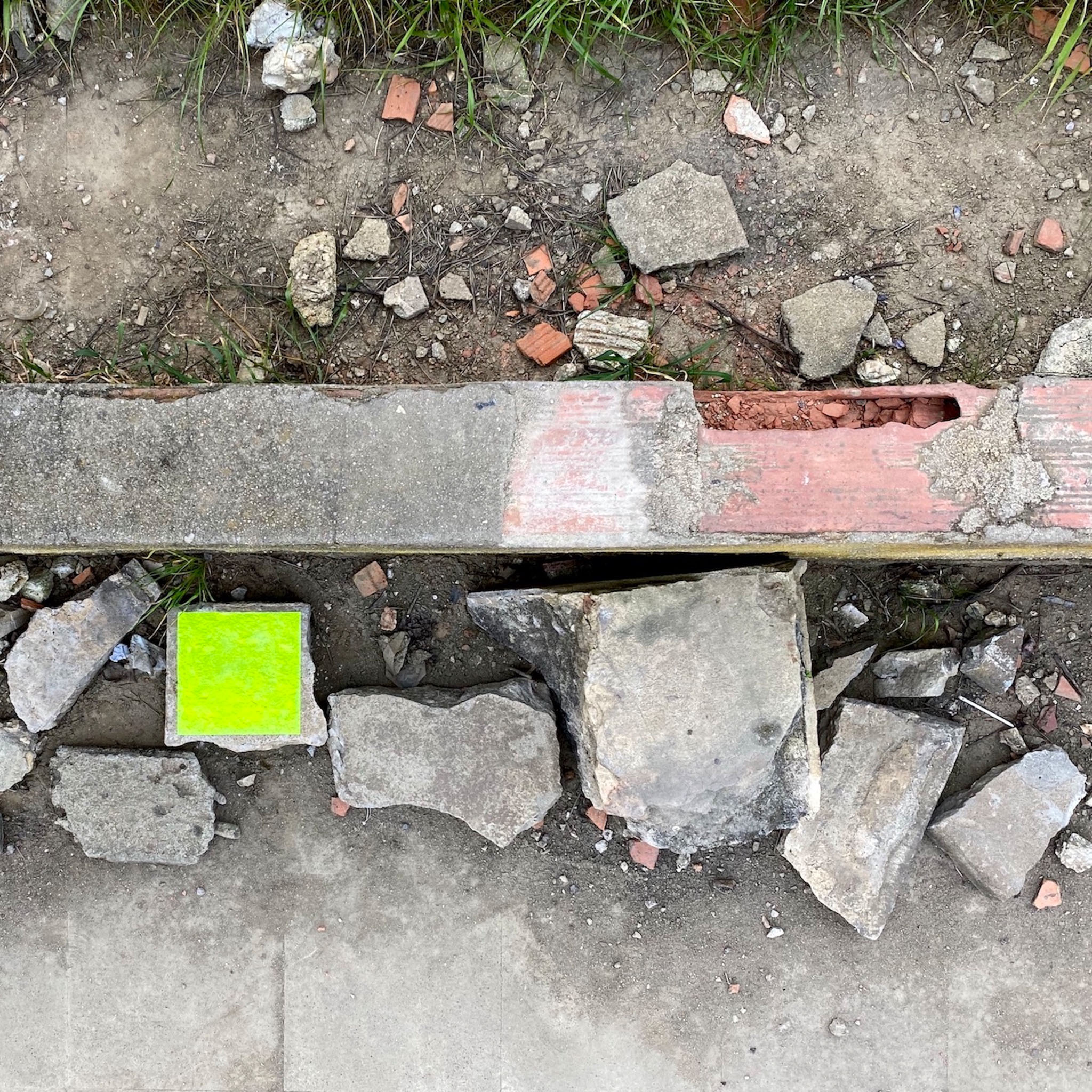
ZZ. The commission for AP60 has allowed me to meditate further on my current artistic research, which started off as a curious thought. My current work engages with the pavilion as a kind of ‘mnemonic architecture’, also understood as a shelter commonly found within public housing in Singapore. I am asking, “What if the pavilion is a ‘monument’?” To answer your question, I begin to imagine overlooked spatial practices that intersect with public structures. In particular, the word “world” functions as a conversational phenomenon that is often activated during casual gatherings by racialised youths in spaces like the pavilion. It is unique for its ‘performative’ nature. By ‘performative’, I am referring to the potential for identity to be shaped based on social exchanges, often coloured through embellishments and histrionics. These are formative moments when people are young. I find this to be curious when set against the demand for productivity in everyday life. I take my work for AP60, as one chapter of ongoing research. There are various facets yet to be revealed. For now, we see reconstructed pavilion structures without people.
CNTRFLD. “Pavilion as Monument,” for instance, reimagines public pavilions in Singapore as spaces of performance, memory, and agency. Could you share more about how you’ve developed this work for AP60 and the ideas you hope viewers will walk away with?
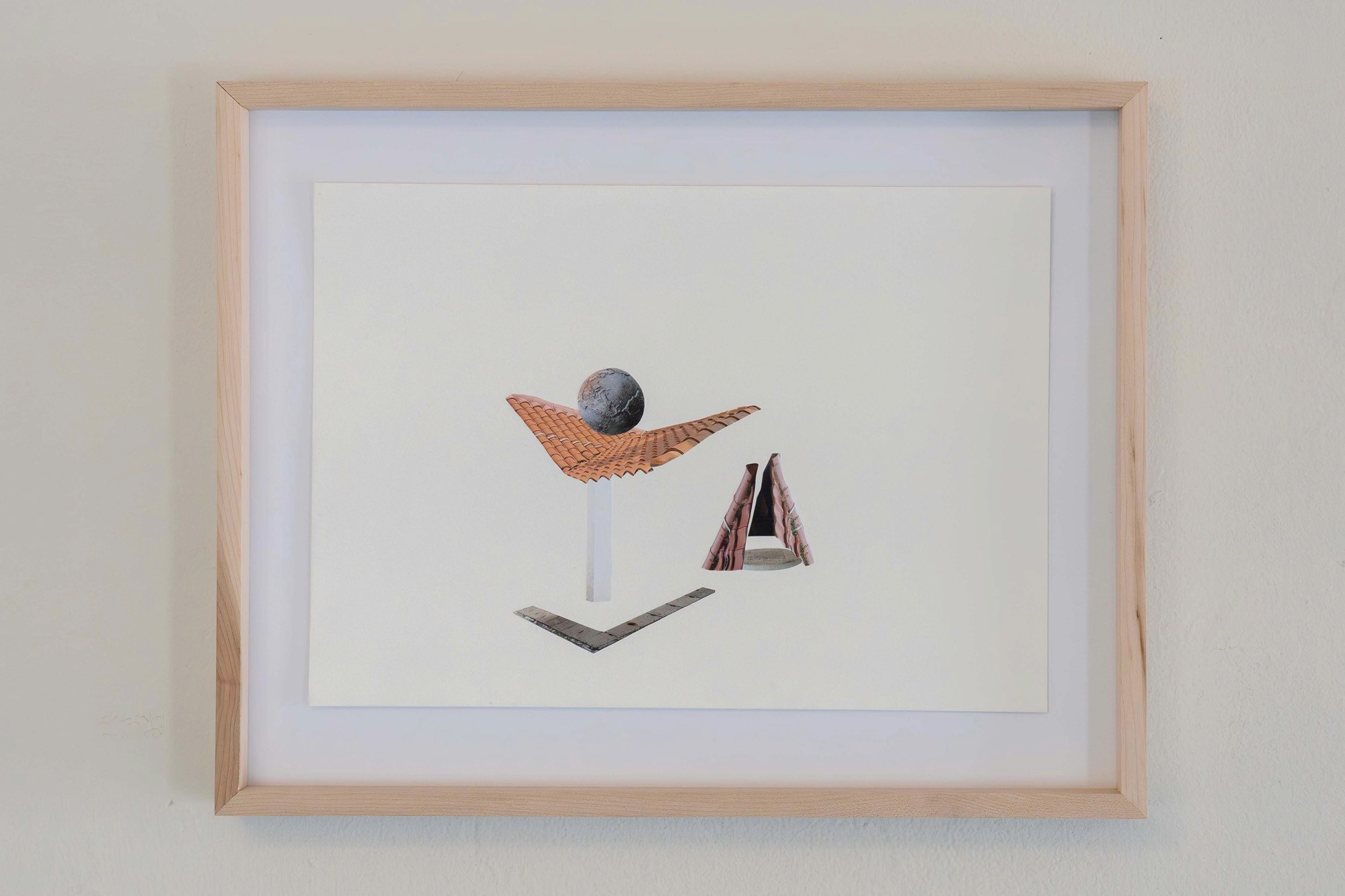
ZZ. “Pavilion as Monument” began as collages, which I carefully dissected and reconstructed. I enjoy the simple gesture of putting them together as a formal exploration, especially with little care for architectural feasibility. I parallel this to “world” as a kind of grandiose storytelling scheme which relies on a performer’s narrative deftness. A slight “mistake” could collapse the whole plot. I consider their pictorial manifestation as a mnemonic device for me too. While being abroad, I was recollecting moments of colloquial humour from home. Similarly, they were made during a period when I attended a course called Making New Monuments by the New Art School Modality (NASM) and Monuments, Memorials and Racial Justice in graduate school. I realise Singapore’s approach to monuments is vastly different. When conversations surrounding monuments are charged elsewhere in the world, a new Raffles monument was installed at home. In the developed work for AP60, the ‘pavilions’ are formally different. They look concrete-like and are meant to look ‘monumental’. I included a dissected map of Southeast Asia as a background to gesture at a complex network of histories. It is a call to look at our immediate surroundings. I hope viewers remain curious about the structures as formal objects and question their understanding of a monument (or even memorials). Can something ordinary be declared a monument? What kind of memories would qualify?