“As I grew older, I became more interested in how ordinary lives carry quiet strength and dignity… giving space to moments that might otherwise go unnoticed.”
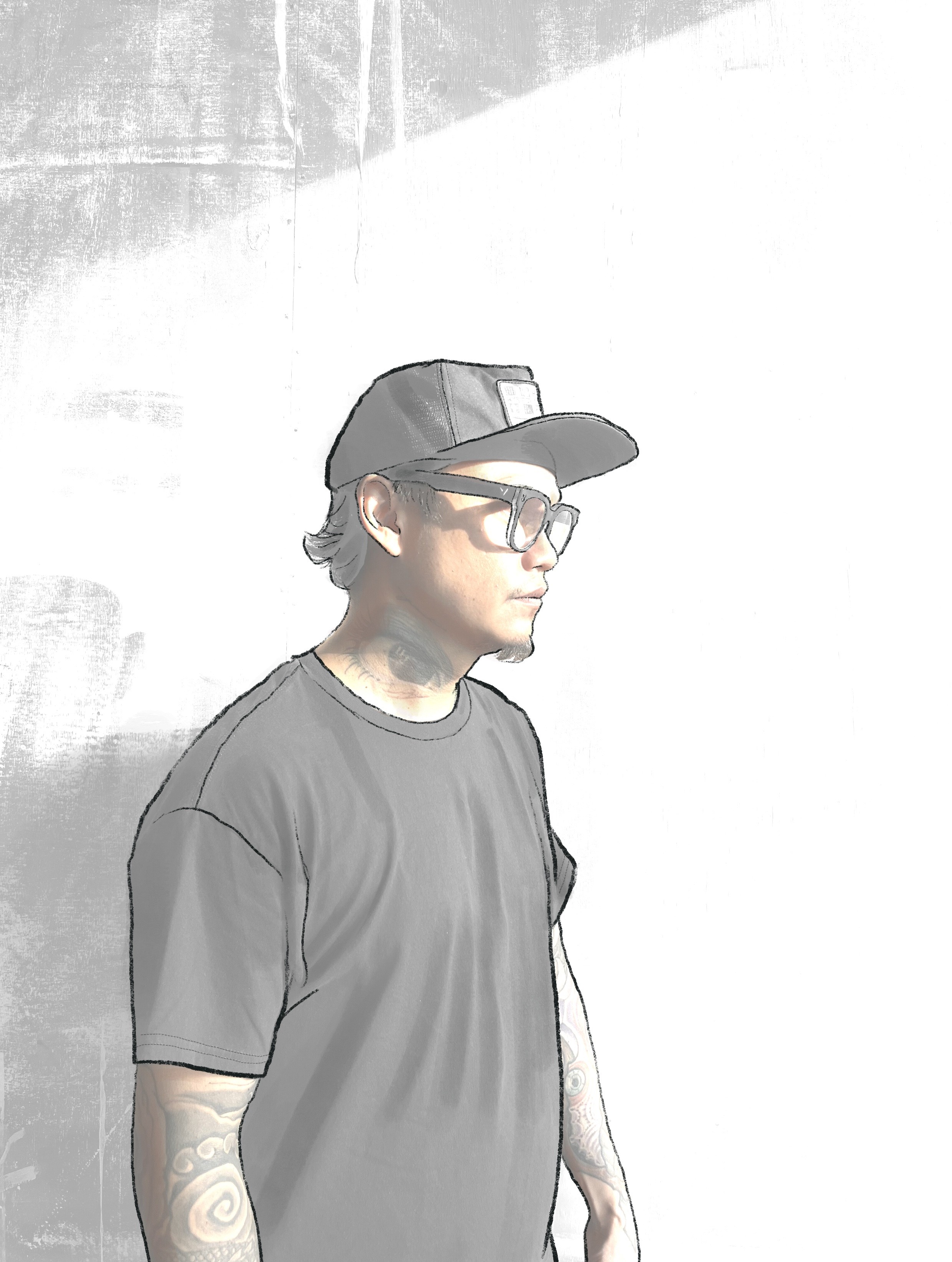
Frelan Gonzaga
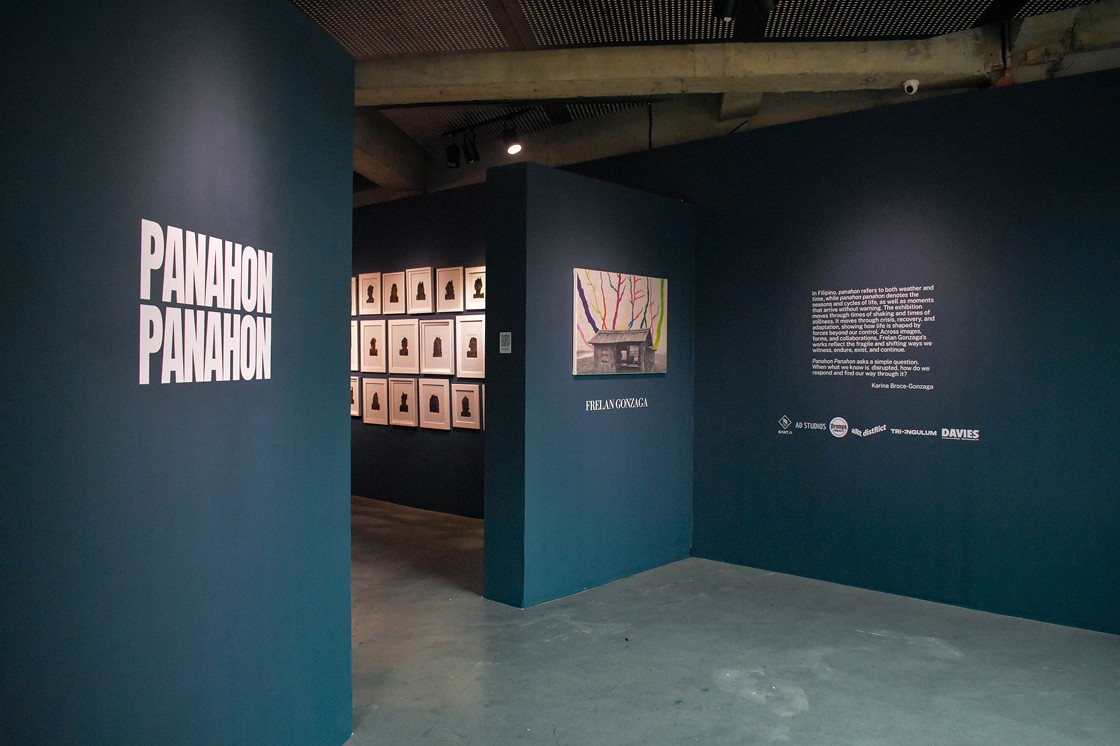
CNTRFLD. Panahon Panahon brings together ideas of time, weather, and uncertainty—how did this exhibition take shape for you, and what felt most important to express at this moment?
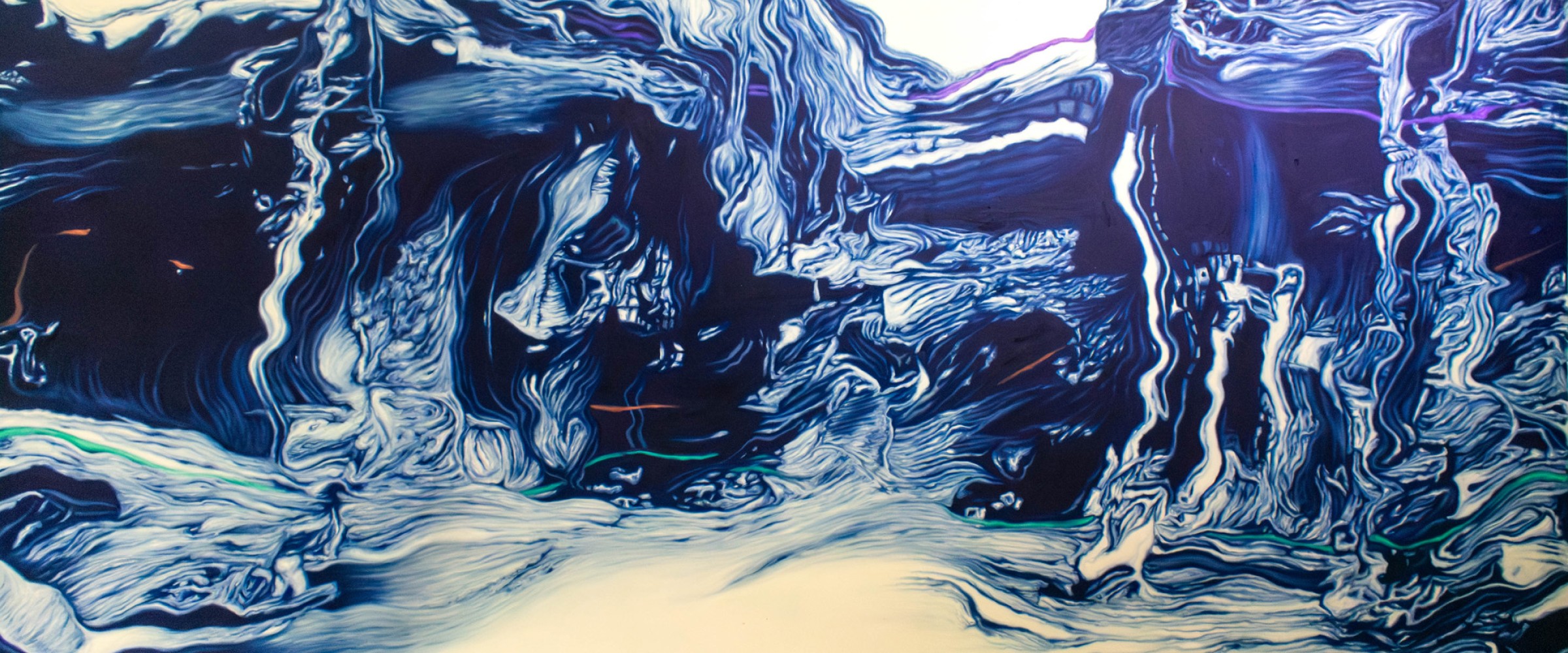
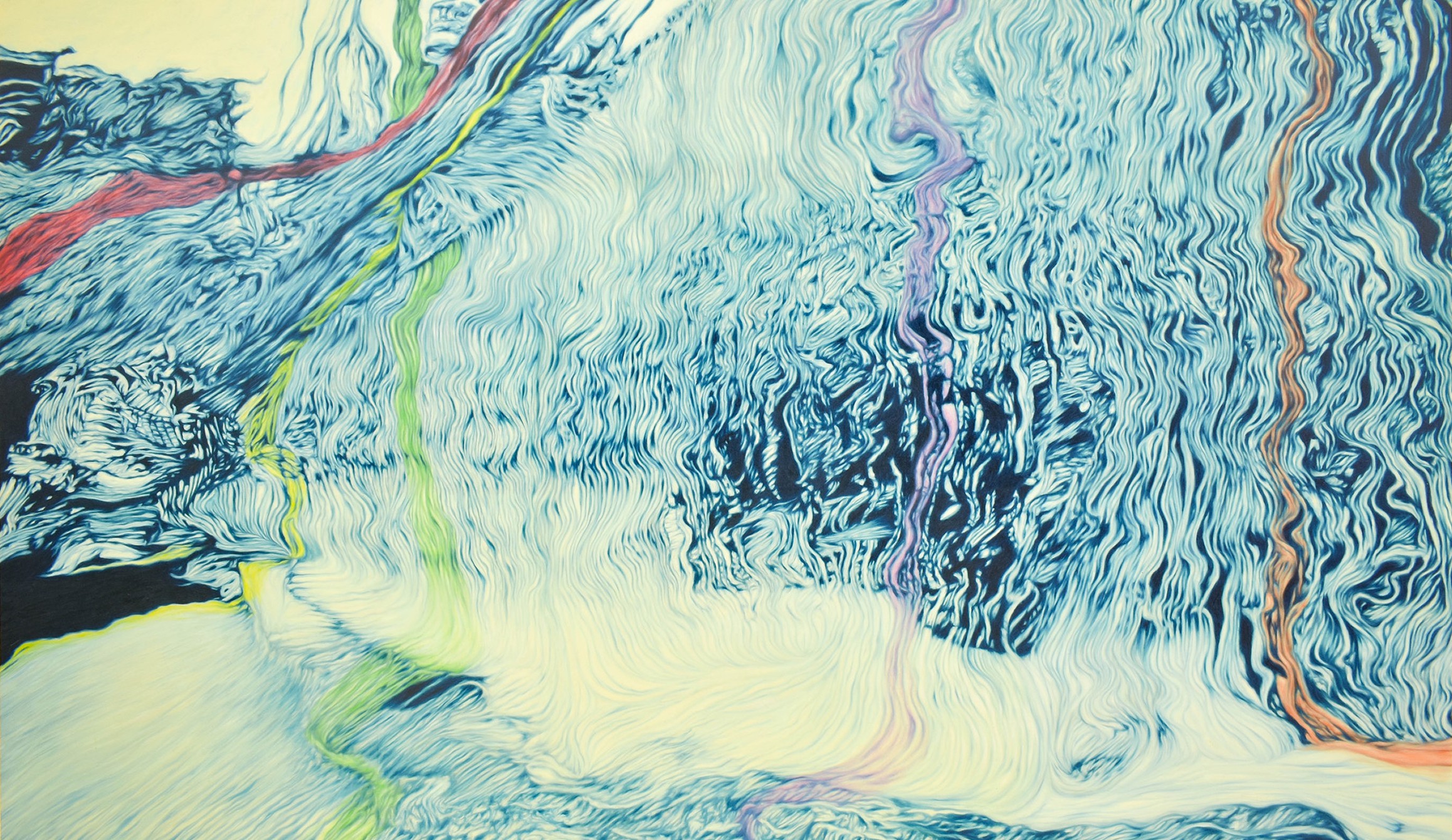
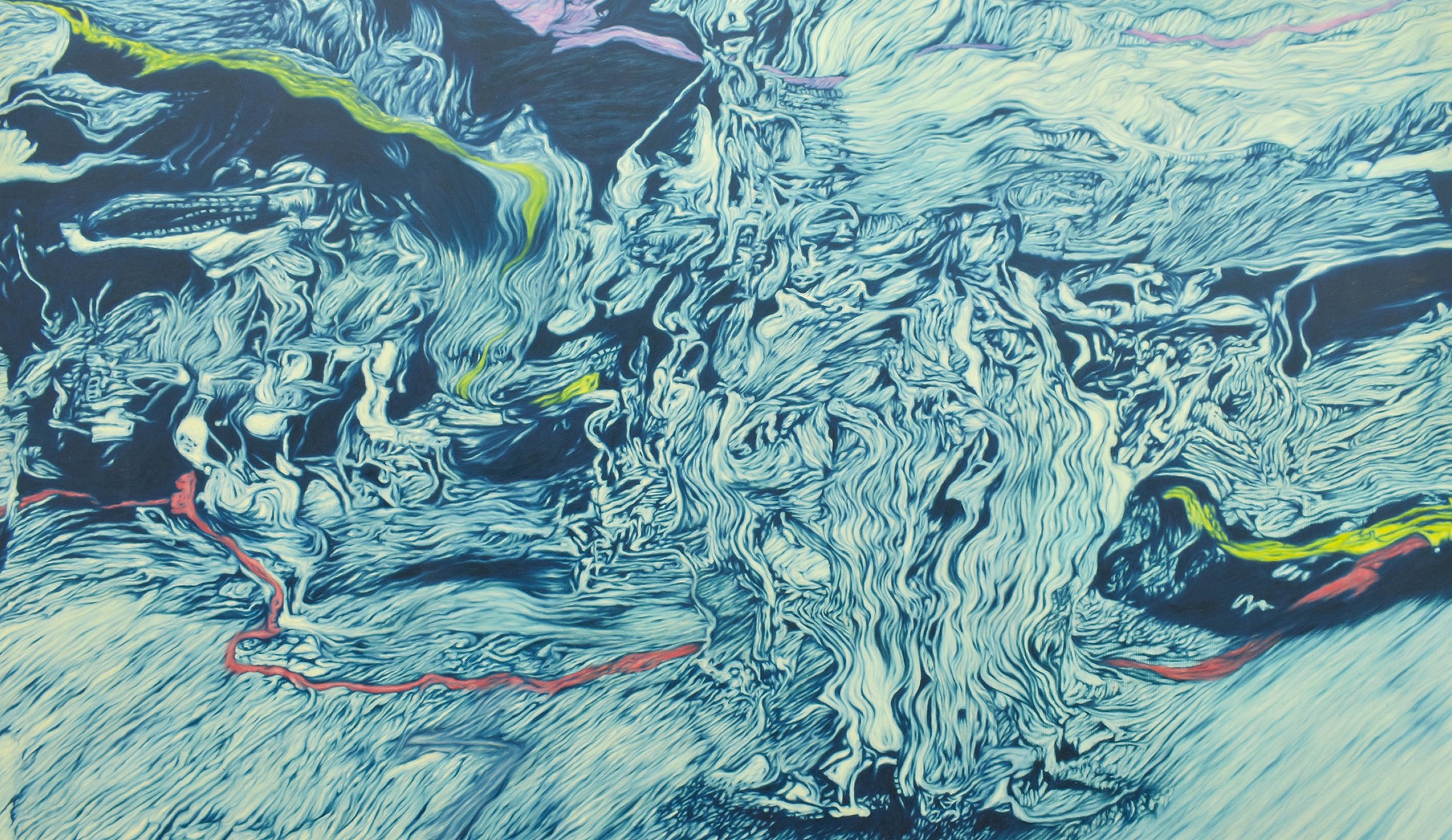
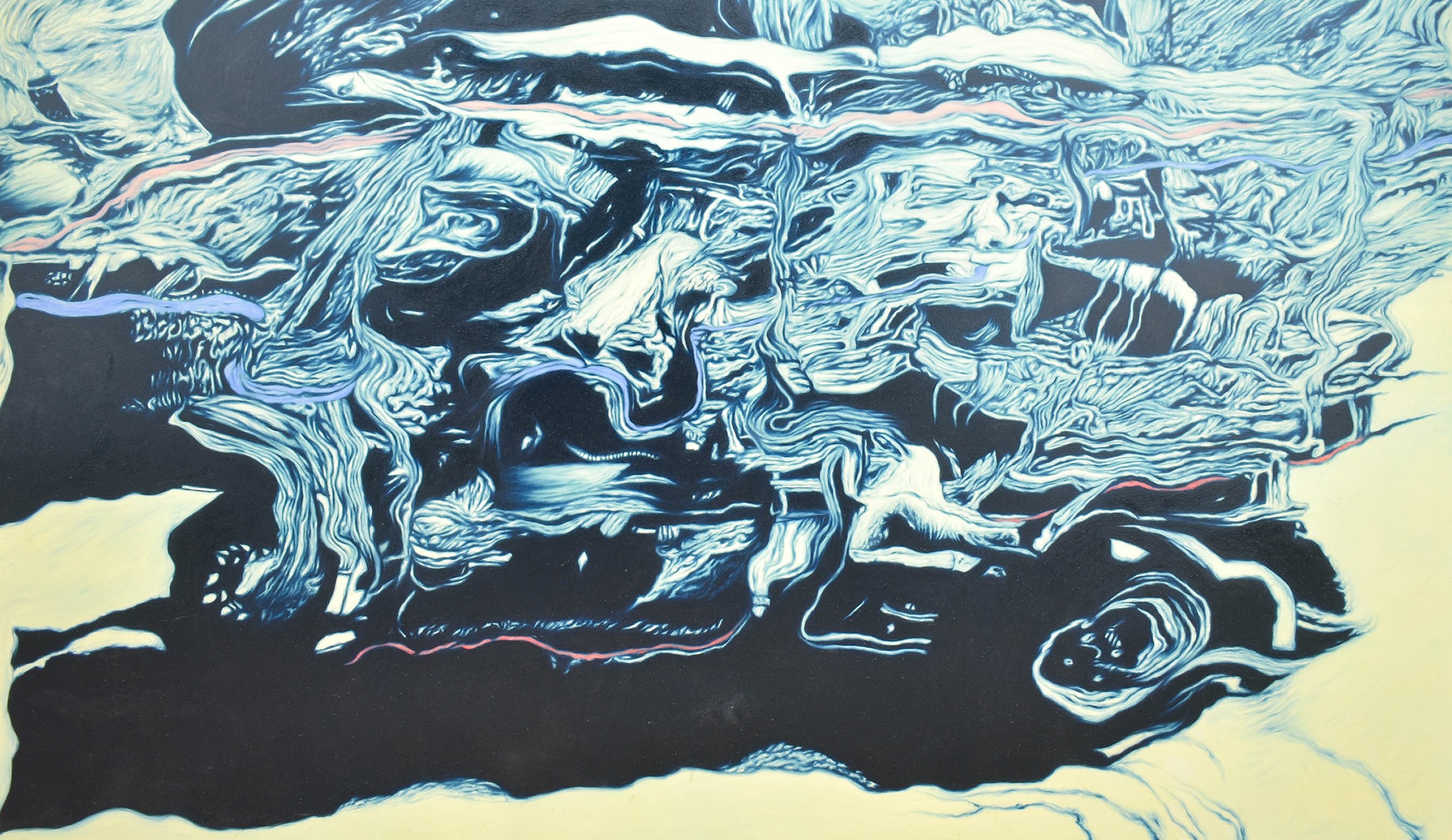
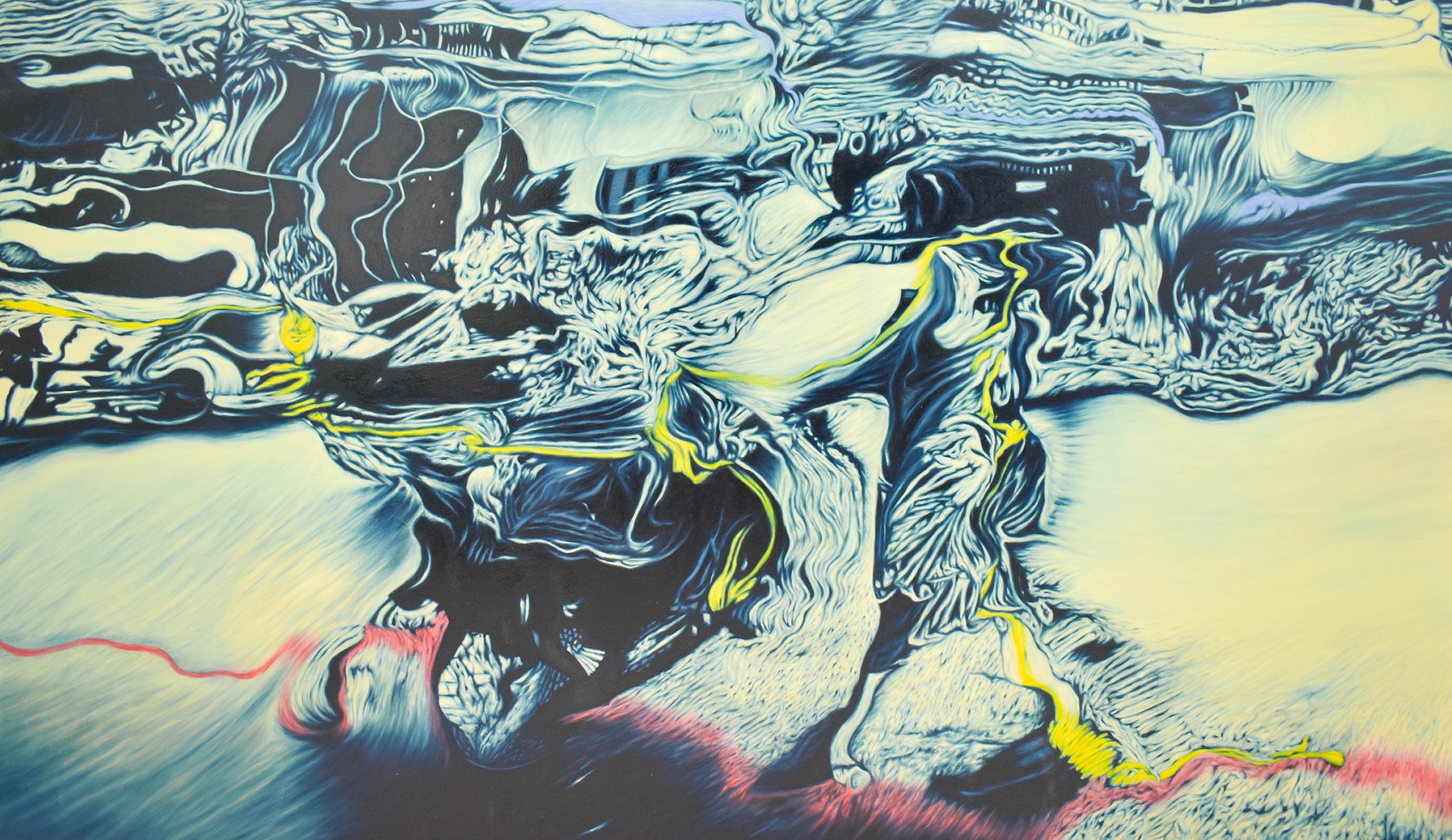
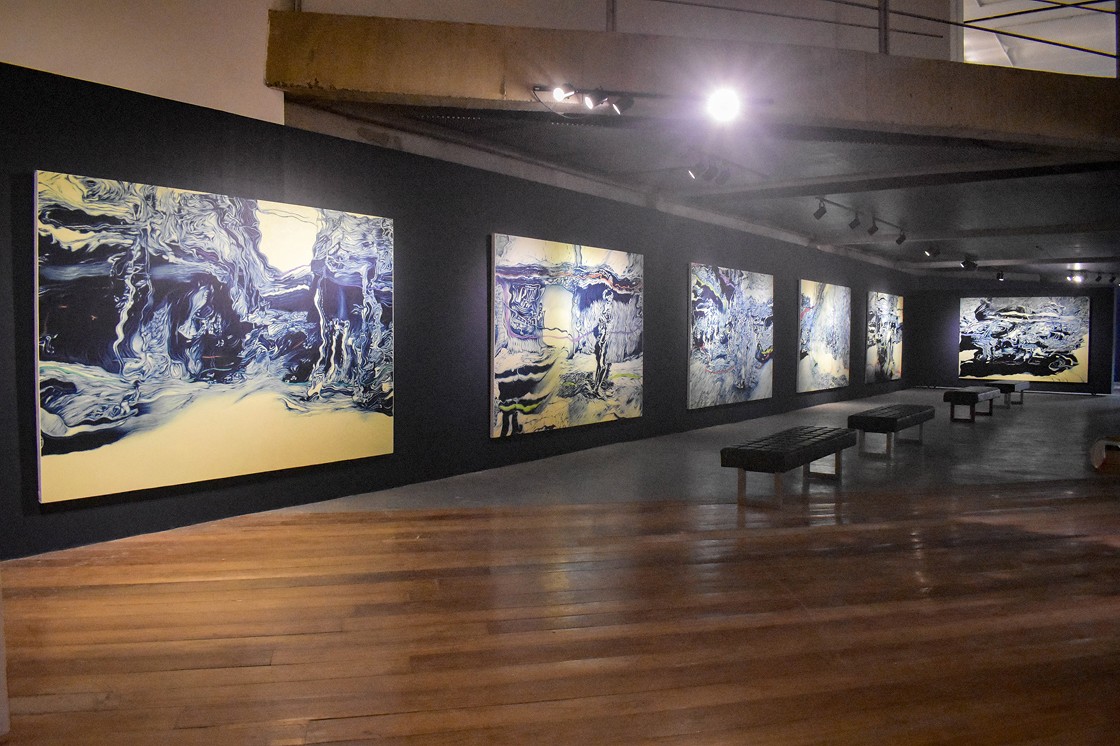
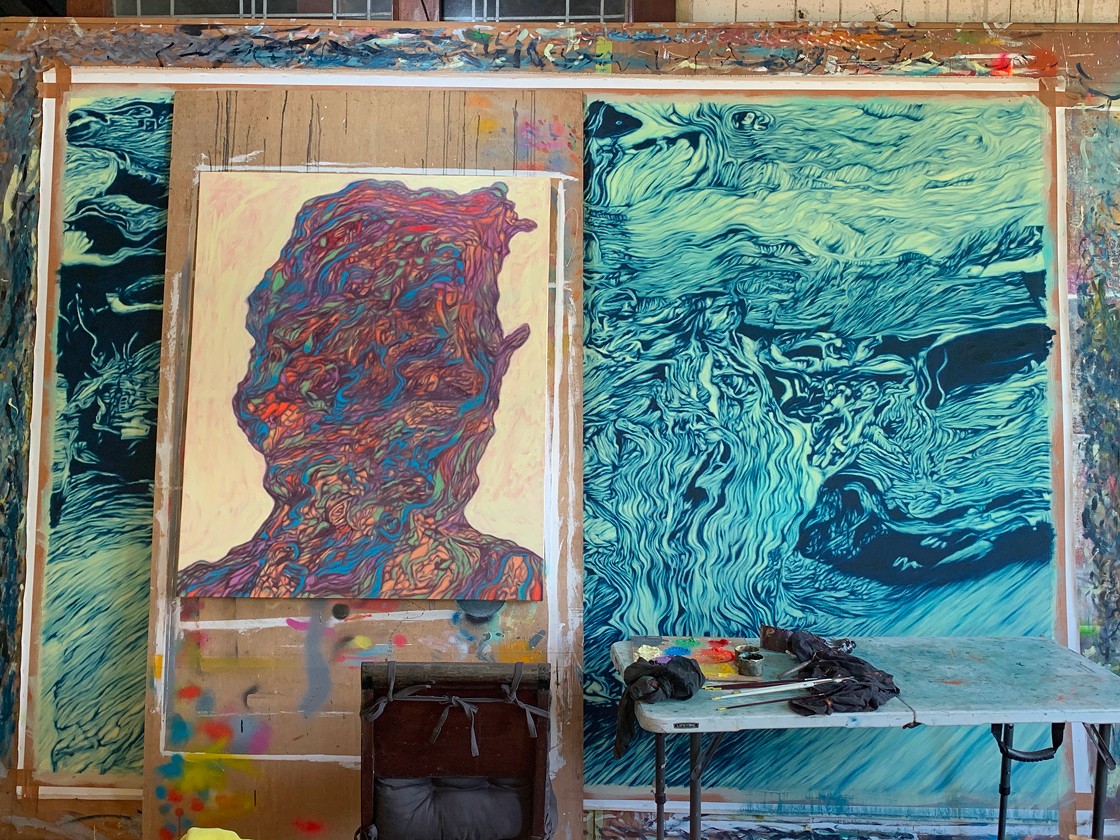
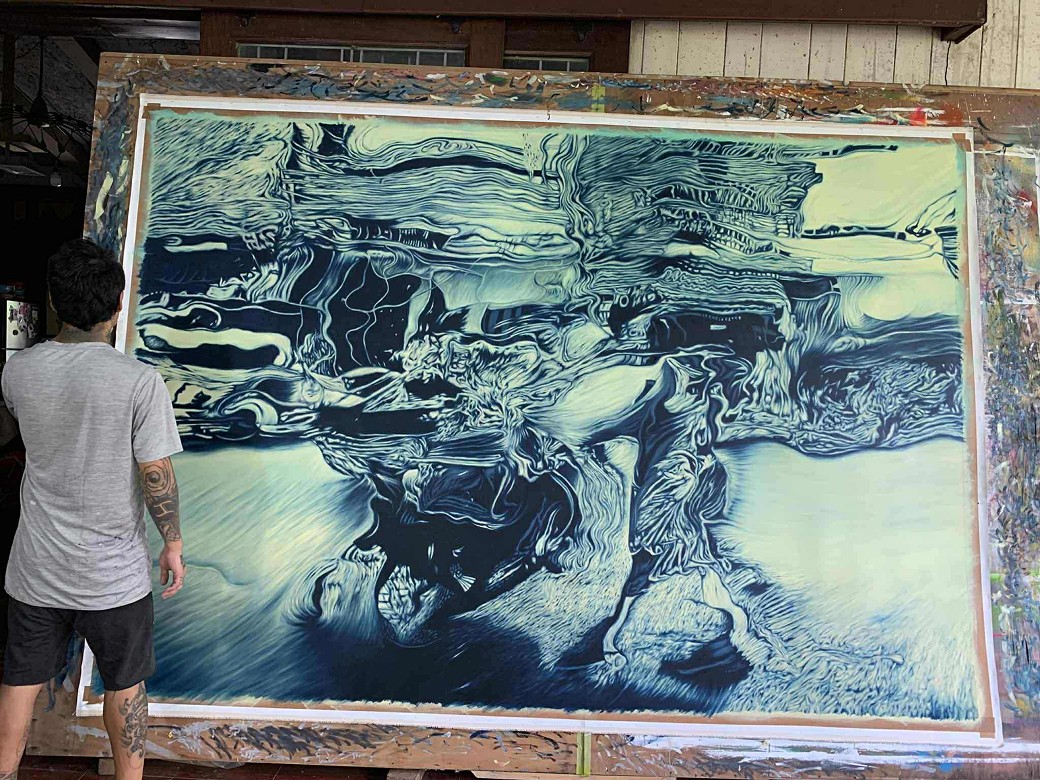
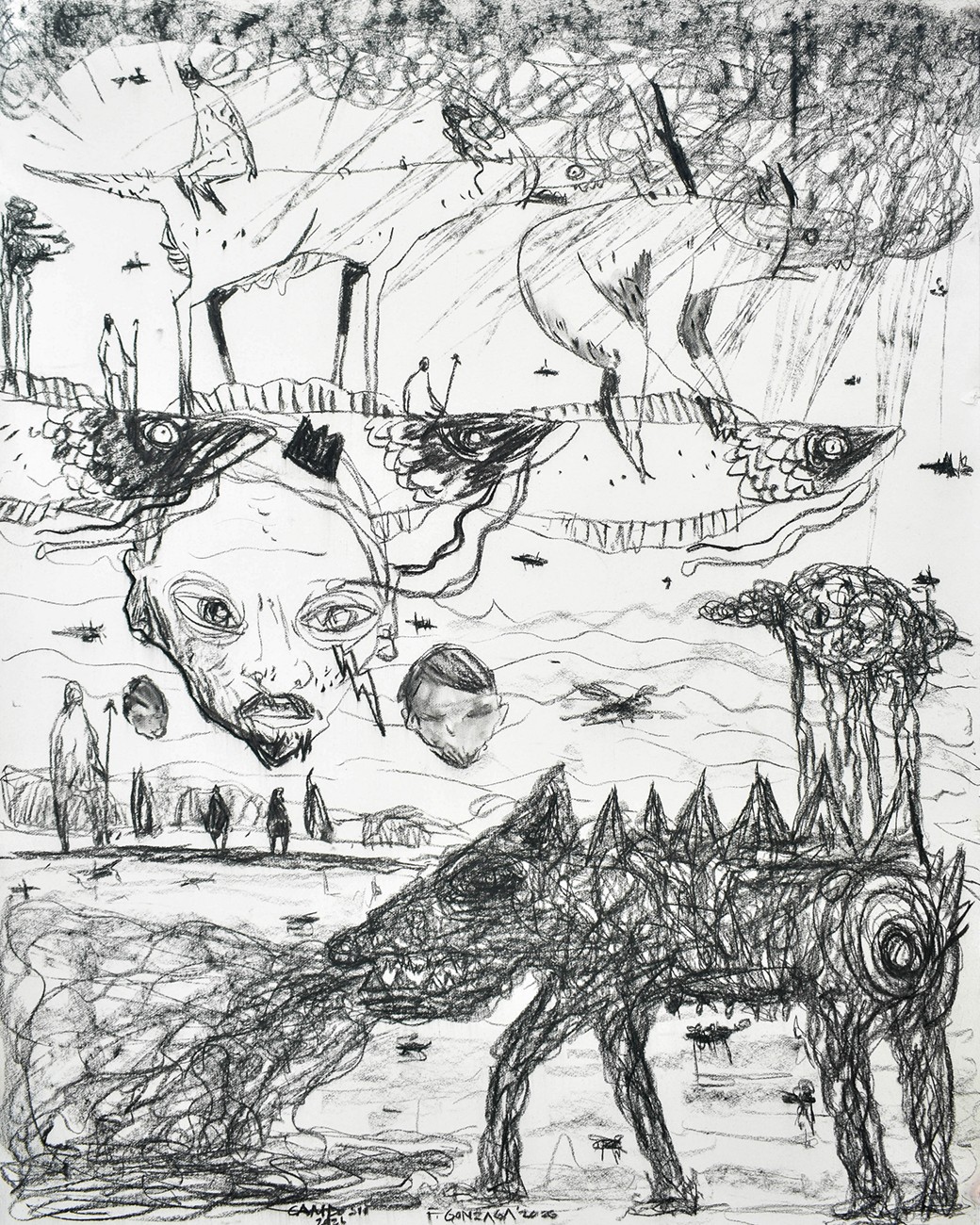
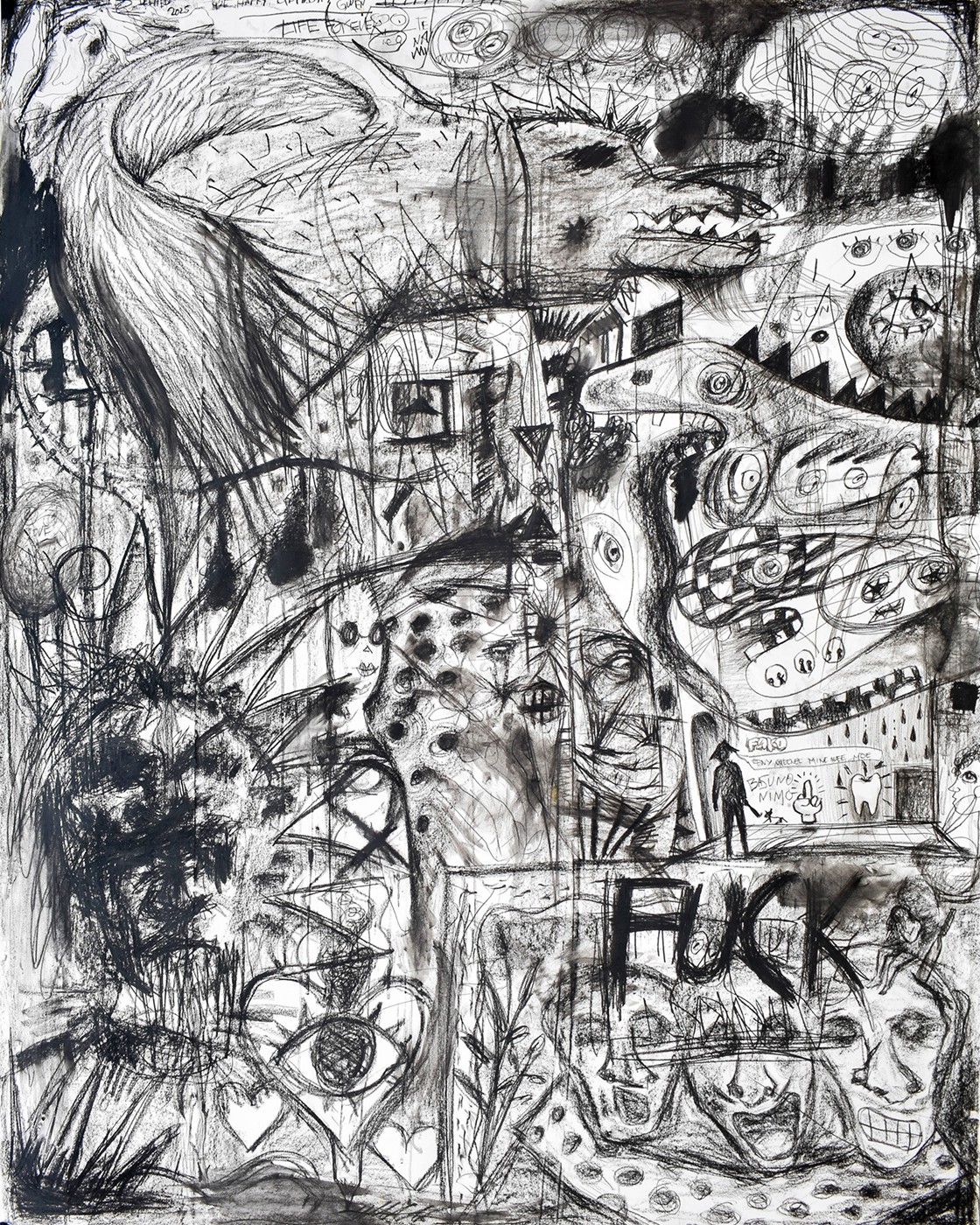
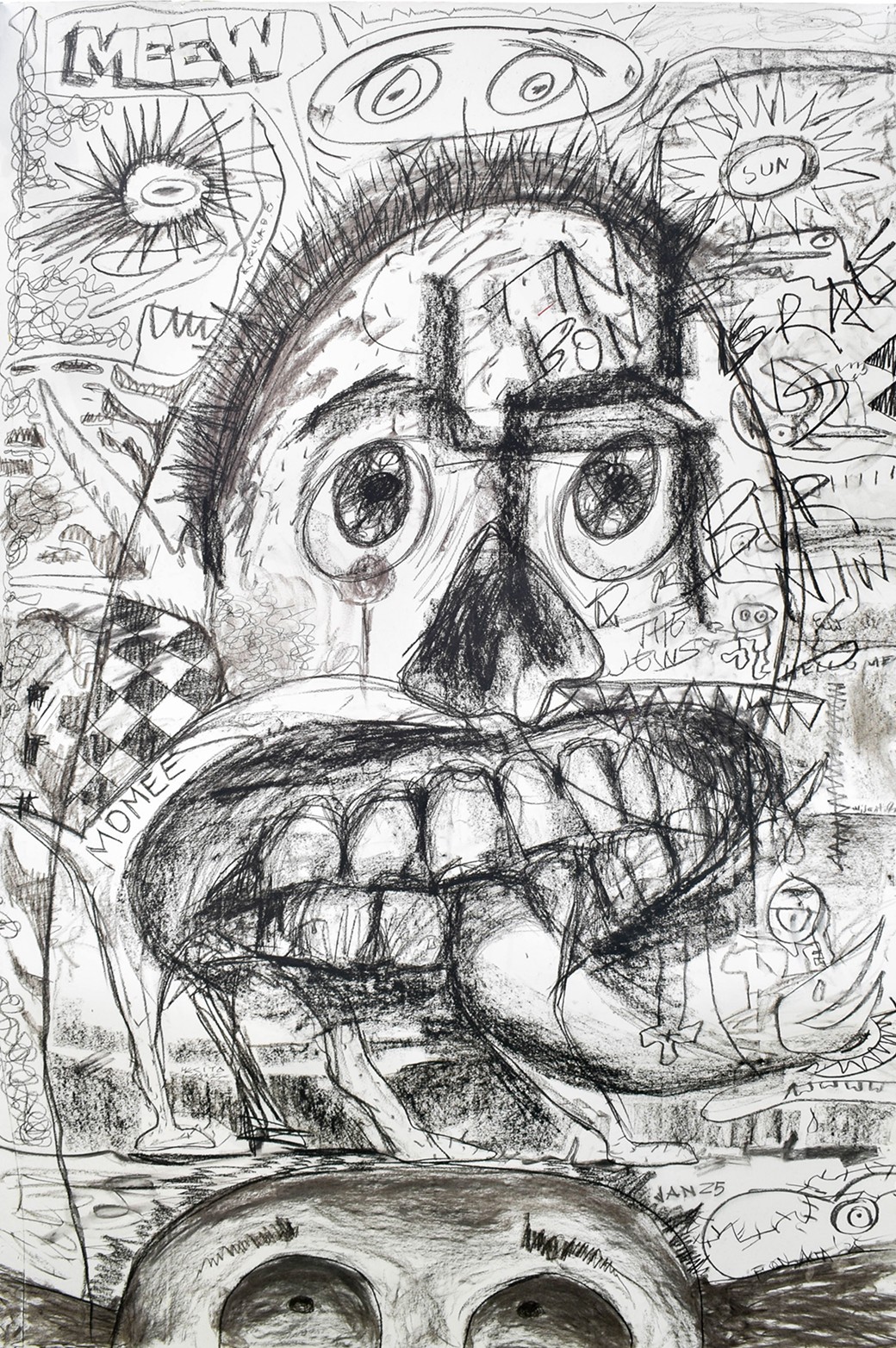
FG. The exhibition began through conversations and observations that slowly came together. More than a year before the show, I was sharing early studies with my wife while we were in San Carlos, Negros Island. At the time I was experimenting with distorted figures and layered images. Our conversation turned to sound waves and how sound might appear visually. As a musician, the idea of distortion immediately caught my interest and became the starting point for the imagery.
Not long after, I saw in the news that a building I had photographed during a trip to Bangkok had collapsed just weeks after we had been there. Months later, we experienced a strong earthquake in Bacolod. I remember looking at a mirror and seeing my reflection blur as the house shook. Those moments stayed with me and made me think about how quickly things can change.
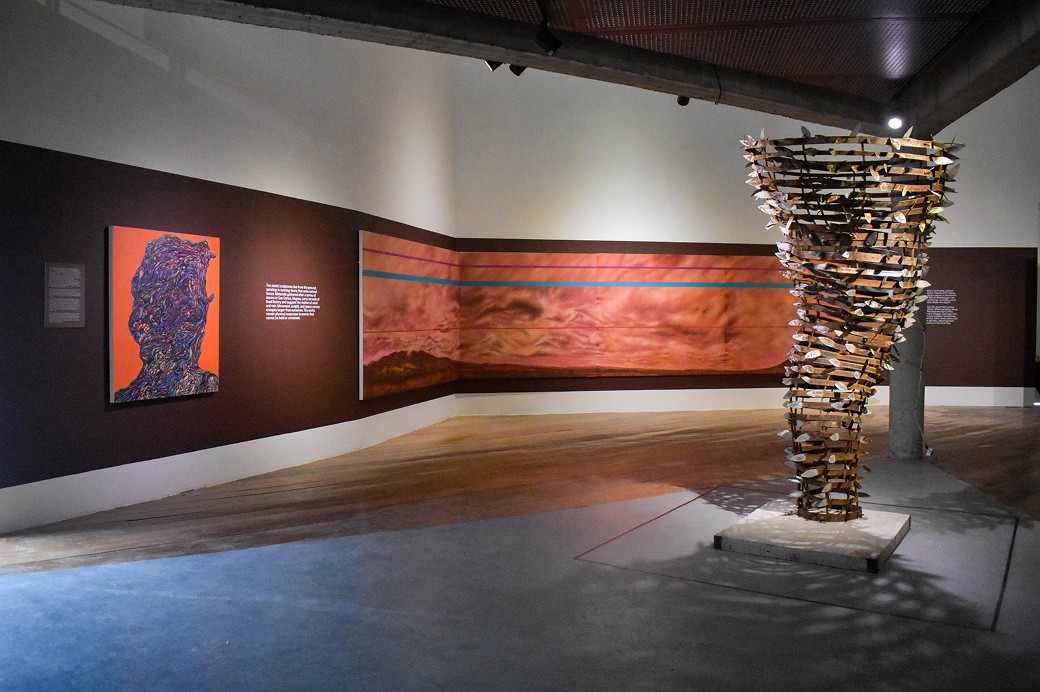
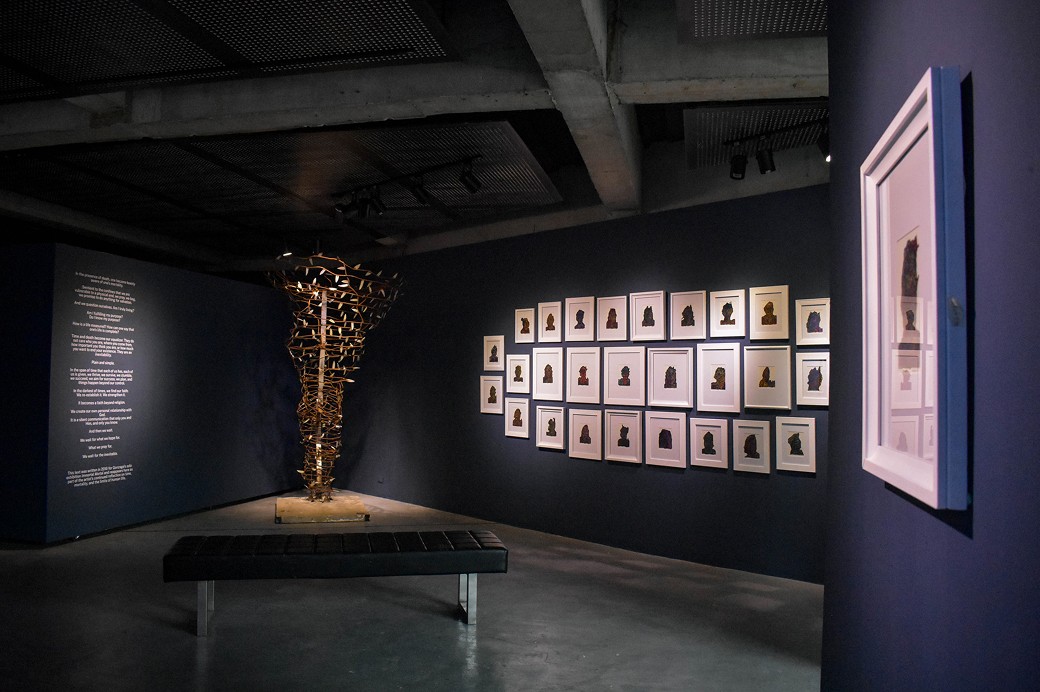
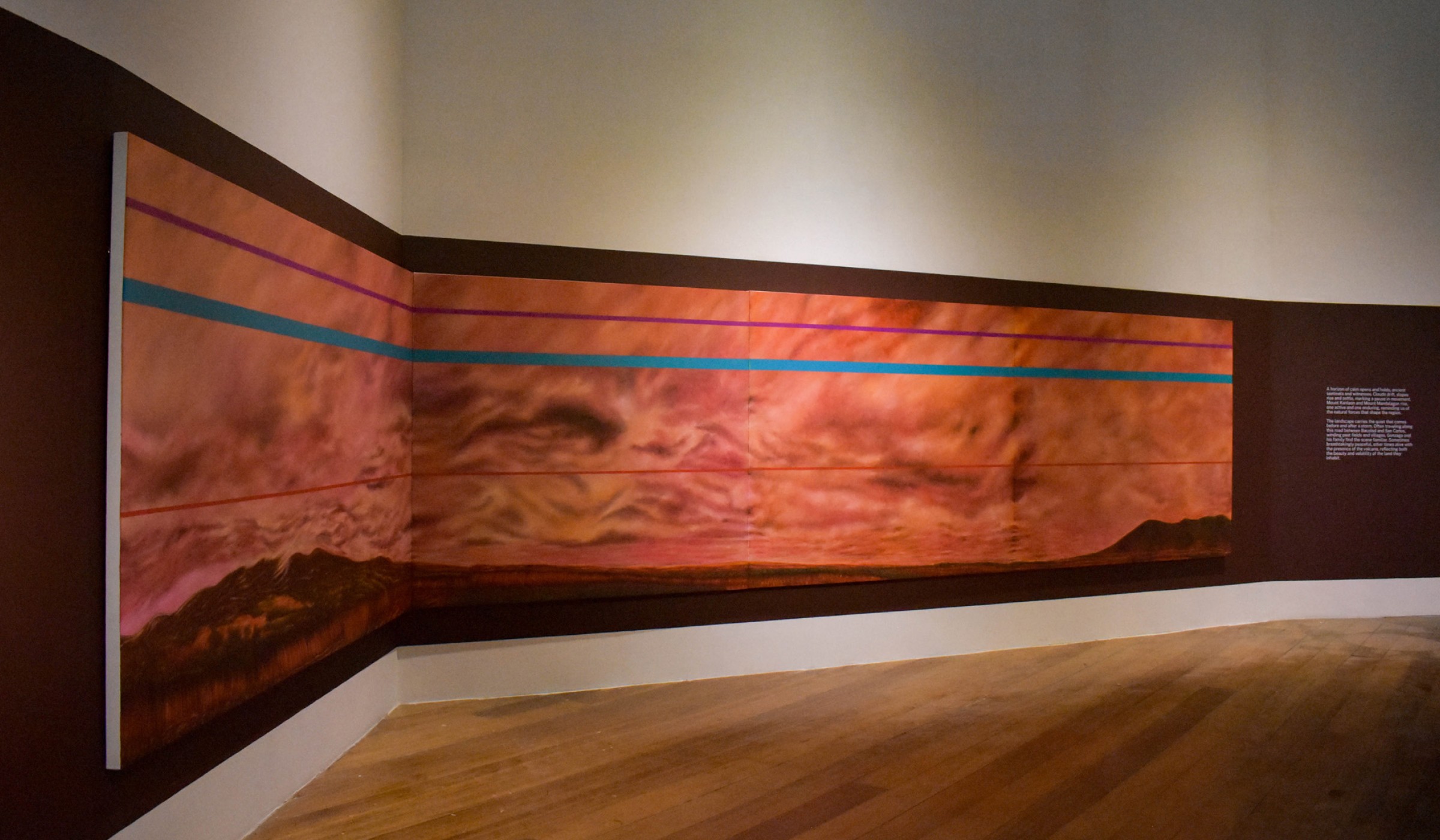
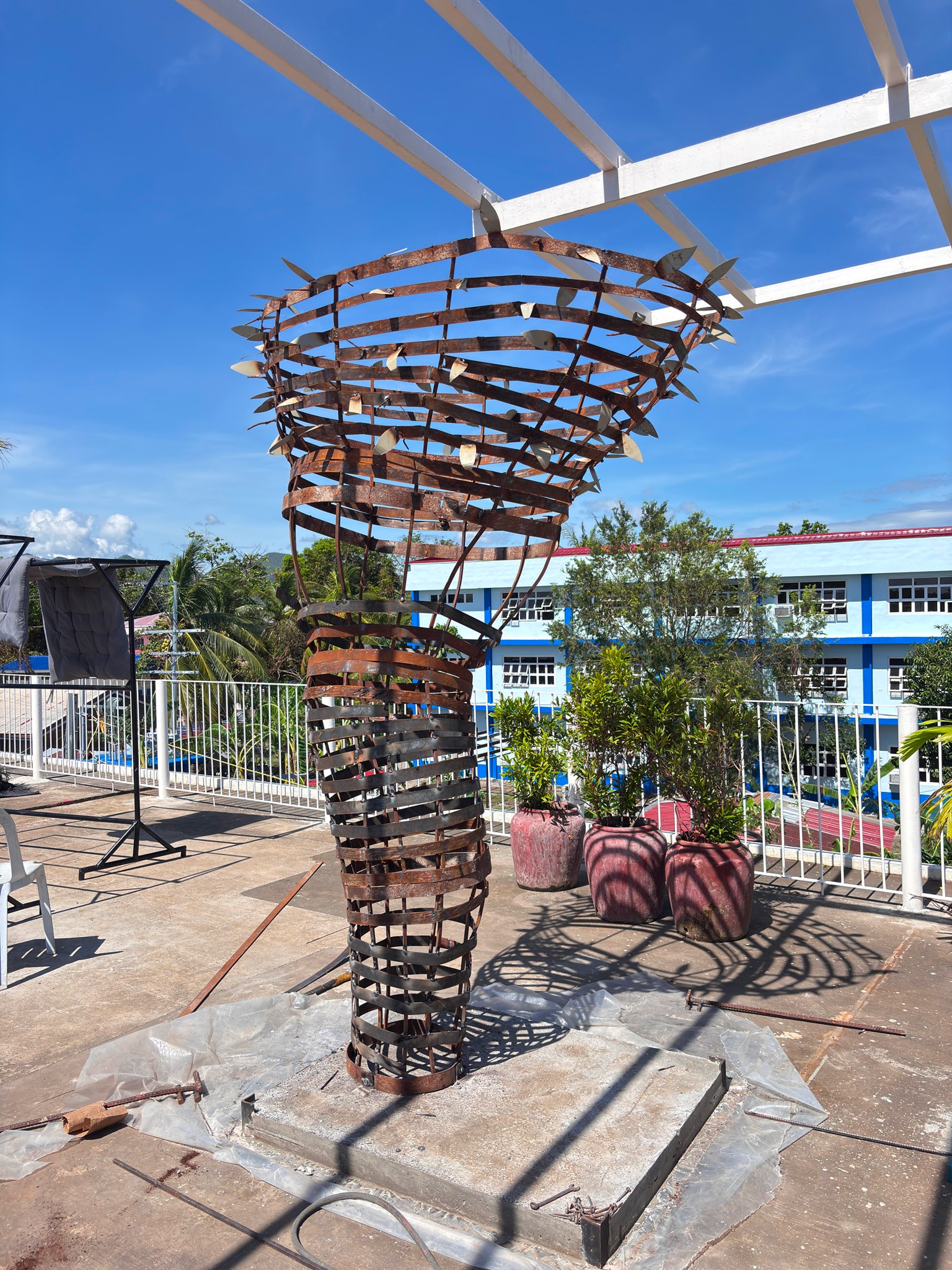
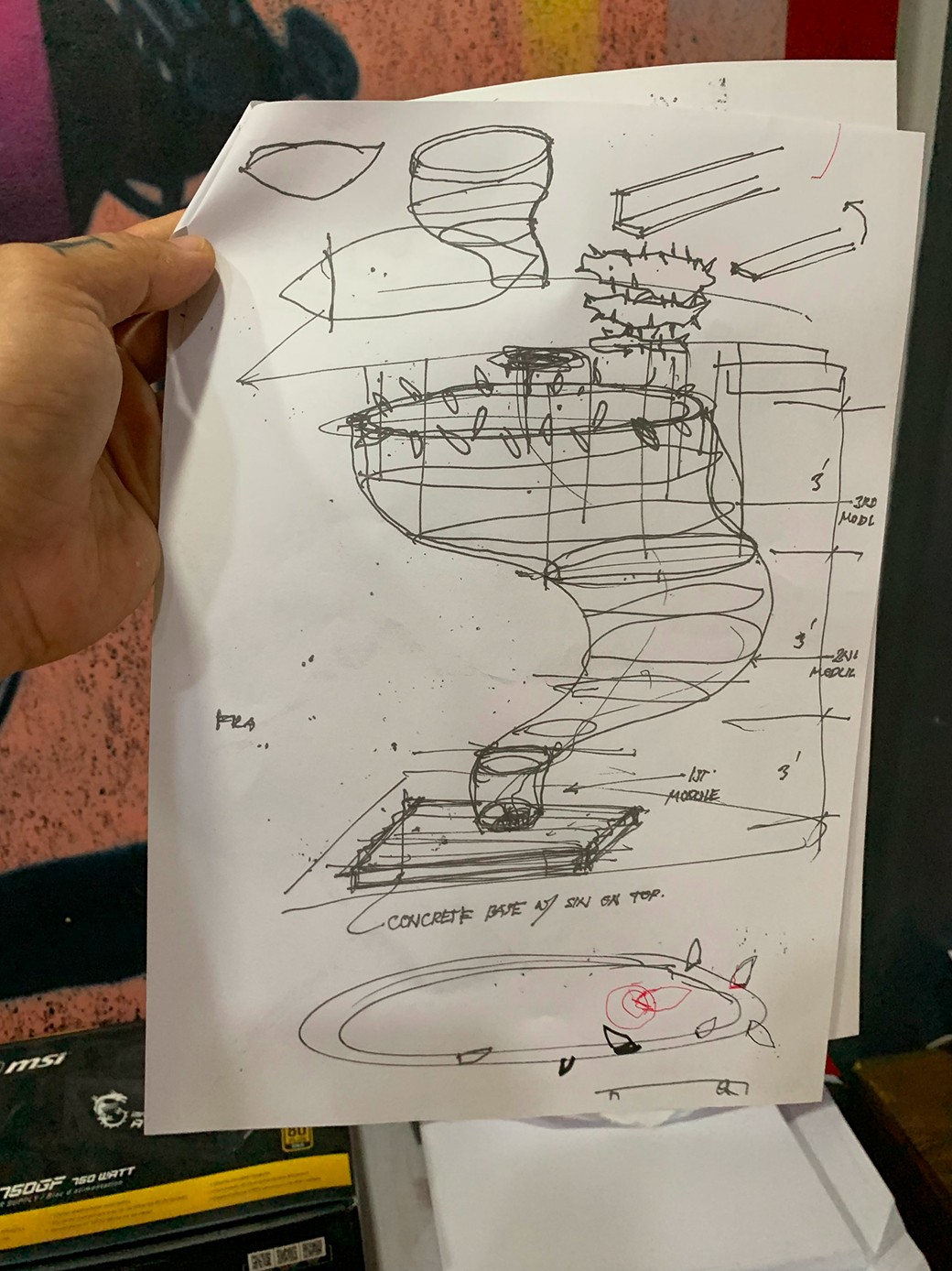
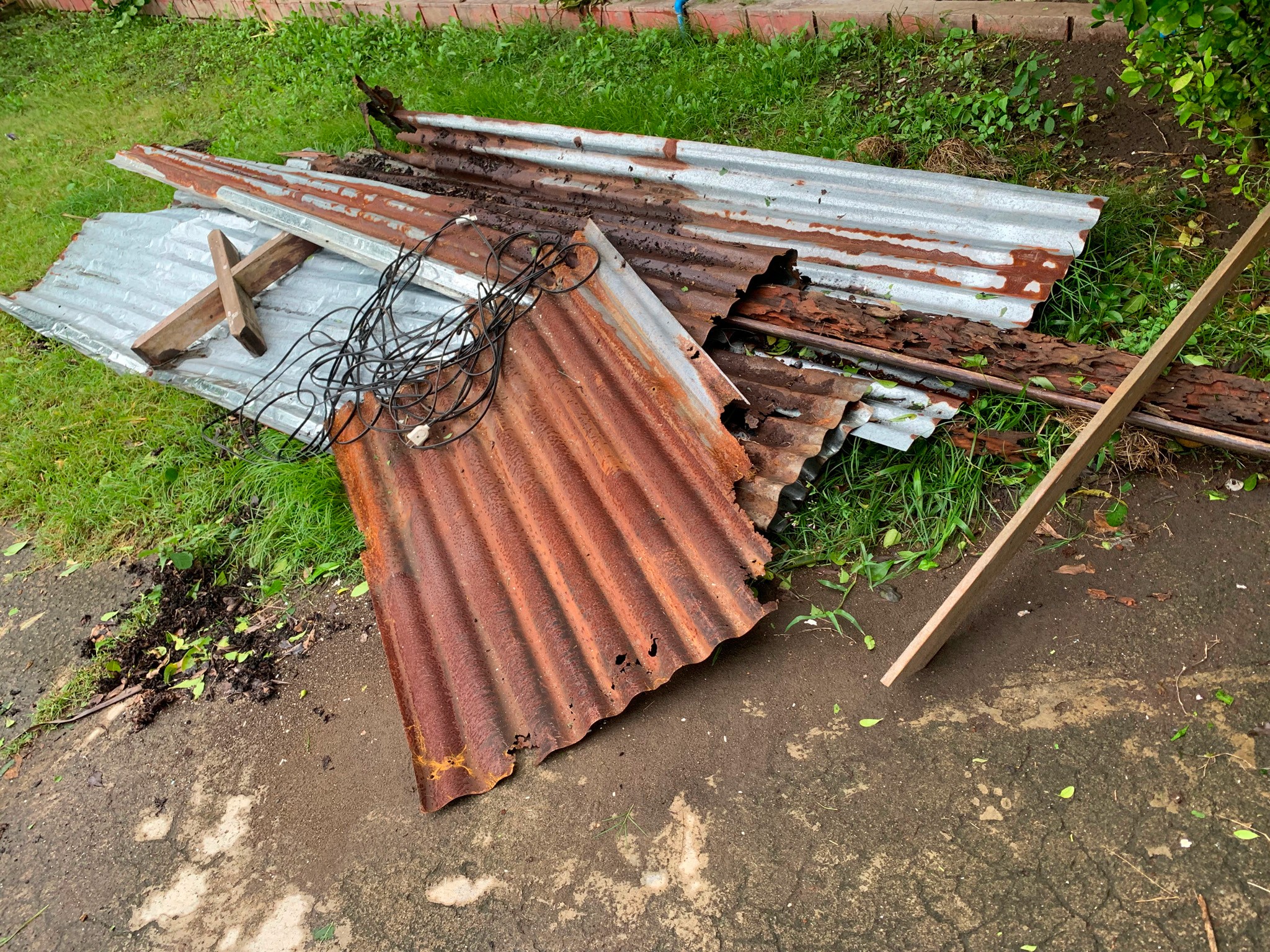
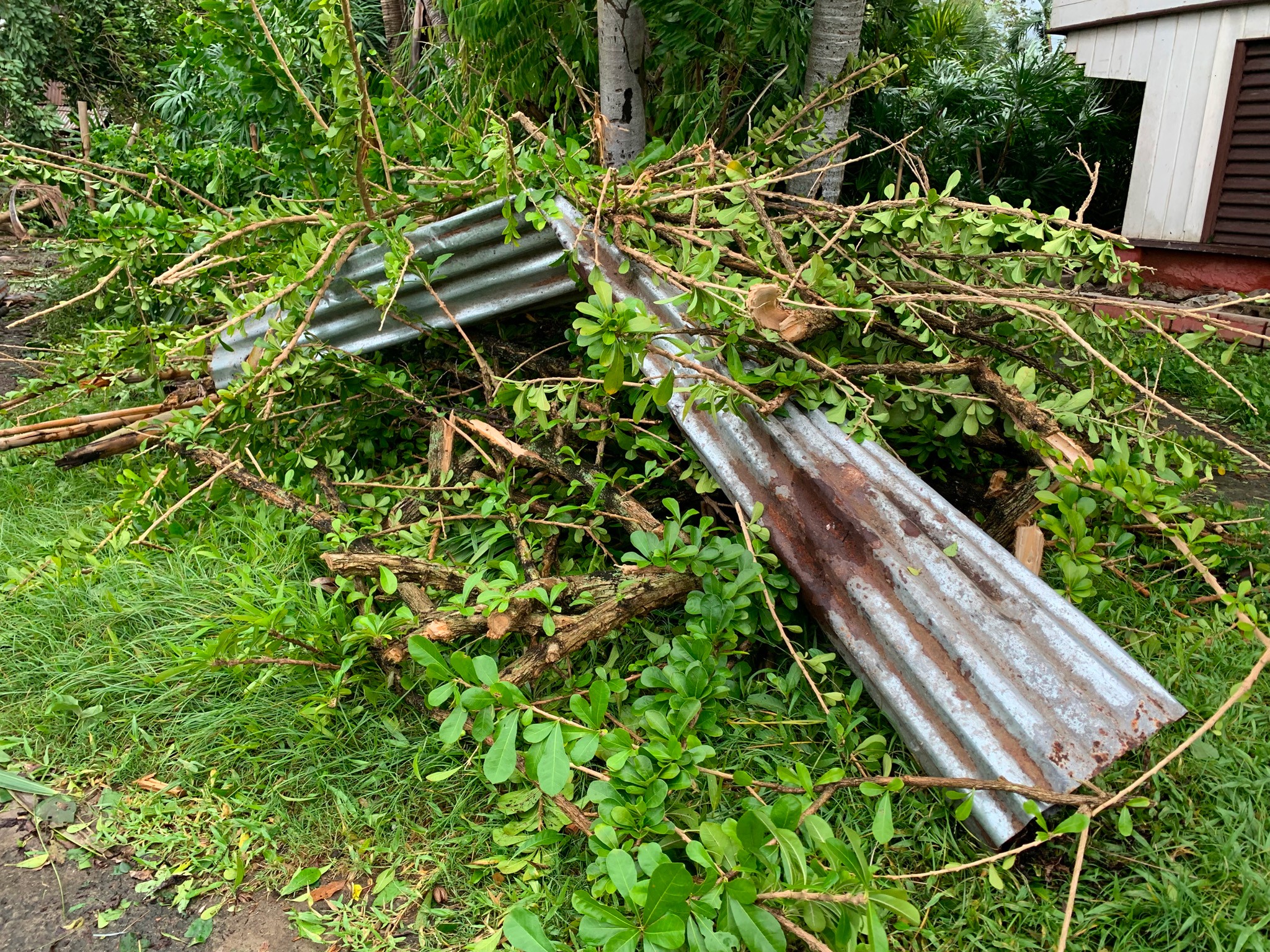
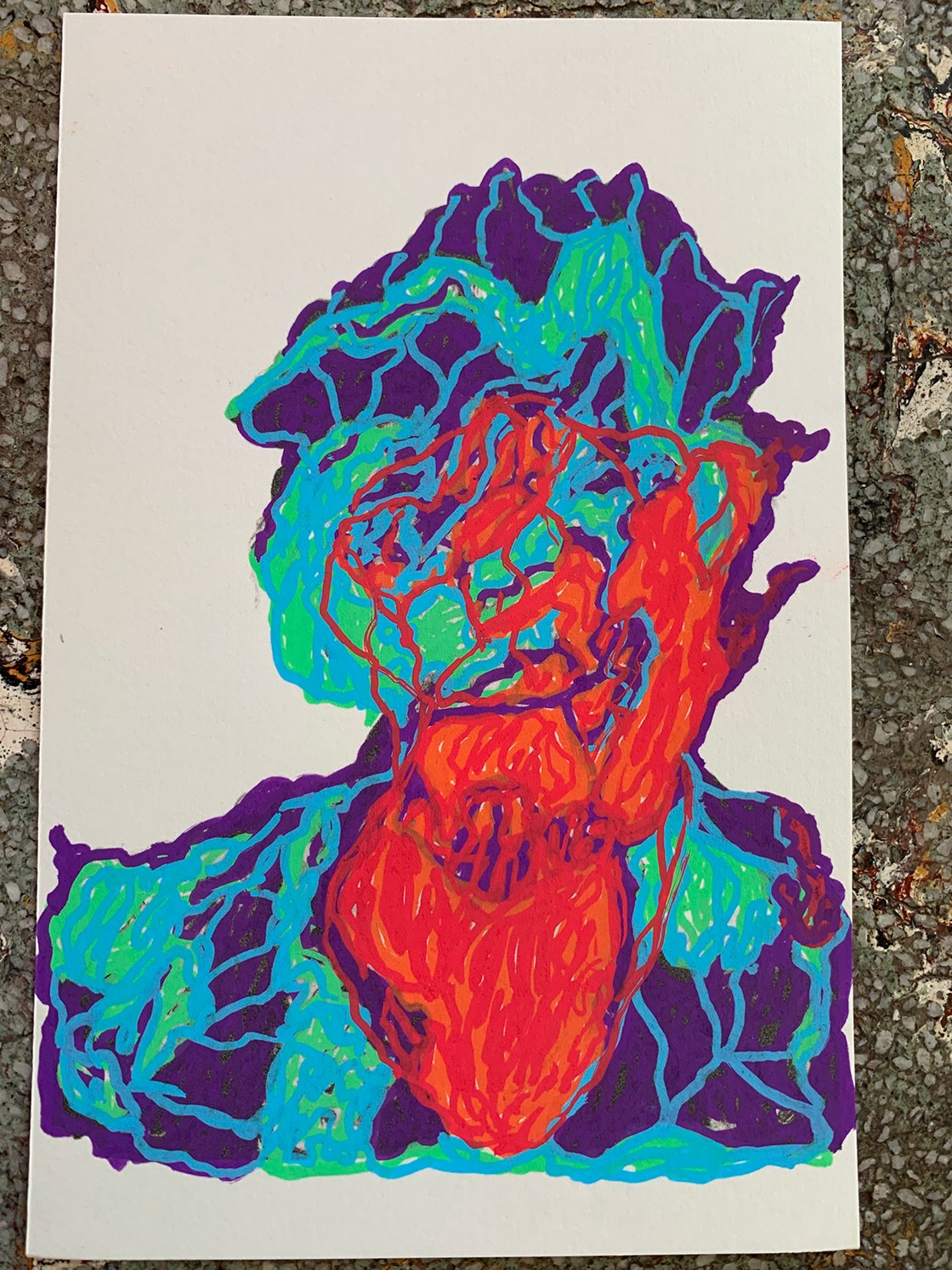
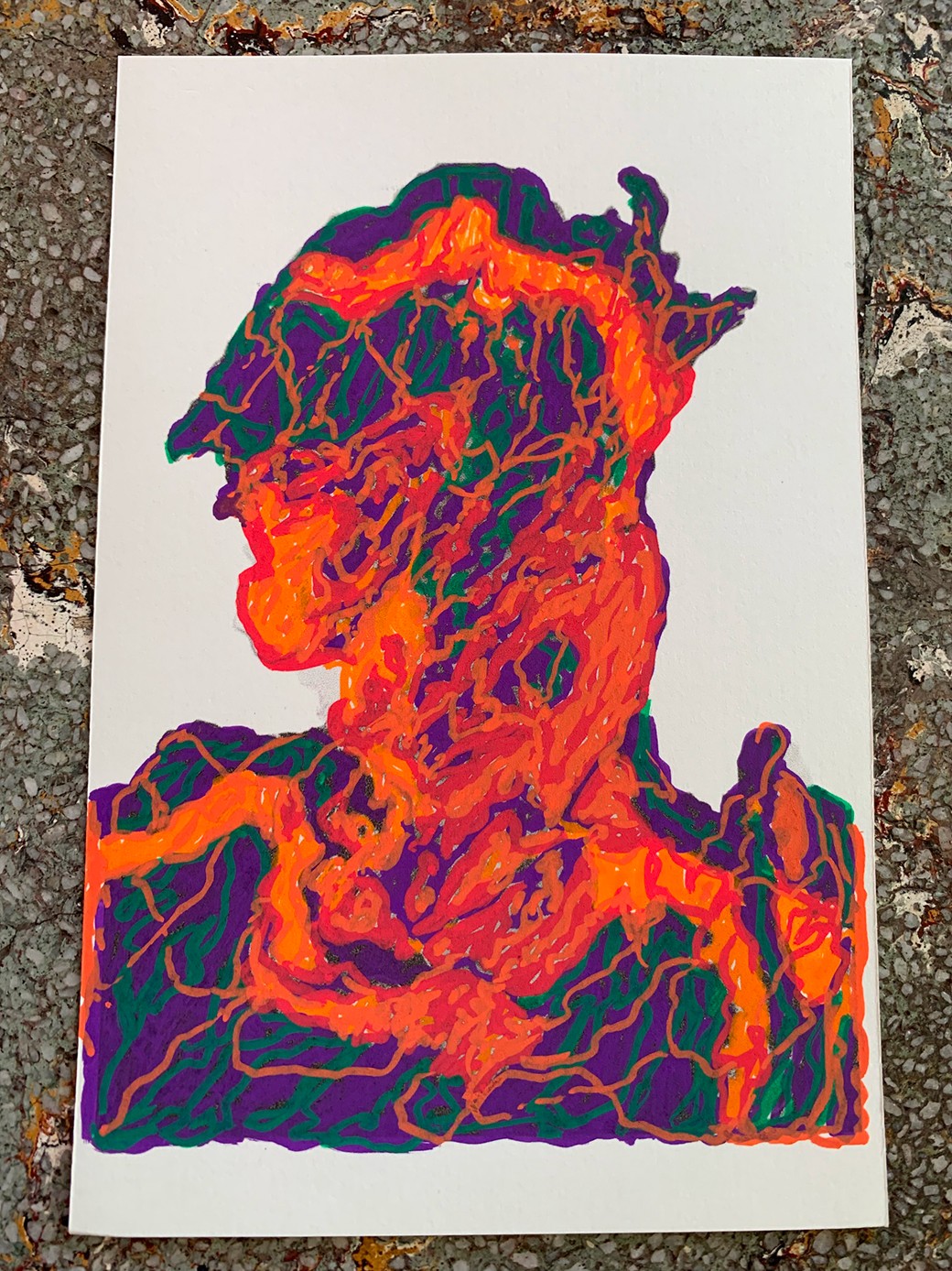
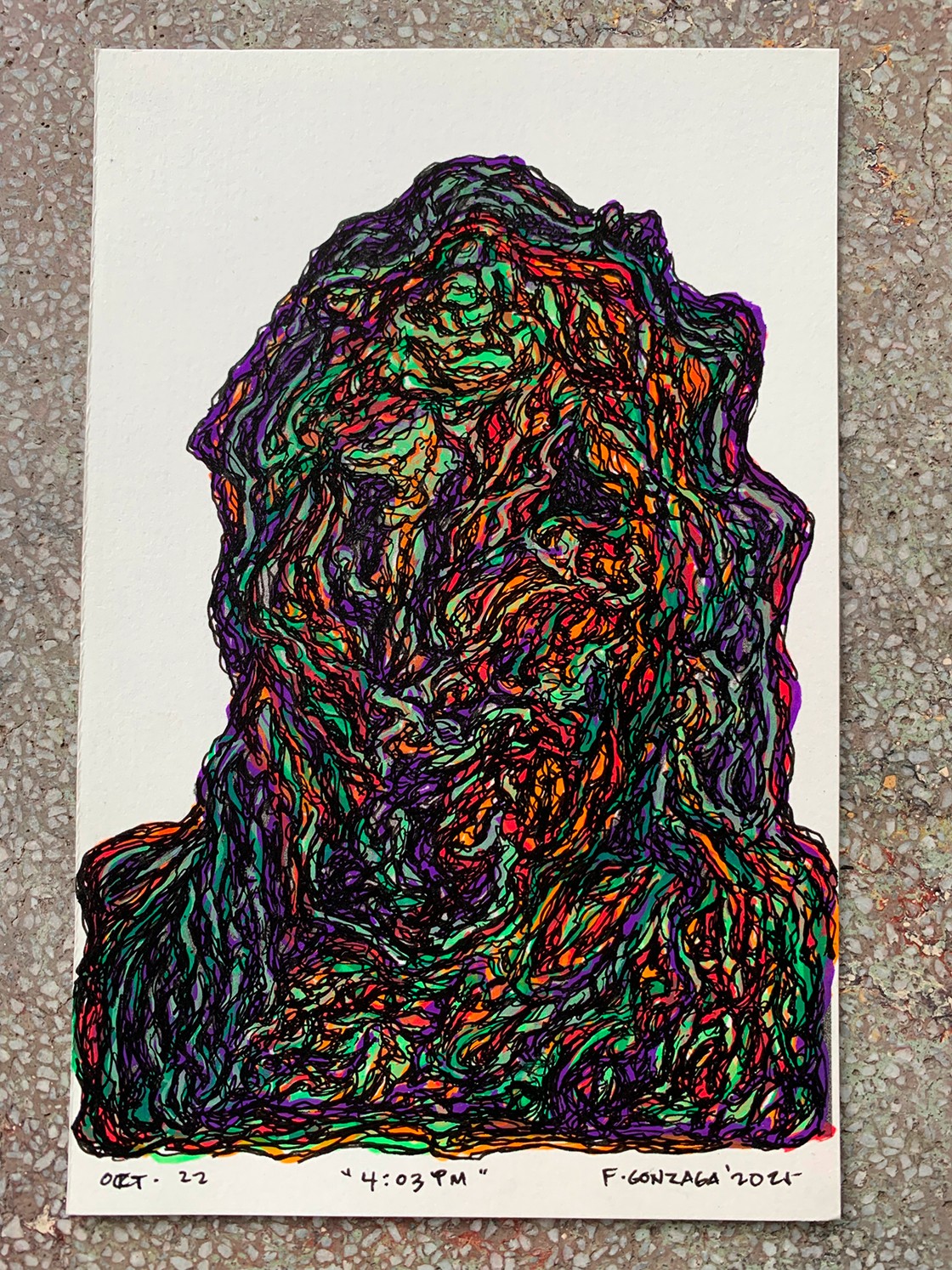
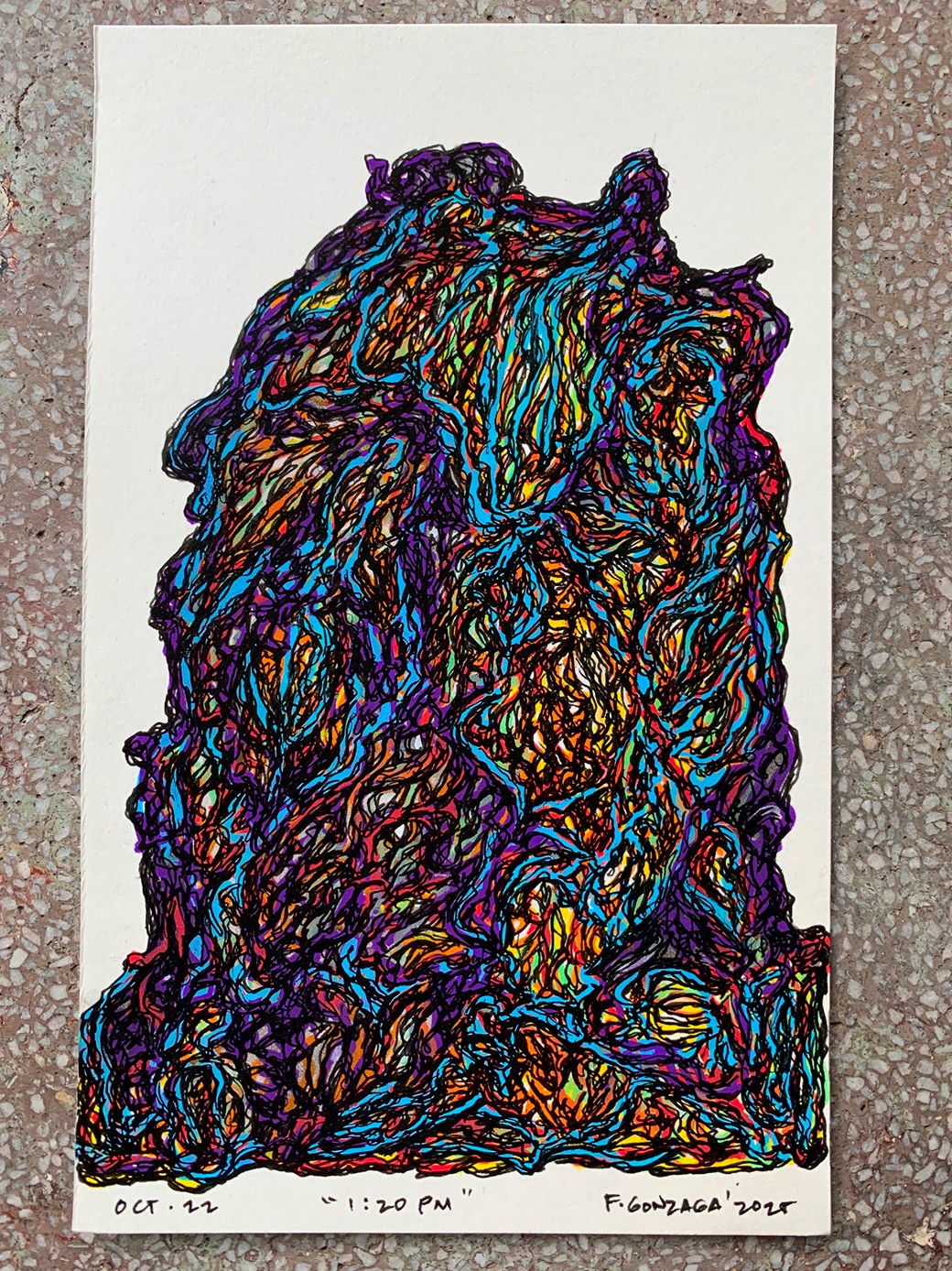
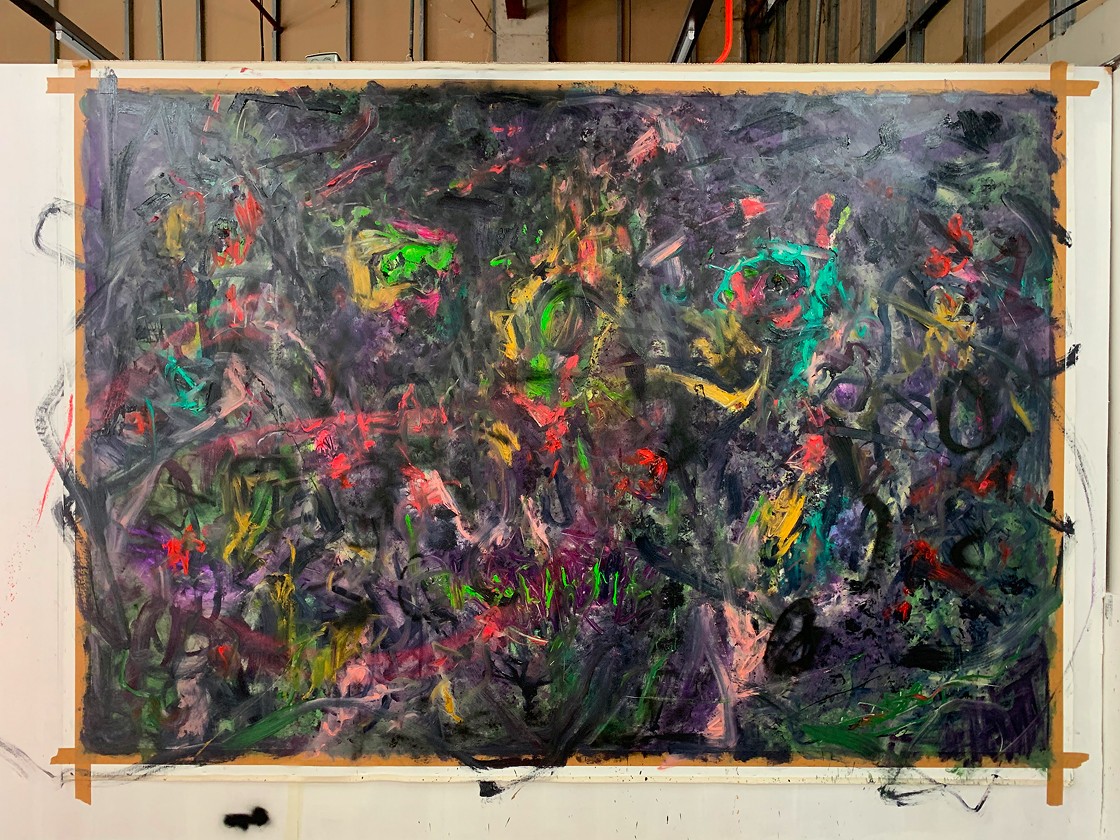
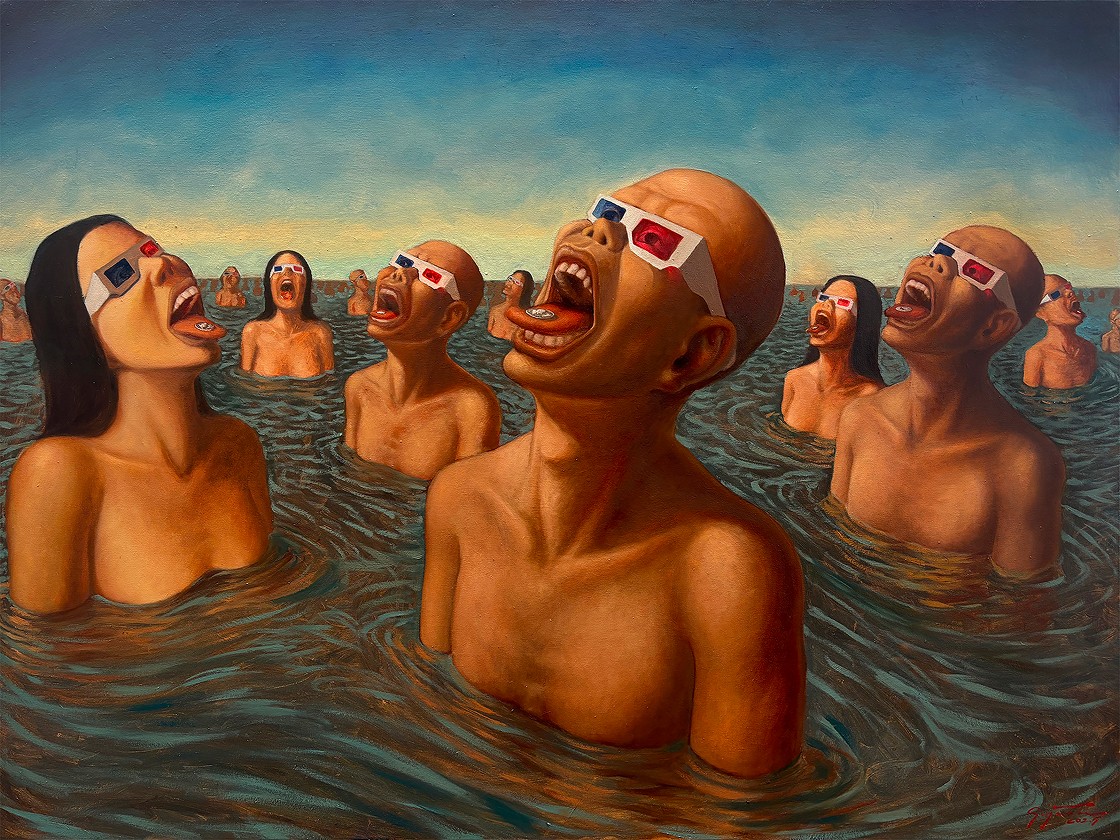
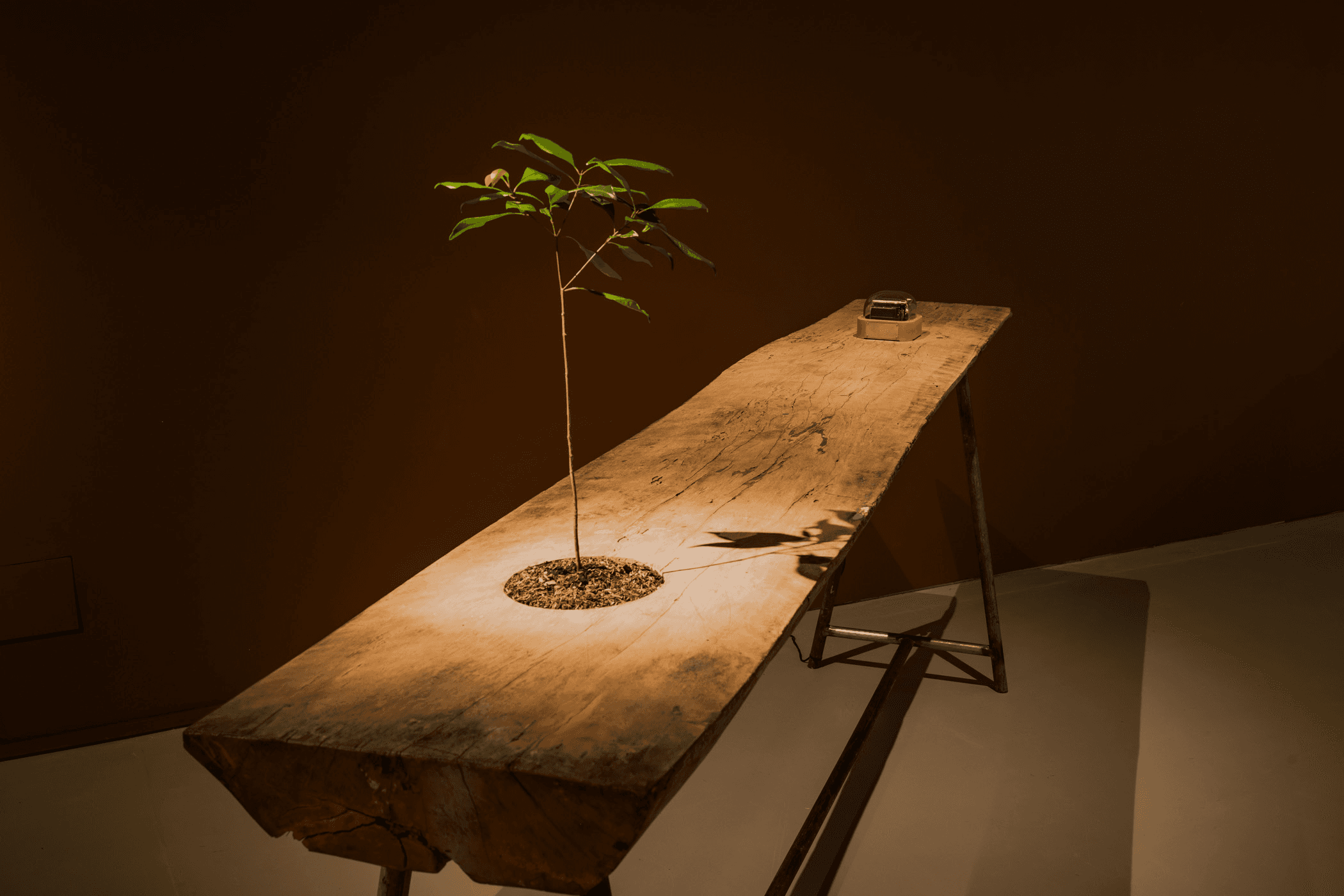
This led me to revisit portraiture from my 2016 solo exhibition Immortal Mortal. In this exhibition I continued that idea through a series called On Time. After finishing each distorted portrait, which was based on photos of people who experienced earthquakes in Negros, I noted the exact time and used it as the title of the work. Together with sculptures made from storm debris collected in December 2025, the works reflect on disruption and uncertainty. What felt most important to express is how we move through changing seasons of life and how we find our way when the familiar suddenly shifts.
CNTRFLD. Many of the works in the show reflect on disruption, recovery, and living through forces beyond our control. How have your own experiences shaped the way you think about resilience and response?
FG. I have a motto that I sometimes joke about but also believe in: “kaya gani ang indi kaya, ang kaya pa.” It roughly means that even when something feels impossible, there is still something that can be done. It reminds me to keep moving forward and focus on what remains possible.
I grew up on a street with two public elementary schools and a high school. My parents wake up before dawn every day to cook and sell food in their small carinderia. The street is full of vendors, trisikad drivers, and parents waiting for their children. People often talk about how hard life is, but they laugh, keep working, and move through the day. Watching that taught me that resilience often lives in ordinary routines.
When I was about thirteen, the house my parents worked so hard to build burned down. I remember my mother telling me that everything would be okay and that we would find a way through it. Watching my parents rebuild their lives shaped how I see hardship. Resilience, for me, is not about avoiding disruption but about continuing forward and finding a way through it.
CNTRFLD. Collaboration plays a strong role in Panahon Panahon. What does working with others bring to your practice that you might not arrive at alone?
FG. Working with others allows me to learn how different artists think and work. I become curious about their processes, their techniques, and how they arrive at an idea. Collaboration pushes me beyond what I might try on my own and helps me overcome the fear of trying something new.
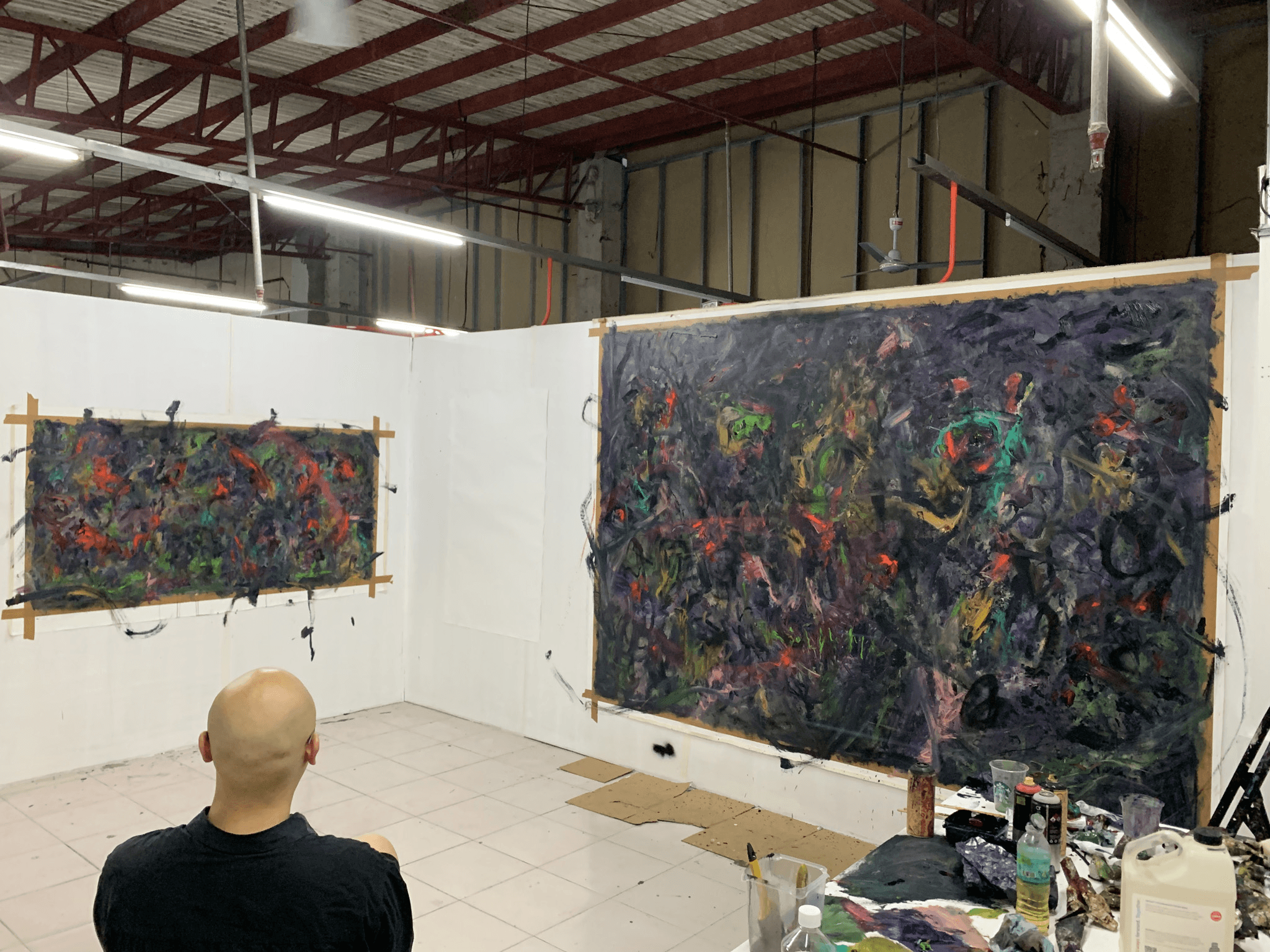
I also see collaboration as a space for experimentation. There is always an element of surprise because the result is never fully predictable. When I work alone, I am mostly in conversation with myself. When I collaborate, the work grows from dialogue, shared ideas, and human connection.
Having worked with Orange Project for almost two decades, I have also seen how collaboration builds community. As part of the team that handled many exhibition setups, I had many chances to talk with artists and curators about their work. Those exchanges shaped my curiosity and continue to influence my own practice.
CNTRFLD. Your work often centres on everyday life and the quiet persistence of people around you. Looking back, how did your childhood in Bacolod—especially growing up around your family’s food businesses—shape what you choose to paint today?
FG. Growing up on the street, I learned to observe people from an early age. I saw parents and neighbours quietly working to support their families. They faced hardship but continued to move forward. These are people who rarely receive recognition, yet they keep the world moving.
I remember hearing a young man give a graduation speech at the school across the street. He shared how his father, a trisikad driver, would bring him to school, return with food during recess, take him to lunch, and pick him up again in the afternoon, all while working the whole day. That young man shared he became an engineer. I admired the persistence and care behind that story.
Experiences like and seeing this in my neighbourhood shaped how I see everyday life and inspired me to paint the quiet determination I have witnessed in people for many years.
CNTRFLD. You’ve explored different materials over the years but continue to return to oil painting. What keeps drawing you back to it, and how does it help you tell these stories?
FG. Around 2003, I saw my wife, who was my girlfriend then, preparing a school project using oil paint. At that time, I had a music gig and decided to paint an image on my shirt. I bought a few tubes of oil paint and brushes, painted the shirt, and left it under the sun to dry. When I went to wear it later that afternoon, it was still wet. That moment fascinated me and made me curious about the medium.
After many years of experimenting and learning, I found that oil paint allows me to tell the stories I want to tell. It gives me time to sit with the work, build it in layers, and let the painting develop slowly.
Most of the people I paint live on the margins of society. Oil painting allows me to approach their stories in an unhurried way and give the subject the attention it deserves.