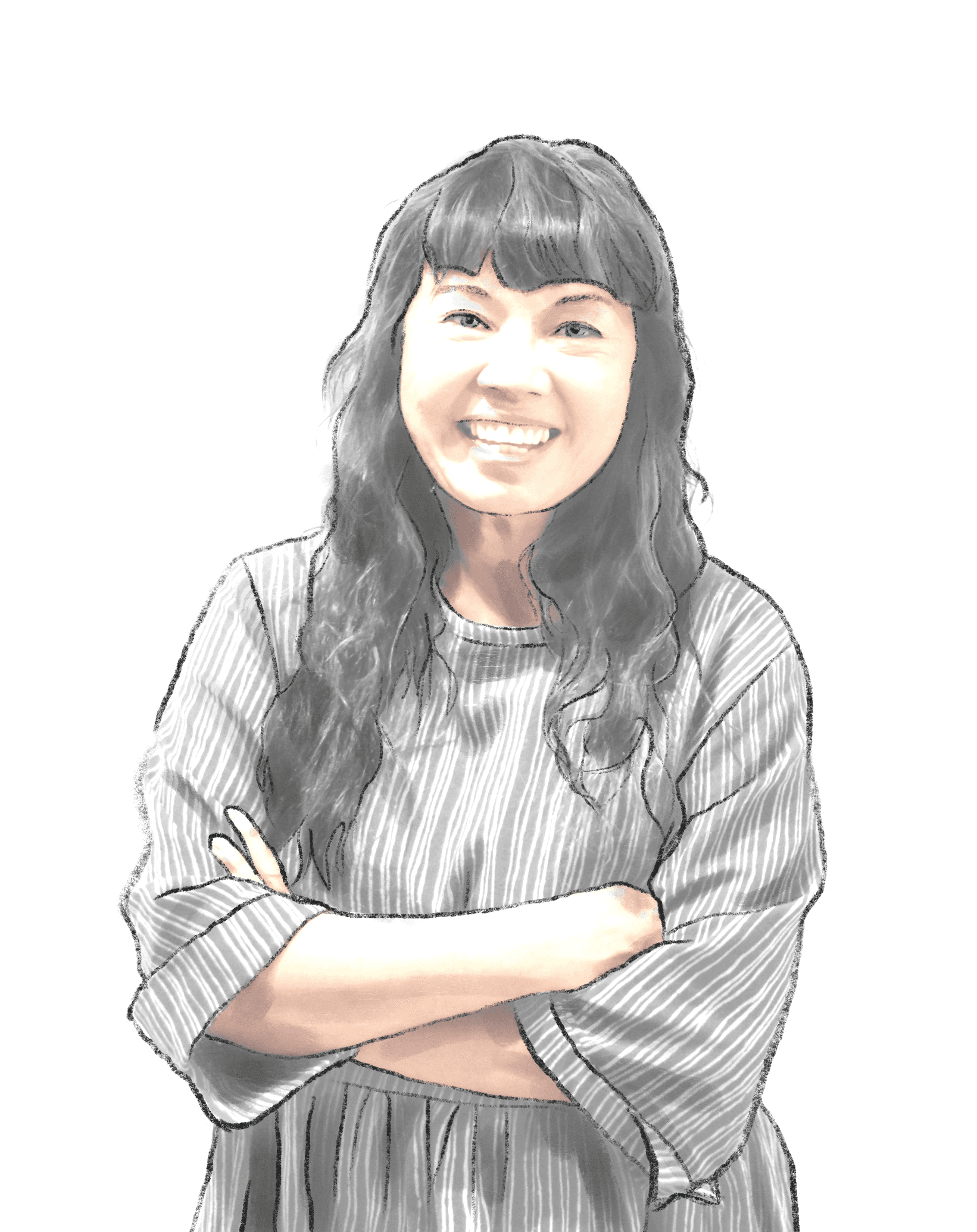
“It is in fear and pain that we truly see and recognise each other. I think it is important to define oneself from the inside out—to be endogenously driven, rather than exogenously determined by likes, the highlight reel, a curated self-image.
Art practice is life practice, where embodying the message of the artwork is as important as the making of it.”—Suzann Victor
CNTRFLD. You’ve lived and worked across vastly different cultural contexts—from your early years in Singapore to your current practice in Sydney. How have these geographic and cultural shifts shaped your understanding of your Singaporean identity and maintained your connection to your homeland?
SV. Identity is often steeped in multiple realities at the same time, feeding into the paradoxical state of belonging and unbelonging that has to be negotiated all the time. Vastly different in emotion and rhythm, yet, in some ways, oddly familiar.
Similarly, the ideas of “home” and “homeland” continually refract and deflect each other. Transiting between Singapore and Sydney embodies this ongoing tension where the anchor, or the “centre,” is a continually displaced site. A slipperiness that is the hallmark of any diasporic condition. And I have learnt that this centre, wherever one may locate it, is in fact a blind spot, while the periphery is where clear views (of the centre) often come into sight.
CNTRFLD. Your early life was marked by adoption, motherhood, and a delayed start in formal art education. Could you share how your upbringing and personal journey informed your path as an artist—and the themes you continue to explore through your work?
SV. I am utterly convinced that to raise, nurture, educate and protect someone else’s child as your very own is one of the most profound, and in some ways, counter-instinctual expressions of human love. And so, I am learning from the very best, and can only hope to emulate my adoptive parents in my own maternal role. Psychoanalytically, the knowledge, rather than the journey of being an adopted child, is a primal wound, which leads me to think that this may have something to do with the scale of embrace in my works - the need to offer an immersive experience rather than a purely visual art object per se.
This given - of being an insider nowhere and an outsider everywhere - has evolved into an existential and political drive that informs the way I seek to “sculpt” space, architecture and experience, and the means with which I do so materially - usually to monumentalize the signifiers of poverty, scarcity, the vulnerable, the voiceless and unseen – who are, too often, women.
CNTRFLD. From 5th Passage to "Still Waters," your practice has long explored the politics of presence and absence, especially in relation to the body. In what ways has your diasporic experience influenced your ongoing engagement with disembodiment, marginality, and institutional critique?
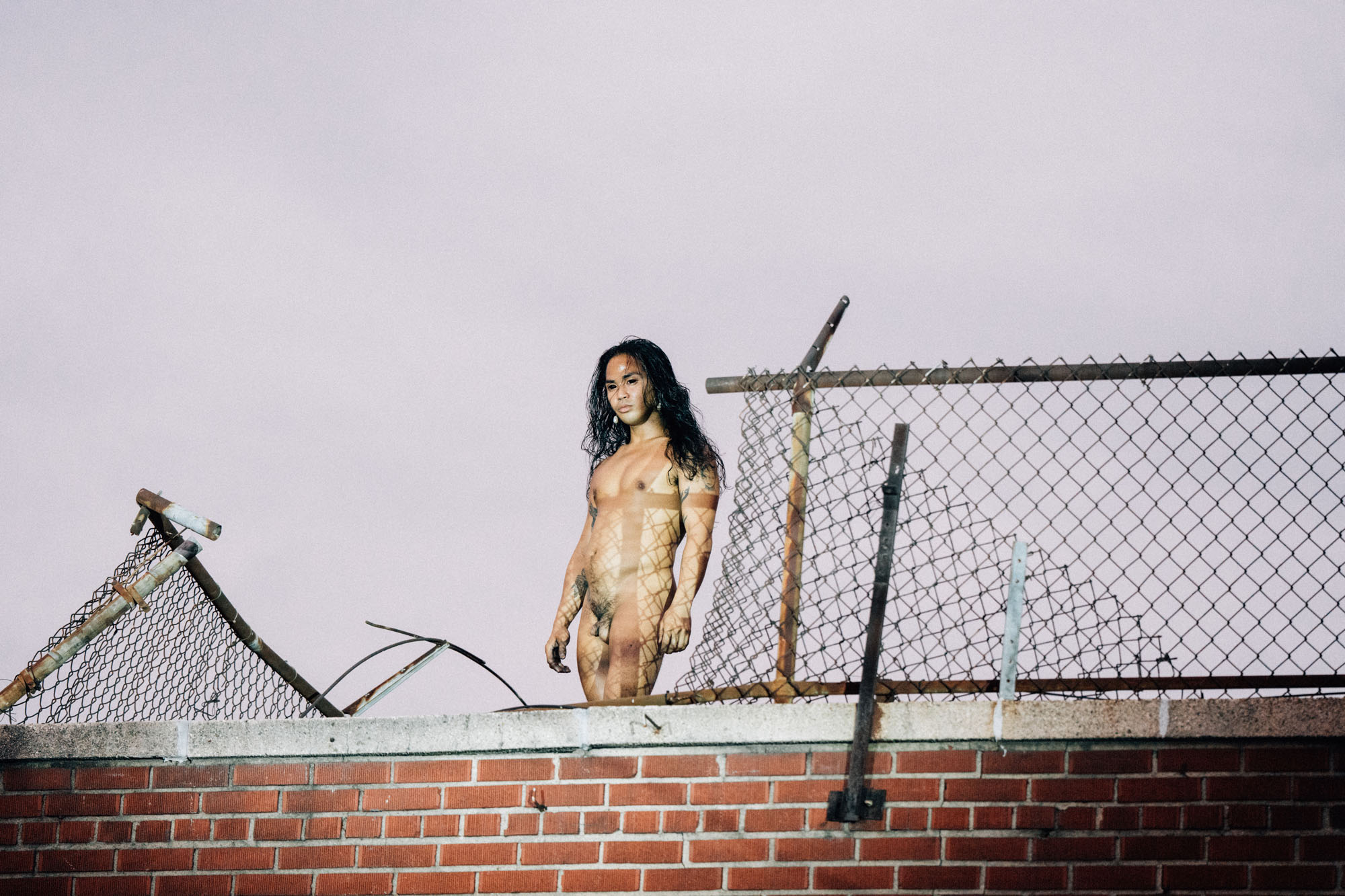
SV. Growing up as part of the dominant Chinese ethnicity in Singapore, in retrospect, afforded a troubling seamlessness. Otherness was literally other – someone else’s experience. A classic blind spot. And so, the transition from being mindlessly part of the majority to living and working as a minority in Australia was an epiphany, glaringly eye-opening. Jarring. Painful. Uncomfortable. One becomes non-existent, the ultimate form of disembodiment. At times, it produced a precariousness that could have been detrimental. But I choose to see this as a gift of true insight into the lived reality of the marginalised in all its myriad forms and contexts - a kind of gnosis, a knowledge from direct experience. This has meant that I have become acutely aware of my own involuntary complicities in reproducing the tilting power structures of bias and discrimination, not just in the context of any tier of power or dominance, but anywhere in the world where oppression, inequality and the vestiges of colonialism thrive or exist.
CNTRFLD. Having initiated one of Southeast Asia’s earliest feminist artist-run spaces in a shopping mall, you’ve worked to build public-facing platforms for art. Looking back, how do you view the evolution of support systems for artists in Singapore versus those you’ve encountered in Australia and beyond?
SV. In the early 1990’s, there was virtually no arts infrastructure to speak of, let alone the tiers of government funding that a Singaporean artist is able to access today. While it was a challenge at the time when 5th Passage was establishing itself as a periphery to the centre, I am gratified by the fact that we persevered to be self-driven, self-funding and community-minded. There was a glow of integrity in this endogenously driven process that generated new art audiences with the two resources on hand at a shopping mall - namely, the readymade public within the readymade public space. Looking back, I acknowledge the raw un-honed courage of our younger selves when Singapore’s visual culture was nascent and map-less, so to speak.
The multiple levels of bureaucracy, risk-assessment and compliance obligations are inescapable in any context today. Support systems that go a step further in providing transparent and meaningful feedback to assist applicants in understanding grant outcomes is really useful and beneficial to understand how practices are perceived, weighed up, and judged in a competitive arena. Oftentimes, this can be a shock to the system, which had presupposed other “weights” of judgement.
CNTRFLD. As Singapore marks 60 years of independence, AP60 invites reflection on what it means to be Singaporean in a globalised world. For you, what does “home” mean now—and how do you see your role, as an internationally based artist, in shaping or reimagining Singapore’s cultural identity from afar? Could you tell us more about this new work at Gajah Gallery—what ideas or materials are at play, and what audiences might expect to experience?
SV. “Home” is as mobile as the individual in the globalised world of today. But ultimately, it is a primal landscape etched indelibly into our hearts and mind.
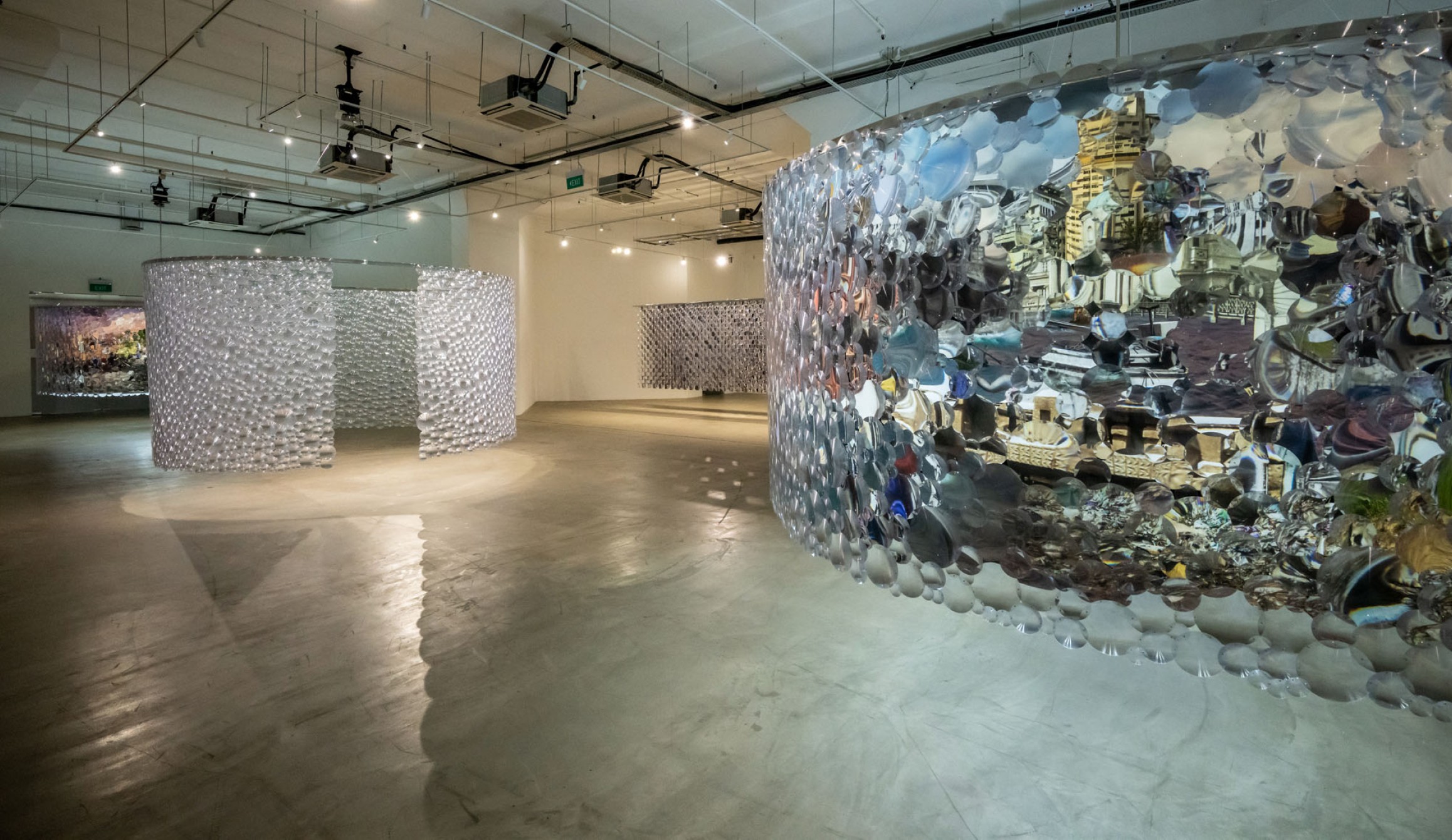
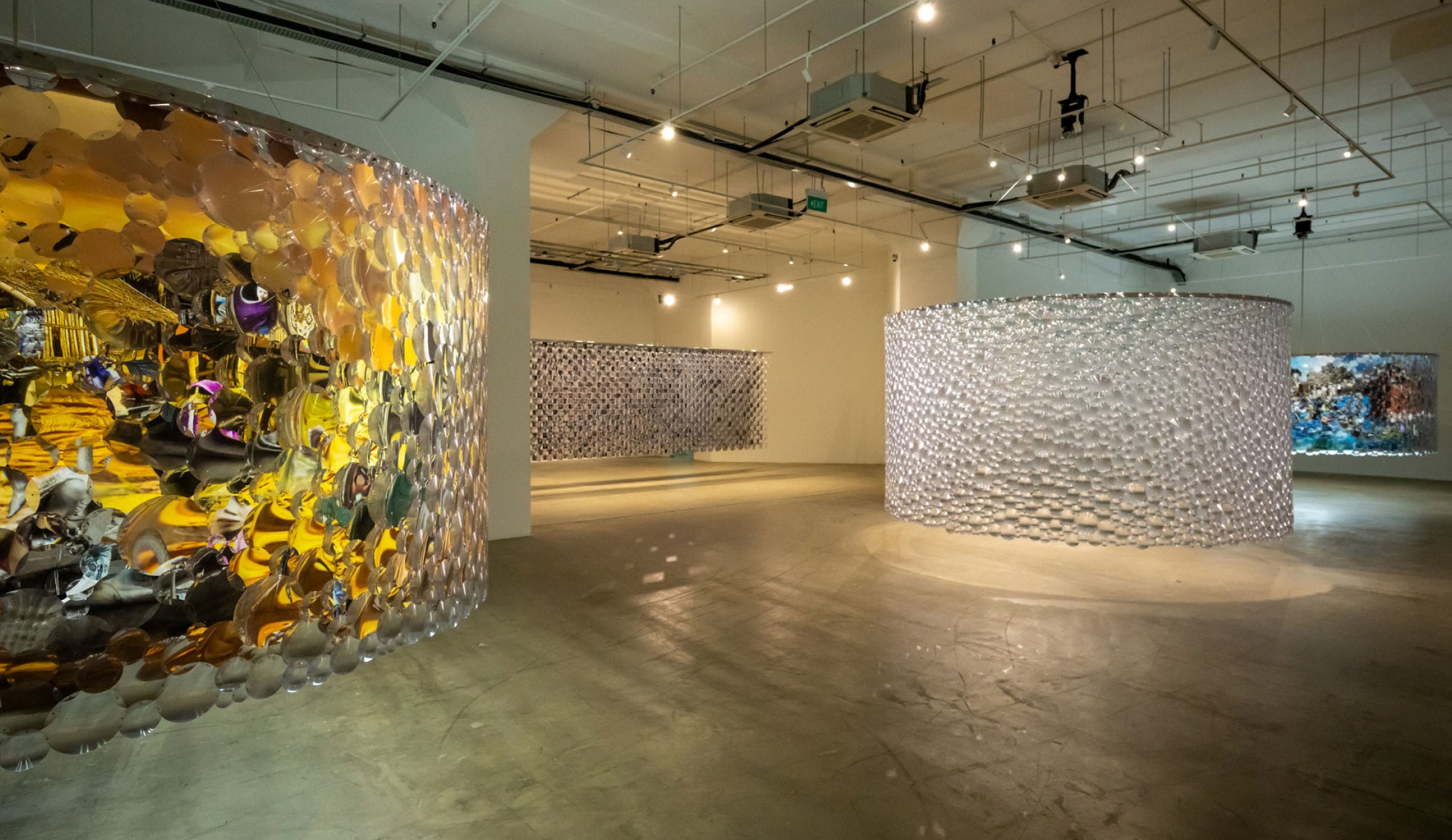
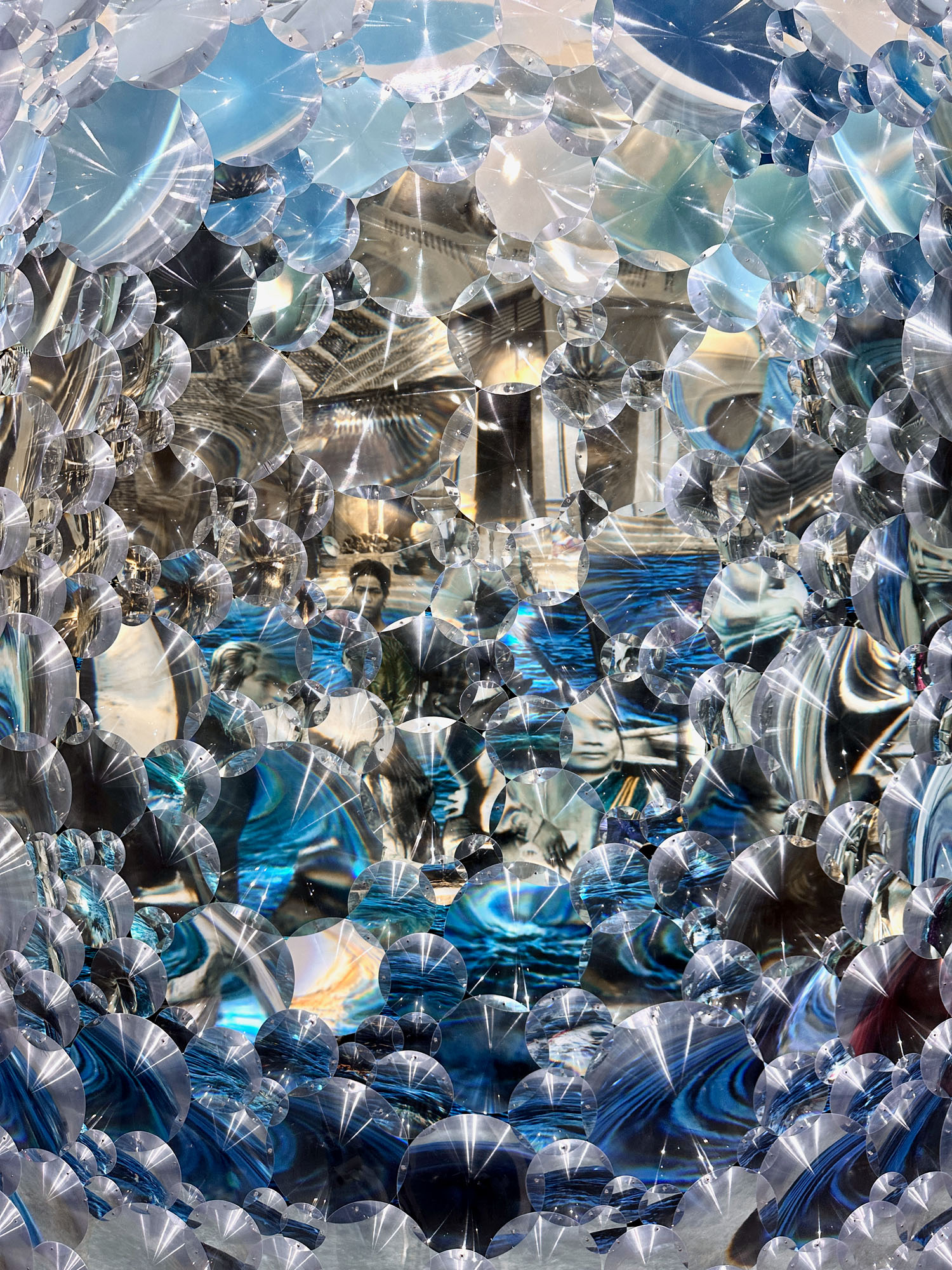
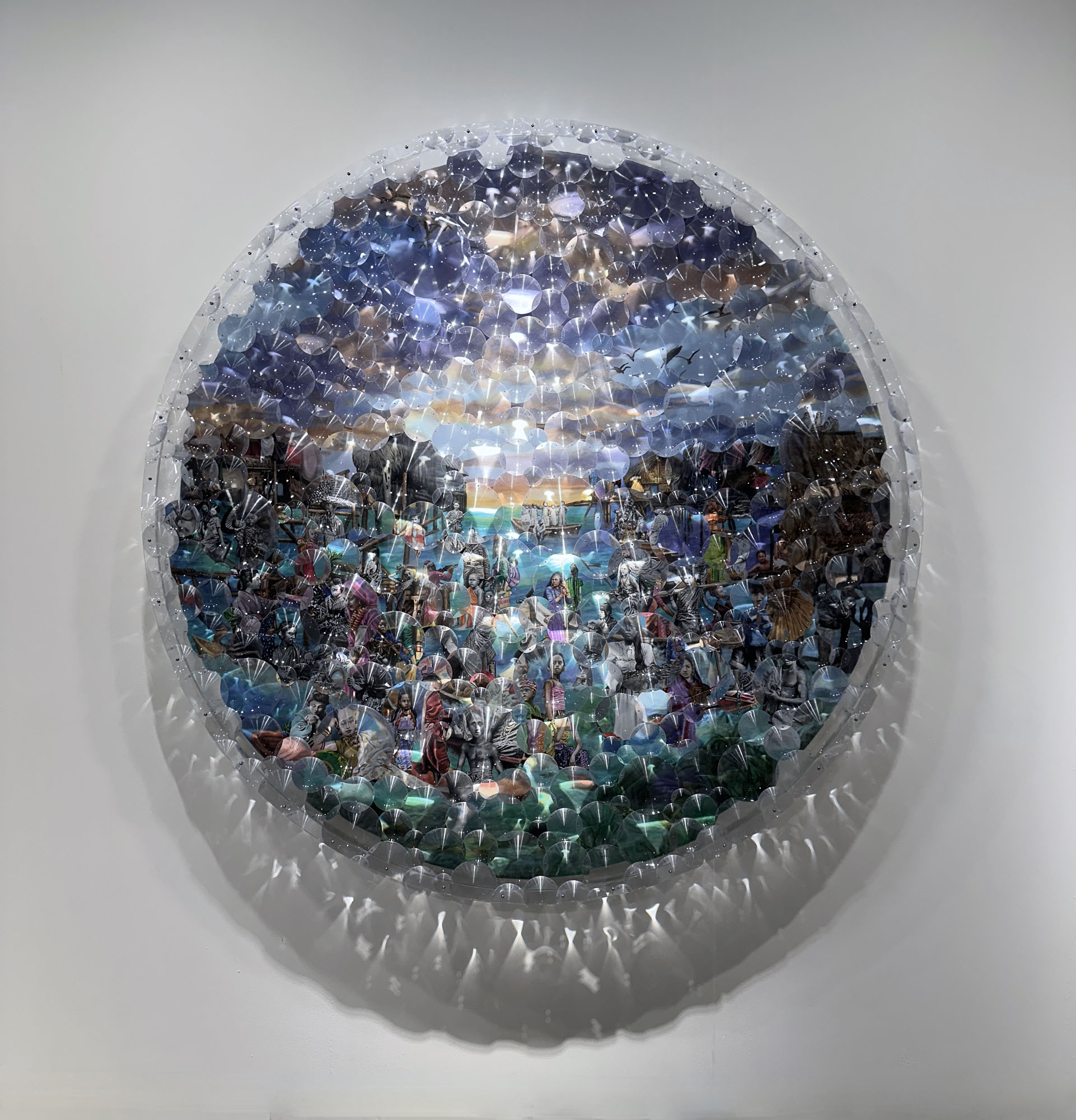
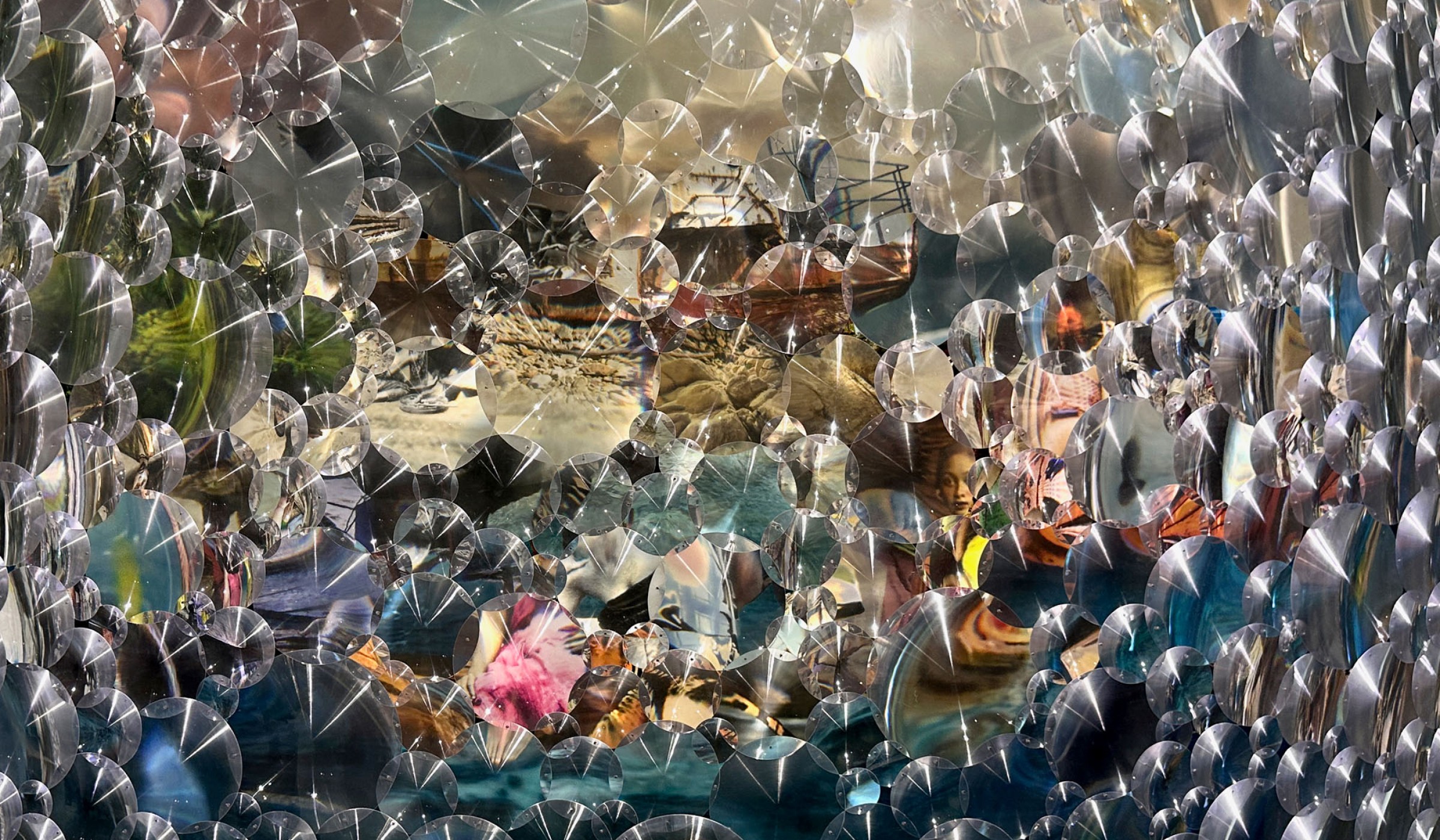
Singapore’s historic achievement of her 60th year of independence from British rule is marked by milestones of time, even as it continues with forms of decolonisation. The solo show at Gajah Gallery stages histories (rather than history) – histories-in-process, and as-process. Histories that are alive and open-ended. A Thousand Histories converts the space into a cinematic arena that physiologically and perceptually impede the acts of hierarchical looking and representation in colonial-era photographic and postcard imagery. As the imperial eye consumed and spat out shattered worlds in the form of photographs, it also exerted the capacity for colonial visual documentation to remain frozen and unchanged over time.
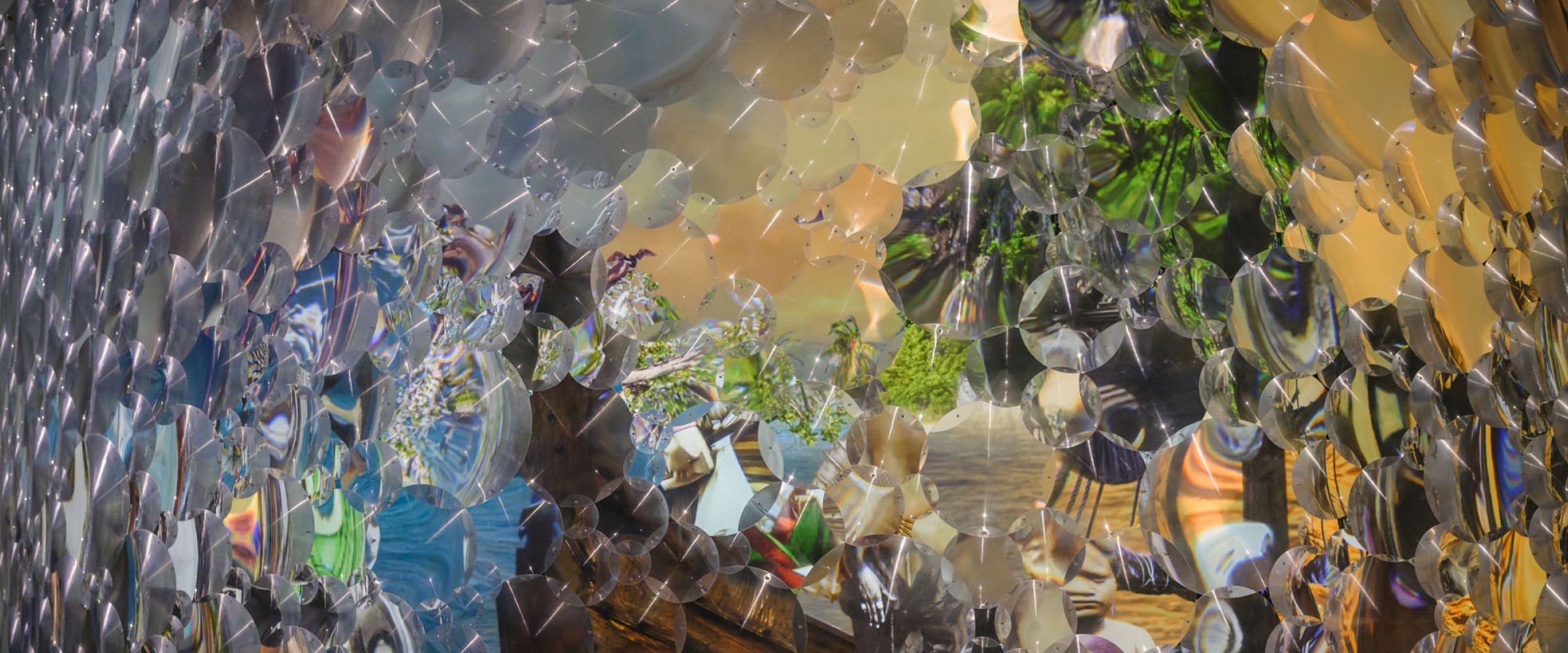
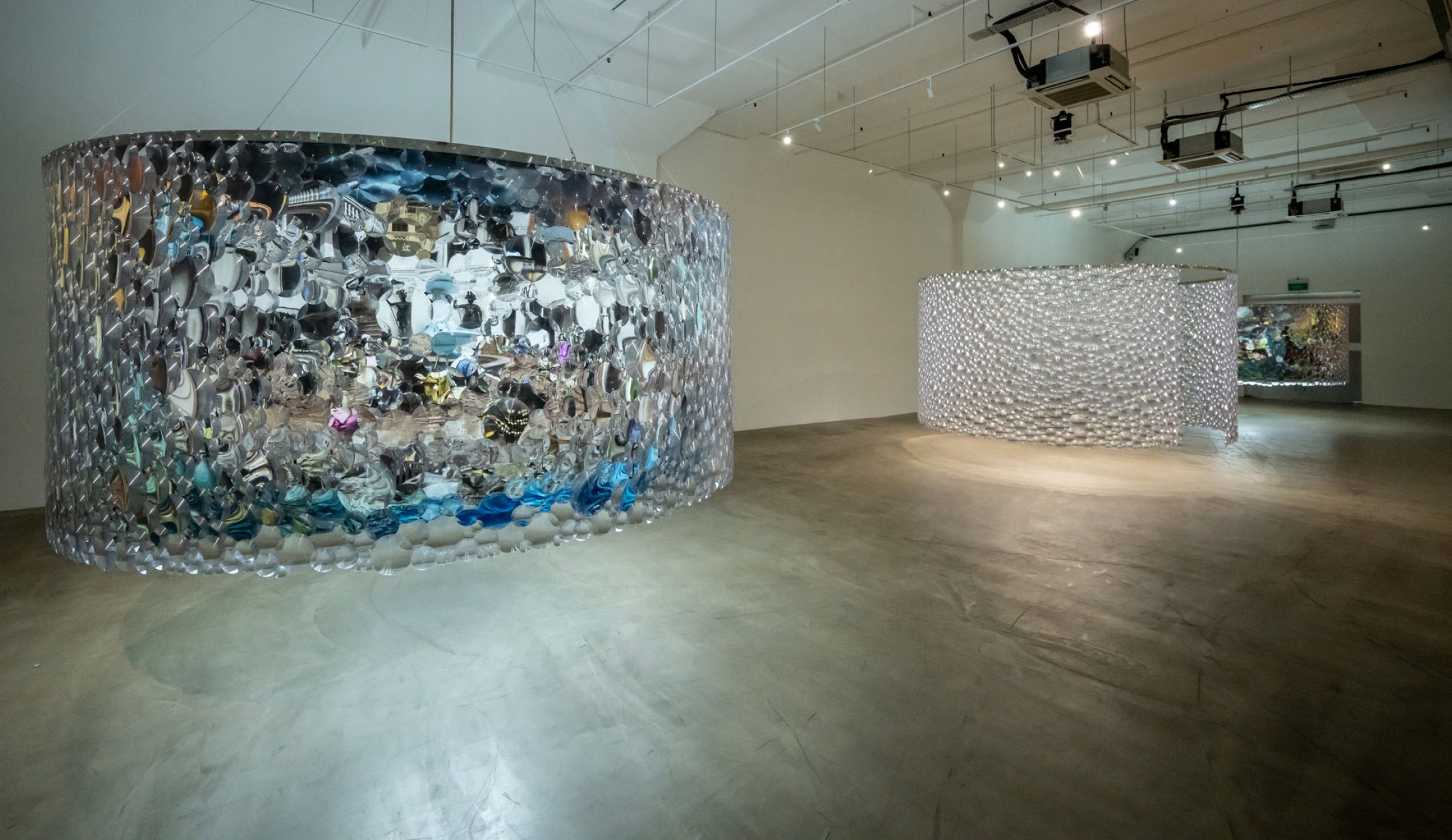
A Thousand Histories rematerializes these very moments of early colonial encounter into a landscape of modernity to display the trauma of our times. Instead of unobstructed views, the audience is confronted by a “lens-scape”– an interface of lenses - through which the image behind is conceived and perceived. The imperial camera’s one-directional gaze that the ‘not yet subject’ were previously exposed to, fixed and shot by, is dismantled by the all-ingesting gaze of thousands of lenses for a rewriting of colonial images into an ethnography of illegibility.
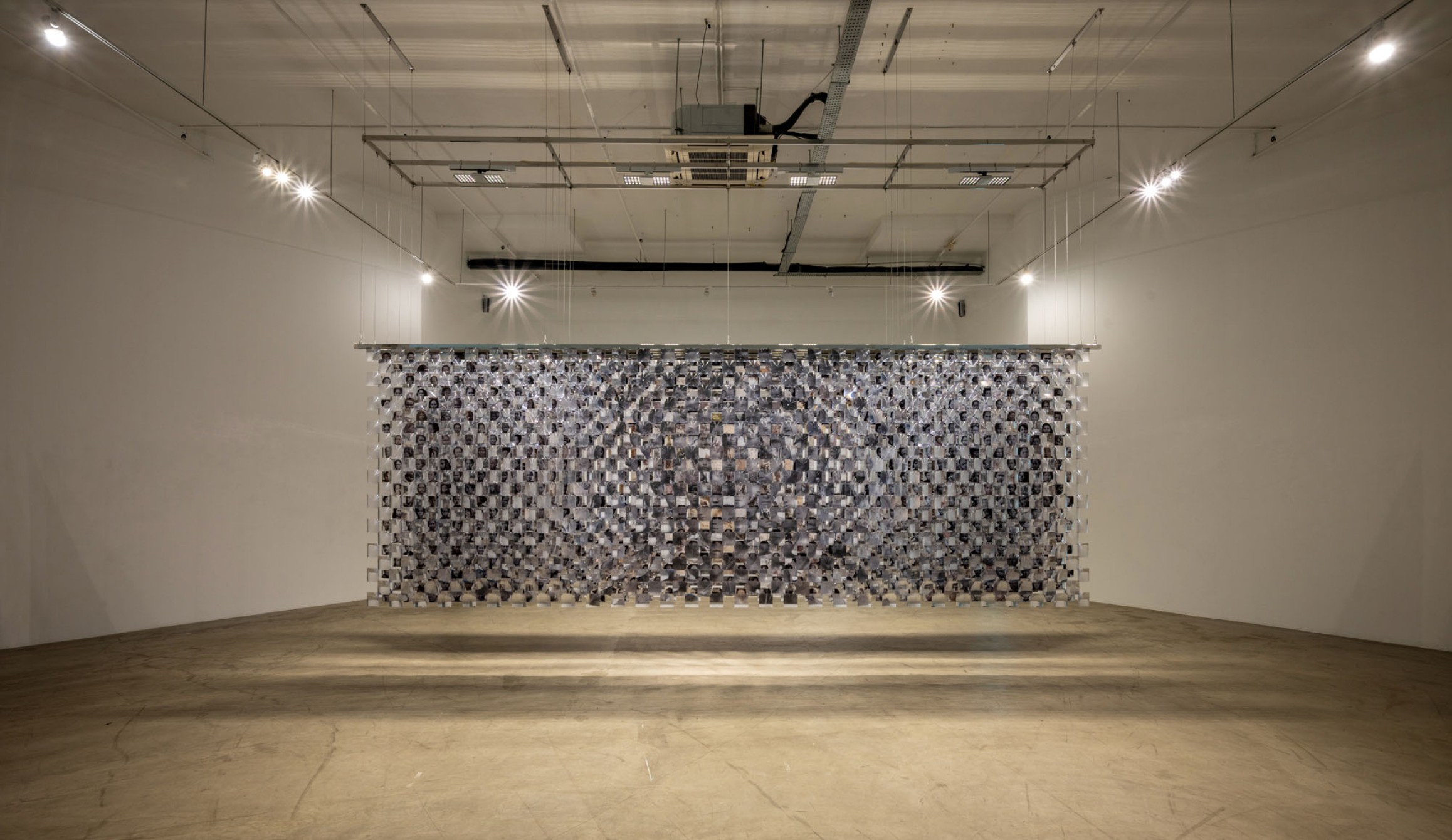
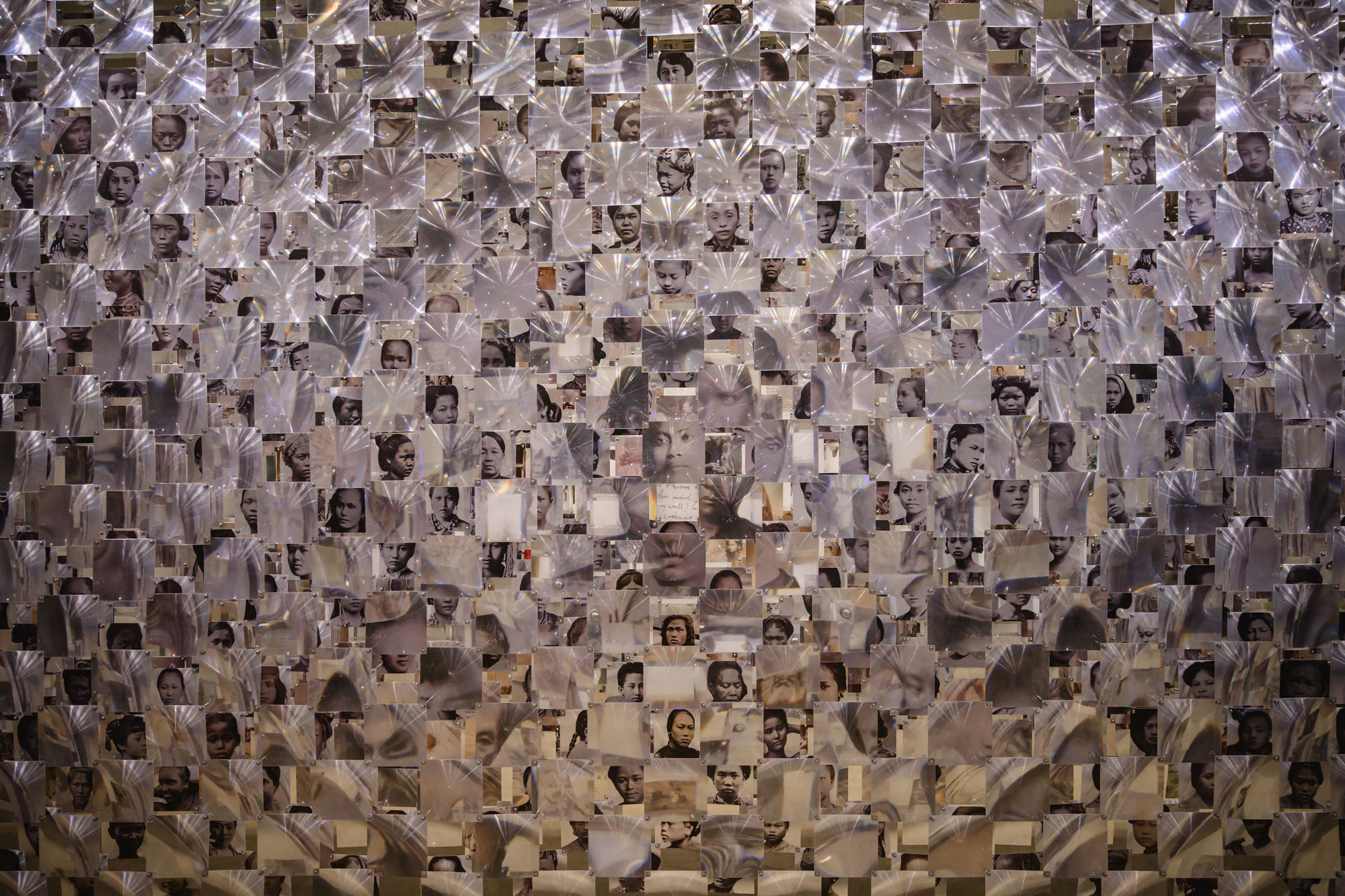
Dominated by three monumental kinetic lanterns, each display a backlit image rotating behind thousands of circular lenses. These orbiting sculptures invoke the all-surveillant architecture and vision technology of the panopticon – only to disavow by performing its anti-thesis. In an iconoclastic orgy of vision, every inch of the backlit image is palpably fractured into pieces by the lenses - optically splintered and spliced before one’s eyes. Contrastingly, magnified facial details from a set of floating panels comprising 4,026 printed lens-photos optically gather from across its 6m width into an “exploded” collective face that not only meets the viewer’s eye, but seamlessly change and “stalk” the viewer as s/he is repositioned along its frontal aspect, all the while pursuing a return gaze, live, and in the moment.