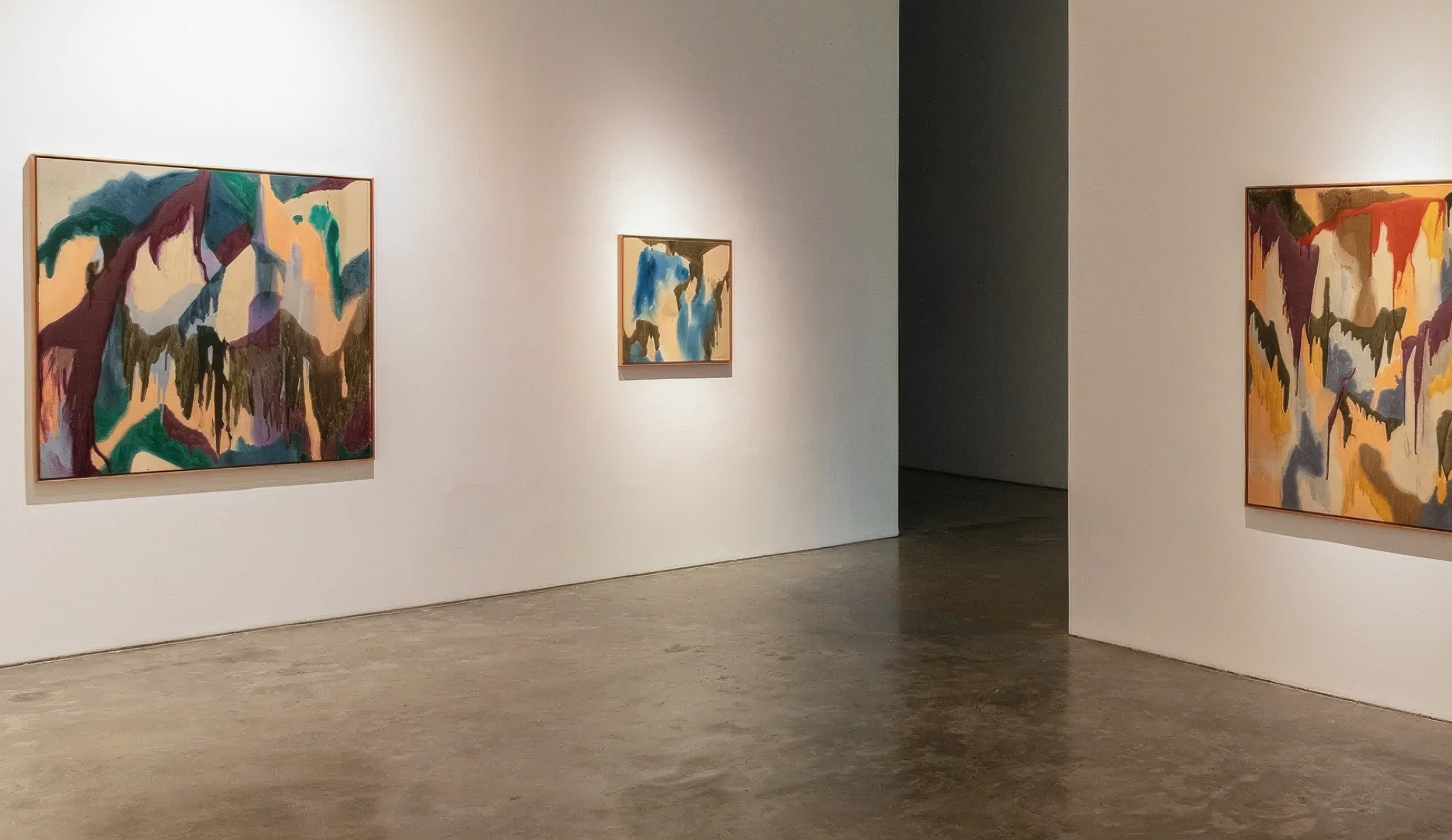
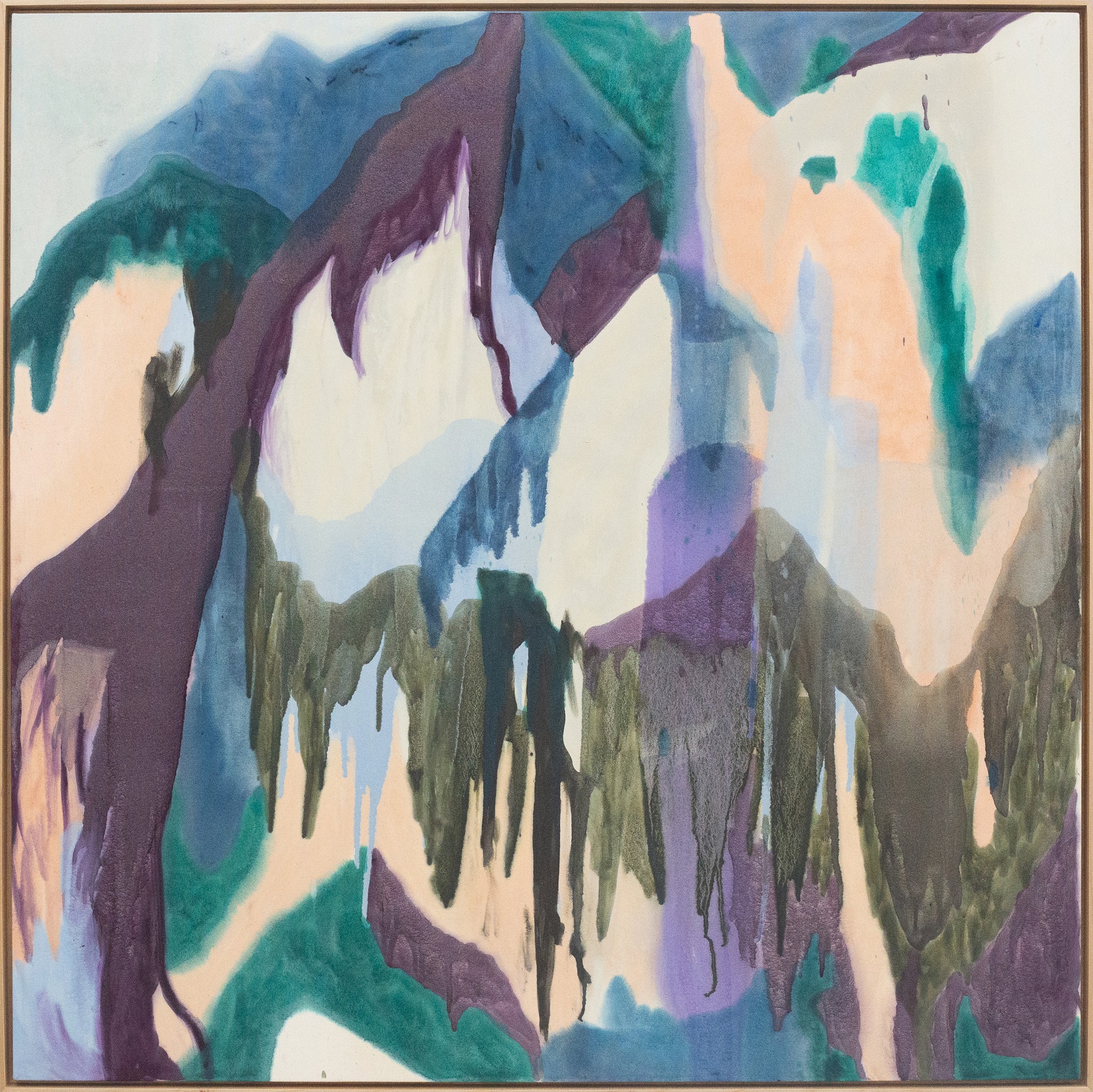
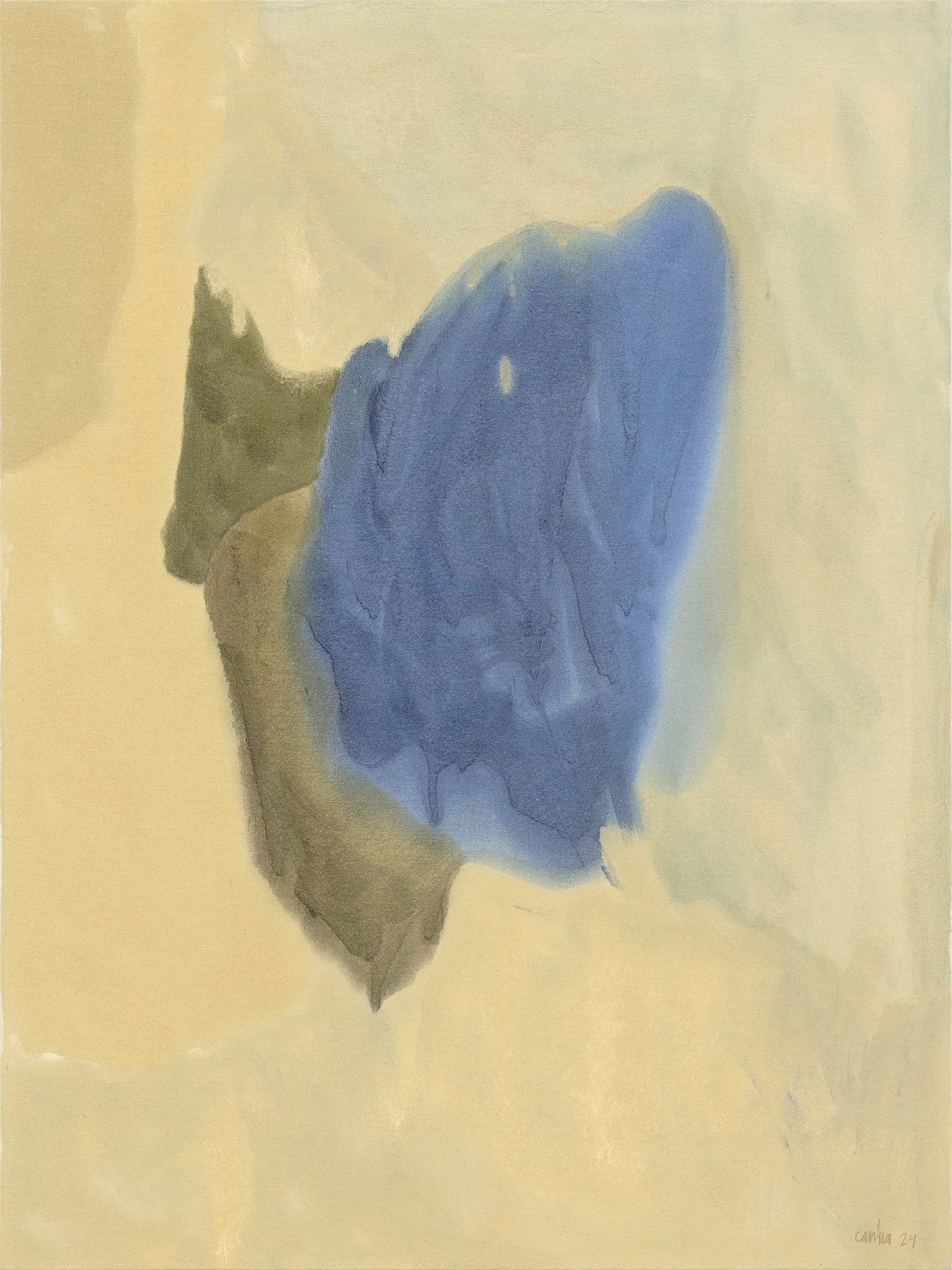
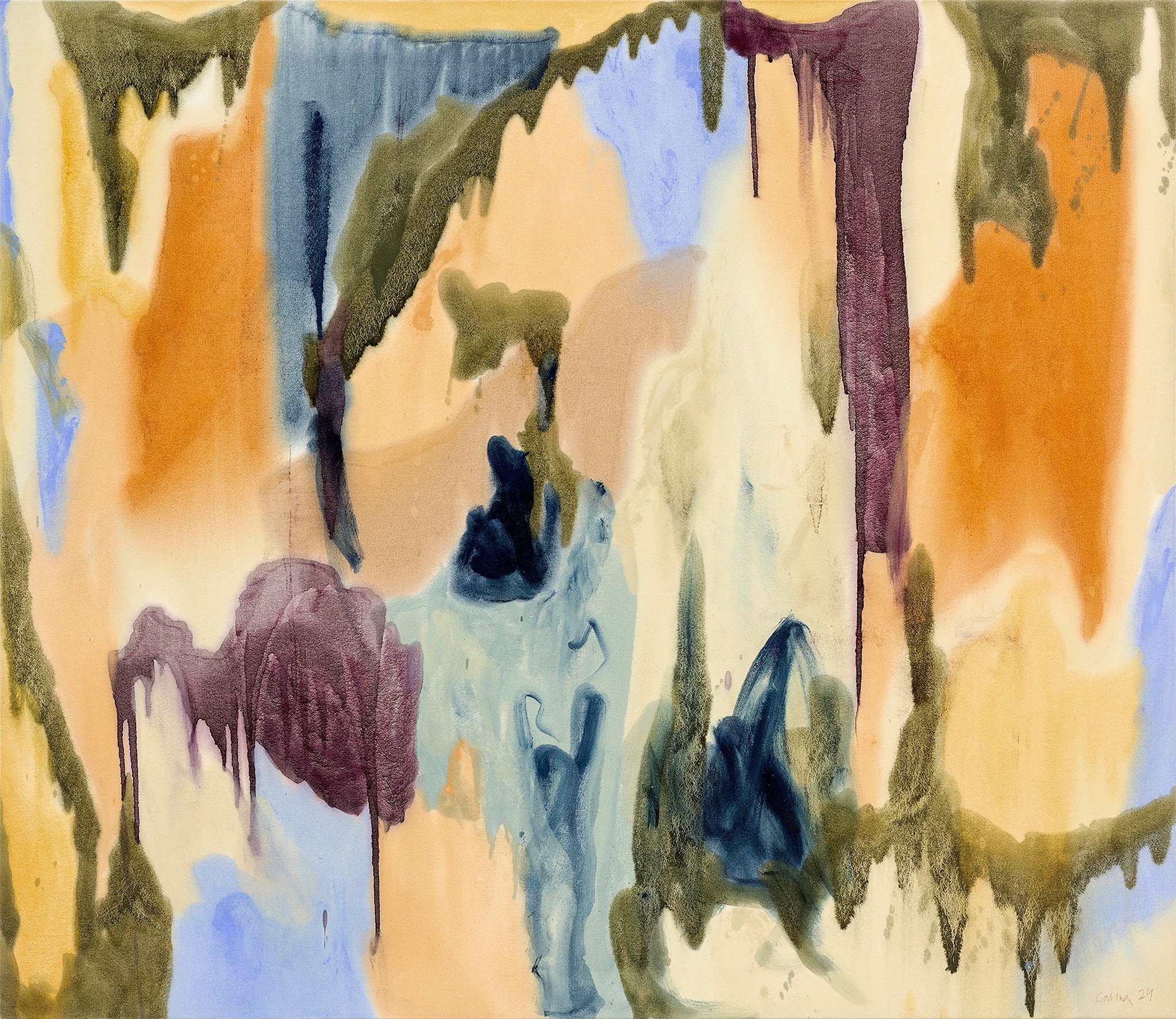
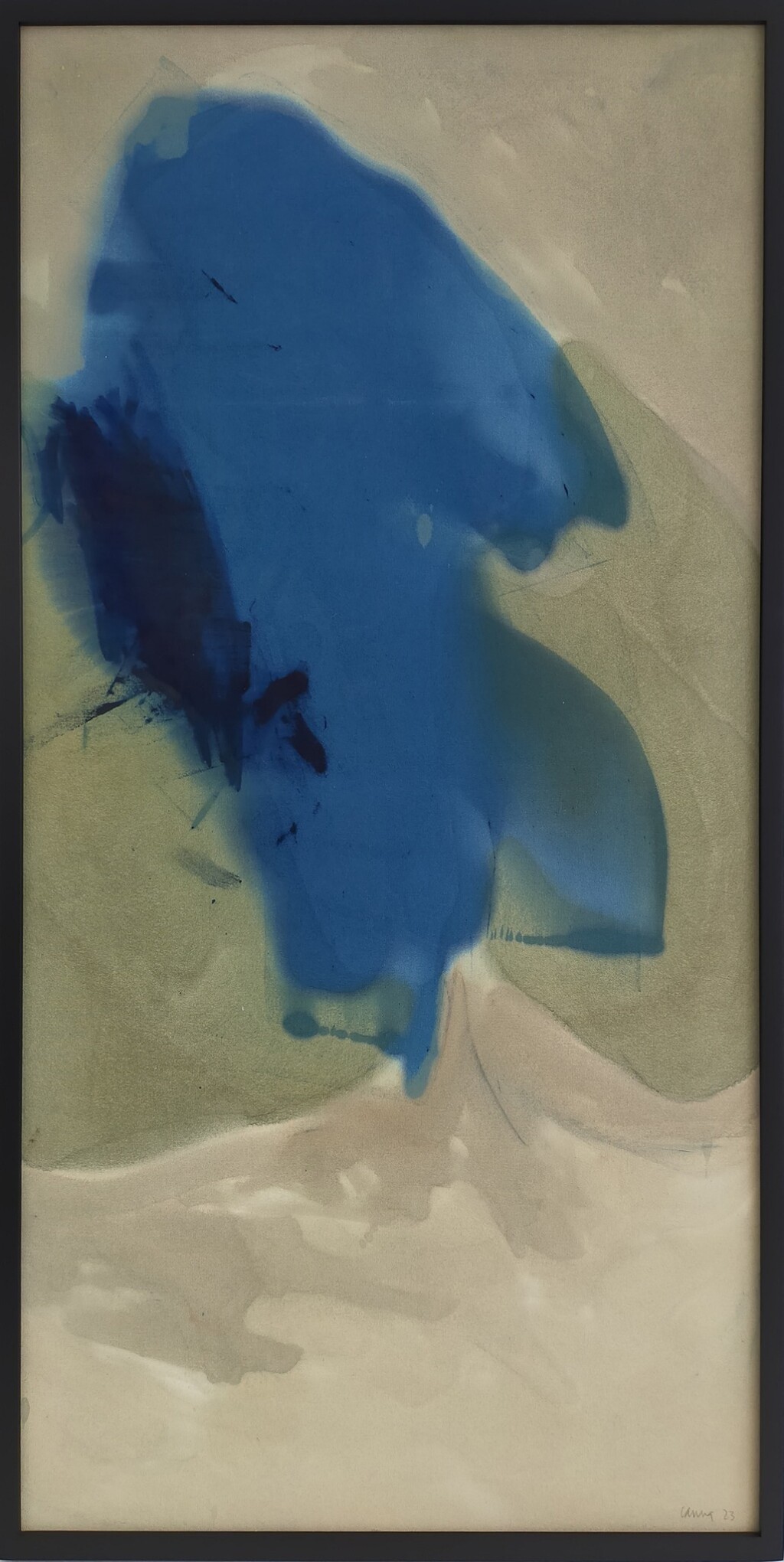
CNTRFLD. The family exhibition at Silverlens in 2024 brought everyone together after ten years. What was it like seeing all your work side by side again, and did it shift how you think about your own practice?
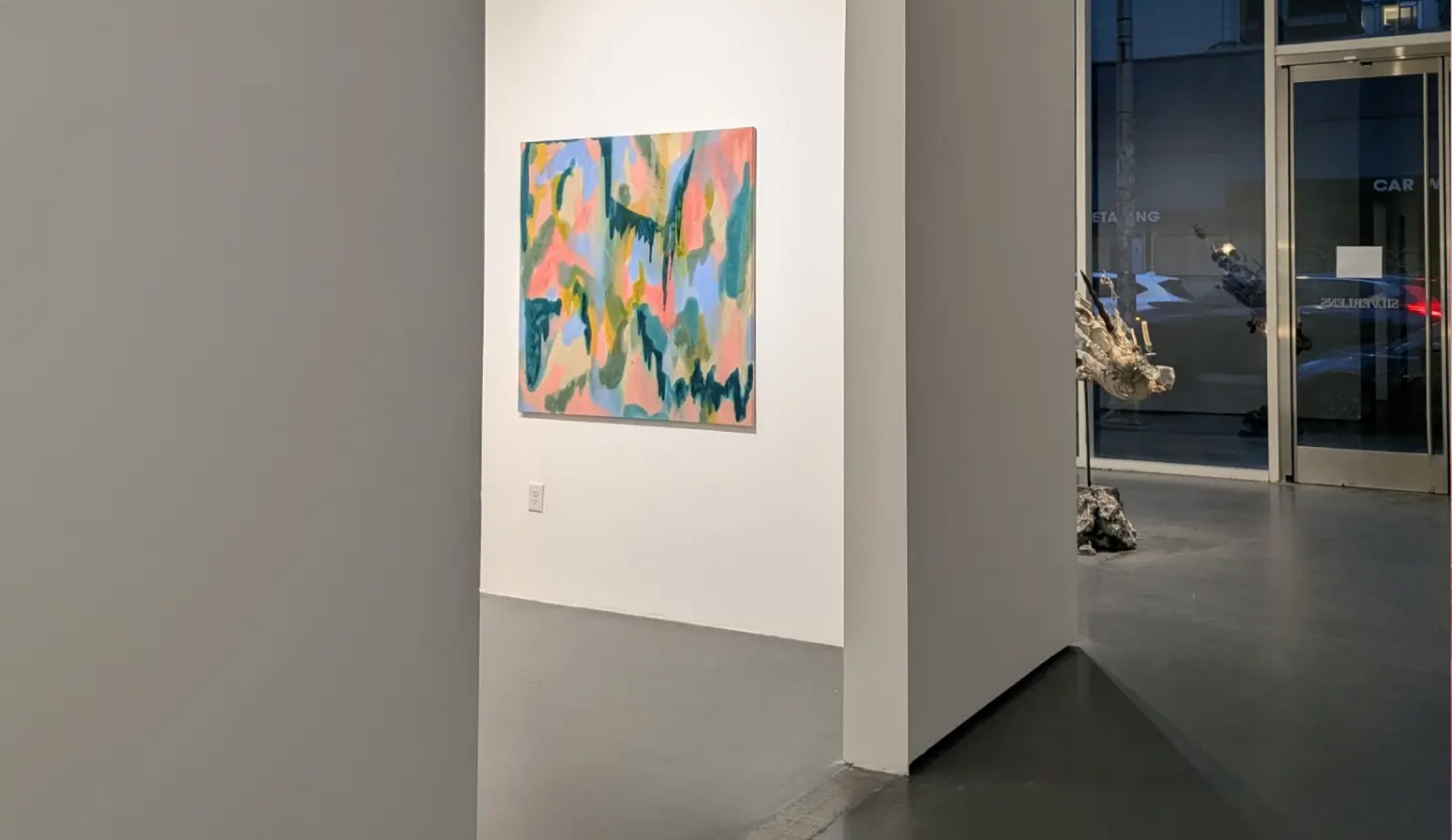
CS. It was really nice because when the first exhibition happened, it was very early in my own career and in hindsight, I felt like a kid who was asked to participate just so they could be a part of it. My pieces were mainly collages on decks of playing cards and then some photographs I had taken, printed on watercolour paper, and then distressed. With this last show, I felt excited to present my new work, and it was so amazing to see for myself how it’s progressed from then.
I’m so familiar with my family’s work because I write their exhibition notes, so I’ve spoken to them at length about their ideas and processes. I was so proud of their work and that other people were able to experience them, too.
Living between London and Manila.
CNTRFLD. You split your time between London and Manila. What does each city give you creatively — or in life — that the other can’t?
CS. I definitely had a more comfortable life in Manila, given that my family is there, as well as most of the friends and peers that I grew up with. I also have more social comfort there, as I know more about the art scene and am more familiar with the machinations of the local contemporary art world. I feel also feel more support in many aspects, as living in London can be a bit scary because it’s so precarious and uncertain. It often feels like I can’t spend too much time on my work because I am on survival mode, if that makes sense.
On the other hand, in London, I have my own space and my own life. I think a lot of the turns in my new work was really inspired by a lot of factors in my life, such as having to juggle full-time work with a creative practice, staying on top of keeping my flat in order, trying to establish a structure around which I built my work. There is also, of course, a bigger international scene here. It’s harder to exist as a contemporary artist here, especially compared to how I was able to start my career in the Philippines as someone who grew up around that industry anyway, but I’ve learned that it’s okay to bet on yourself and see where you end up.
Diasporic perspective.
CNTRFLD. As a Filipina living and working in the UK, how does living abroad influence your work? Is it something you think about consciously, or does it sneak in more subtly through your materials and process?
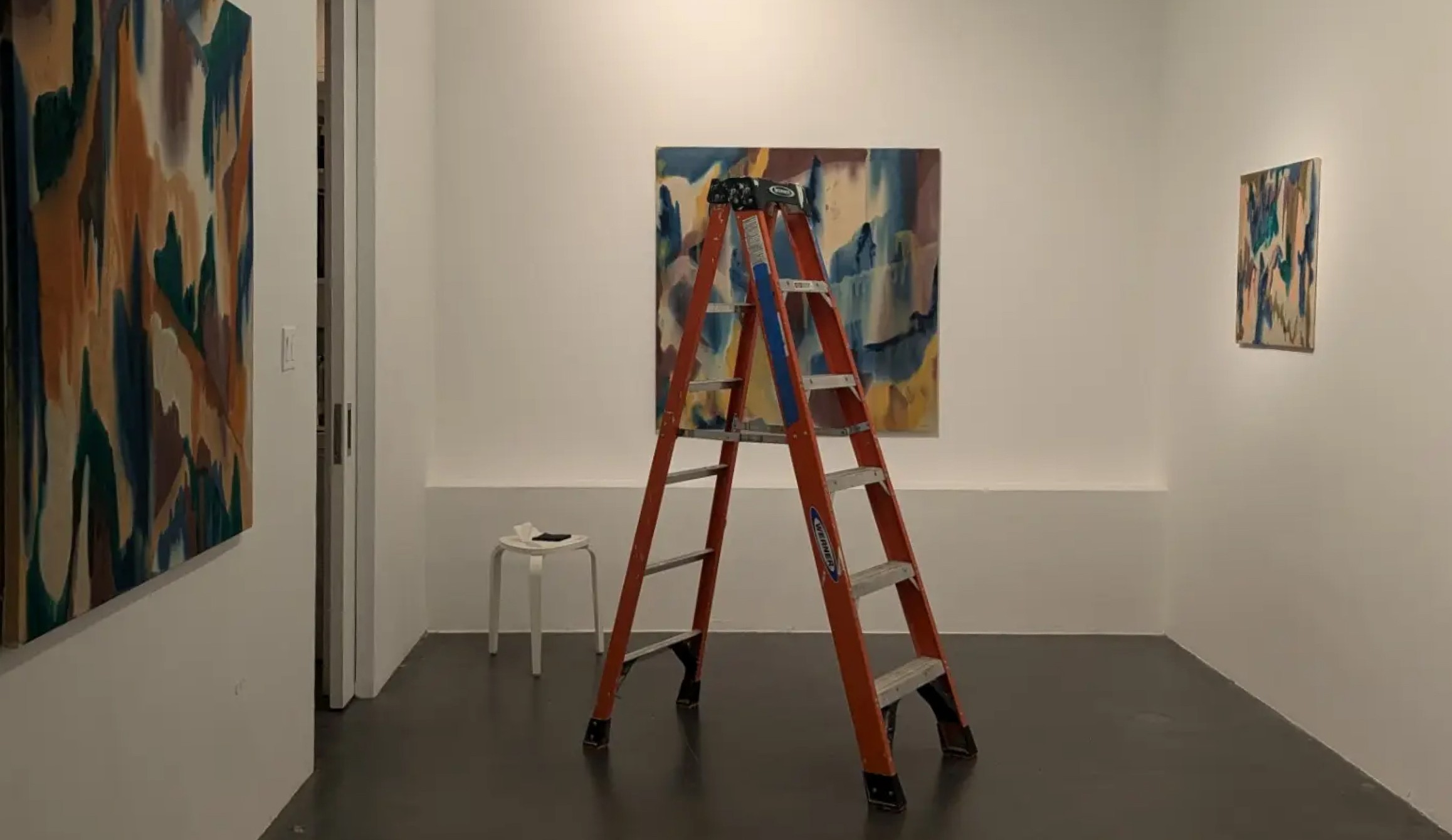
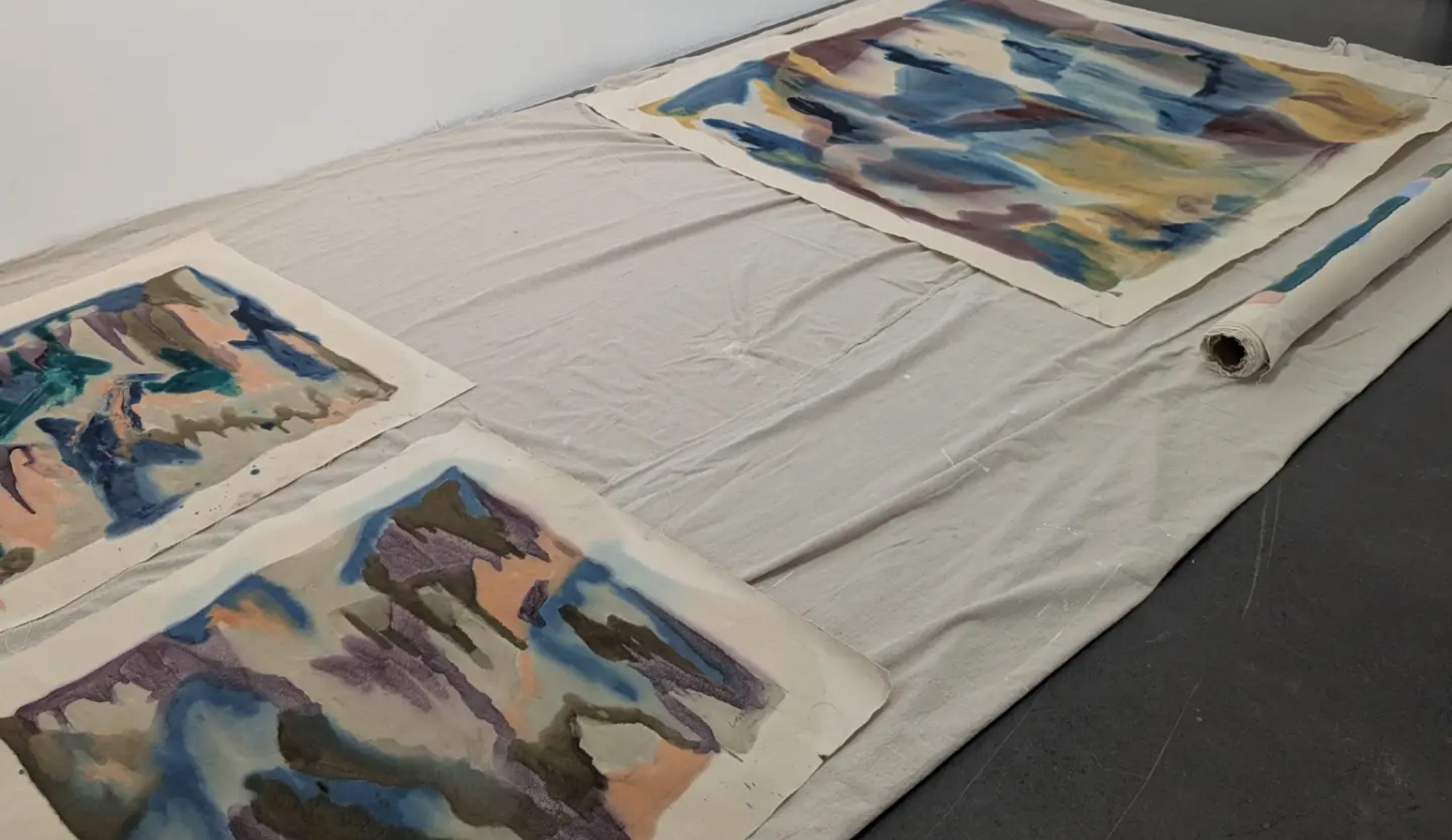
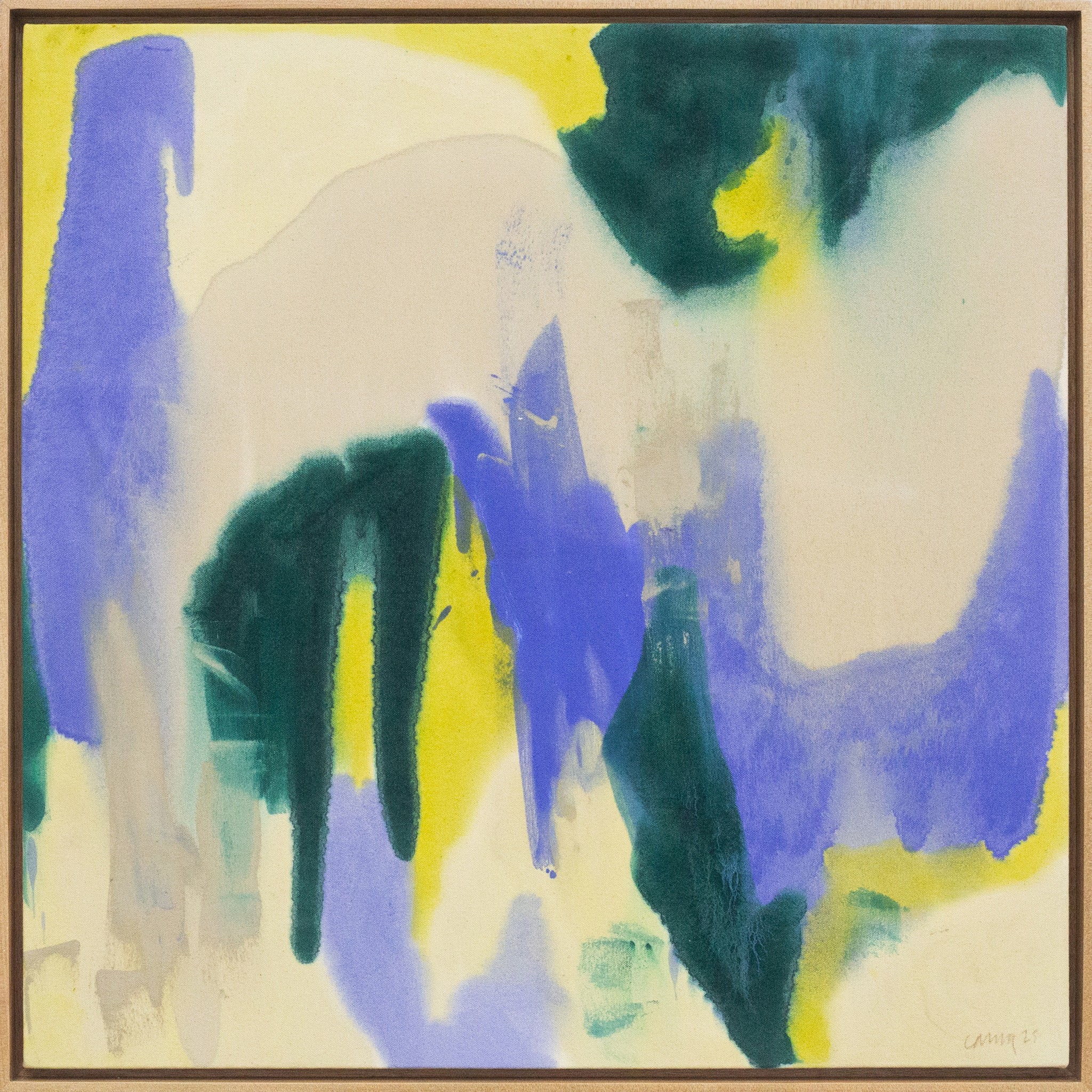
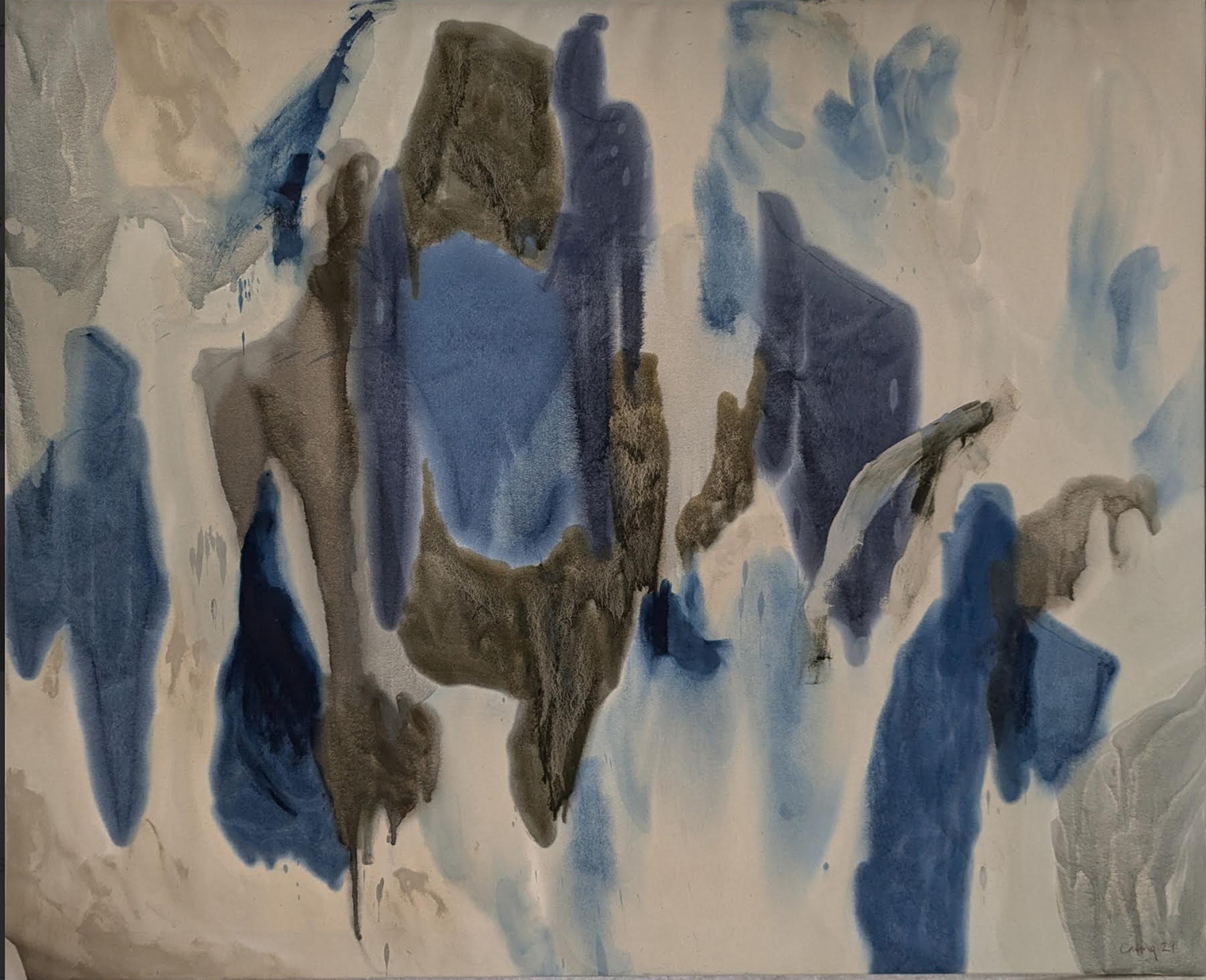
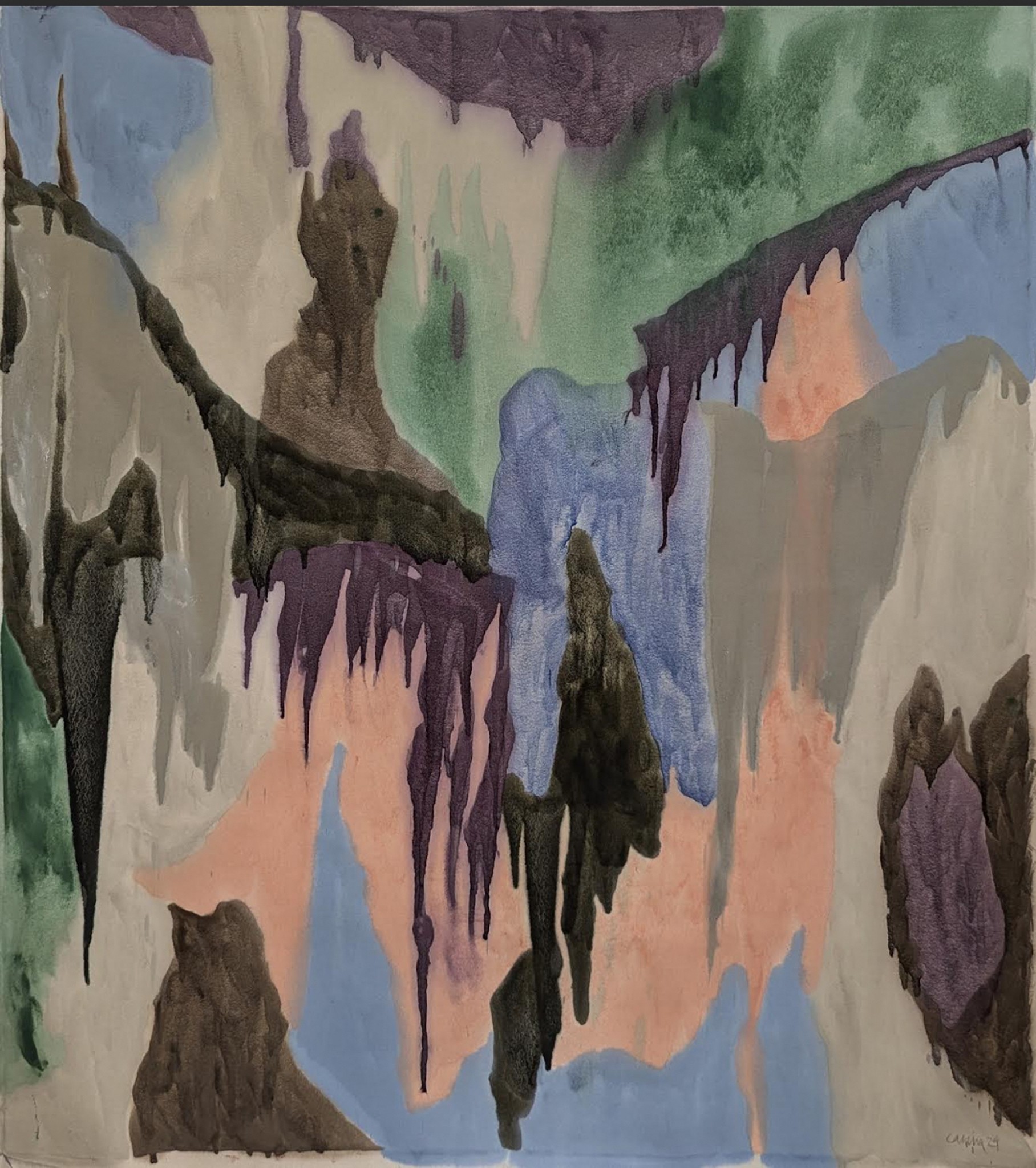
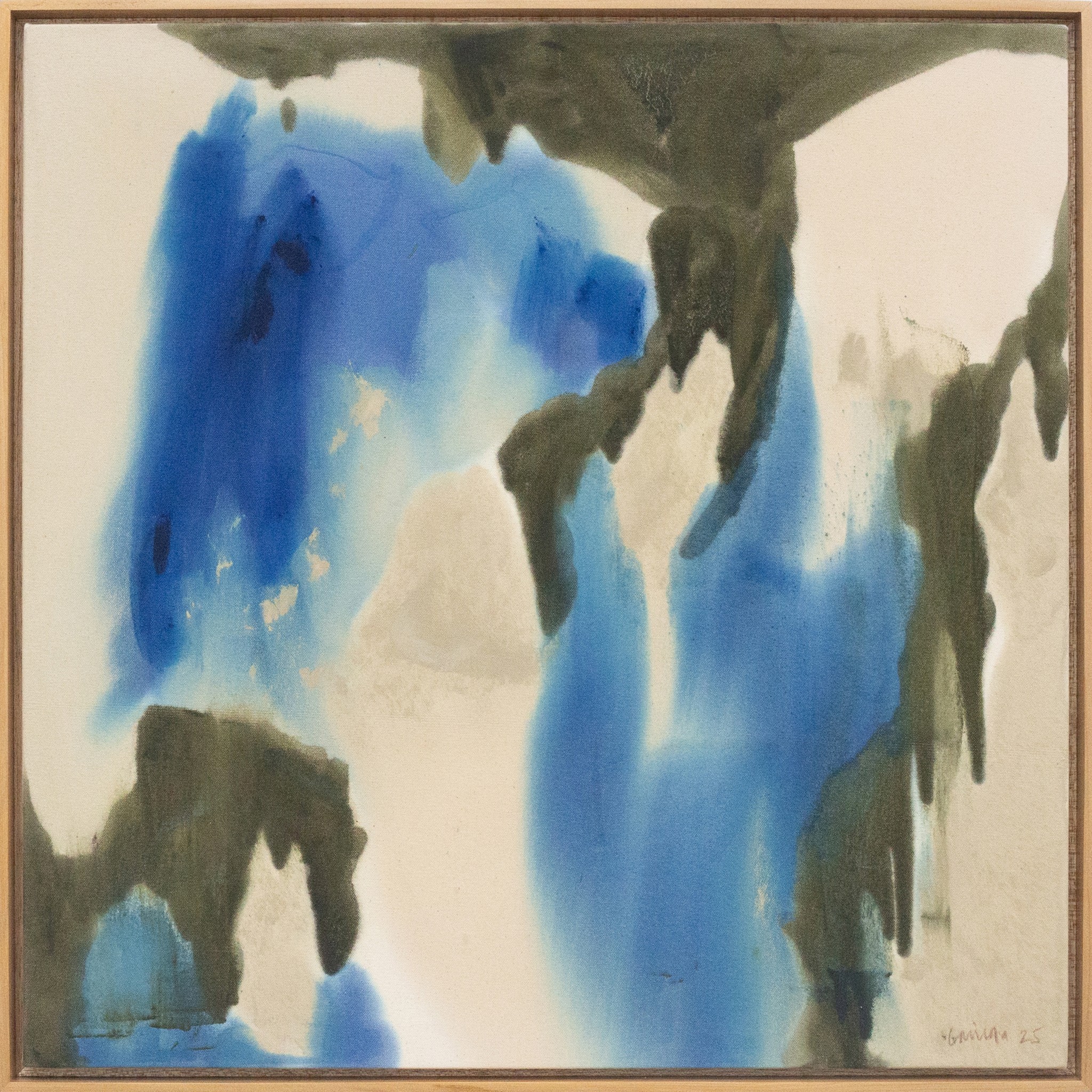
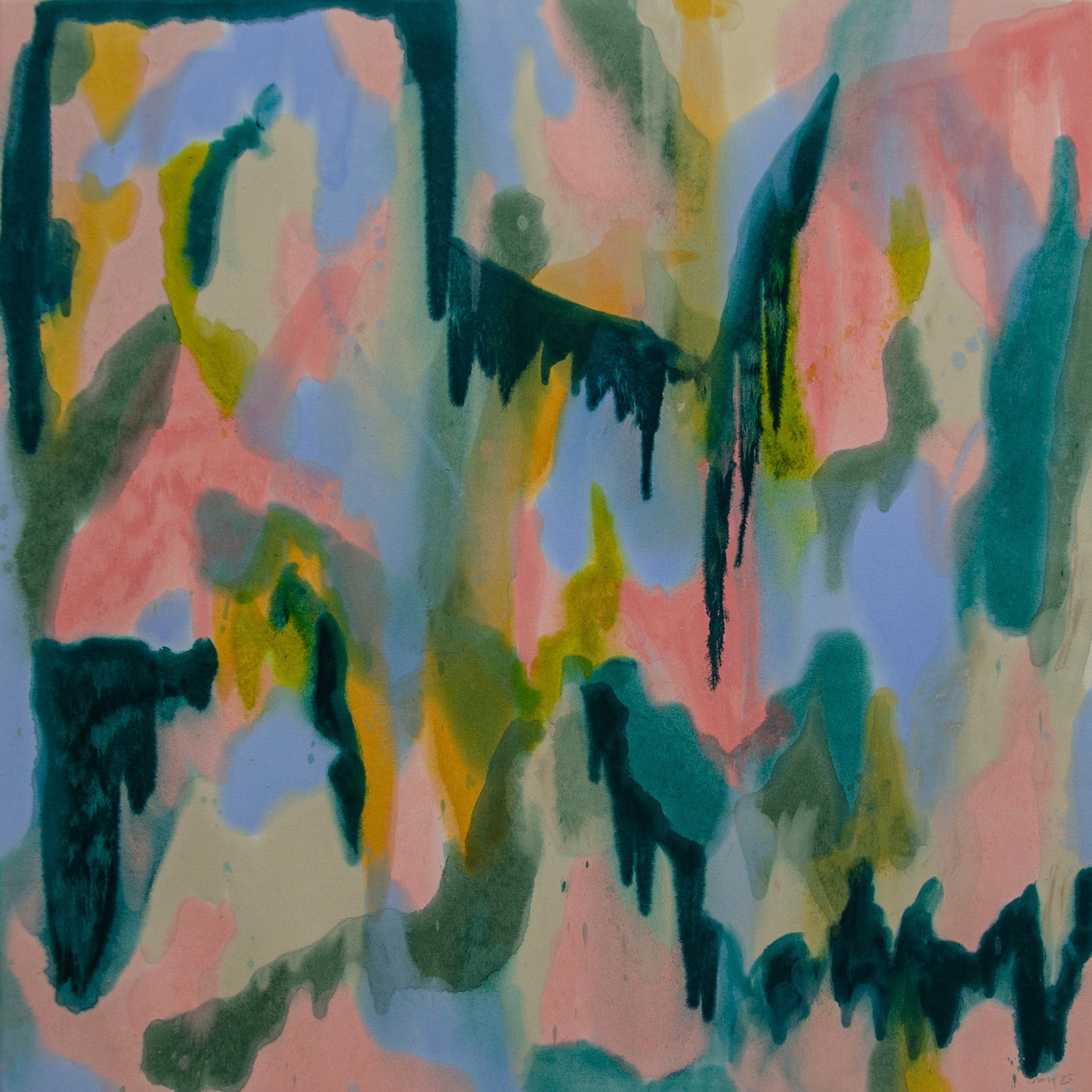
CS. I think there’s always parts of your life that sneak into your work. That’s true for me, anyway. For me, a large part was figuring out how to make work in the limited amount of time I had when I started exploring these pour paintings. I was working a full-time onsite job in Central London and had to really carve out the time to go to my studio in Hackney Wick. Compared to my earlier painting process, this suited my life at the time more, because it was a more immediate process driven by instinct and muscle memory. It didn’t require me to spend as much time in the studio as I used to have to.
Other than that, the perspectives and breadth of work I’m able to consume reflects on my approach to making art. I don’t spend so much time delineating between the work I produced before and after I moved cities, but I do sometimes hear from others that they have seen a shift marked by this transition. So, it’s not an incredibly conscious change, but I suppose I do move with a bit more confidence these days.
Creative communities.
CNTRFLD. You’ve worked in the Philippines, the UK, and elsewhere. How do the artist communities and support networks compare? Where have you felt most encouraged or challenged?
CS. Support in these countries exists but in different ways. The government in the U.K. explicitly offers more in the way of monetary support to artists in general (not that I’ve experienced this myself, but I know it’s there) and I find that I’ve felt more supported by the art community in the Philippines. It’s possibly because of my position there as the daughter of artists, but I’ve found it harder to establish a network here, despite going to a pretty notable art school for my masters. London is such a transient city, so it’s hard to keep connections and relationships alive, as so many people move away so often.
I’ve also really only began focussing on my practice, as I’ve had to work a lot of different day jobs to be able to afford to live here. There are a lot more opportunities for artists here, but there are also a lot more artists vying for the same support and recognition. That pool is further skewed by people who can afford to work on their art full-time and those who have other responsibilities such as having to have a day job or having to be a caretaker. During my schooling, I’ve joined a lot of communities — mostly based on printing and publishing — that were helpful and supportive, but as I mentioned, life does get in the way, and often I’ve felt like I’m living on an island.
Cooking and creativity.
CNTRFLD. You’ve mentioned loving to cook — do you find any connection between making food and making art? Is there a recipe or dish that sparks ideas for your work?
CS. I think both activities quieten my mind. I’ve found both to be very meditative and nourishing practices. I don’t have a specific recipe in mind, but I approach both quite similarly in that I go by instinct and work armed with a familiarity with how each ingredient or material reacts with another. By working with these things long enough, I’ve developed an intimate knowledge of taste or colour, and it often just feels like freeing, creative work.
Knitting as practice.
CNTRFLD. Knitting is one of your hobbies — do you approach it like a meditative practice, or does it inspire your artwork in unexpected ways?
CS. It is a very meditative practice for me and is something I do because my mind is so restless. It helps me focus and calm down. I’ve already actually incorporated a knitting piece in one of my earlier exhibitions, and I’m working on re-introducing it into my practice in a way that makes sense, as I’m often knitting garments or items of utility.
I inherited a toy knitting machine that takes the more laborious part of knitting out of it and am hoping to see how much I can push the boundaries of craft, technology, and material by experimenting with knitting.
Advice for others.
CNTRFLD. For other artists trying to balance multiple disciplines, or navigate being a diasporic artist, what’s the most important advice you’d give about sustaining a creative life?
CS. I have generalised anxiety disorder and severe depression and what really helps me to function at all is establishing some sort of routine to get myself out of bed and simply do something. I’m currently freelancing as a design consultant as a form of stable income, but when I was employed full-time, it helped to intentionally carve out time for these creative activities, whether or not the inspiration is there. I write everything down. I collage random packets in my journal. I take footage of everything. I read, go to exhibitions, consume things, whether they are obviously helpful or just to unwind. When all else fails, my father’s father — also an artist — has always said: clean your space. It helps reset your brain and disposition. And, when the weather is nice, it’s a good idea to take yourself out on a walk.
You don’t always have to be producing work to be creative. Small things and actions towards sustaining a creative life count, too, and these small things add up and inform your work better.