“By drifting with the currents of people, sediment, and power, we hold the belief that planetary interconnectedness is not an abstraction, but something that can be sensed, embodied, and lived.”— field-0
CNTRFLD. Pure Intention at SB2025
SB2025’s theme, pure intention, asks audiences to explore the city through art that reflects its histories, rituals, and lived experiences. In Drifting Bodies, you trace connections between energy networks and affected communities. How did the theme influence your approach, and what do you hope audiences take away from experiencing it?
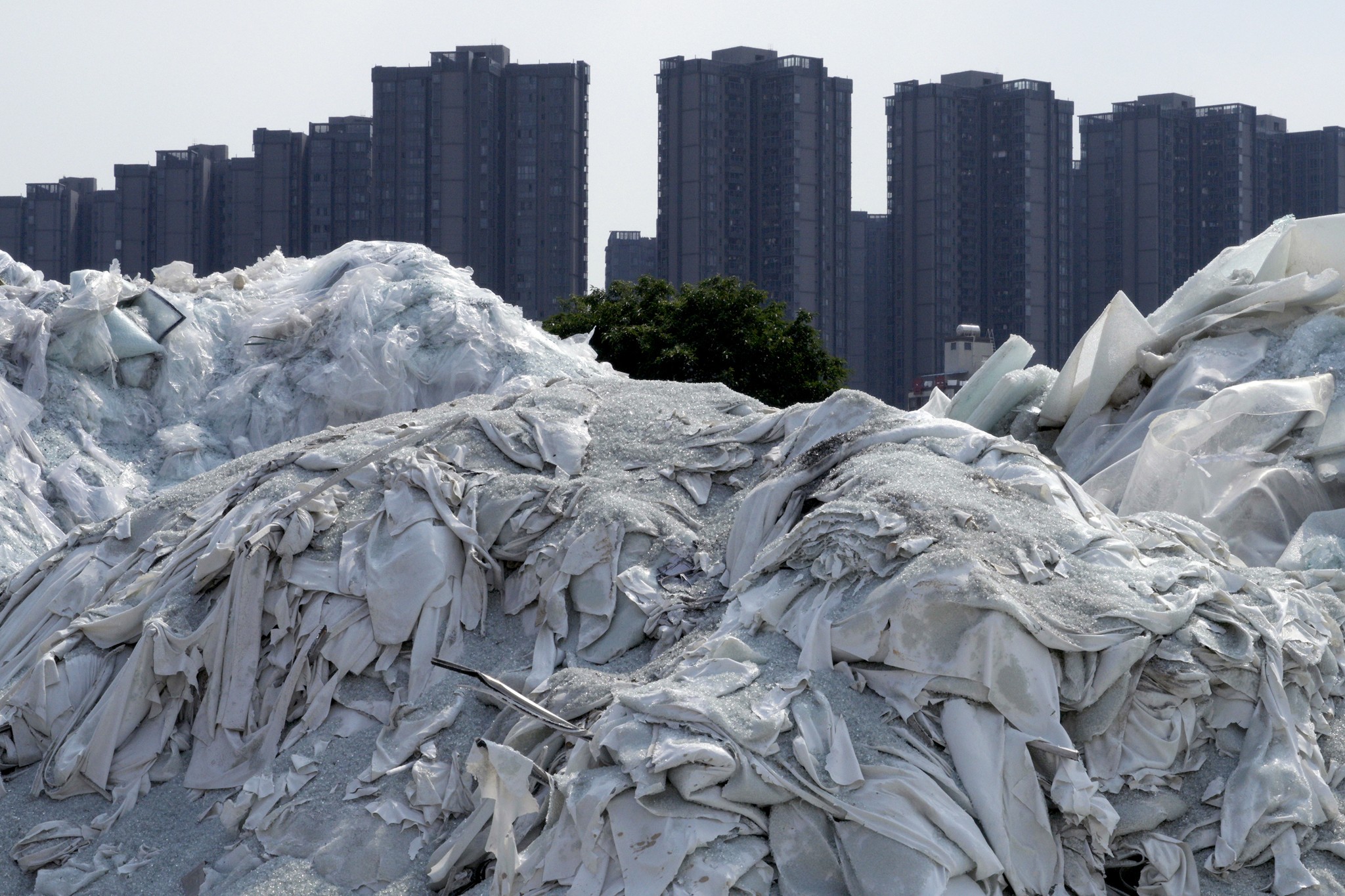
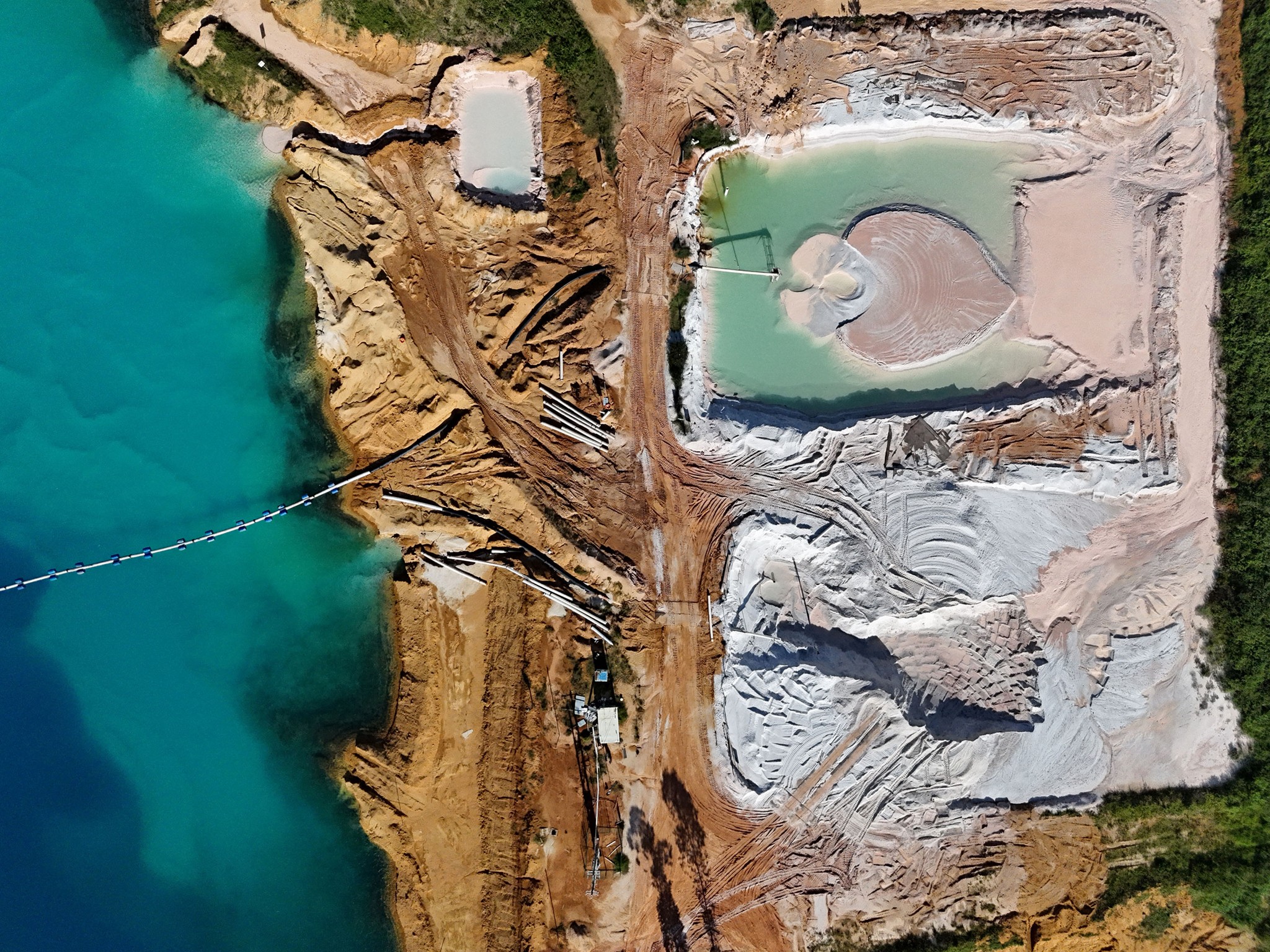
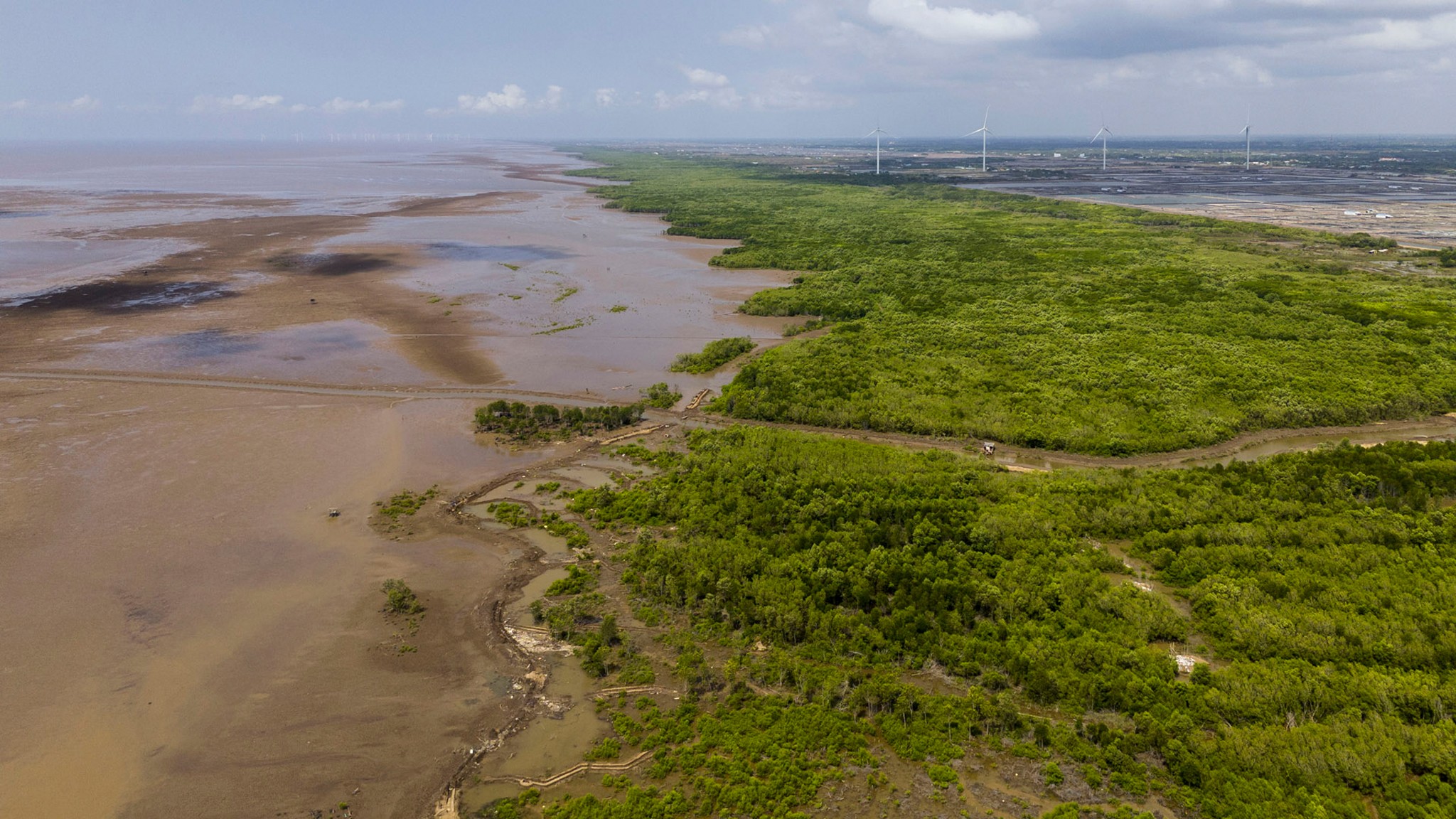
field-0. The work presented at the Singapore Biennale is part of our ongoing project, Tracing Sand. Since 2023, we have been following sand and water across Southeast Asia along the Mekong River Basin—from its headwaters in China through Laos, Thailand, Cambodia, and Vietnam, and by extension to Singapore via resource extraction.
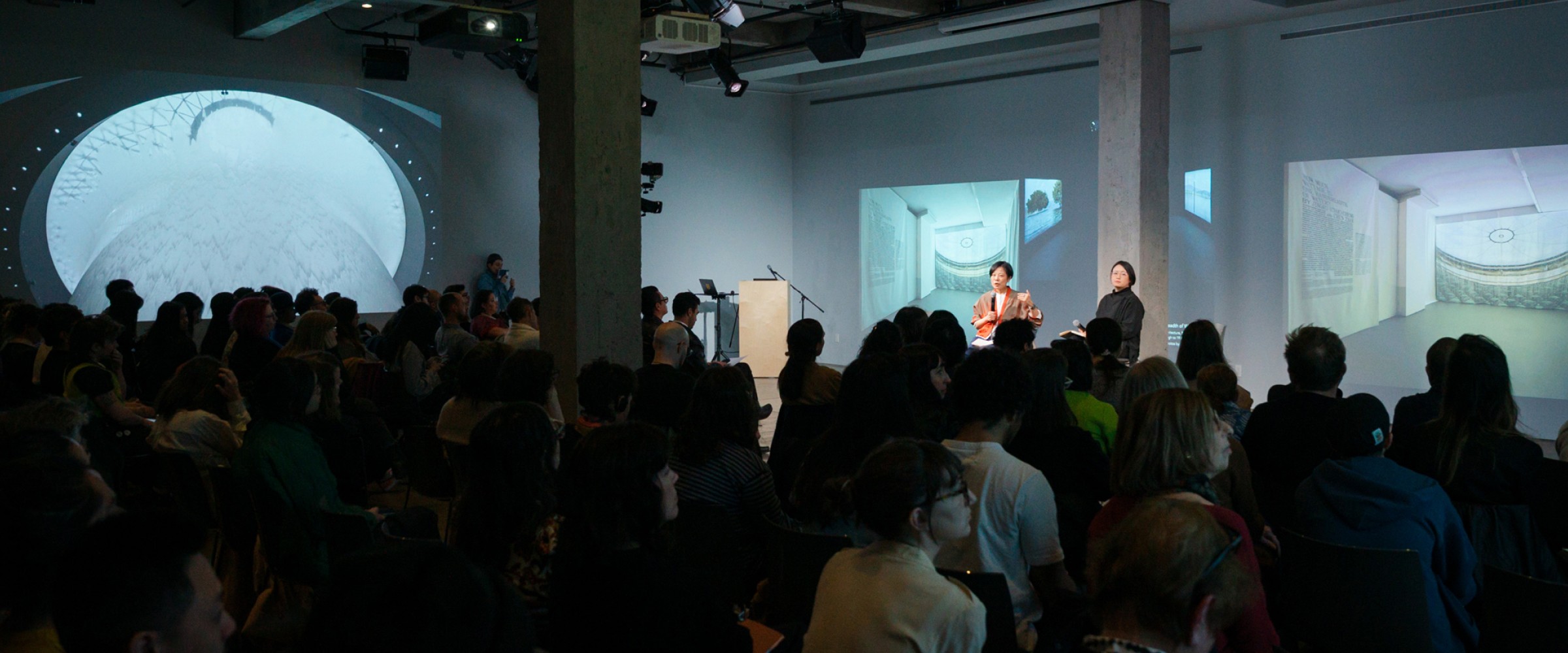
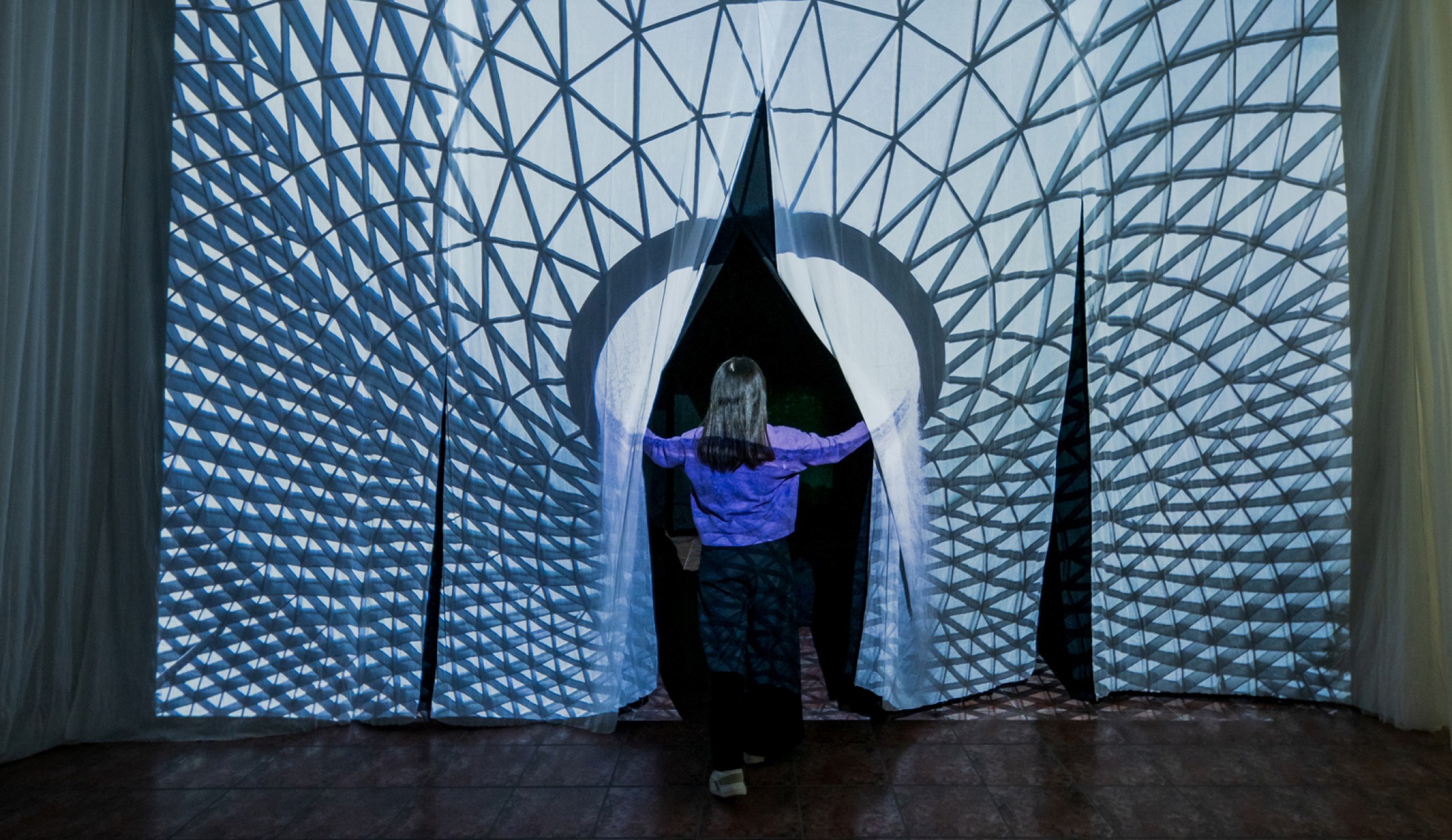
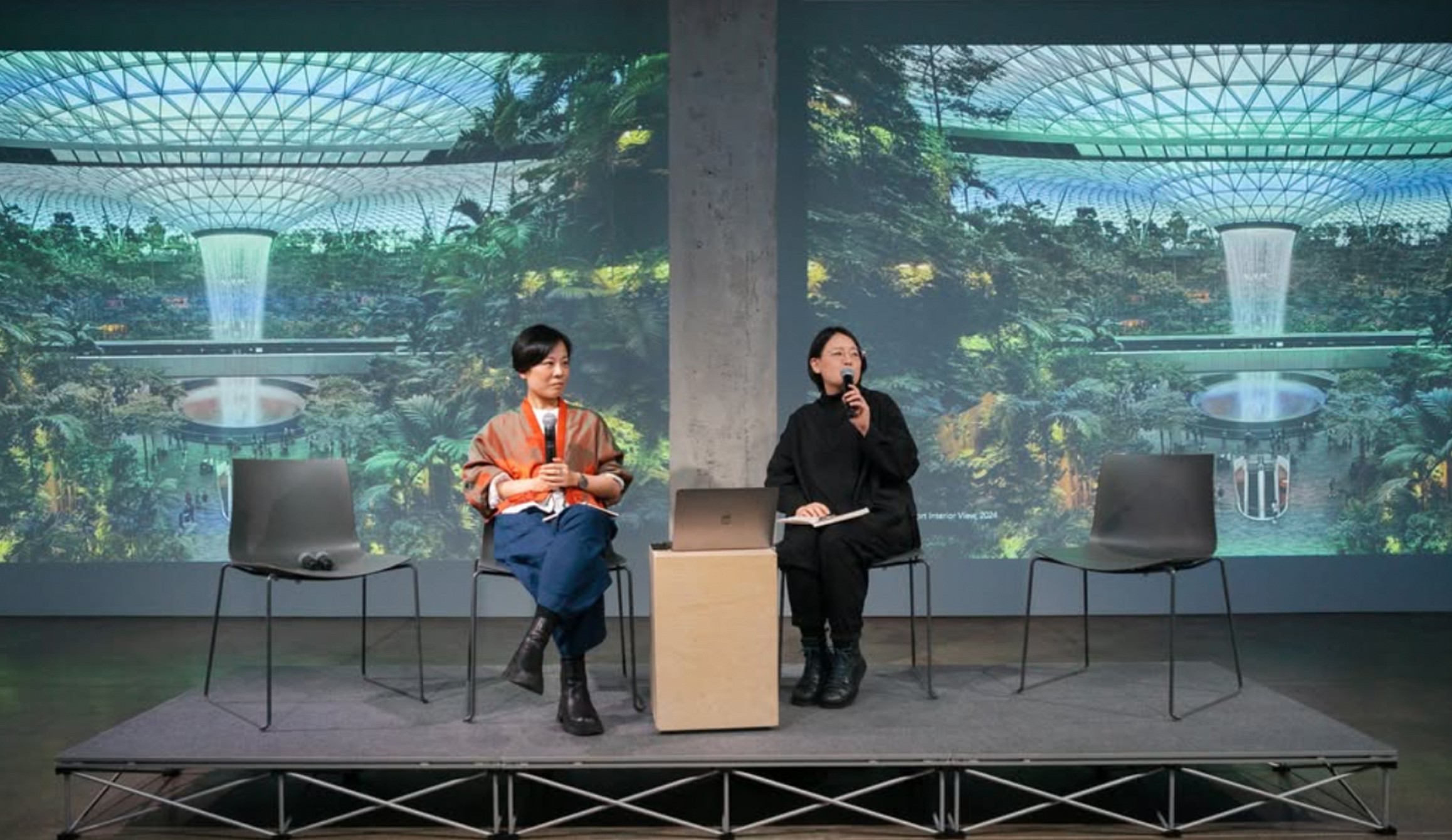
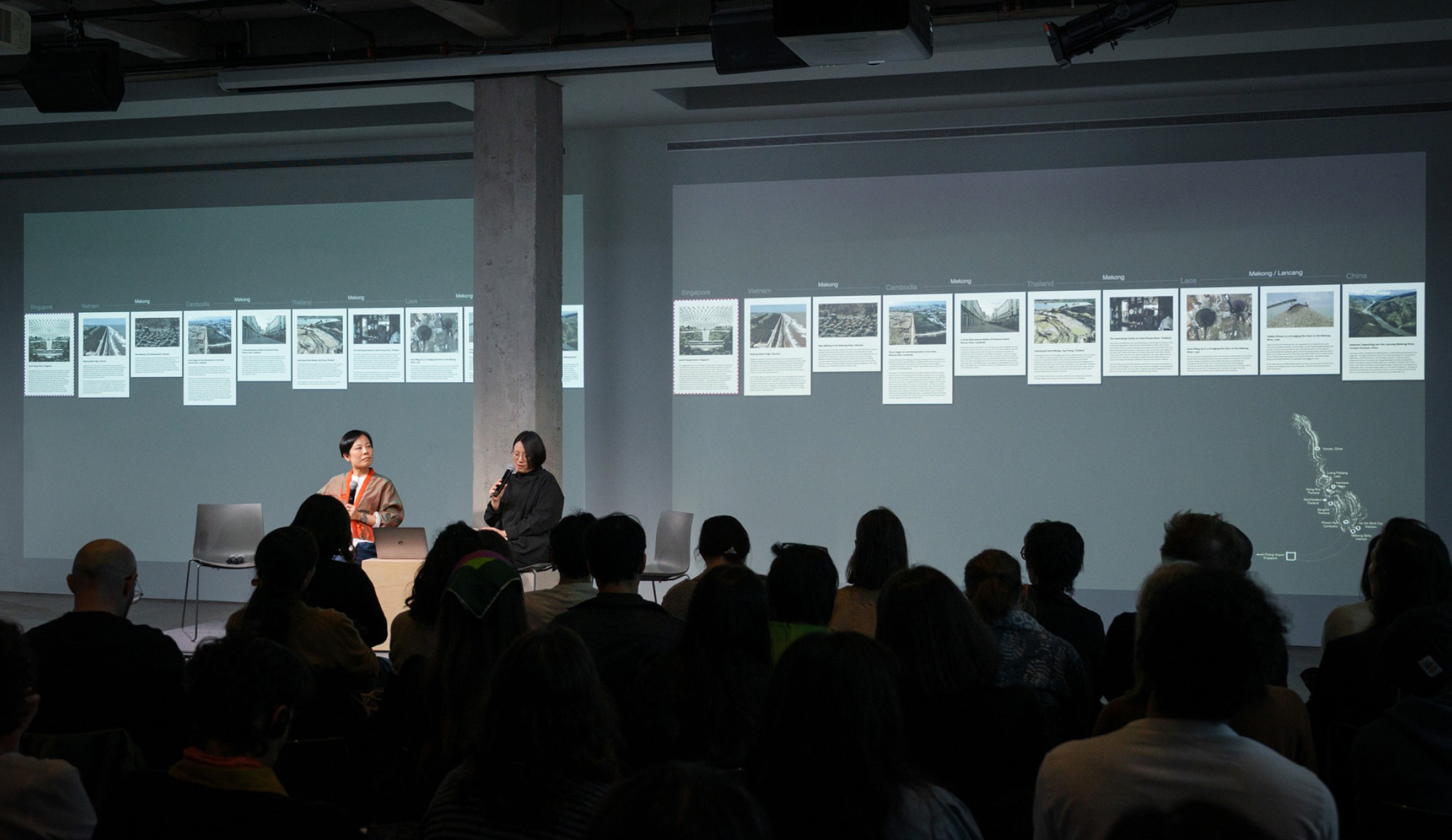
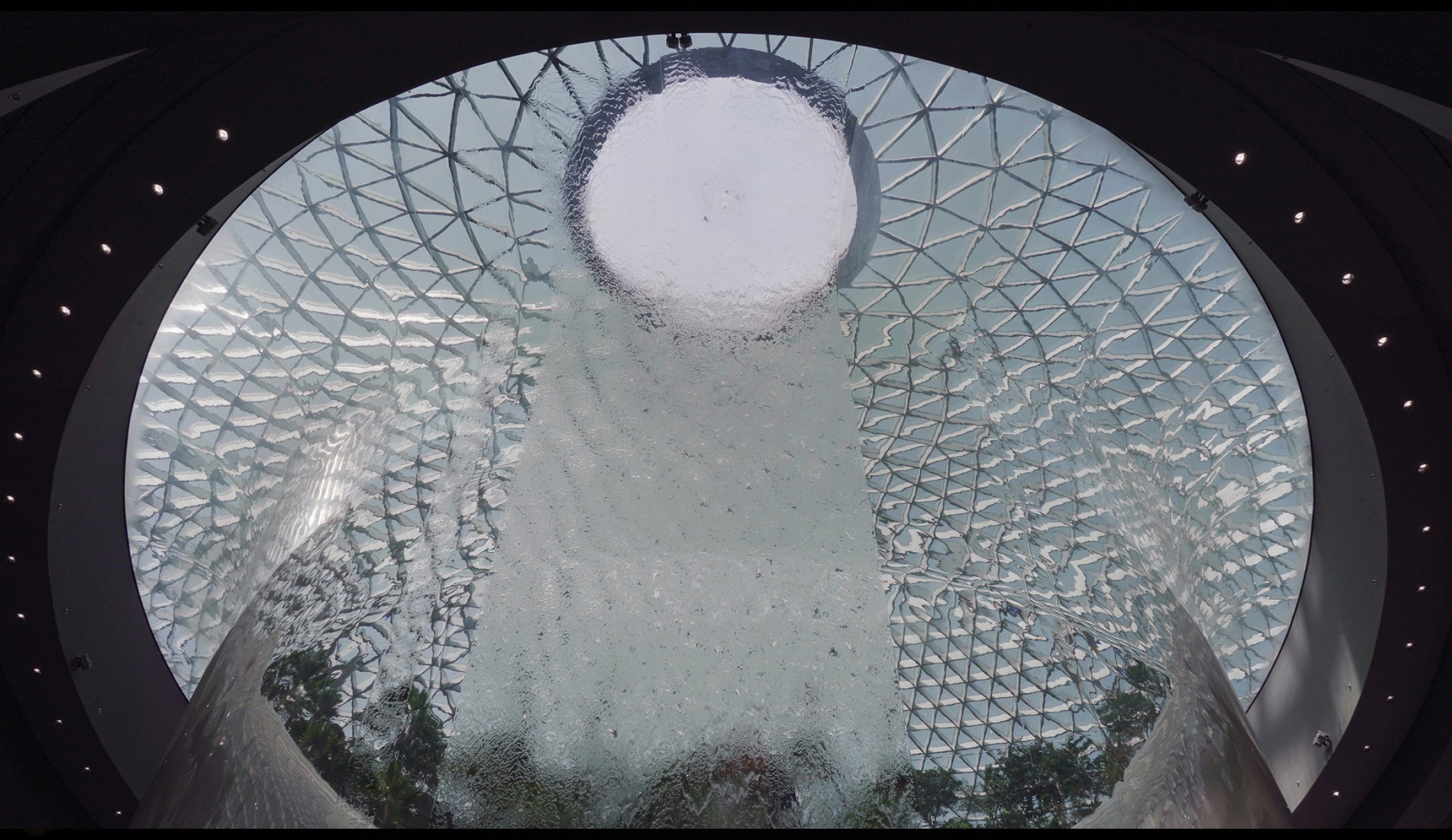
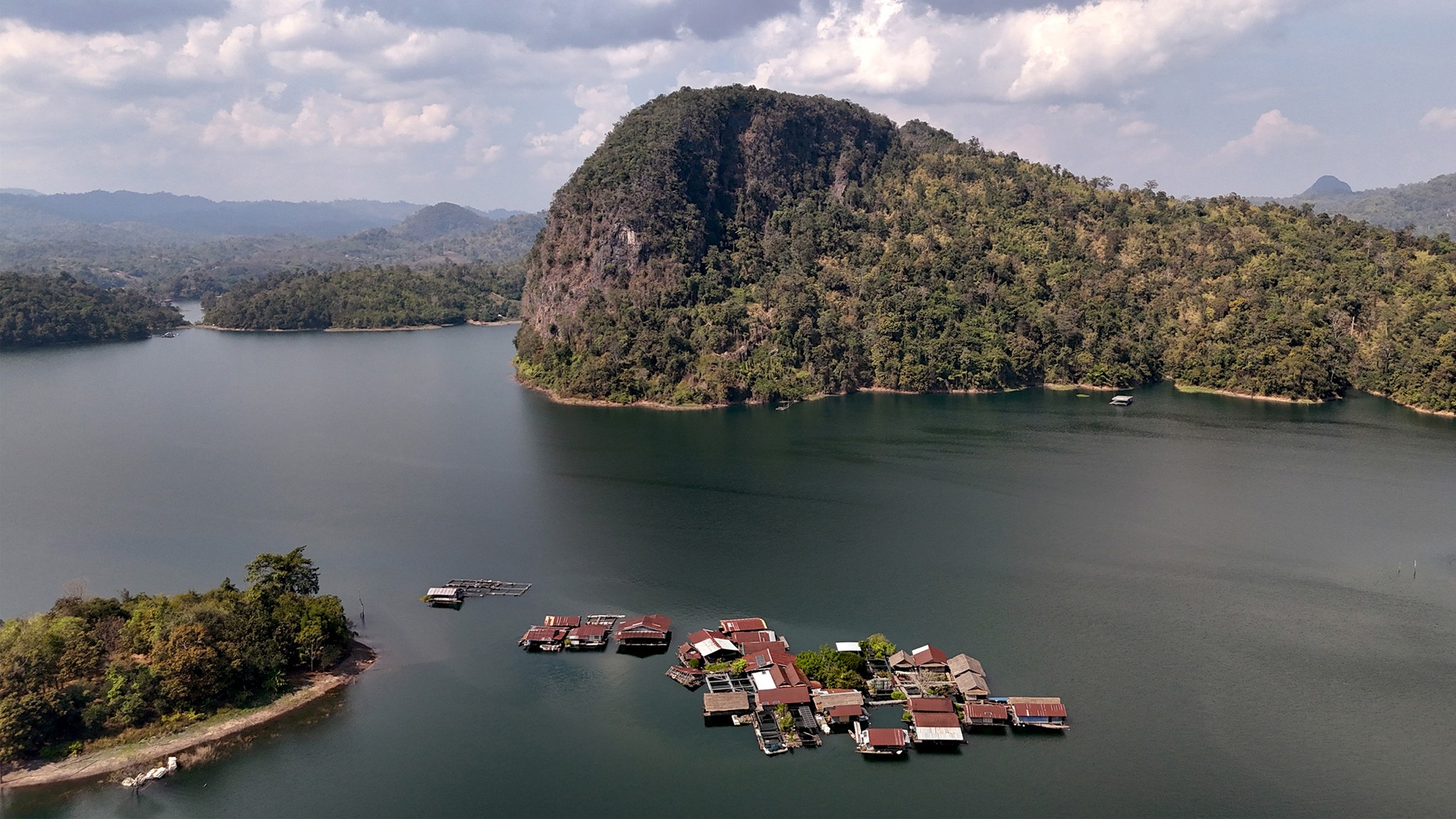
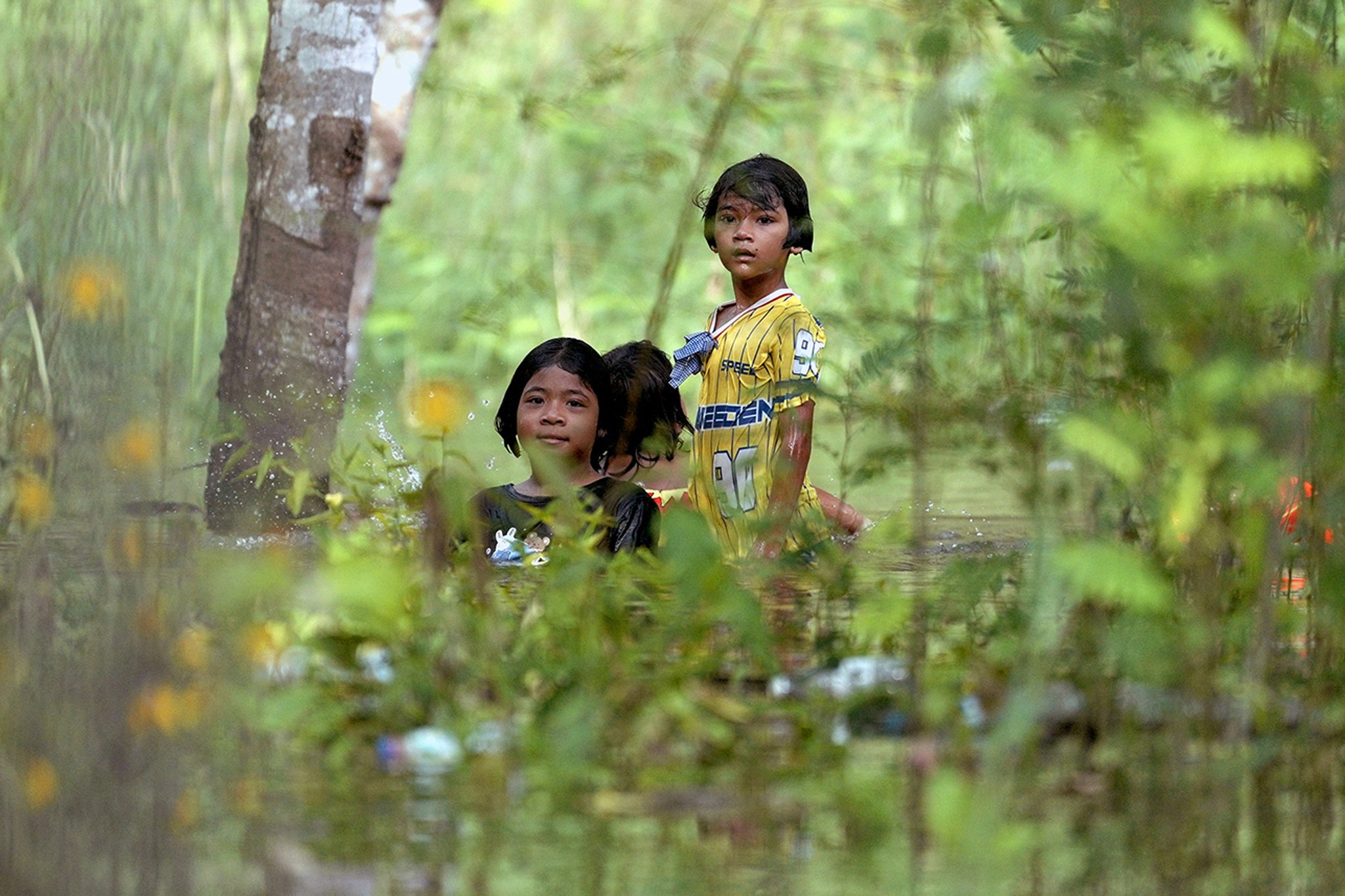
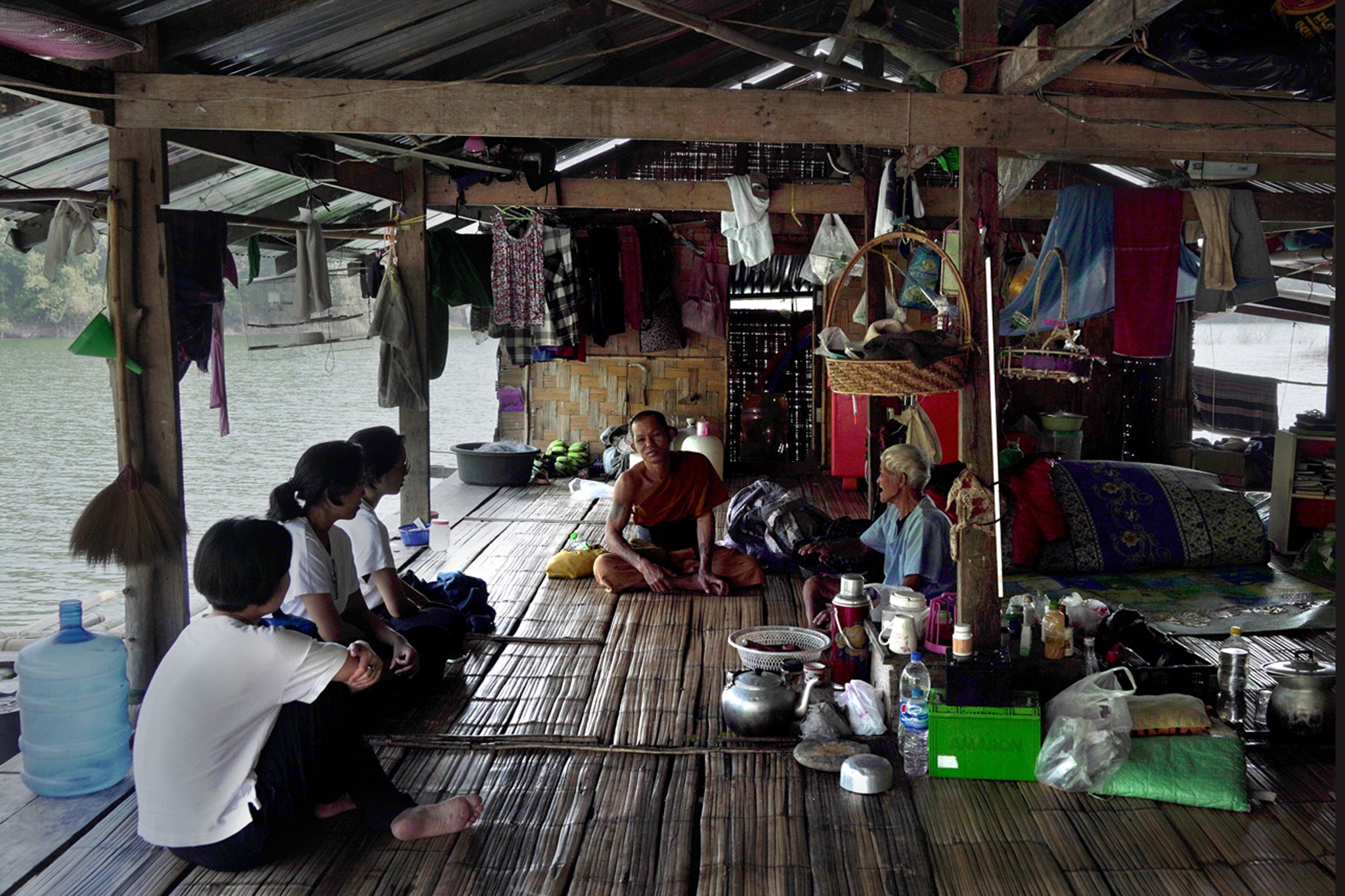
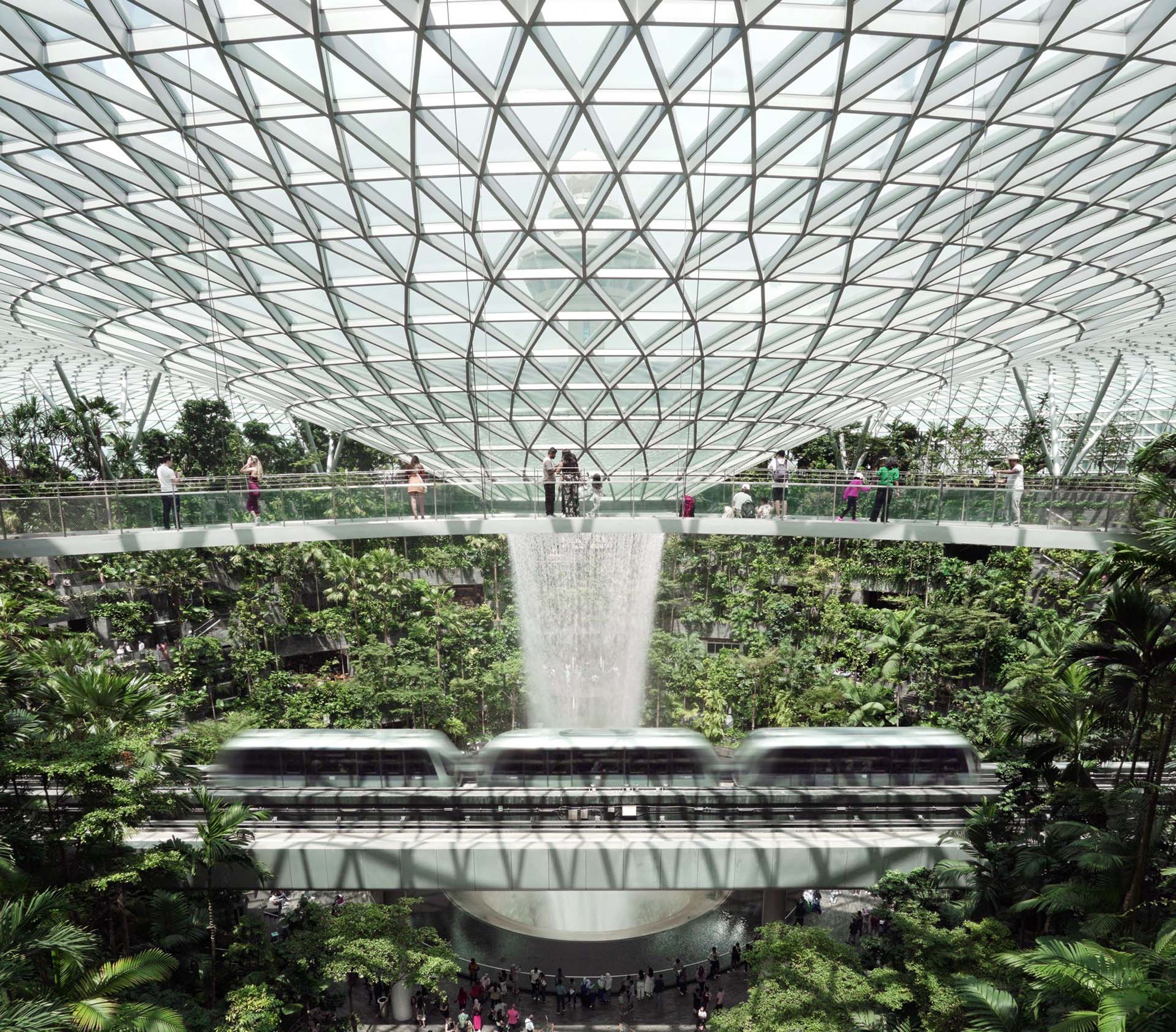
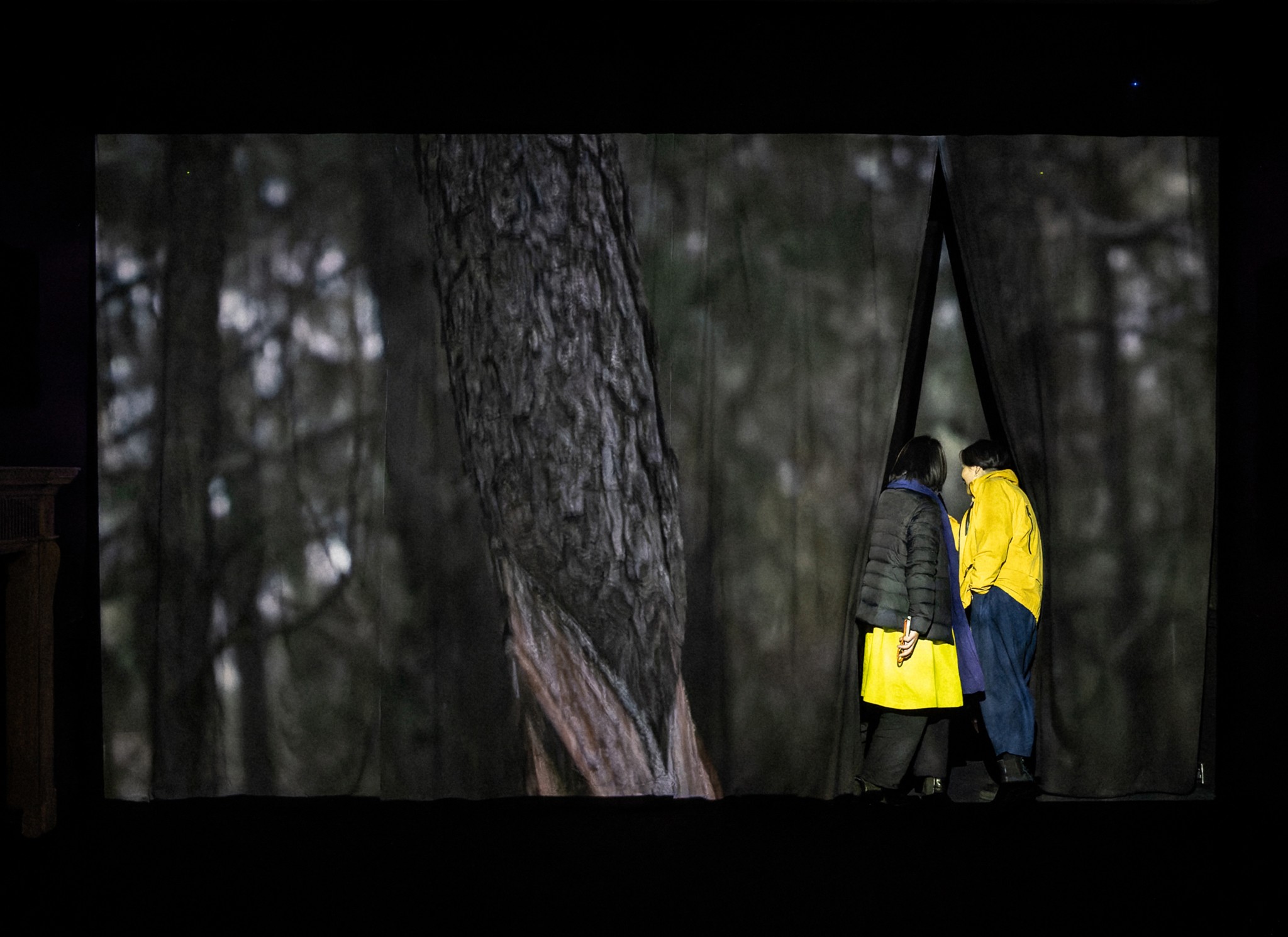
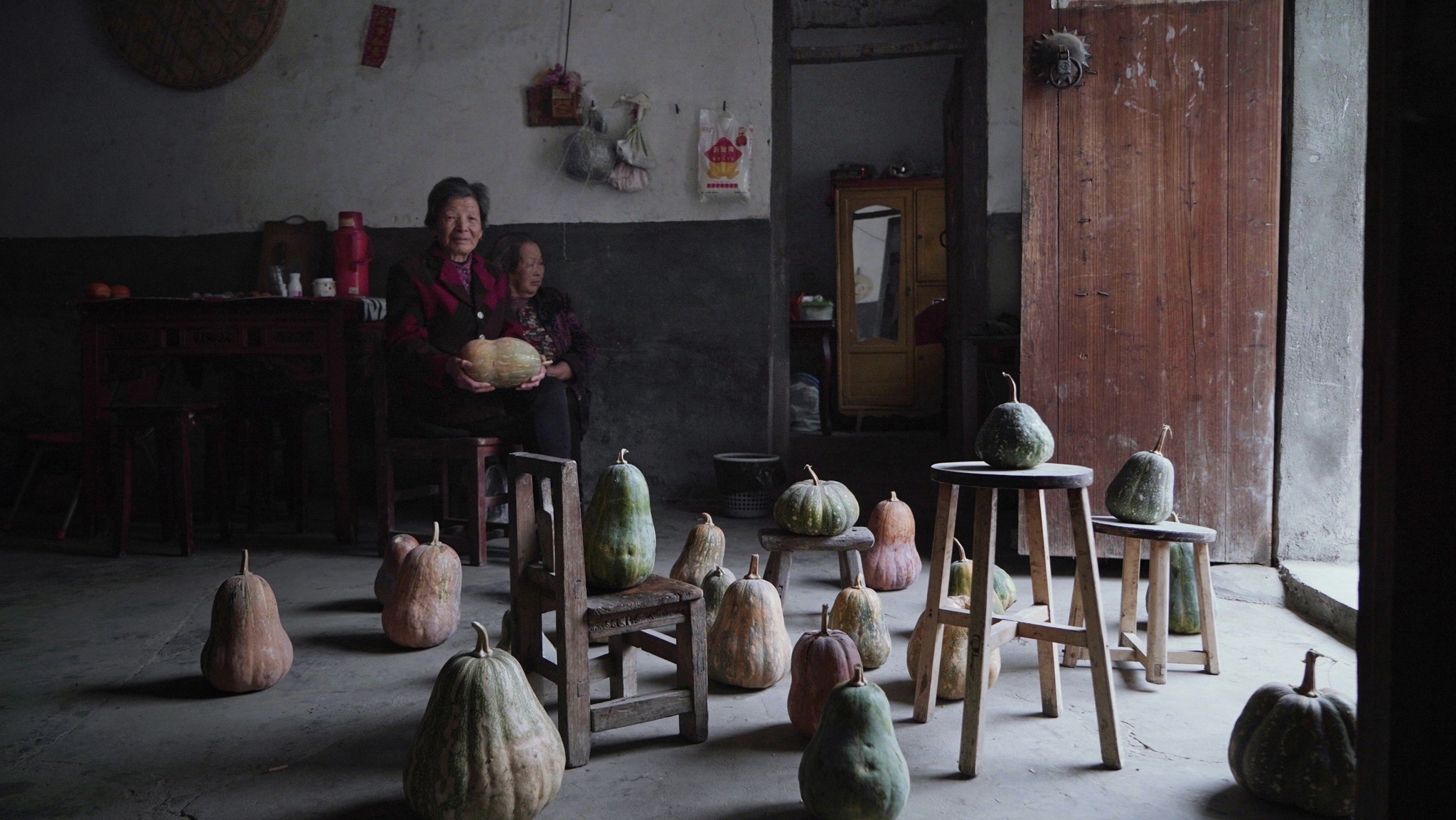
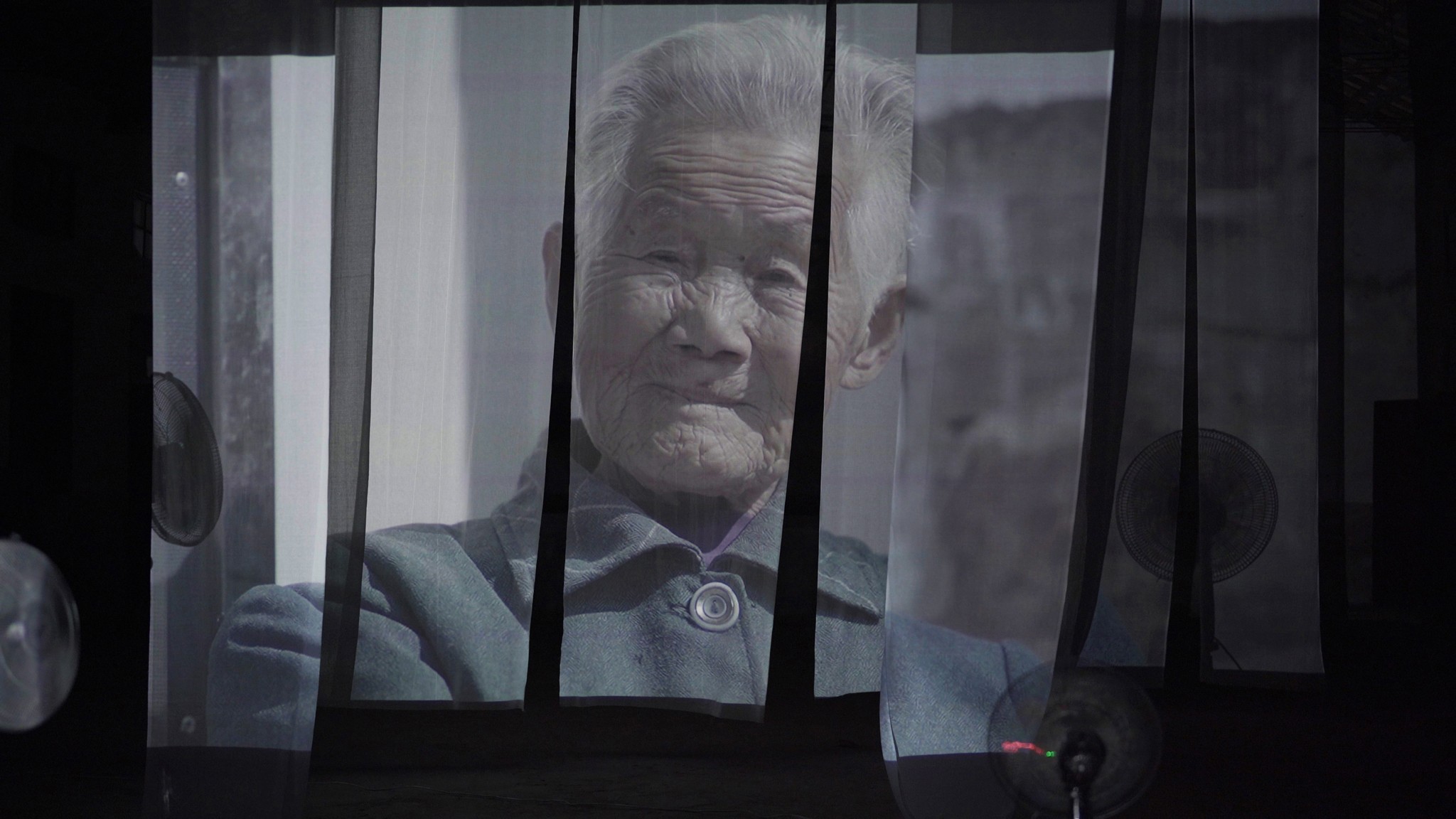
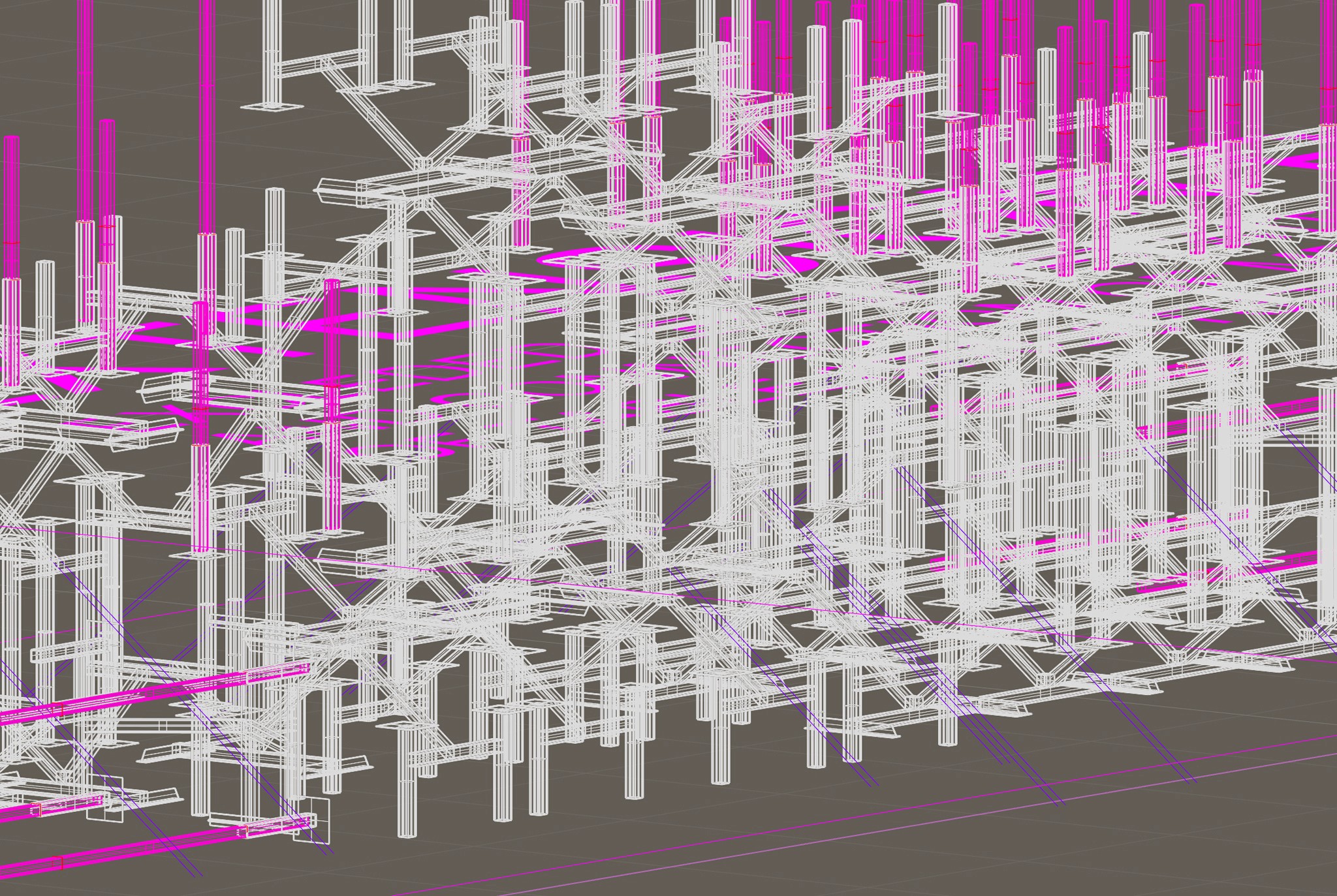
‘Drifting Bodies’, first shown in our solo exhibition commissioned by Storefront for Art and Architecture in New York last year, is a four-channel immersive video installation that connects two distinct bodies of water: the Jewel Rain Vortex at Singapore’s Changi Airport on reclaimed land and the Vajiralongkorn Dam in Thailand in a flooded mountainous landscape, home to the indigenous Karen Hill Tribe. The electricity generated from the reservoir flows into a transnational power grid that Singapore, and by extension the Jewel in Singapore, thus linking the interdependence between two sites. By placing the waterfall projection at the front of the space, we ask visitors to confront this iconic image, and to literally break the waterfall by walking through the screens, to enter the hidden world and the lived realities behind it. This work is intended to surface the invisible infrastructures and the understory of the energy-intensive way of life, translating our field research into embodied, spatial experiences.
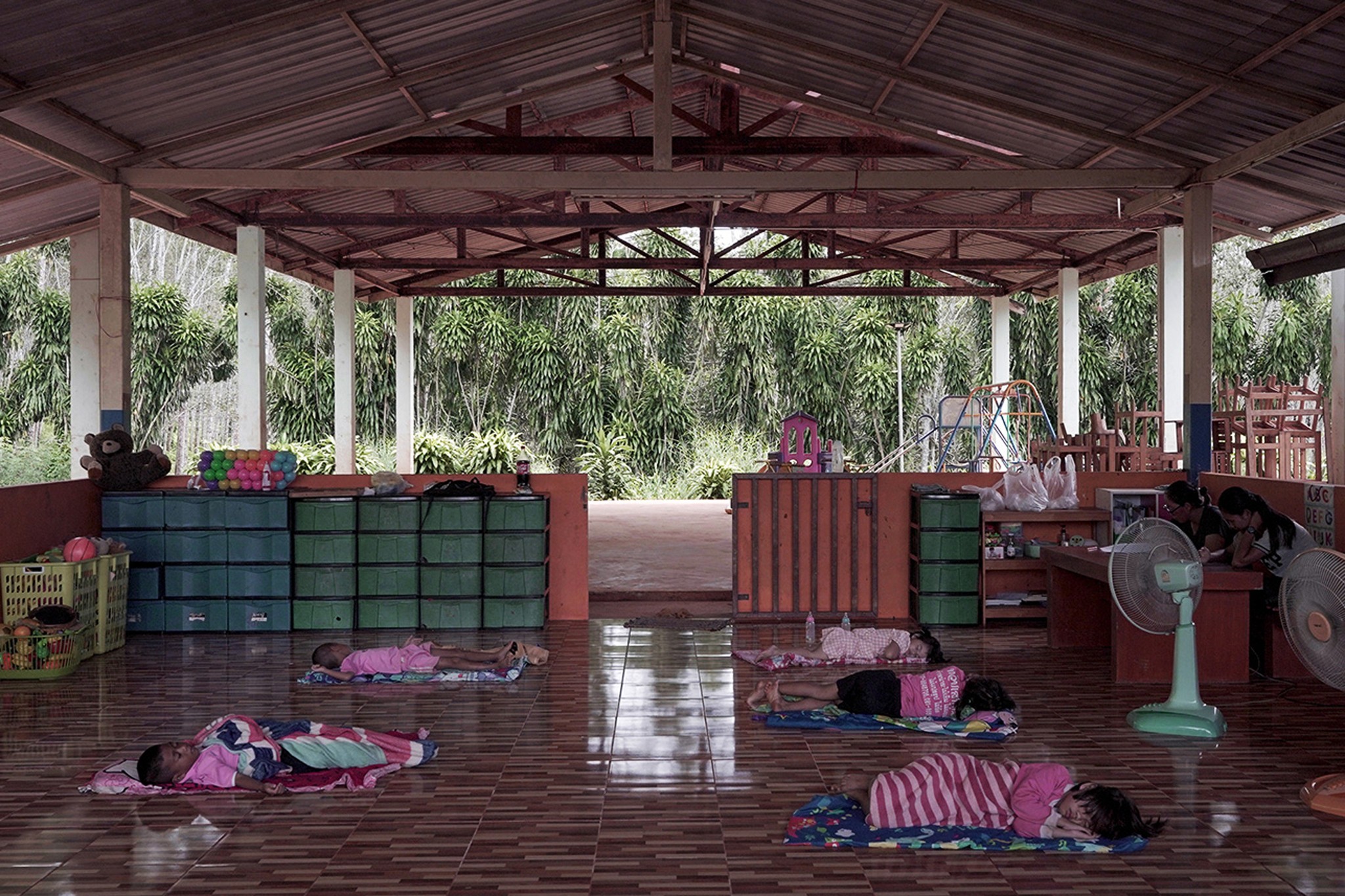
Singapore is also part of Southeast Asia’s transnational power grid, so as part of our work presented at the Biennale, we also initiated a Water Campaign”. Members of the public are invited to support the campaign, which aims to raise funds to install a rainwater harvesting and filtration system for indigenous children living in the Vajiralongkorn Dam Reservoir. Ironically, though surrounded by water, they lack access to clean drinking water. More details of the campaign can be found at: https://field-0.xyz/reservoir-project
This effort, at its heart, is about working with water — connecting depths and skies and carrying a small trace of hope through the rain. In the spirit of the Biennale’s theme, Pure Intention, we hope the work resonates with local audiences and perhaps inspires a small but real act of care beyond the exhibition into tangible action.
CNTRFLD. Following Drifting Bodies
Your practice follows “drifting bodies”—sand, water, or people. How does tracing these flows shape your research and art making, and what does it reveal that other methods might not?
field-0. Tracing what we call “drifting bodies”—sand, water, people—is both our method and our way of thinking. Grounded in fieldwork, our collaborative practice uses situated, sensorial approaches to explore planetary interconnectedness while staying rooted in specific communities. Following these flows allow us to move beyond isolated sites or events and attune to all kinds of relations in motion: material processes, planetary scales, intergenerational time, and the many forms of life entangled within them.
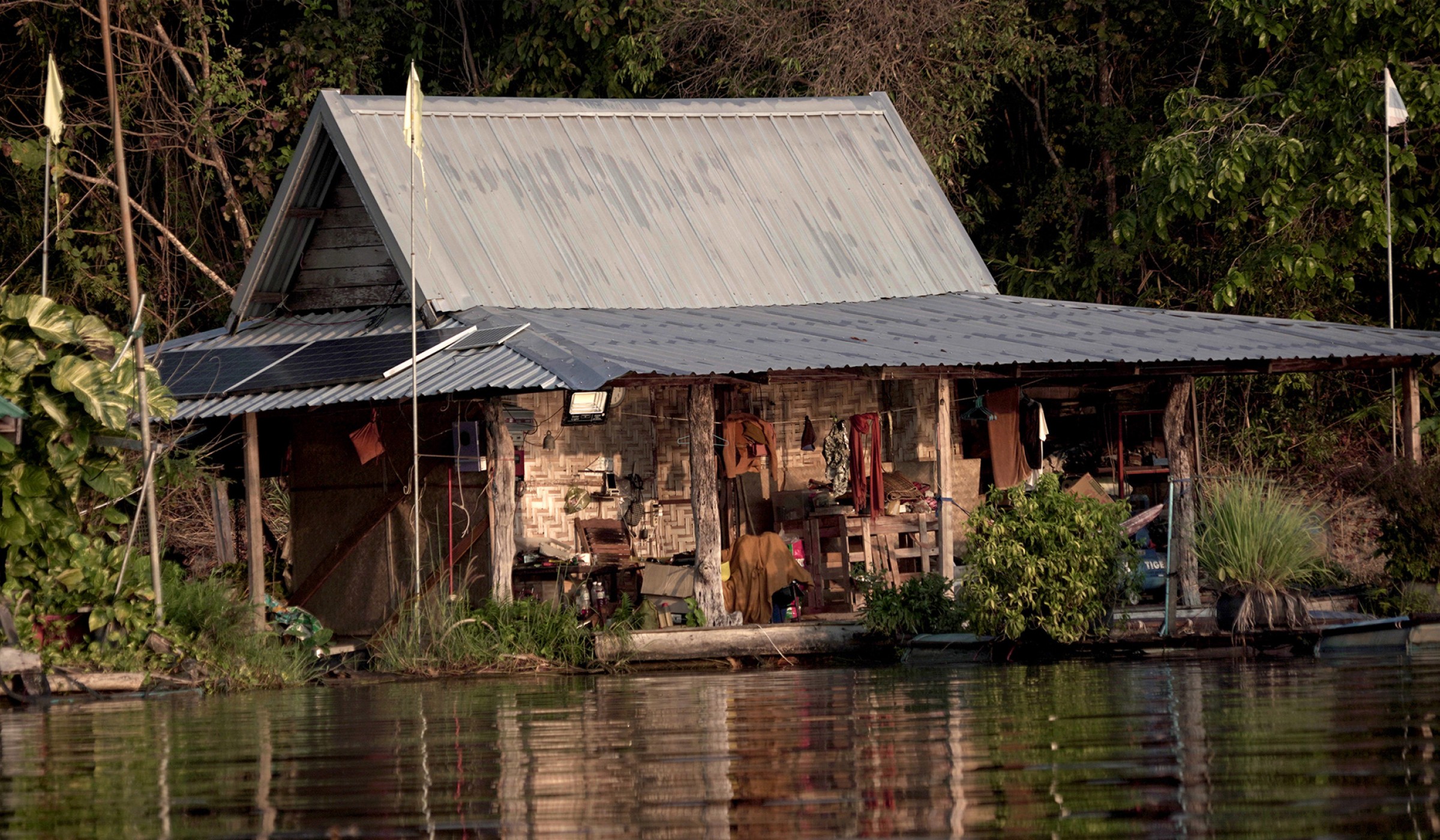
This sounds abstract — let’s talk it through our work. Our encounter with the Karen community in the Vajiralongkorn Dam Reservoir emerged unexpectedly. While tracing sand supply chains, we visited a Thai Forest Tradition temple where our collaborators PuPla Kaewprasert practise. We had long conversations with the abbot, and he spoke about a floating community he had encountered during a pilgrimage—raft homes drifting with seasonal water levels. When the dam was built in the 1980s, mountaintops became islands and Karen families were displaced from forest to water. So, we followed the abbot’s account and went to the reservoir. What we experienced there gifts us a whole new perspective.
Life on open rafts produces an intensely embodied way of knowing. Sound becomes a primary orientation tool: the rhythms of boats, birds, wind, rain, and fish guide perception and attune the body to its surroundings. This experience stands in sharp contrast to the Rain Vortex at Jewel Changi Airport—a monumental indoor waterfall that is visually spectacular yet eerily silent at basement levels, where water is sealed inside a transparent tube. Though this indoor waterfall circulates globally as an iconic image, its absence of sound, mist, and roar goes largely unnoticed.
This sensory contrast becomes the underlying structure of Drifting Bodies: a silenced projection of the Rain Vortex paired with a three-channel reservoir video led by a spatialised soundscape. Through this juxtaposition, we foreground how extractive systems are sensed, lived, and endured. Our practice is fundamentally relational. Through extensive fieldwork we trace relations, and when permitted, enter into them with care. When possibilities for change emerge—as with the Water Campaign, which seeks to reconnect Singapore with the displaced Karen community in Thailand—we try to take small, concrete steps toward repair within the extractive relations our work has surfaced.
CNTRFLD. Childhood and Influences
Looking back, how did your upbringing shape the paths that led you to architecture, anthropology, and filmmaking? Were there formative experiences that shaped the way you see the world?
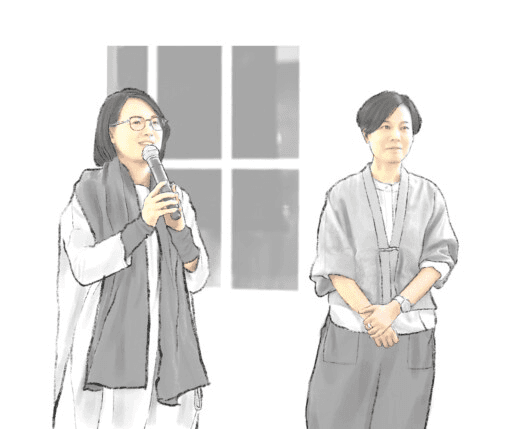
CZ. Our upbringing in China was a period of rapid urbanisation and economic boom from the late 1980s to the early 2000s, when the narrative of globalisation was still prevailing. My early career as an architect benefited from this moment. I worked within international teams designing iconic projects in Shanghai, and later in Singapore and the US. Over time, however, I became increasingly disillusioned with the relentless production of architectural icons for places and people I never got a chance to connect with. That distance—between making and living, between image and reality—became deeply disorienting. Eventually, I quit my job and made a major career shift, turning toward anthropology and filmmaking as ways to re-engage with lived experience.
JCC. My background was primarily academic. Before leaving, I worked full-time as a university researcher, but I struggled with the institutional frameworks that determine what counts as valuable— or, more bluntly, what is fundable. Research was driven by rigid objectives and productivity metrics aligned with funding bodies’ value systems. I wanted to work differently to at least try to develop a practice on my own terms. In the middle of the pandemic, I quit my job and began collaborating with Chen.
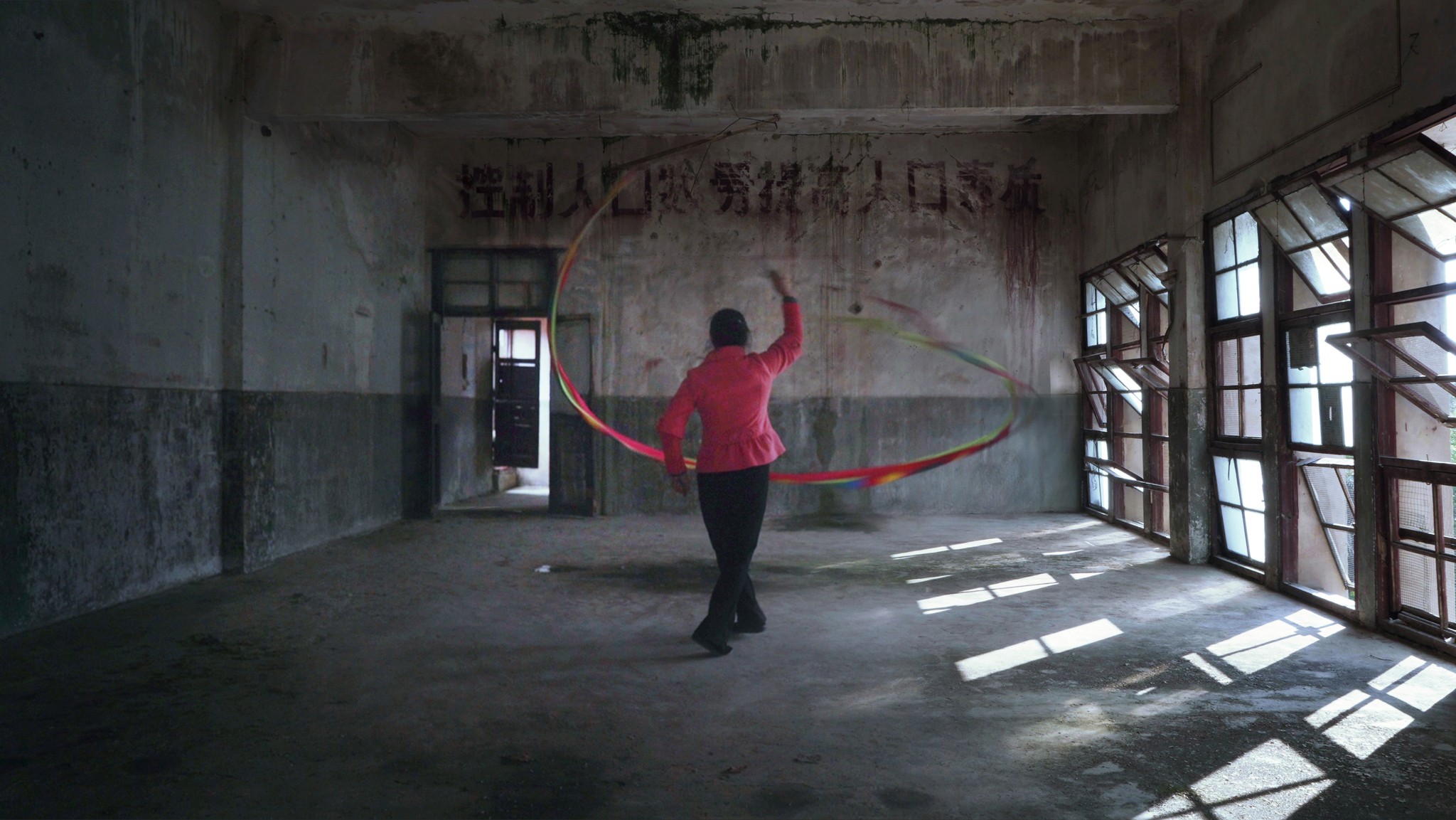
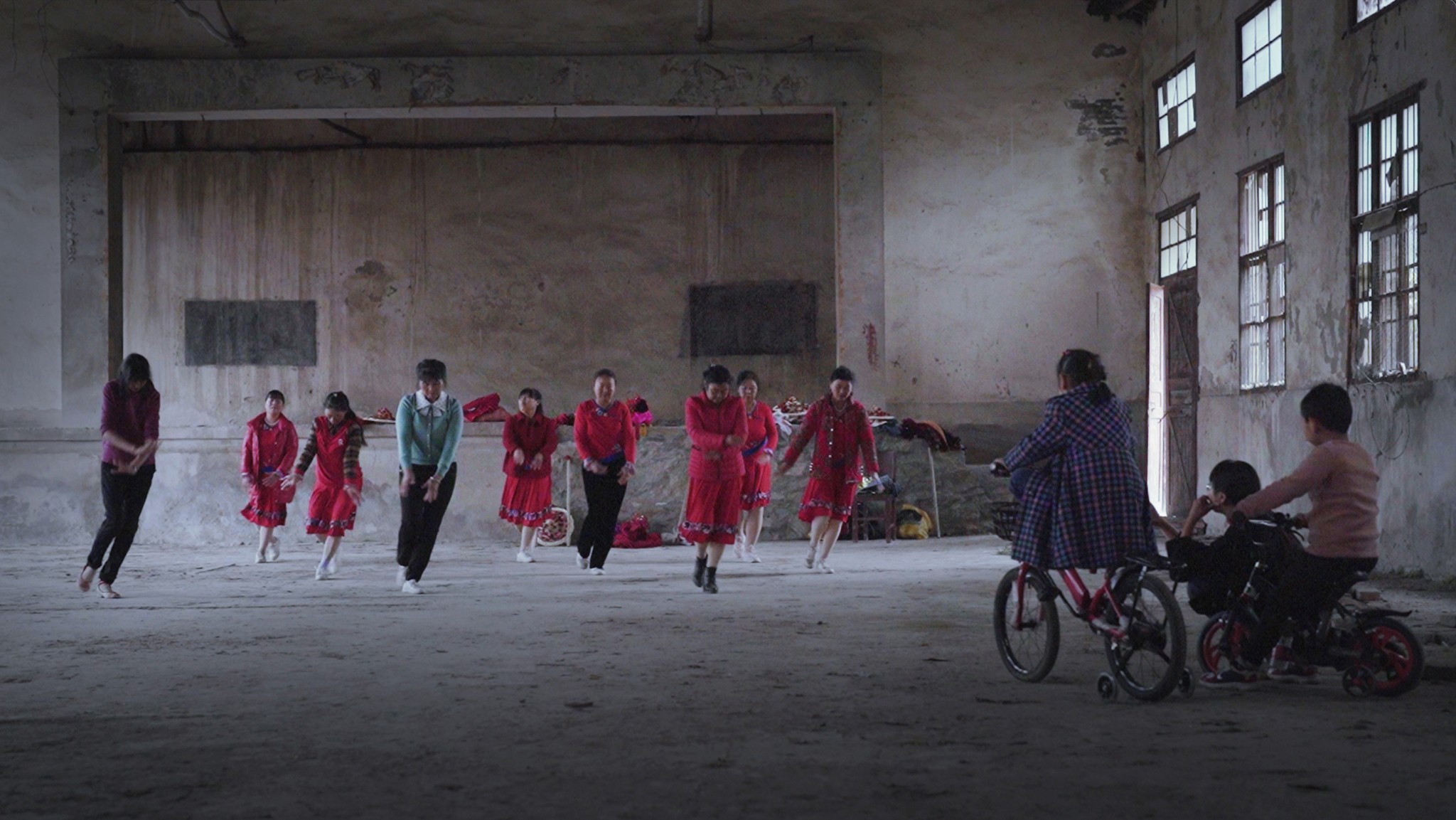
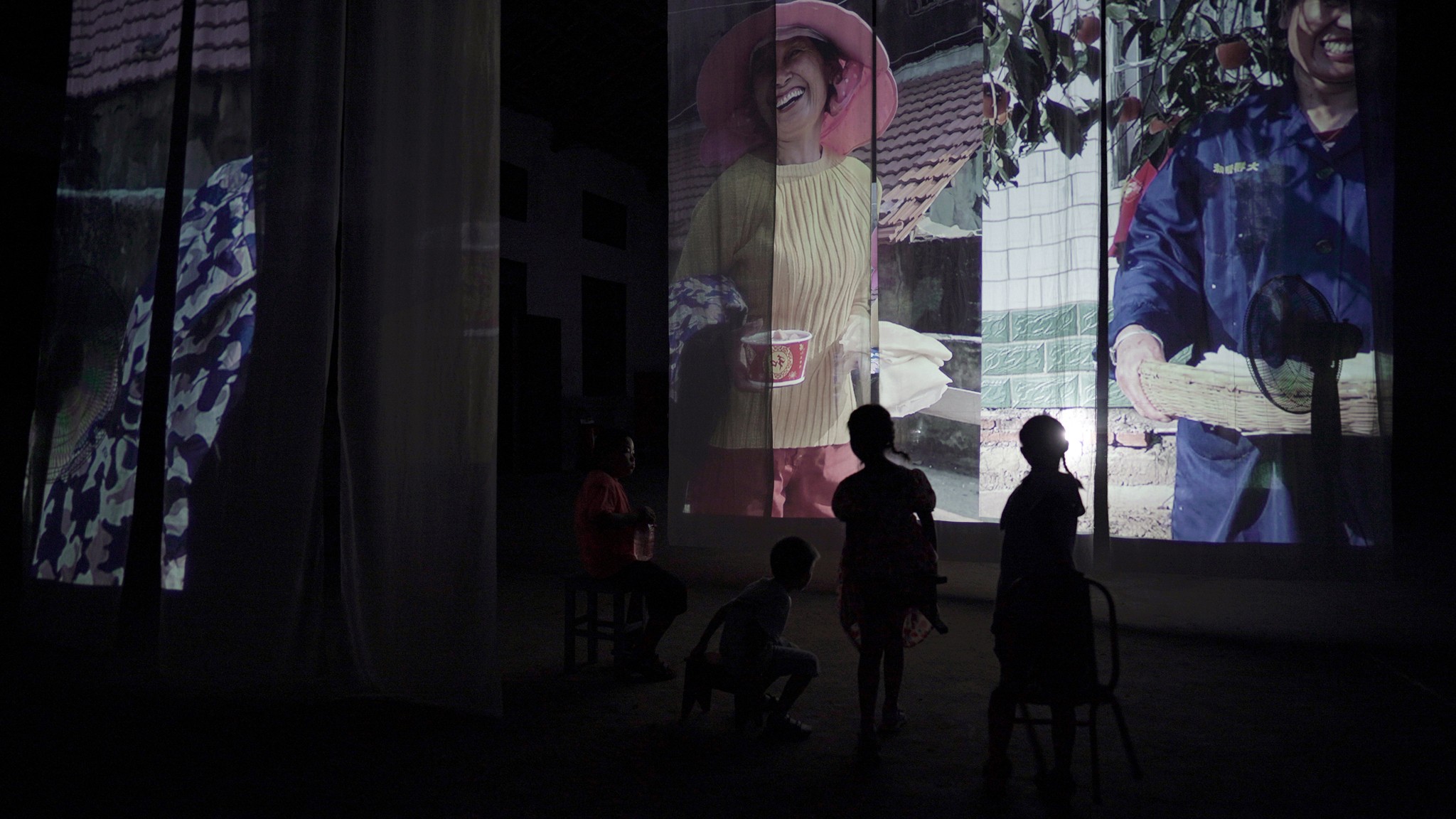
Our first project together is ‘Ripple Ripple Rippling’, working with a village on the outskirts of Wuhan, our shared hometown. The villagers are part of China’s 300 million rural migrant workers. We wanted to spend time with them and understand how they make worlds. Working independently allowed us to experiment beyond institutional constraints. After years of relationship-building, we introduced filmmaking into our daily fieldwork, not simply as documentation, but as a way to engage villagers’ imaginaries. In 2023, we organised a screen-back event at the village’s abandoned commune hall. Through immersive spatial projection, we showed the community images of their everyday lives alongside scenes we had improvised together. The entire village gathered, transforming the former political site into a theatre of the everyday. This process later became the short experimental film ‘The Hall’.
CNTRFLD. Identity and Heritage
Your work engages with place, belonging, and displacement. How has your heritage shaped your understanding of identity, and how does this perspective inform your projects?
field-0. Our keywords would be movement or migration and what is often rendered invisible.
CZ. I grew up within a family history of migration in China. My maternal grandparents went through the turbulence of the Chinese Civil War from Guizhou to Wuhan, where I was born. Later, I moved to Shenzhen and, at nineteen, to London on my own. Even till today, I struggle to answer the seemingly simple question, “Where are you from?” This experience shapes my understanding of identity as something shifting rather than fixed, and it fuels my curiosity about movement, flows, and displacement that run through our projects.
JCC. As Chen mentioned, our upbringing coincided with China’s rapid urbanisation. Behind this transformation are millions of rural migrant workers leaving their homes and families to build and serve cities. At some point, it struck me that the first twenty years of my life in Wuhan benefited tremendously from their labour, yet I knew almost nothing about who they were or how they lived.
That realisation led me to use my PhD research to get to know migrant workers more closely, and this is the foundation for Ripple Ripple Rippling. From Ripple Ripple Rippling to Tracing Sand, we expand our inquiry from within China to a wider Southeast Asian context, following material and labour flows across borders. Working anthropologically through participant observation has been central to both projects. It demands self transformation—unlearning assumptions, making the familiar strange, and learning from other communities. This ongoing process continues to shape not only our methods, but our sense of identity itself.
CNTRFLD. Home and Base
Where do you live and work now, and why? How do you define “home,” especially given your transnational practice?
field-0. The past 2 to 3 years have been a period of intense fieldwork. Rarely staying more than three weeks in one place, we have come to internalise the fieldwork as a way of life. Perhaps, by drifting with the currents of people, sediment, and power, we have joined their flow — holding the belief that planetary interconnectedness is not an abstraction, but something that can be sensed, embodied and lived. It’s difficult to define where home is. Practically speaking, when not travelling, we are mostly based in London, as Cyan continues to teach part-time at the Royal College of Art.