"Rather than experiencing [my multilingual, transnational life] as fragmentation, I came to understand it as a reorientation. The in between became a productive space where translation, delay, and specificity coexist. Diaspora, for me, is not a state of loss, but a condition that reshapes perception and allows a more layered understanding of identity and belonging."—Ju Young Kim
CNTRFLD. Singapore Biennale 2025 is guided by the theme pure intention, which invites audiences to reflect on rituals, lived experiences, and the evolving identity of the city through site-responsive works. How did you interpret this theme, and how do your works Where the tide carries us (2025) and In case of emergency break glass (2024) respond to it conceptually and emotionally?
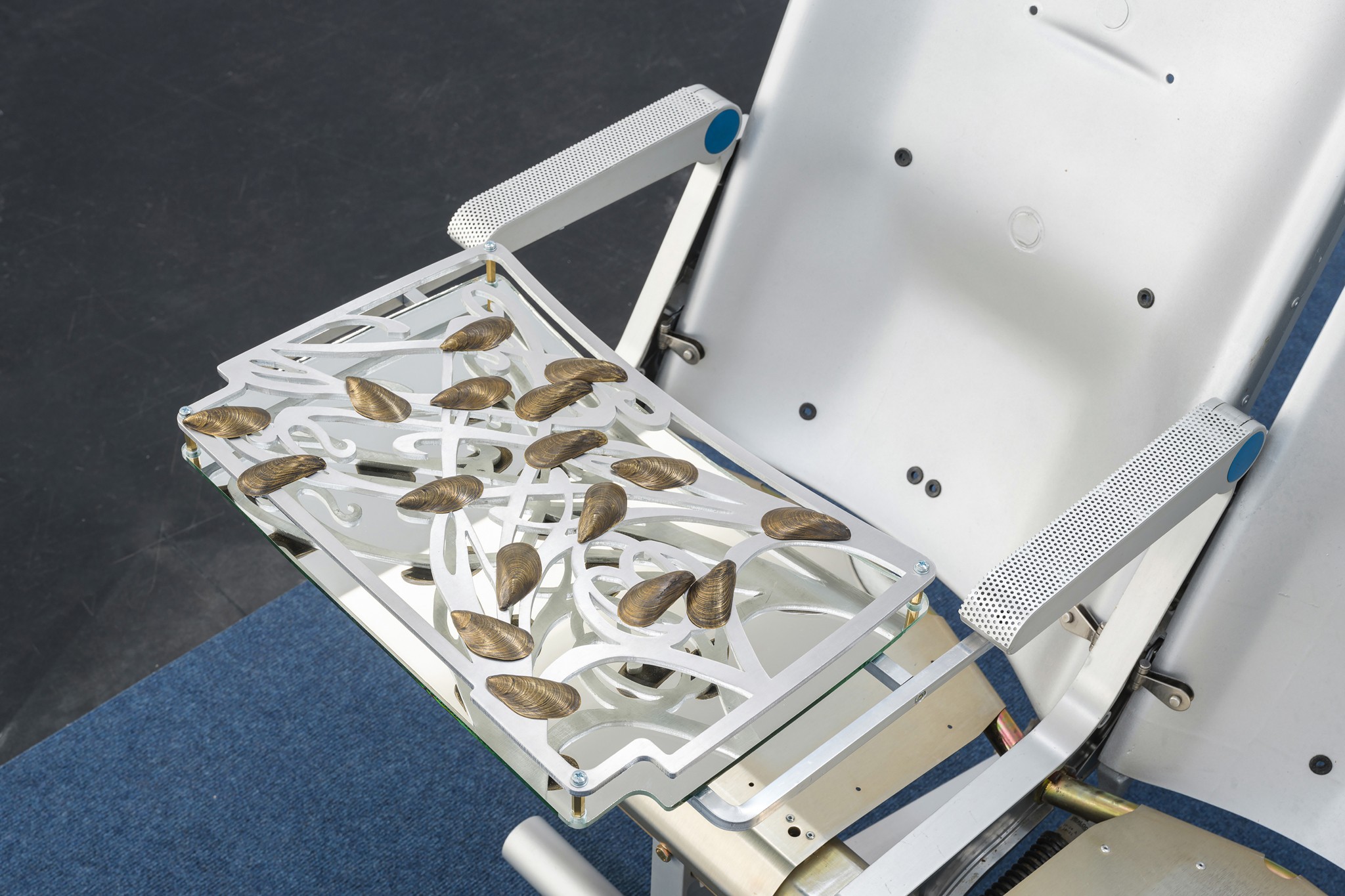
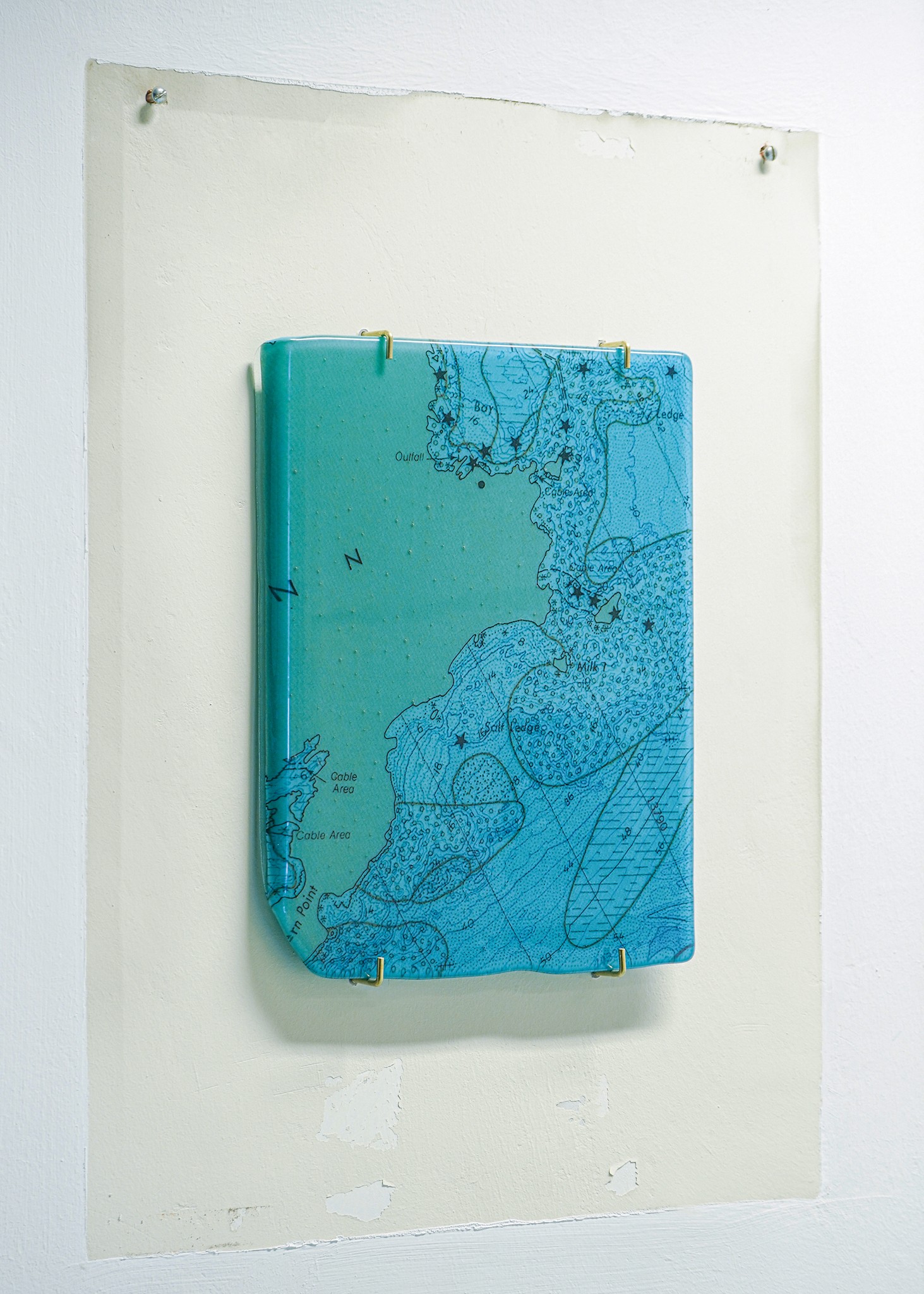
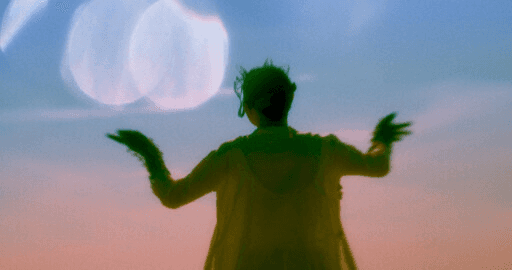
JYK. I interpreted pure intention not as an idealised or innocent state, but as a condition of attentiveness a way of being present without the pressure of productivity, efficiency, or arrival. It felt closely aligned with my ongoing interest in suspension, waiting, and states that exist without a clear destination. Where the tide carries us (2025) approaches this through the idea of allowing things to unfold rather than forcing control. The work reflects movement as something shaped by forces larger than individual will emotional, geographic, or historical. In developing this piece, I was thinking about mussels that travel unintentionally by attaching themselves to the hulls of large cargo ships, crossing oceans without awareness or intention. Their movement is driven by systems far beyond their control, yet they survive by anchoring themselves temporarily, adapting to unfamiliar environments while remaining exposed and vulnerable.
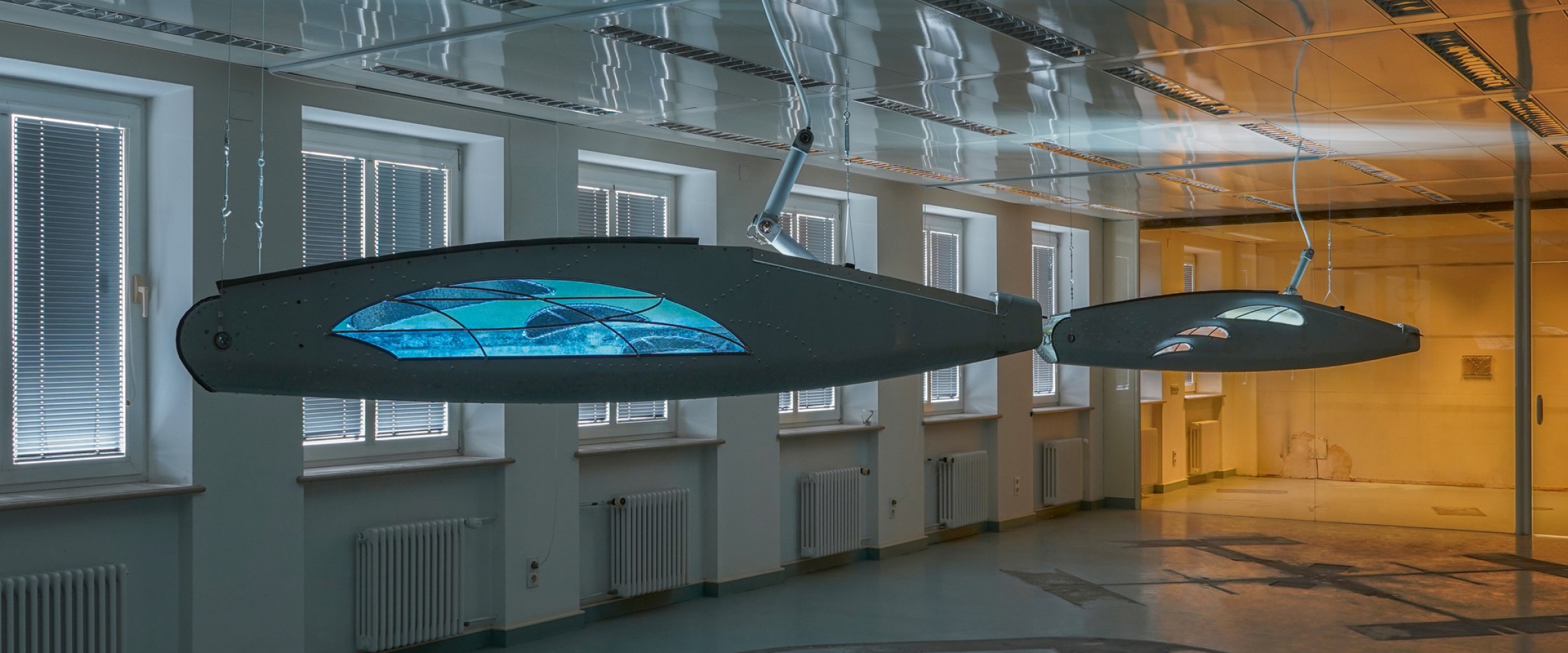
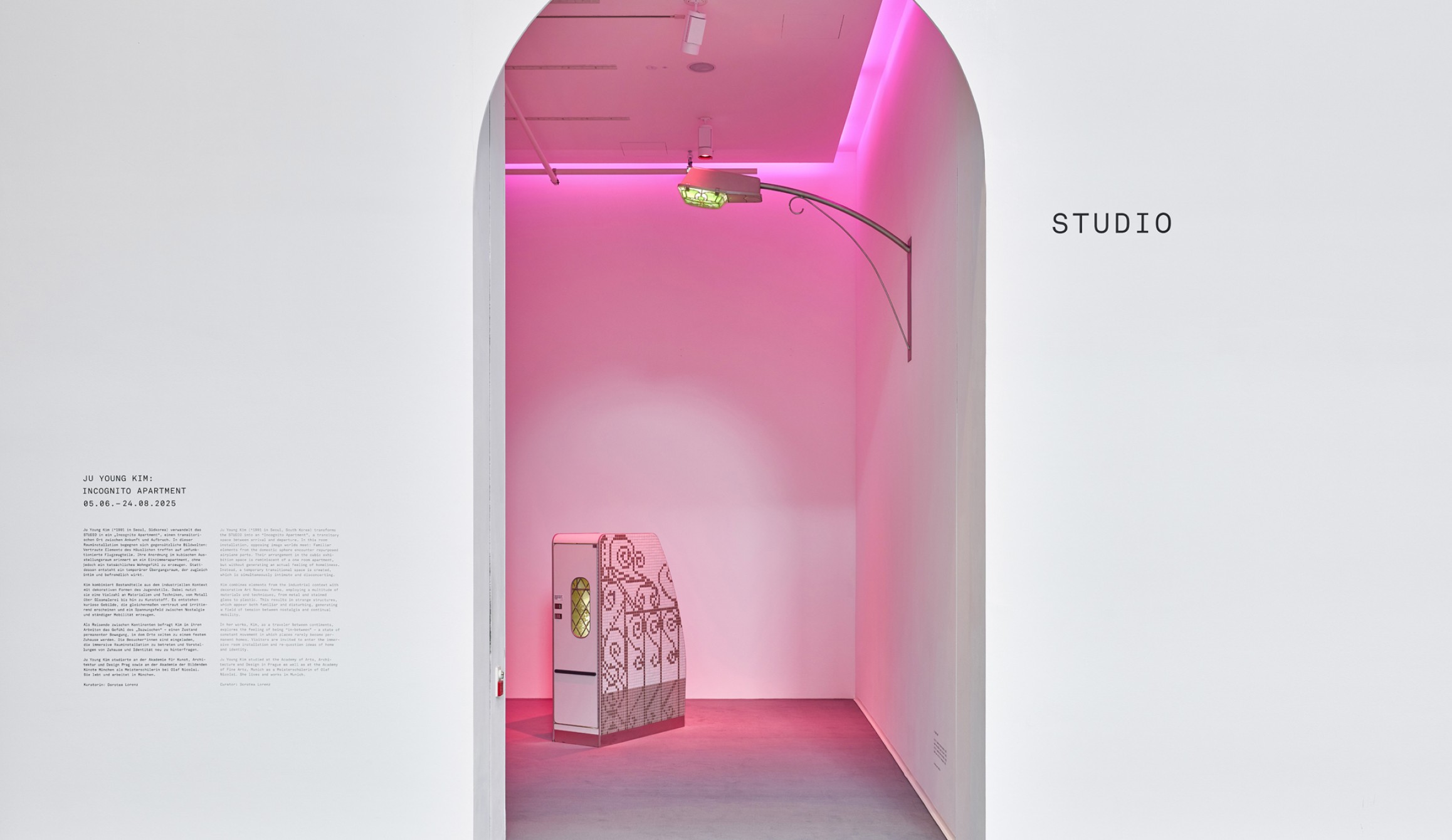
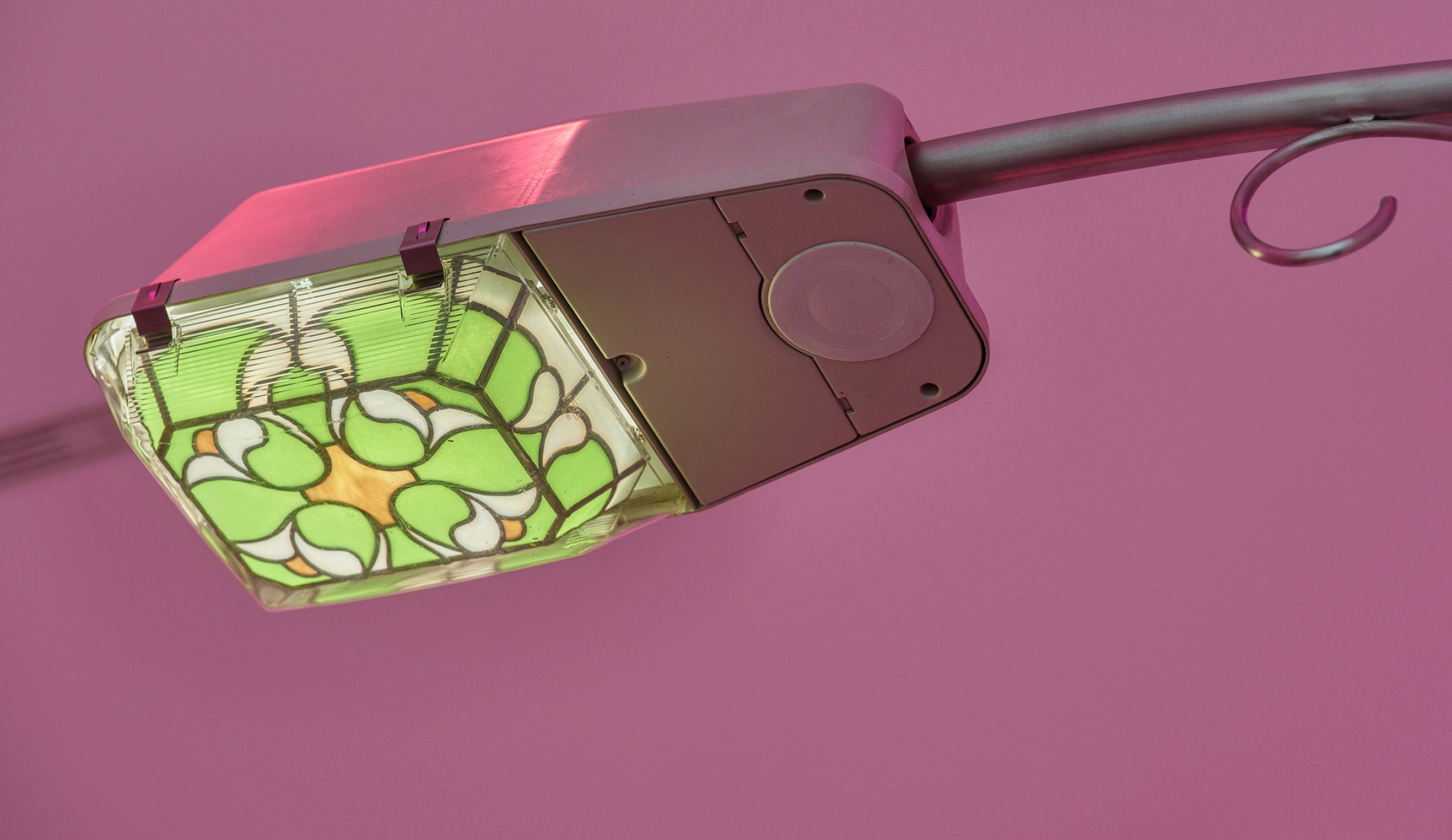
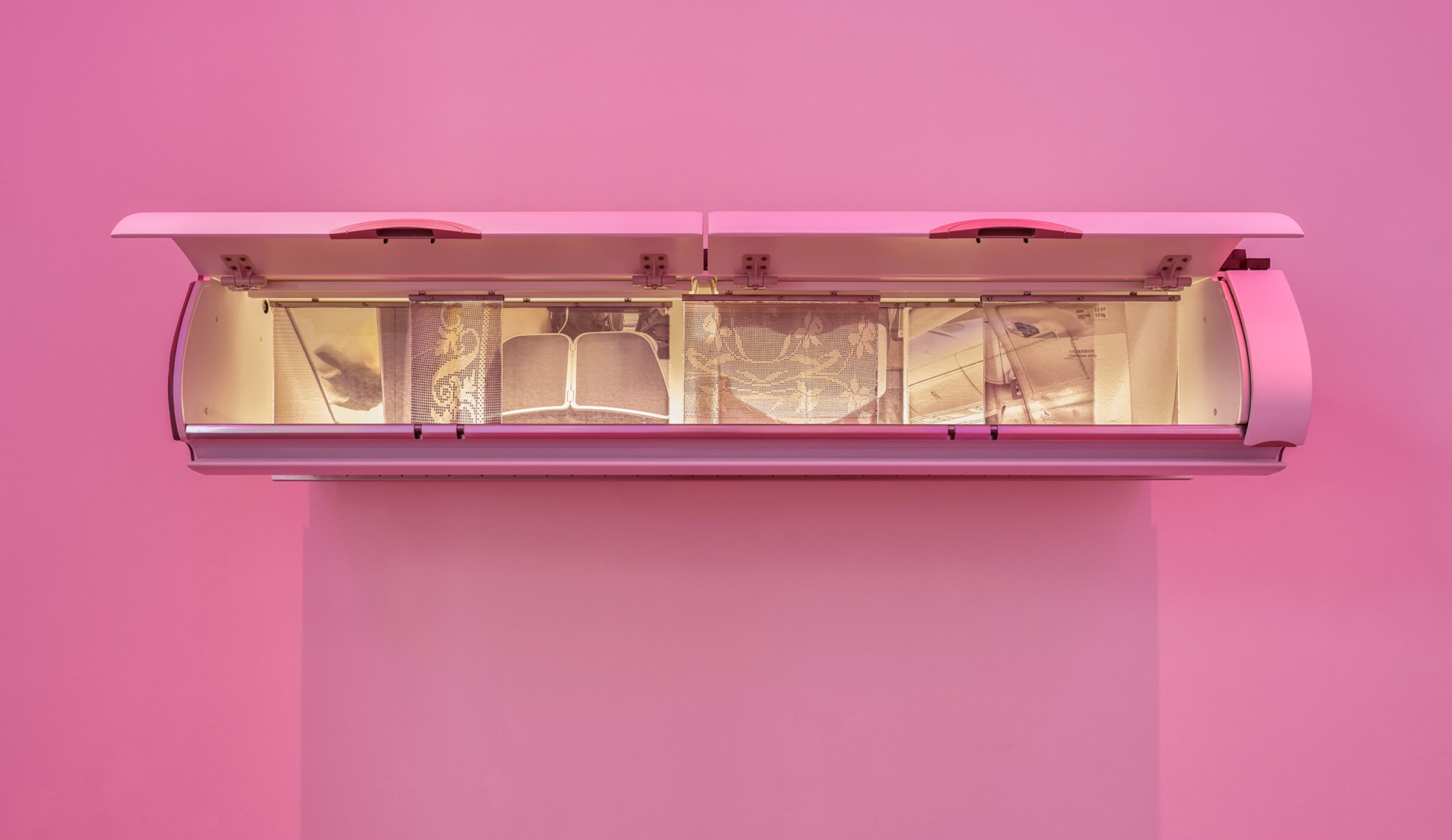
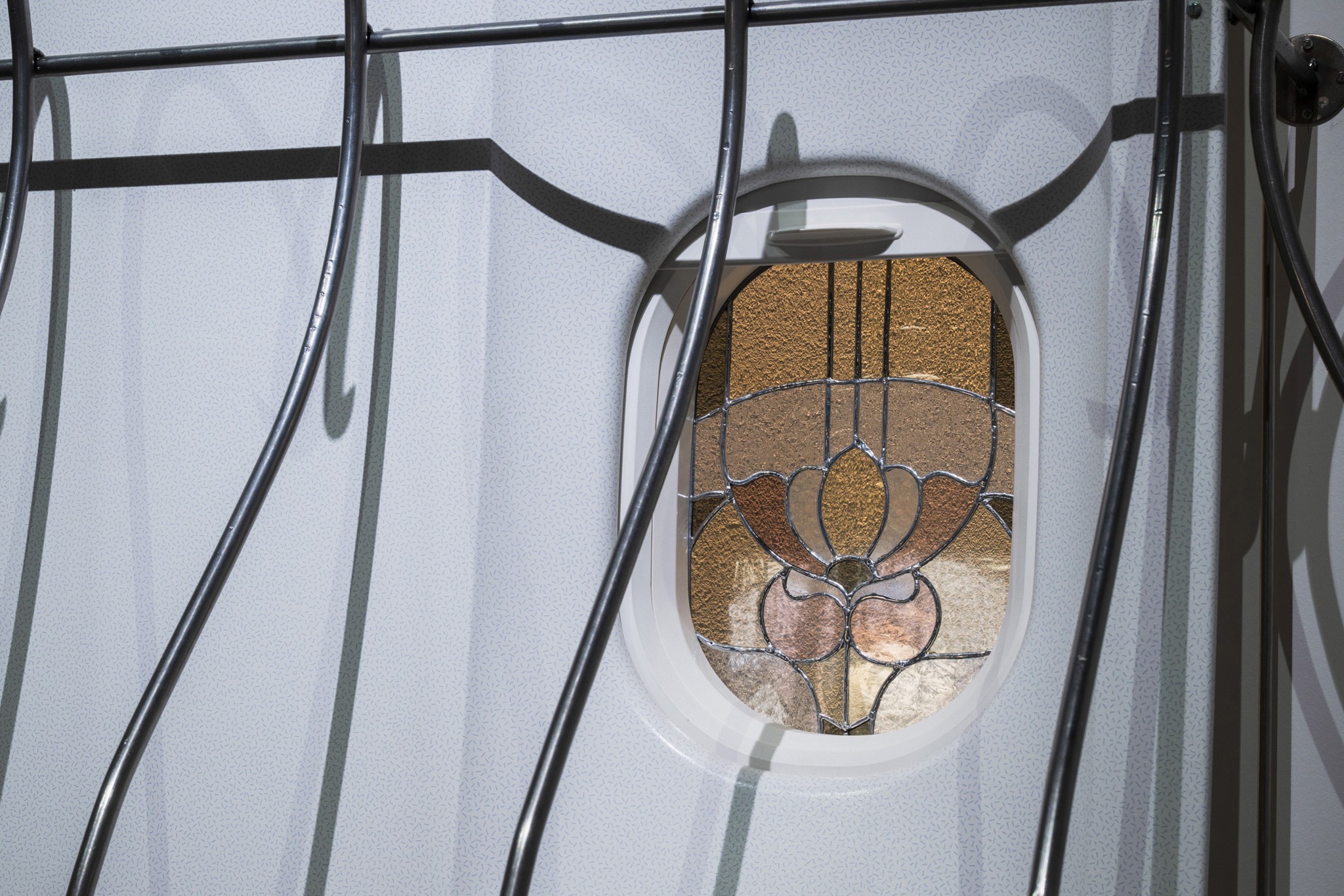
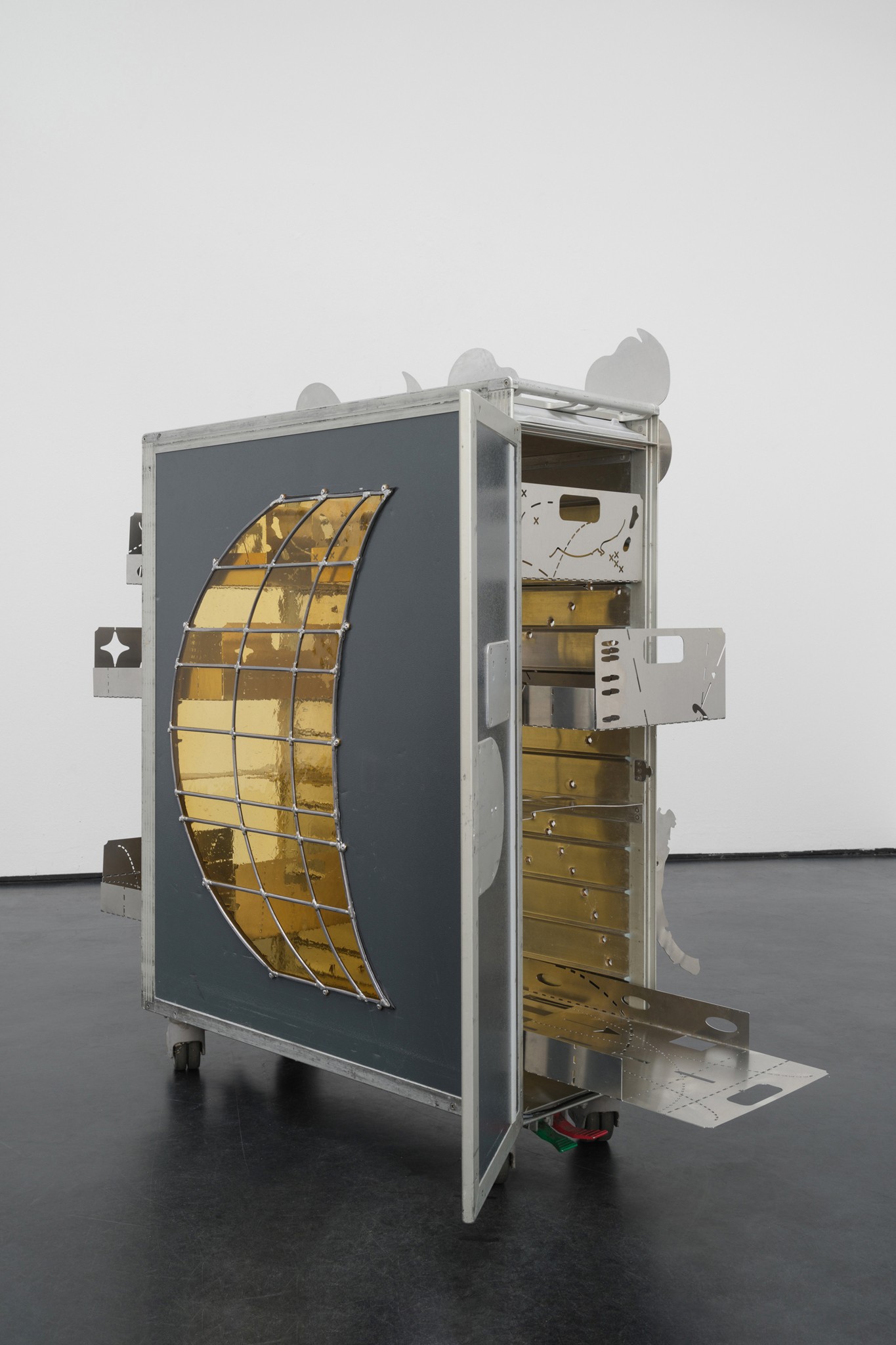
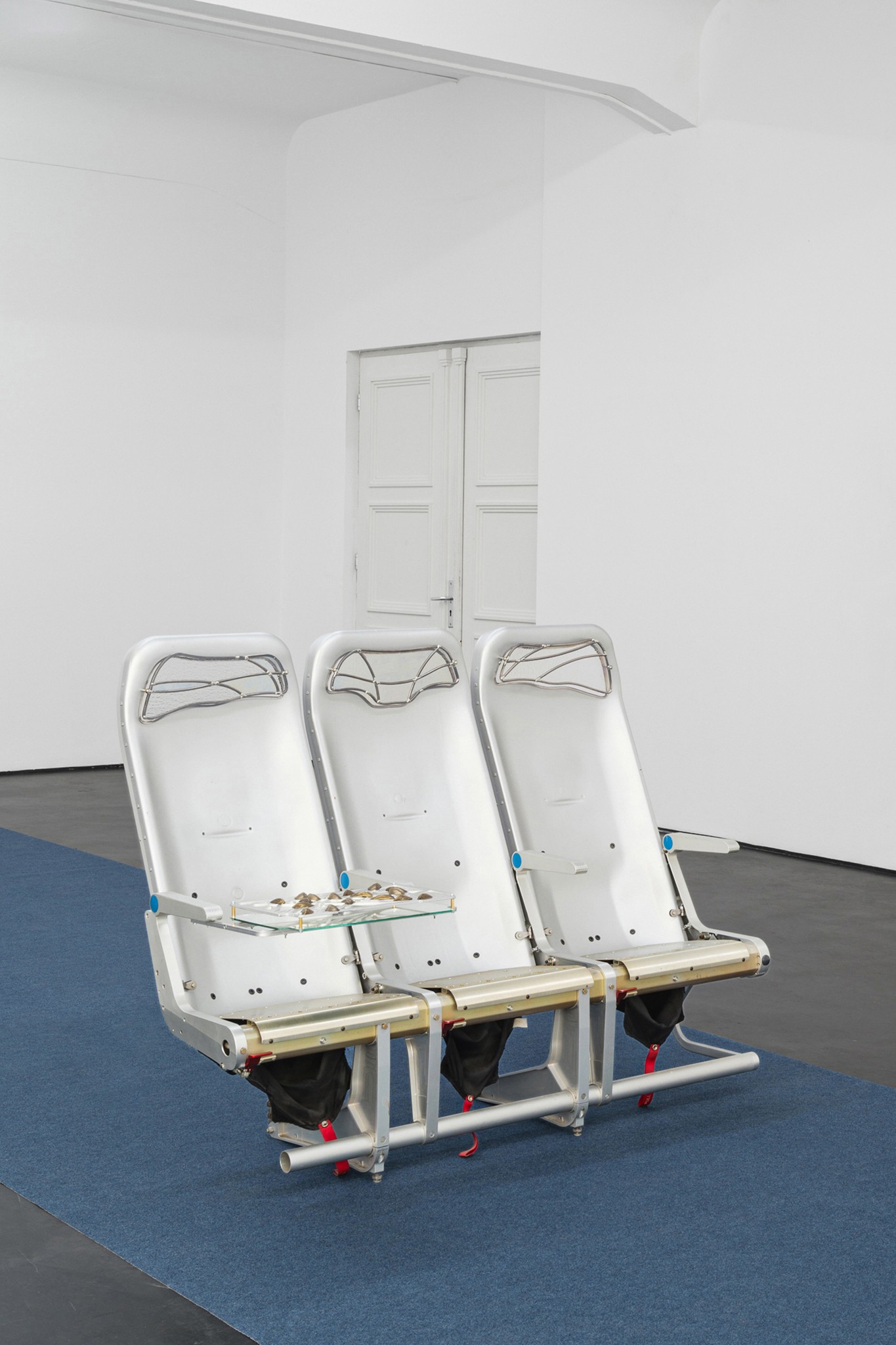
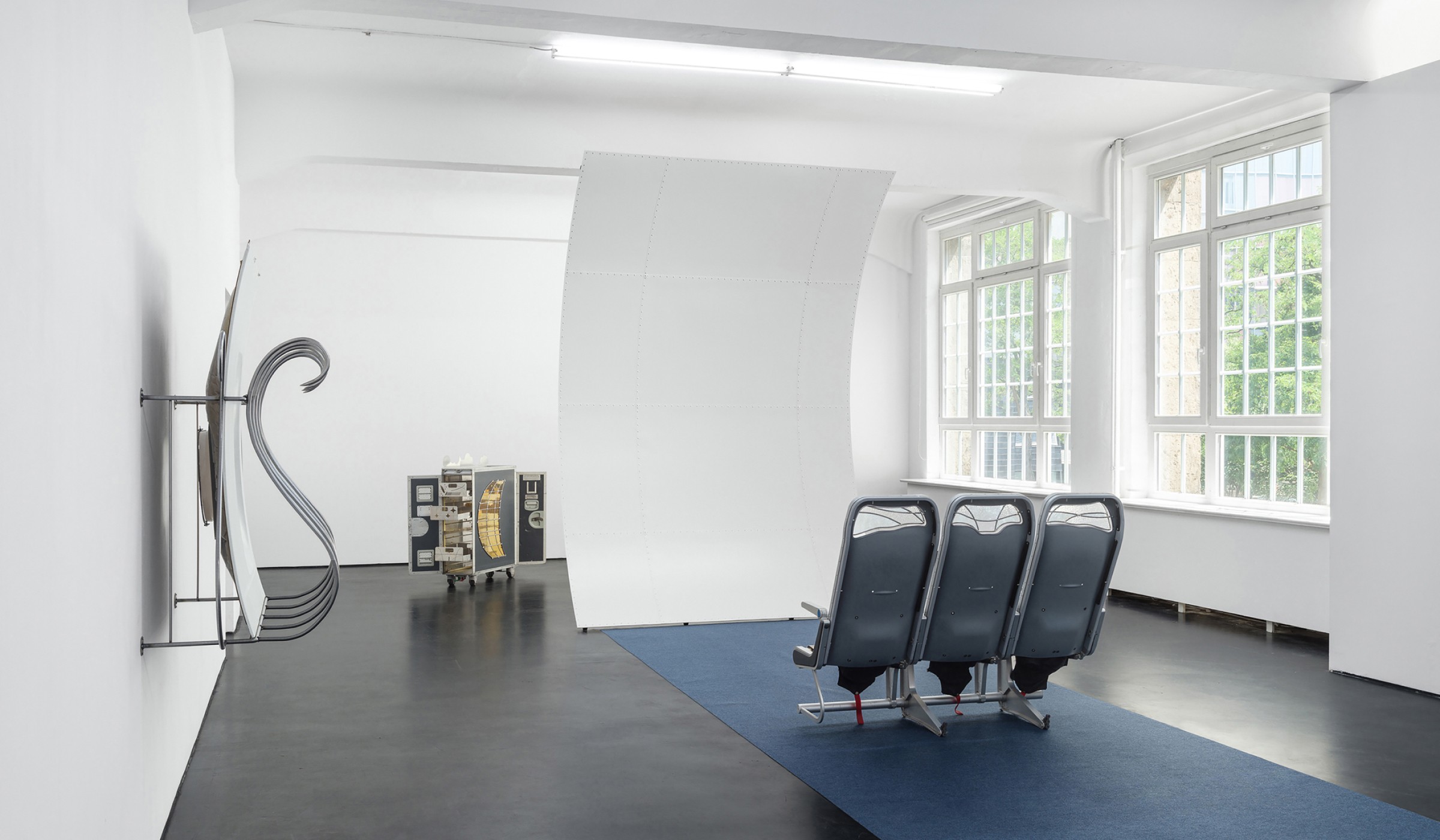
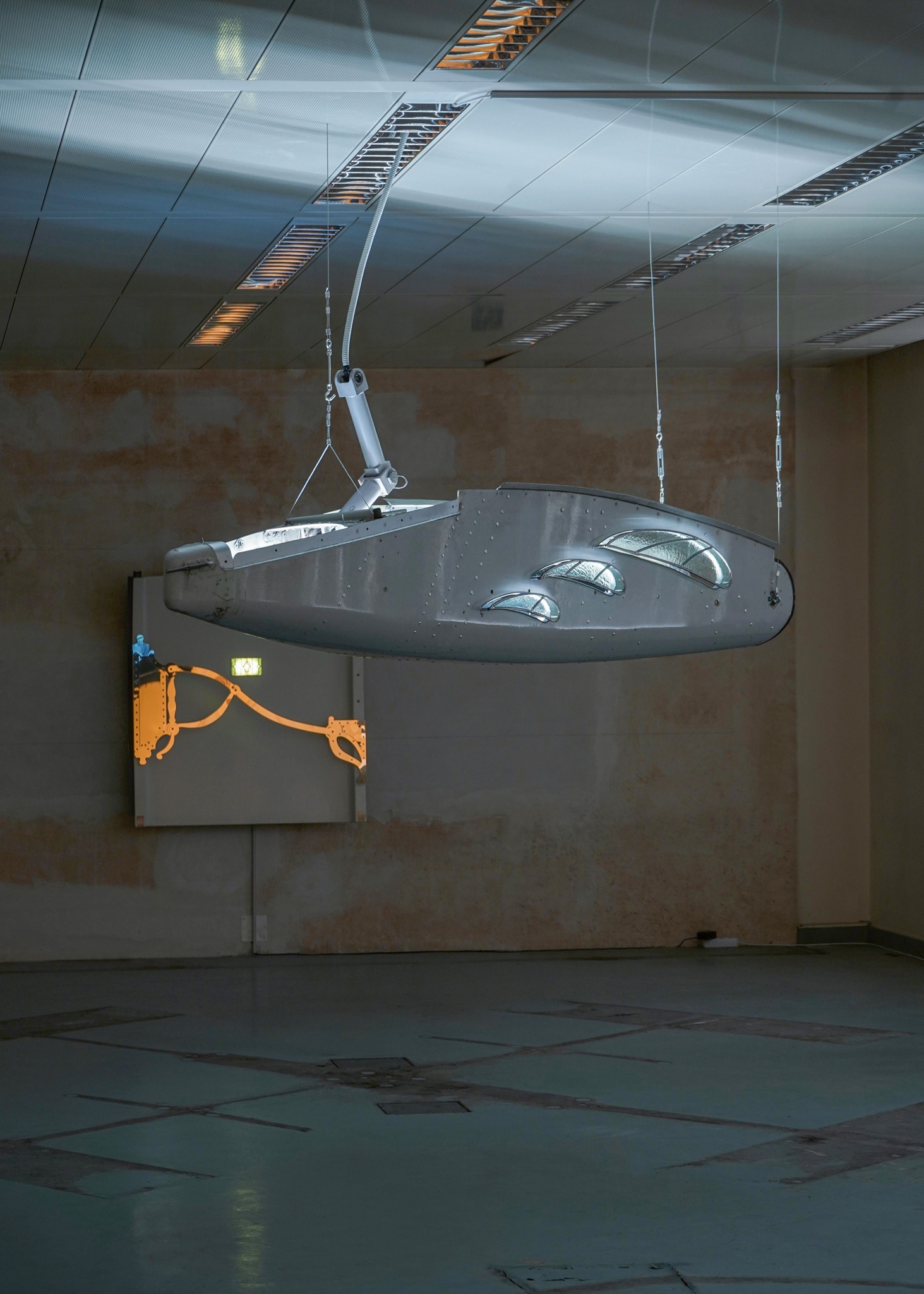
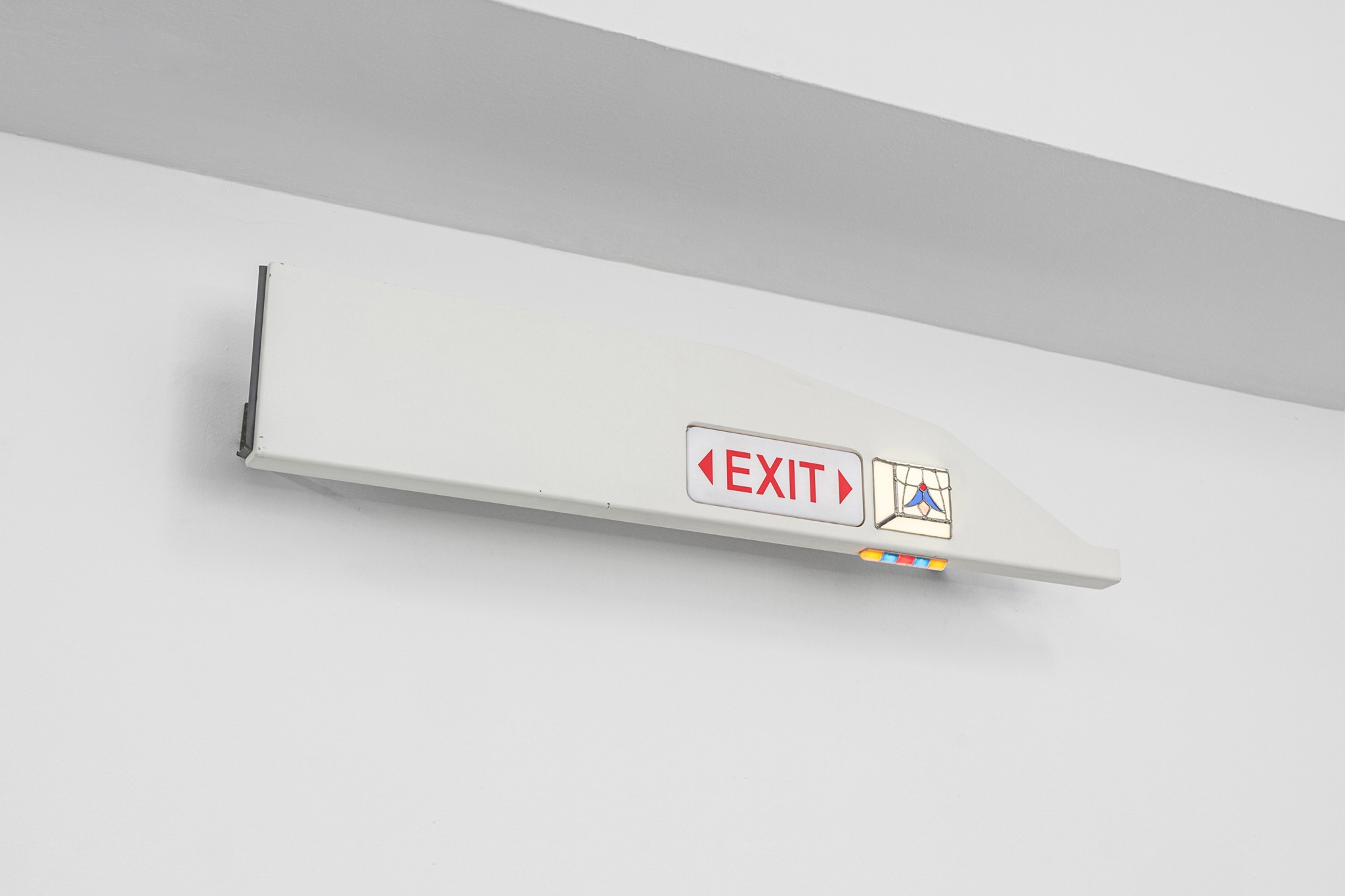
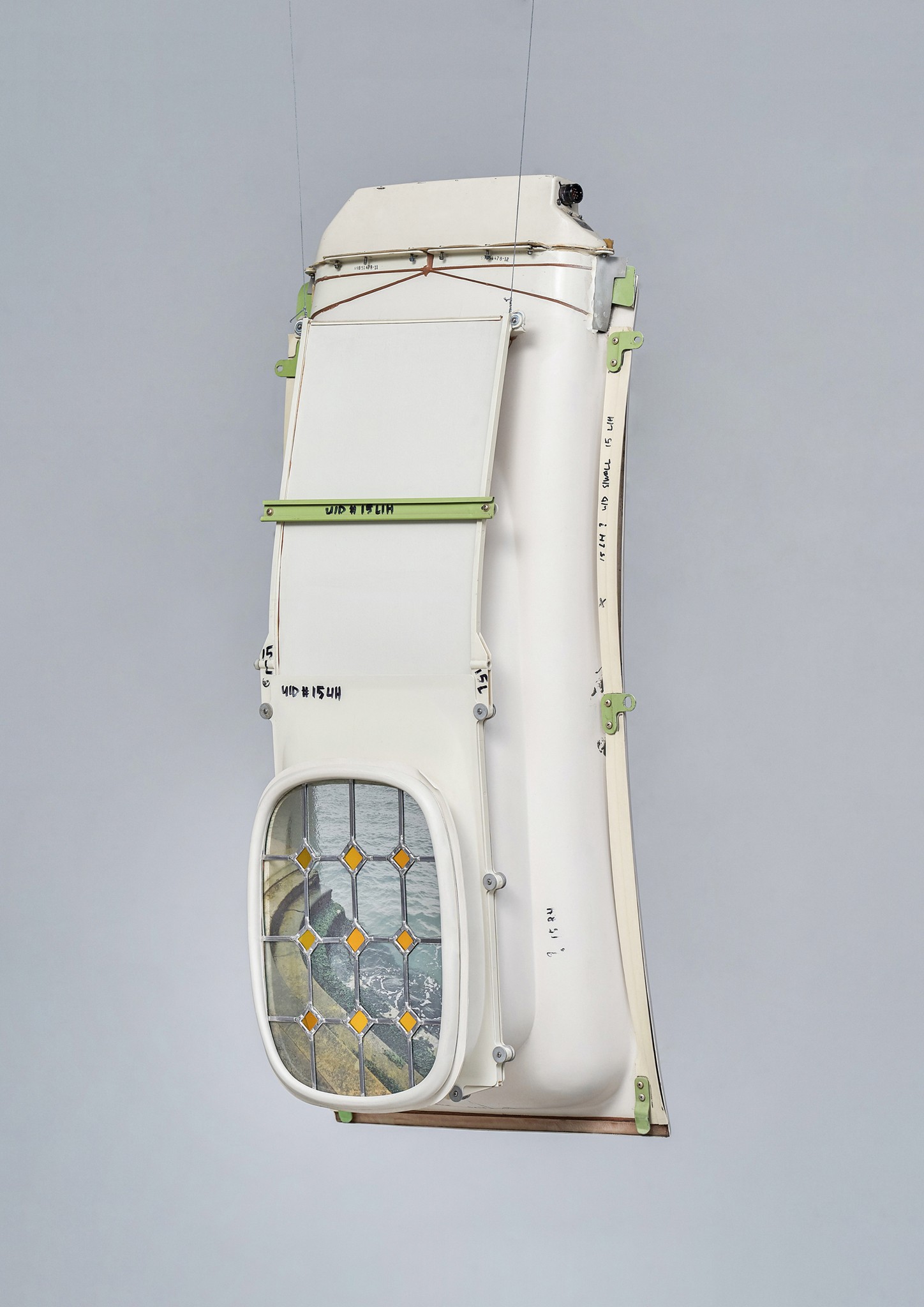
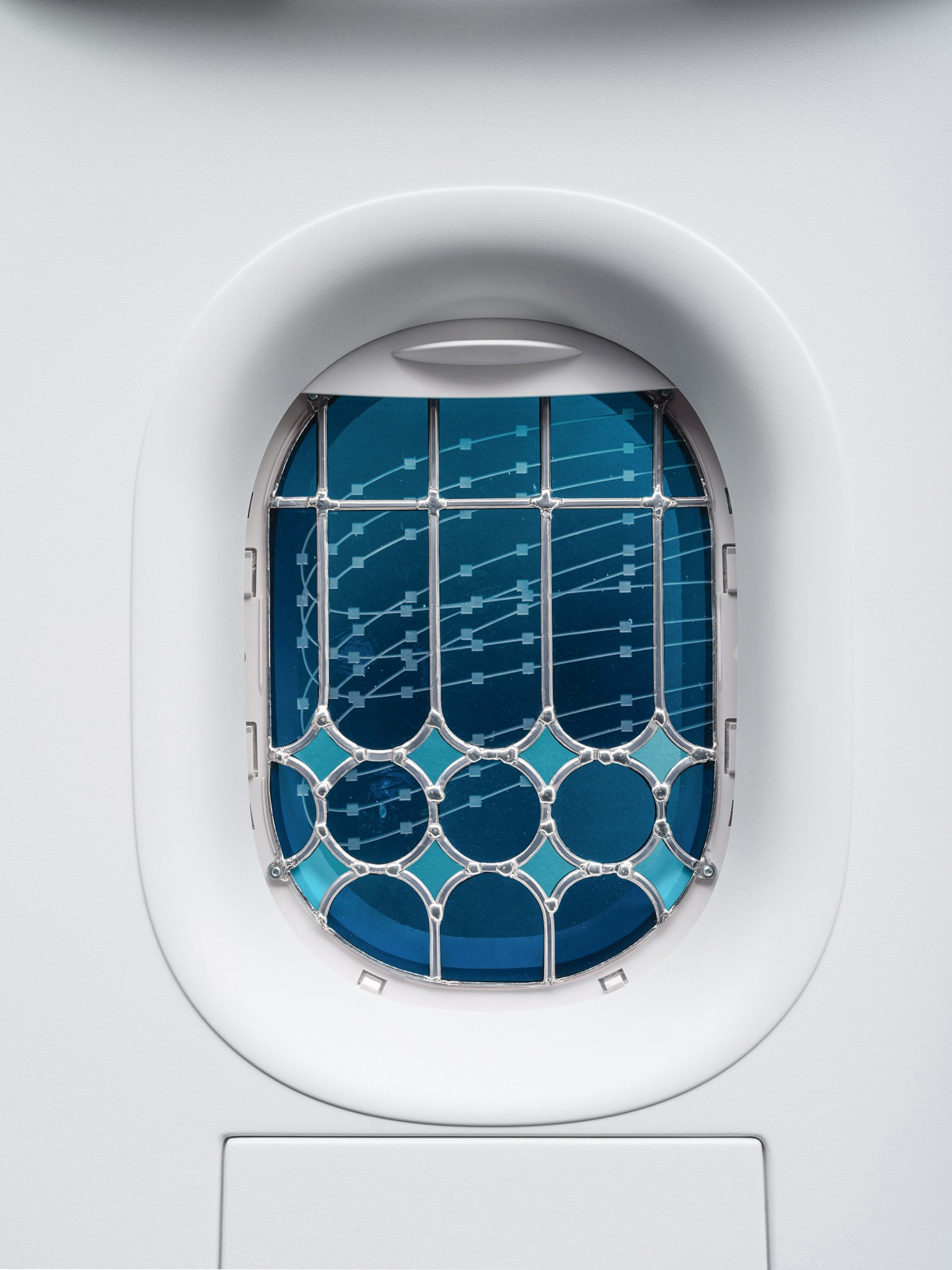
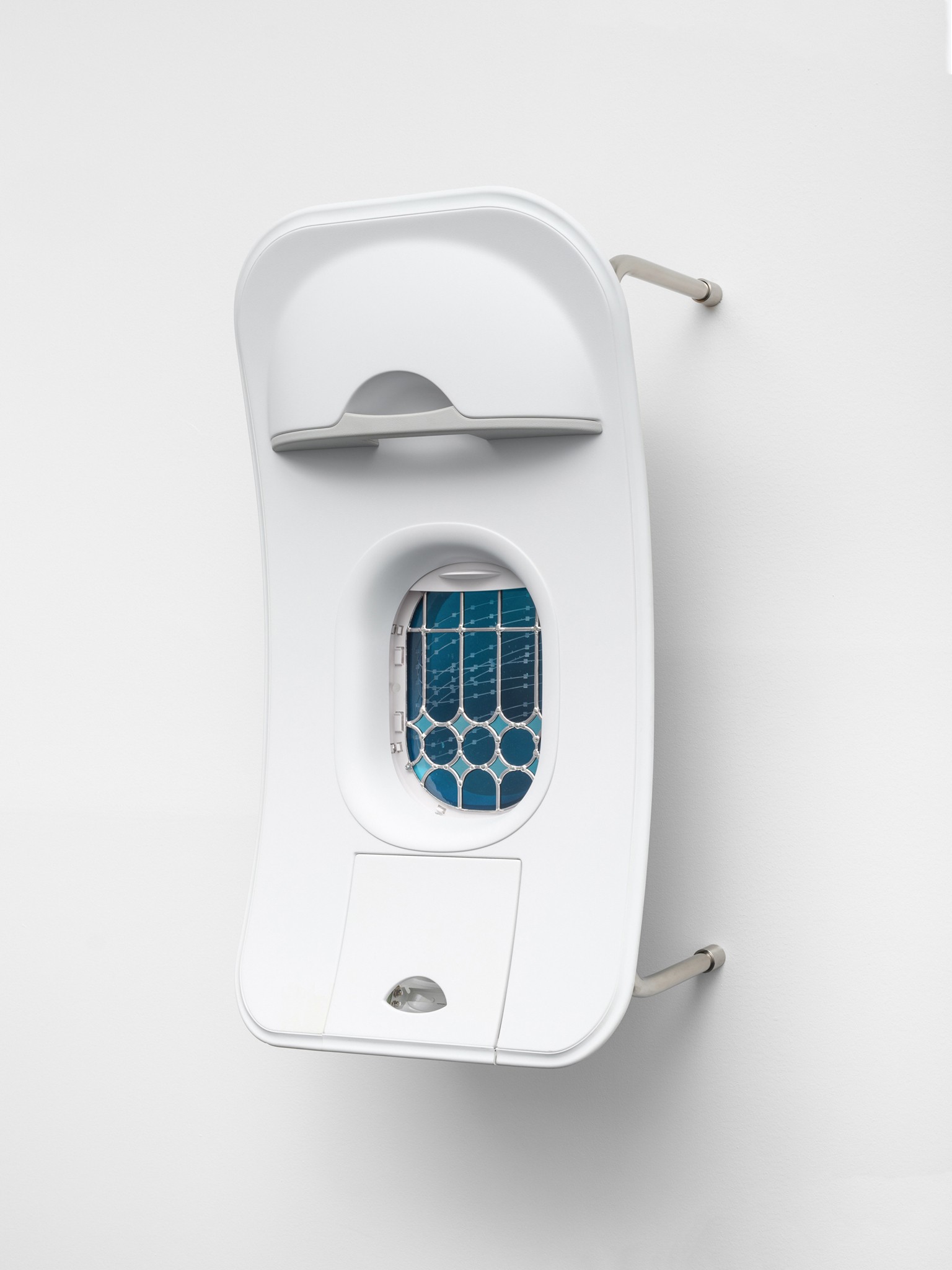
This became a quiet metaphor for displacement and migration, where relocation often precedes understanding, and where arrival does not necessarily mean settlement. Emotionally, the work holds this sense of being carried of allowing oneself to drift while still searching for moments of grounding. In case of emergency break glass engages with a different register of intention one embedded in systems of safety, instruction, and preparedness while also articulating a visual language that sits between habitat and transfer. The work brings together architectural elements and components from transportation materials such as glass and metal that traditionally belong to structures meant to endure over time, and aircraft parts that are engineered to be economical, technical, and lightweight in order to move. While the architectural materials suggest permanence, protection, and dwelling, the aeronautical elements retain the memory of their original context one defined by efficiency, mobility, and constant circulation.
By placing these materials in direct dialogue, the work exposes the tension between staying and moving, between the desire for shelter and the necessity of transit. The phrase itself promises clarity in moments of crisis, yet the object is rarely activated, turning intention into something psychological rather than functional. Emotionally, the work oscillates between reassurance and vulnerability, reflecting how contemporary life is often lived in between habitat and transfer rather than fully within either. Together, the two works suggest that pure intention may not reside in resolution or arrival, but in the ongoing negotiation between surrender and vigilance, movement and pause, permanence and impermanence.
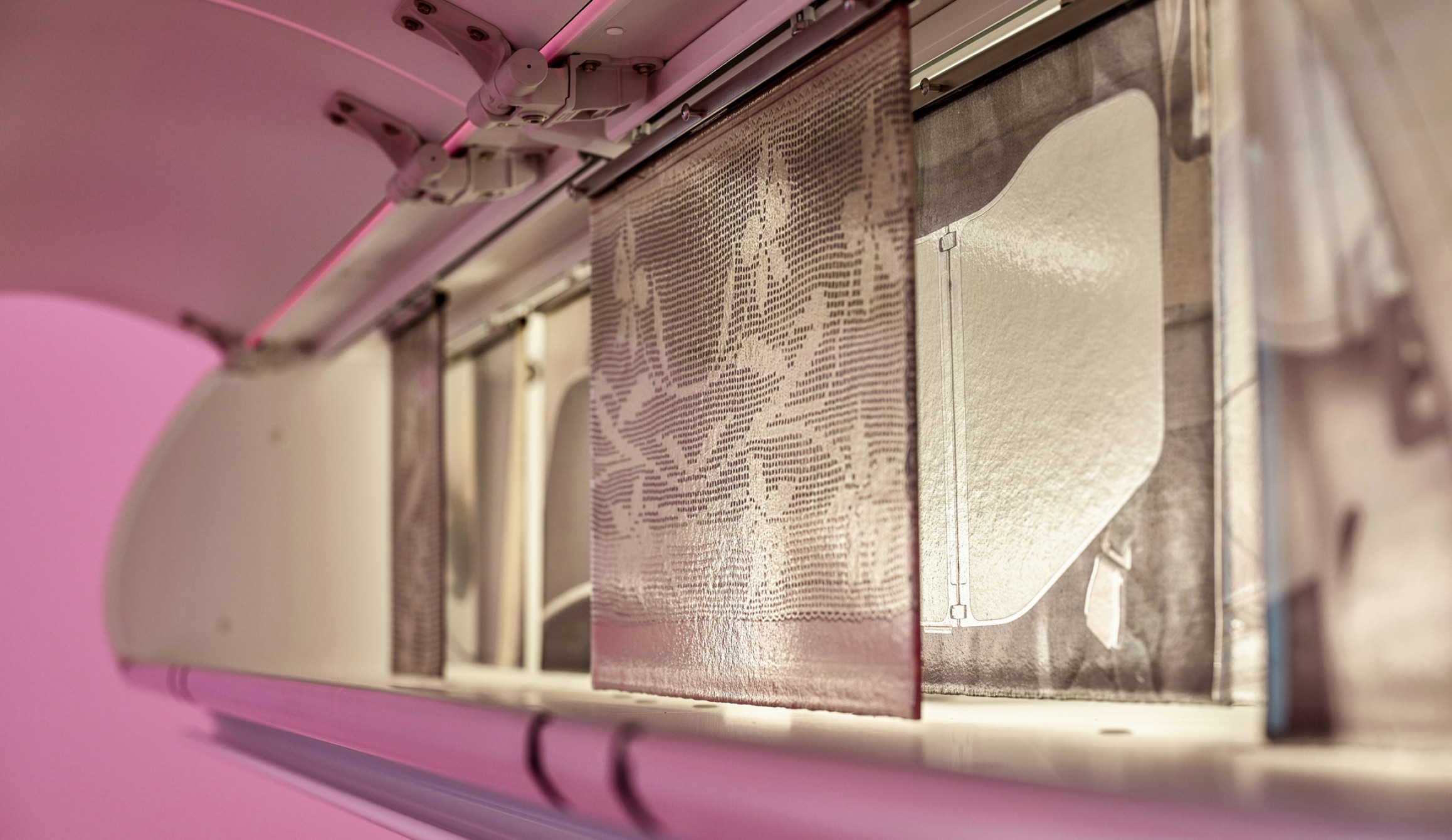
CNTRFLD. Your Aeroplastics series repurposes aircraft windows and interior components—objects designed for transit rather than dwelling. What drew you to these materials for the Biennale, and how do they speak to desire, absence, or displacement within Singapore’s layered urban context?
JYK. I was drawn to these materials because they are designed to exist in a state of passage. Aircraft interiors are engineered to be efficient, economical, and universally legible, yet emotionally neutral. They belong everywhere and nowhere at the same time. For me, this condition mirrors how many contemporary lives are structured through constant movement rather than long term settlement.
Within Singapore’s layered urban context, these materials resonate strongly. The city is shaped by systems of circulation trade routes migration infrastructures and logistics.
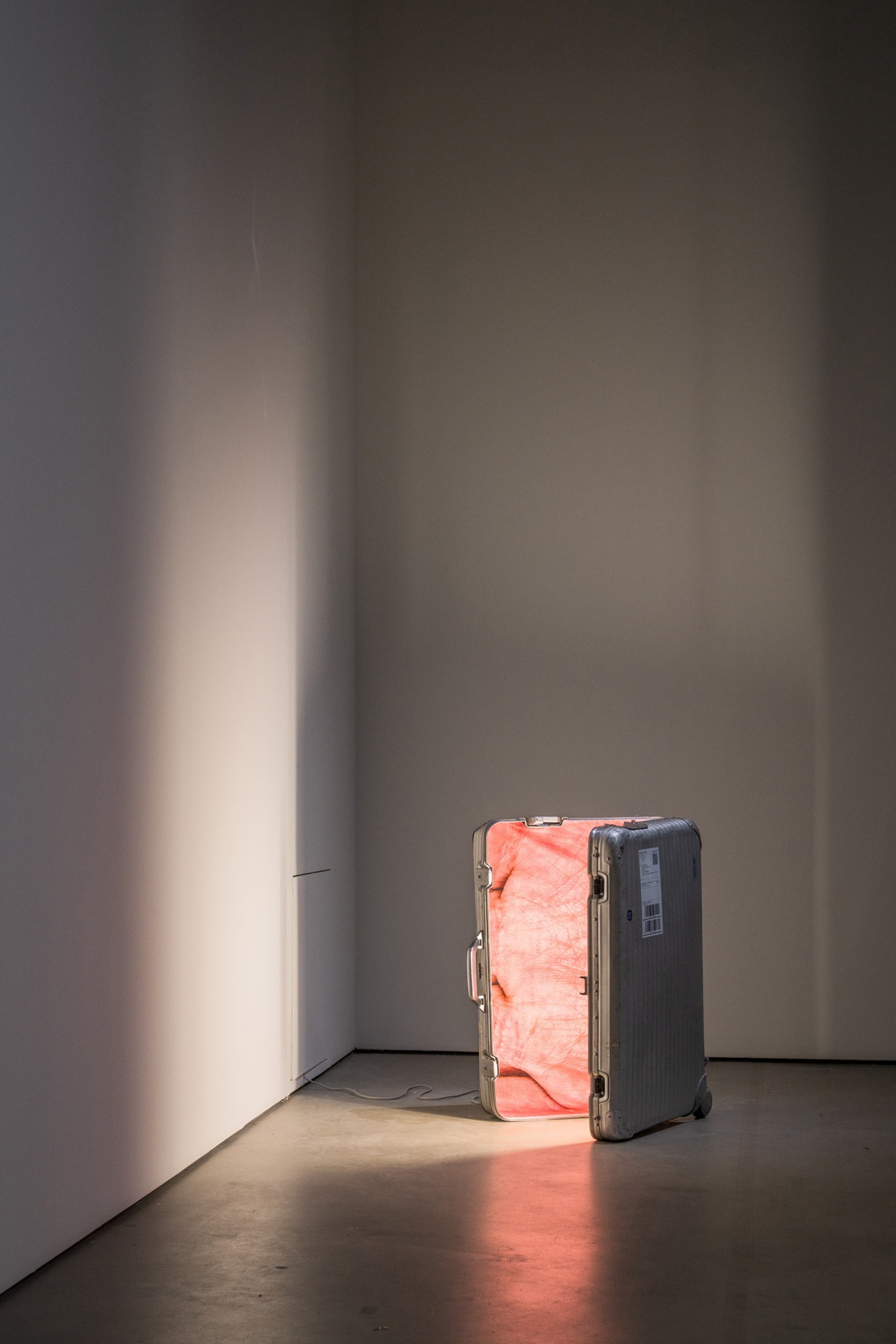
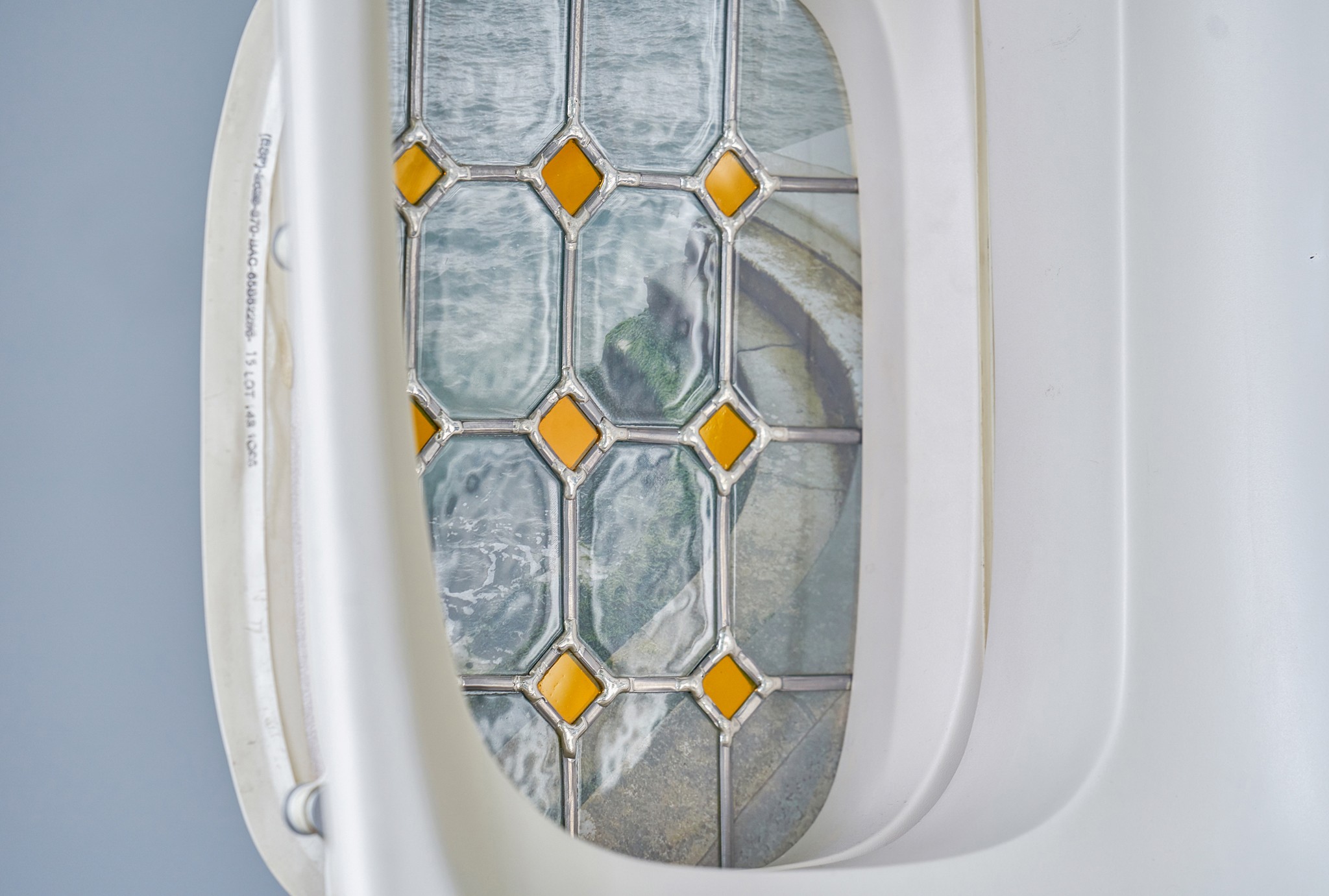
Aircraft windows and interior components carry the promise of connection and progress, but they also produce distance. The window frames a view that can never be reached. Desire is created through separation, while absence becomes a structural condition rather than an exception. In the Aeroplastics series, I repurpose these components to slow them down and remove them from their original systems of function. Once detached from speed and efficiency, they begin to hold memory and emotion. They become quiet witnesses to displacement and longing. In a city where mobility is highly refined, these altered objects introduce a pause, allowing us to reflect on what remains emotionally when movement becomes seamless and belonging is continuously deferred.
CNTRFLD. Growing up in Seoul and later living between South Korea and Germany, are there particular moments or sensations from your childhood that you now recognise as shaping your sensitivity to movement, in-betweenness, or transition in your work?
JYK. I do not recall my childhood experience of Seoul as something particularly striking at the time. It was a familiar setting, almost too close to be consciously observed. The city existed as the background of everyday life rather than as something I reflected on. It was only after living in different cities in Europe that these memories began to surface. Distance created the space necessary for reflection. In unfamiliar environments, I noticed myself searching for fragments of recognition small similarities in atmosphere, rhythm, or spatial logic that echoed places I had known before. Even as a stranger in a new city, there was a strong impulse to reconstruct a sense of familiarity through comparison. I began to realise that many city infrastructures resemble one another. They are standardised, modularised, and shaped by global systems of circulation and efficiency.
Paradoxically, it was within this sameness that I felt a certain comfort and connection. These repeated forms offered orientation, a sense of relation, and even beauty. They allowed familiarity to emerge without relying on personal memory or cultural specificity. This experience has strongly shaped my sensitivity to transitional states. It made me aware that belonging can be produced through repetition rather than rootedness. In my work, this translates into an interest in spaces that are neither fully foreign nor fully personal, where standardisation becomes a quiet form of shelter and where identity is continuously assembled through movement rather than fixed location.
CNTRFLD. Much of your practice reflects the psychological space of travel—airports, waiting, suspended time. How has constant movement shaped your understanding of identity, and how do you see travel functioning as both a freedom and a form of alienation in your work?
JYK. Constant movement has shaped my understanding of identity as something fluid and situational rather than fixed. Travel initially felt like a form of freedom, a way to expand perspective and step outside inherited frameworks. Moving between places allowed me to observe myself from a distance and to imagine different ways of being. Over time, however, I became more aware of the alienating aspects of mobility. Repeated movement disrupts continuity. Airports, waiting rooms, and transit spaces reduce the individual to documents, numbers, and procedures. Identity becomes temporarily suspended, flattened into systems of control and efficiency.
In my work, these spaces embody a double condition. They are sites of possibility and anonymity, but also of detachment and emotional thinning. Travel offers freedom through movement, yet it also produces a sense of dislocation and fragmentation. This tension between expansion and loss is central to my practice. I am interested in how identity is reshaped within these suspended environments, where time slows down and the self exists briefly outside of stable social or geographic coordinates.
CNTRFLD. You’ve spoken about feeling a “split” in your sense of self after living away from South Korea for many years. How do you understand your diasporic experience today, and how has that understanding shifted as your practice has matured? Living and working between Munich and South Korea, what does each place offer you—artistically, emotionally, or practically—and how do you decide where to situate yourself at different moments in your life and career.
JYK. Earlier in my life, this split felt uncomfortable and unresolved. Living away from South Korea created a distance that was not only geographic but also cultural, social, and linguistic. Over time, I began to recognise this split most clearly through the way I use language. I noticed that I could articulate complex ideas more easily in English, particularly in writing, than in Korean. English offered a certain neutrality and elasticity, while Korean remained emotionally dense and relational. At the same time, German entered my thinking through specific terms that carry structural and conceptual precision. These words did not function as translations, but as tools shaped by the systems I was living within. Language began to reflect how my thinking itself had become distributed across contexts.
This multilingual condition made the split tangible. Thought no longer moved in a linear way within one cultural framework, but shifted depending on situation, audience, and intention. Rather than experiencing this as fragmentation, I came to understand it as a reorientation. As my practice matured, I stopped searching for a unified or original position. The in between became a productive space where translation, delay, and specificity coexist. Diaspora, for me, is not a state of loss, but a condition that reshapes perception and allows a more layered understanding of identity and belonging.