CNTRFLD. In Exit–Entrance and other projects, you’ve brought together diverse voices across language, religion, and culture. What draws you to these polyphonic conversations, and how do you decide what form they take—whether installation, drawing, or sound?
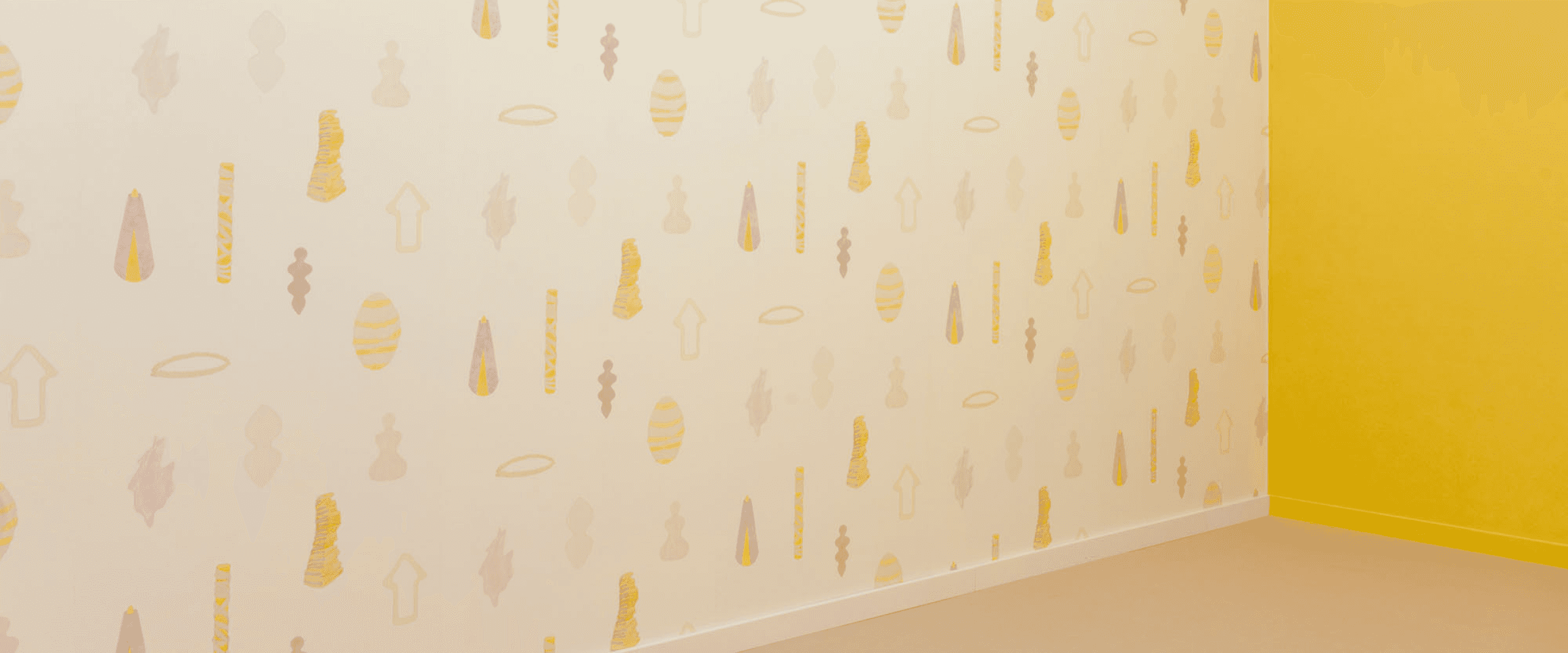
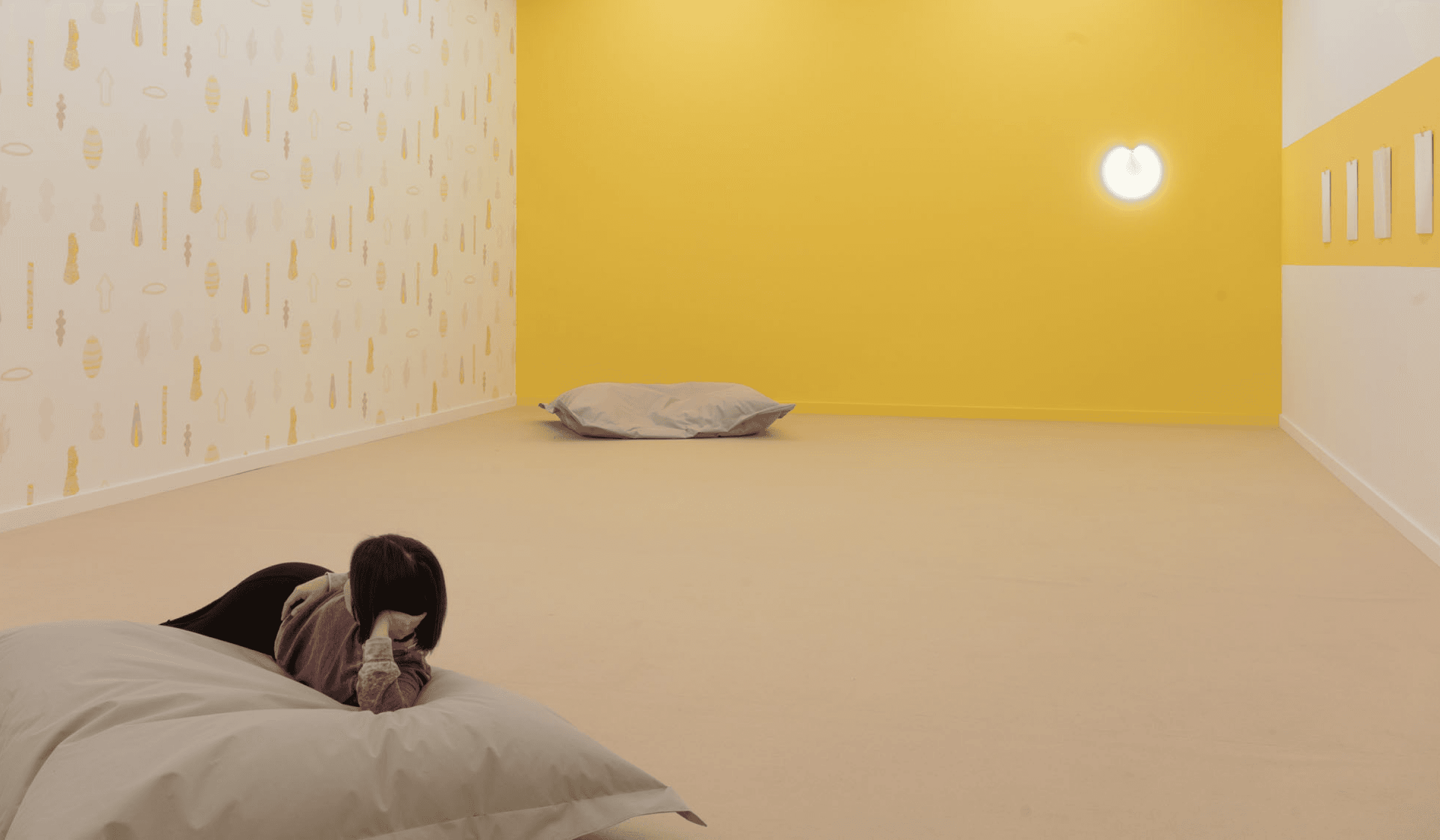
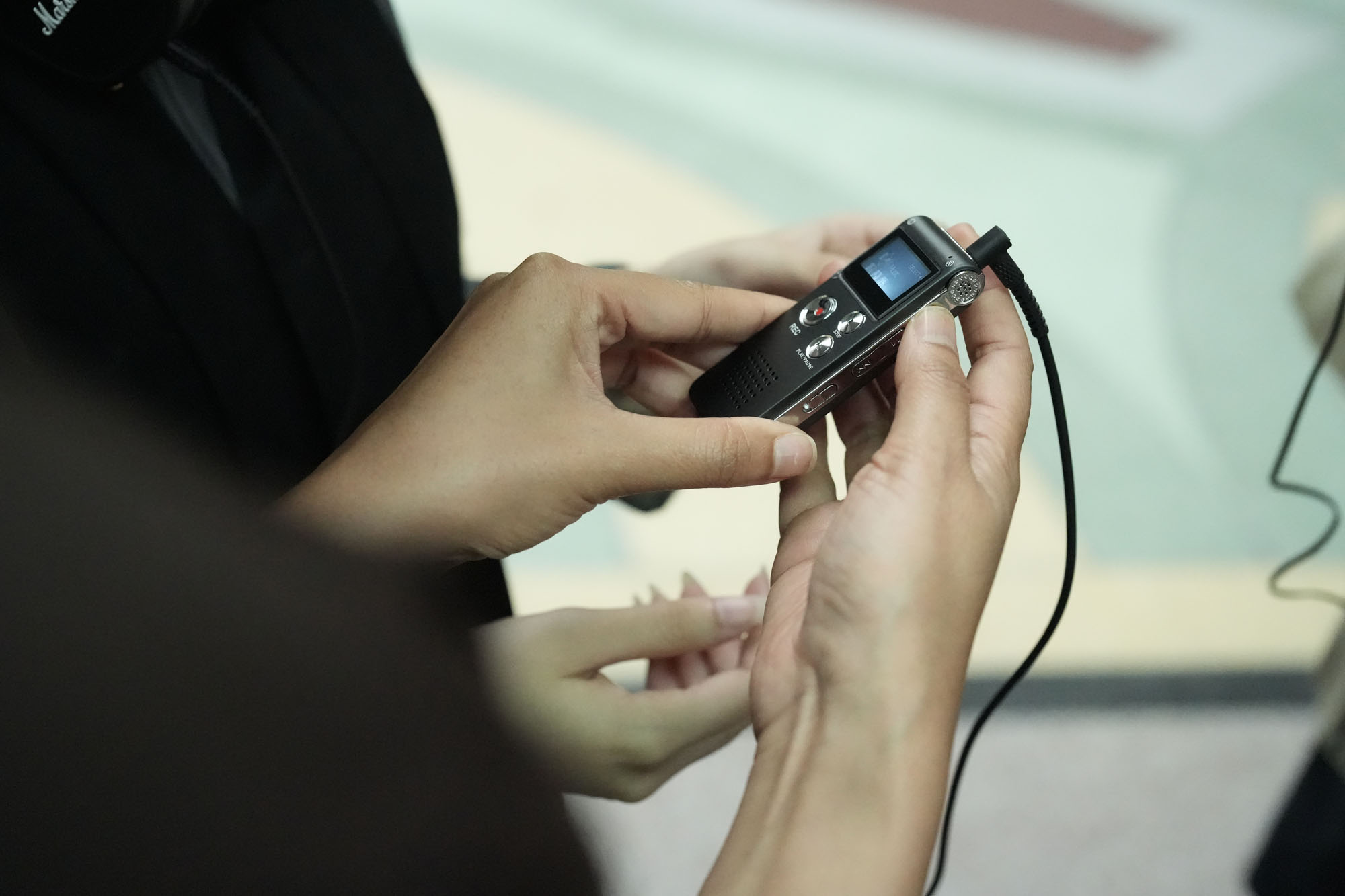
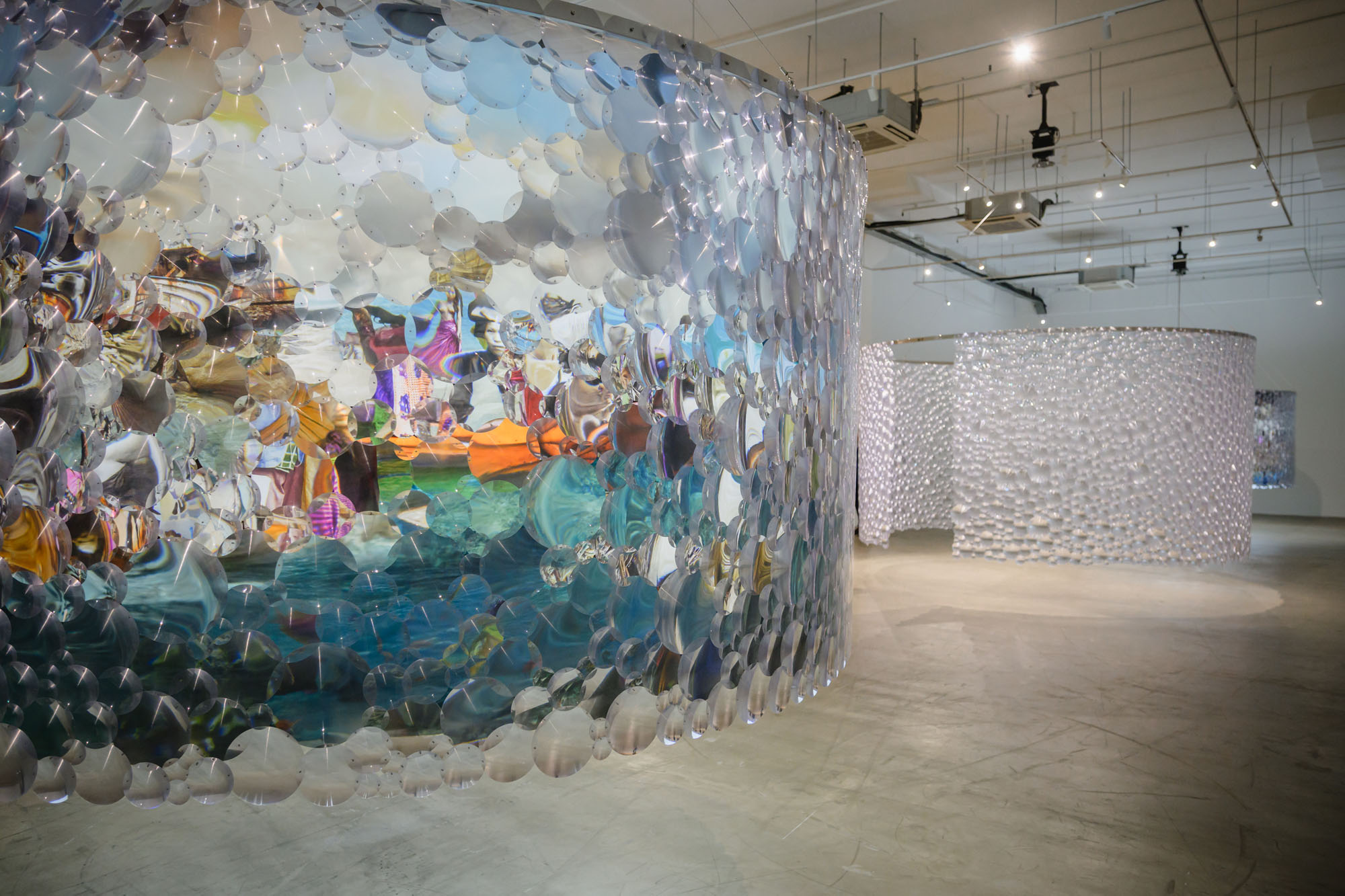
AO. I’m drawn to conversations with people from different backgrounds and languages. Exit–Entrance,2017 was the first work I created during my artist residency at the Künstlerhaus Bethanien in Berlin. It connects ten people like a map, guiding the audience through shared spaces. I spend time observing and listening in each location, which shapes the work. I use drawing, sound, or installations as tools to communicate. In this piece, I used four languages in a sound installation so the audience could feel a little lost, but they can explore ten drawings on the wallpaper based on conversations with each person. The forms might not be clear at first, but they invite closer attention and connection. The installation encourages listening and reflection. Elements come from the places I met the people temples, parks, living rooms, markets creating a familiar, human-scaled presence. Even sitting on a cushion in the sunlight, the audience might catch a phrase or melody that lingers, or drifts into sleep in the space.
CNTRFLD. Language and translation appear as both material and metaphor in your work. How do you think about the different languages you use—Thai, German, English, Vietnamese—as shaping the meaning and reception of your art?
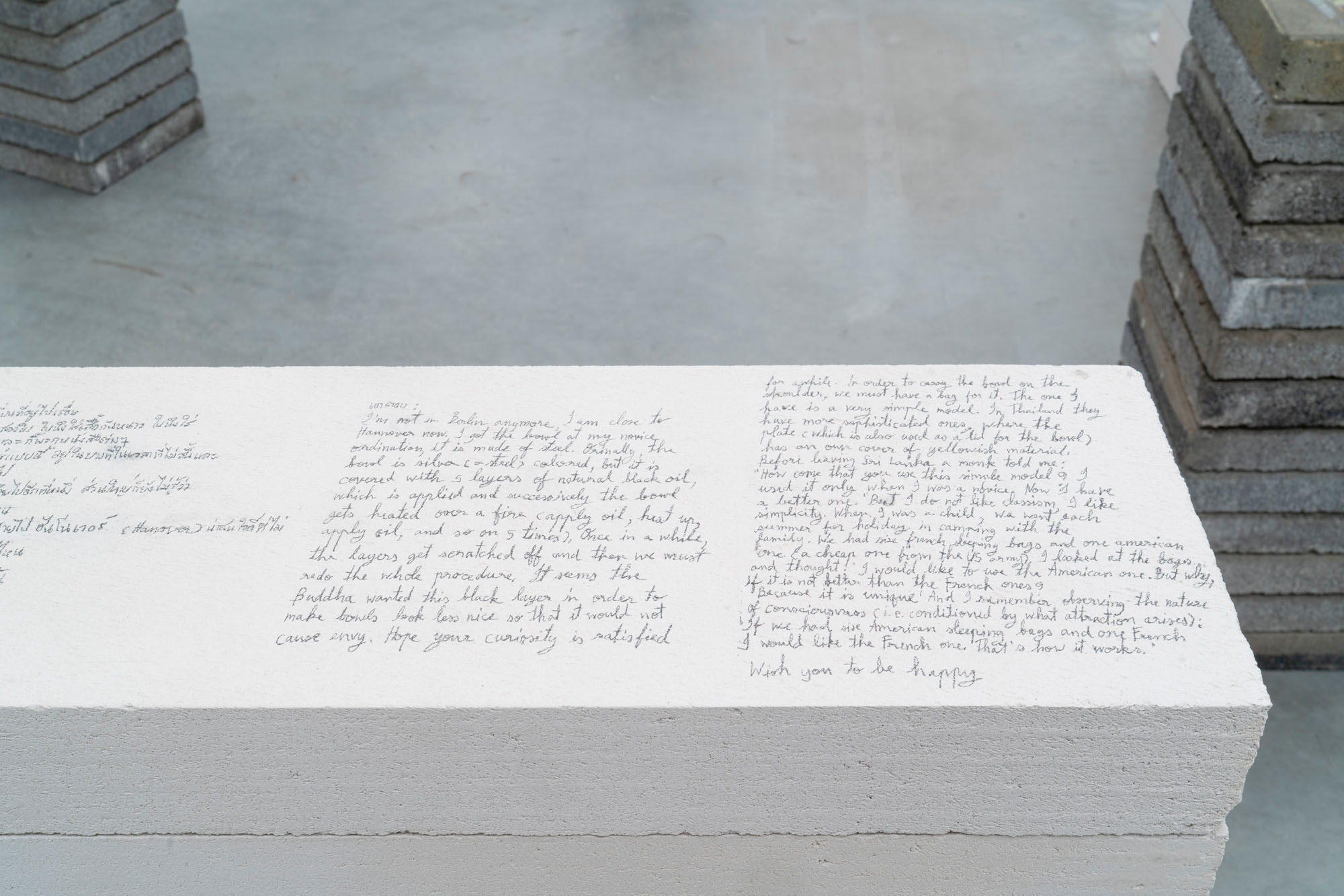
AO. For me, each language carries not only words but also worldviews. Thai has its rhythm and intimacy; English often acts as a bridge. I don’t speak German or Vietnamese, but I live with their sounds, noticing how they shape the space around me. These sounds and rhythms become part of my work. I don’t see translation as completing meaning, but as exposing gaps—moments when something can’t be fully transferred. Those pauses invite reflection and remind us that communication is never total, always ongoing. Visual elements, including drawings, act as a universal language, helping bridge people and my work. For installation, I use human-scale spaces, familiar materials, and open layouts, allowing viewers to choose how to engage. In many works, people can find their own sequence of looking, while the arrangement of sound, text, and imagery encourages them to pause, notice details, and explore at their own pace, without imposing a single direction.
CNTRFLD. You're participating in Ghost: Bodies Dispossessed, curated by Christina Li. Could you share what this project means to you, and how your contribution explores ideas of displacement, spiritual presence, or collective memory?
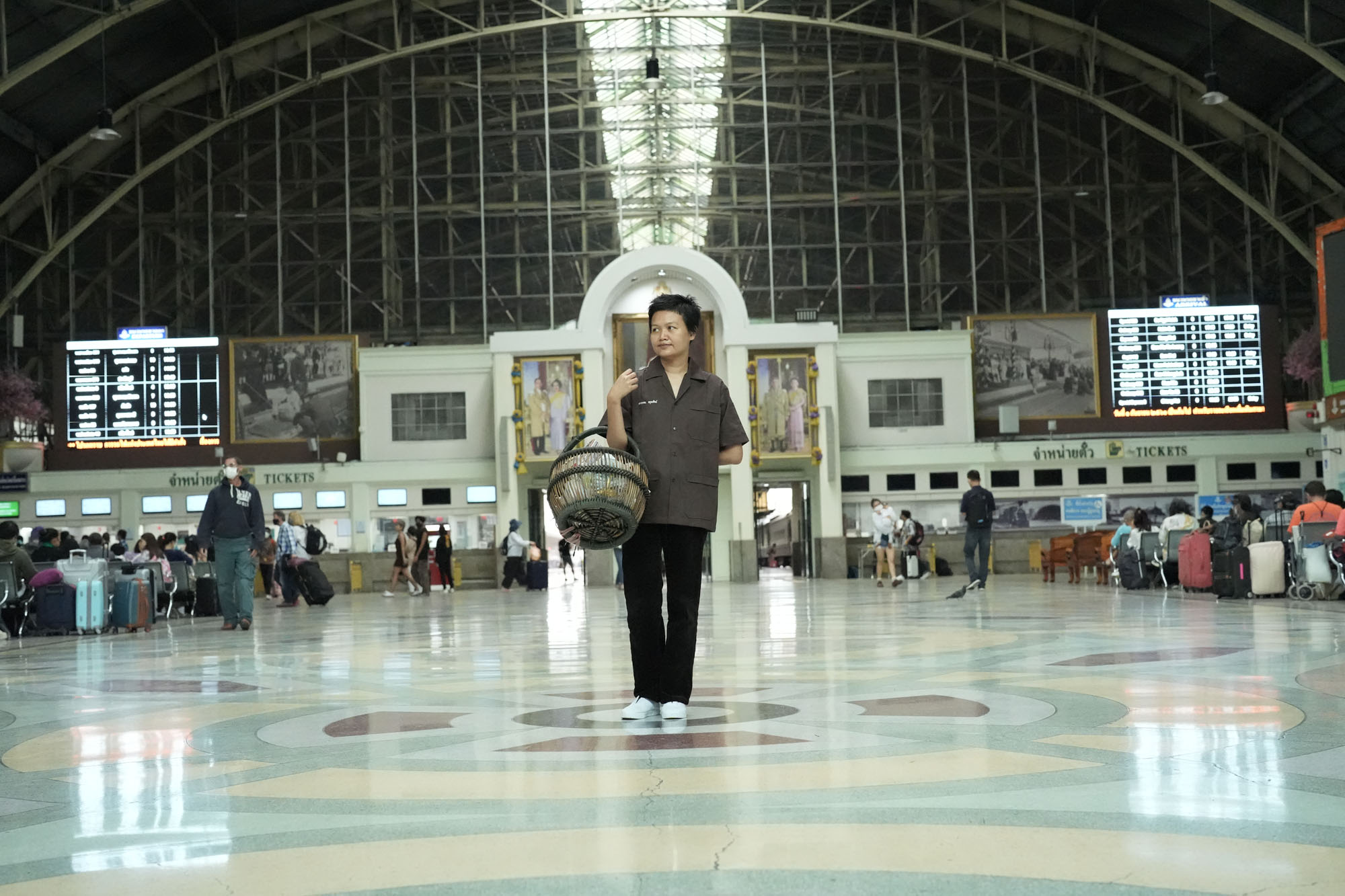
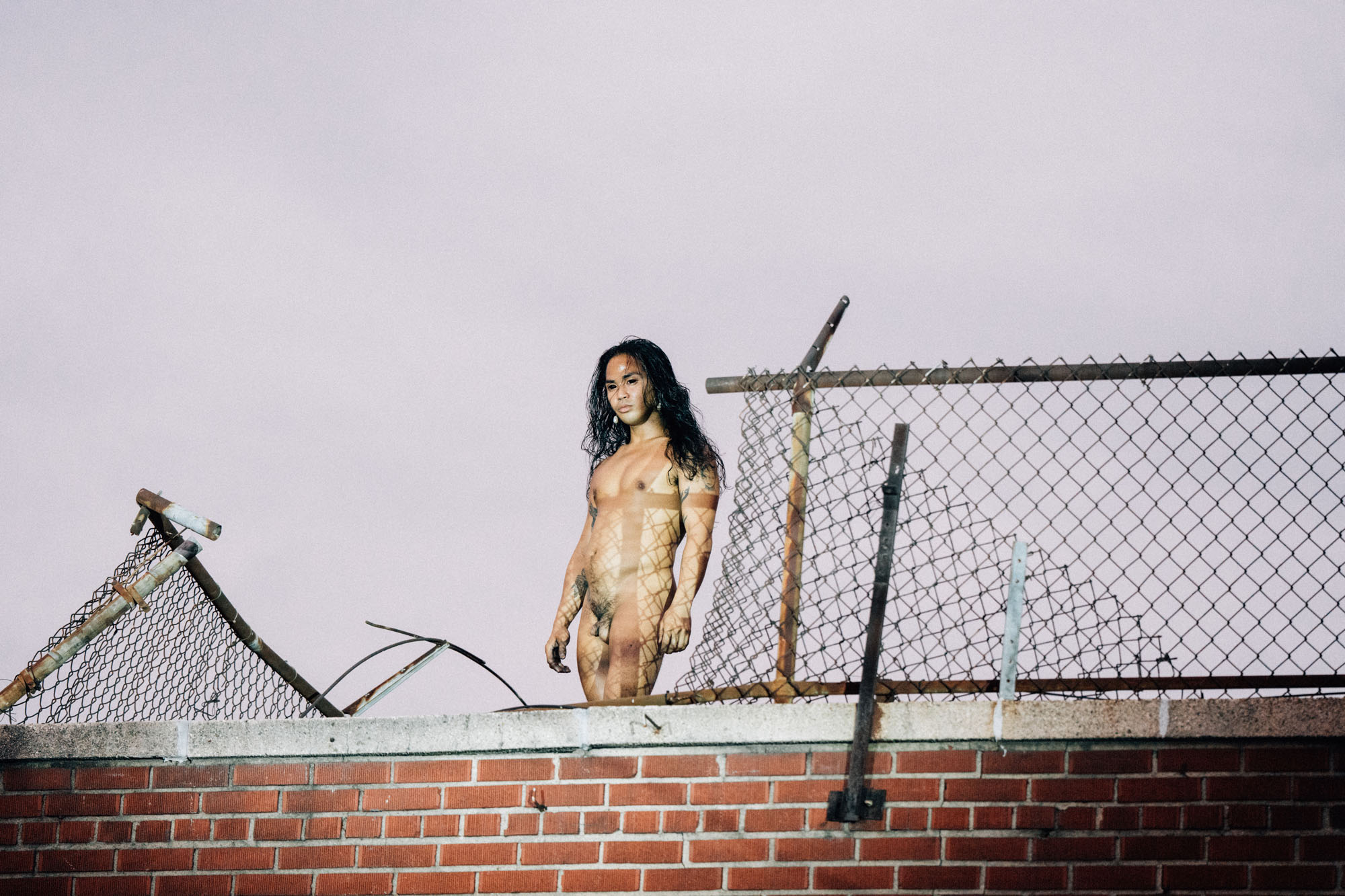
AO. I am participating in Ghost: Bodies Dispossessed, continuing my collaboration with Christina Li from Ghost 2565: Live Without Dead Time. I am deeply grateful to her, the team at BANGKOK CITYCITY, my family, and friends, who guided me back to my home which holds deep meaning for me and supported the development of this project and new work. That earlier project, Audio Walk: Rituals on Walking (2022), inspired me to return to Hua Lamphong Station and create an audio walk with my family and neighbours, performed with participants joining the experience. For me, the “spirit” never disappears, and the “body” here refers to remembrance and reflection. The work I am developing with Christina Li is like a shared listening and remembering her body as a curator and my own body extending to other bodies, through displacement, spiritual presence, or collective memory. All of this is an act of remembrance that continues to inhabit and persist.
My new work, Nirat of Parallel Rails (นิราศรางคู่), uses words, voice, and melody to move like a Nirat (a traditional Thai travel poem that traces journeys, emotions, and reflections) inhabiting the bodies of narrator, listeners, and those who remember. It is presented as video and performance.
CNTRFLD. You’ve also been working on นิราศรางคู่ – Nirat of Parallel Rails, which draws from a Thai poetic tradition and family histories. What new directions is that project taking, and how do you see it evolving?
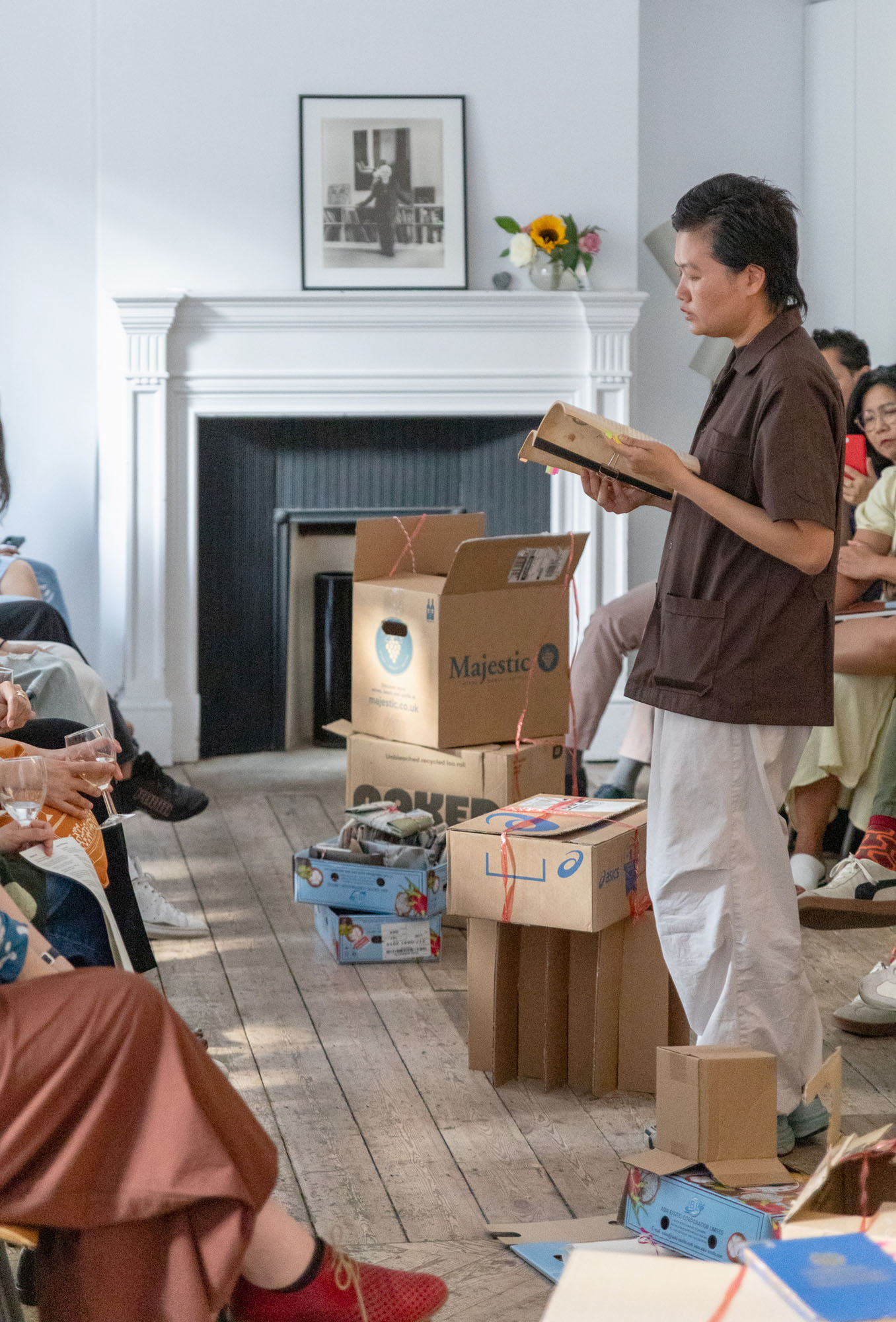
AO. Nirat of Parallel Rails is a long-term project inspired by Thai poetic tones and my family’s connection to the railway. It’s a new way of presenting my work and exploring stories that might have been forgotten or left untold. This version is multi-sensory: words, voice, melody, performance, and images move together so the audience can experience the work fully. Some melodies come from my mother’s lullabies or Thai lessons, creating a listening experience that invites careful recollection. I also believe that sound, whatever the language, sparks curiosity. I use Thai because it’s my first language and feels close to me, while translations take a visual form for people to understand or simply enjoy the sound. The project started in the UK during my residency at Delfina Foundation, where I wrote at Victoria Station and Waterloo places tied to railway history and travel. I also reflected on moments like Queen Victoria giving a model train to King Rama IV, showing how stories and objects travel across time and space. Looking ahead, the project will follow railway routes, collect stories and layer them into evolving records of memory, presence, and connection with people and places.
CNTRFLD. In a world that often prizes fast consumption and spectacle, your work emphasizes quiet observation and daily rituals. What do you hope audiences take away from spending time with your work?
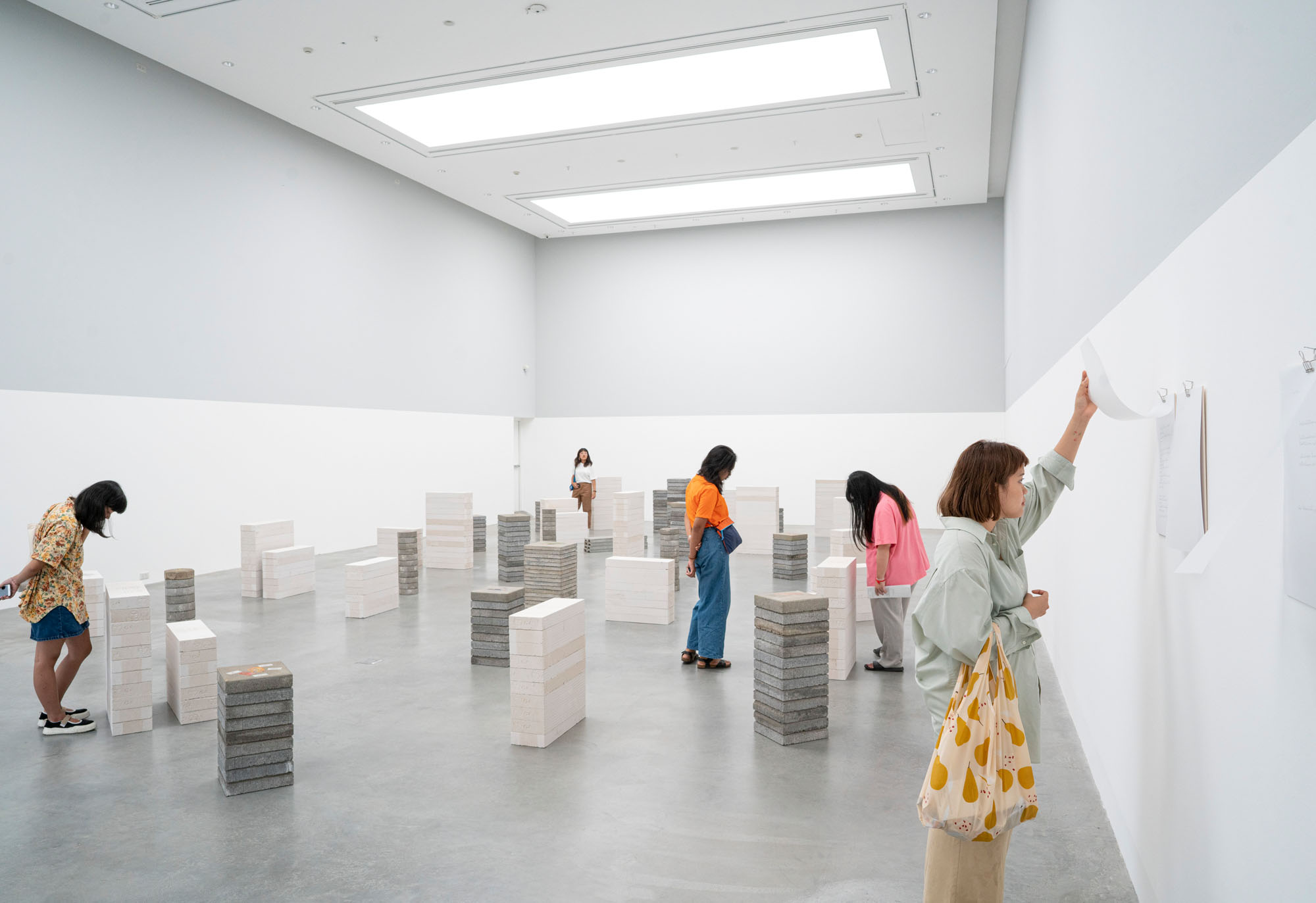
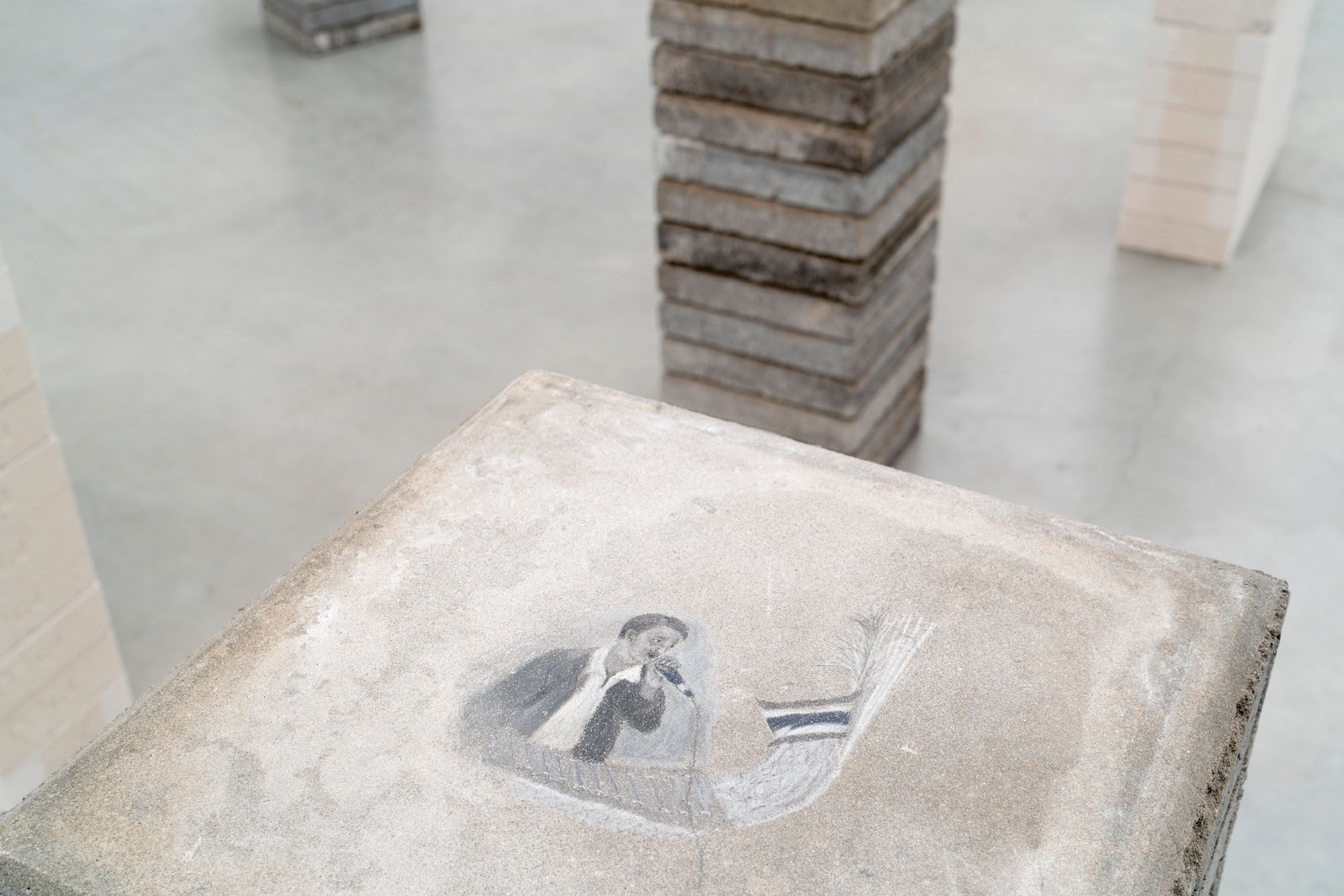
AO. At the very least, I hope viewers experience a moment to slow down and choose their own way of engaging with the work. My practice often begins with observing overlooked details, and I quietly hope that by bringing these small points to attention, people can take time to explore them and find their own direction. The forms of the drawings, the words and sounds of the language—even those not immediately understood can create curiosity. Through the installation and placement of drawings, I try to leave space for personal time, reflection, and discovery.
CNTRFLD. Finally, what advice would you give to younger or emerging artists—especially those navigating questions of identity, language, and cultural belonging across borders?
AO. I’m still learning and adapting from artists of different generations, so I’m not sure how much advice I can give. I believe everyone has their own path and timing. What I can share from my own experience is that understanding your own work is always important. Reflecting on each piece after it’s finished helps you see what you’ve done and what comes next. Exchanging ideas with friends or people who follow your practice, even though simple conversations, can open new perspectives and also help you articulate what you do. As for questions of identity, language, and cultural belonging across borders, I’ve found that they unfold gradually through work, exchange, and spending sustained time with a place or community. Sometimes the answers don’t come immediately but reveal themselves over time through the process of making work.