CNTRFLD. THAT Co. began with a very specific moment in time — the pandemic — and a simple but powerful goal: to connect Asian-diasporic artists. Can you walk us through that origin story and the turning point when it became something larger than a personal collecting journey?
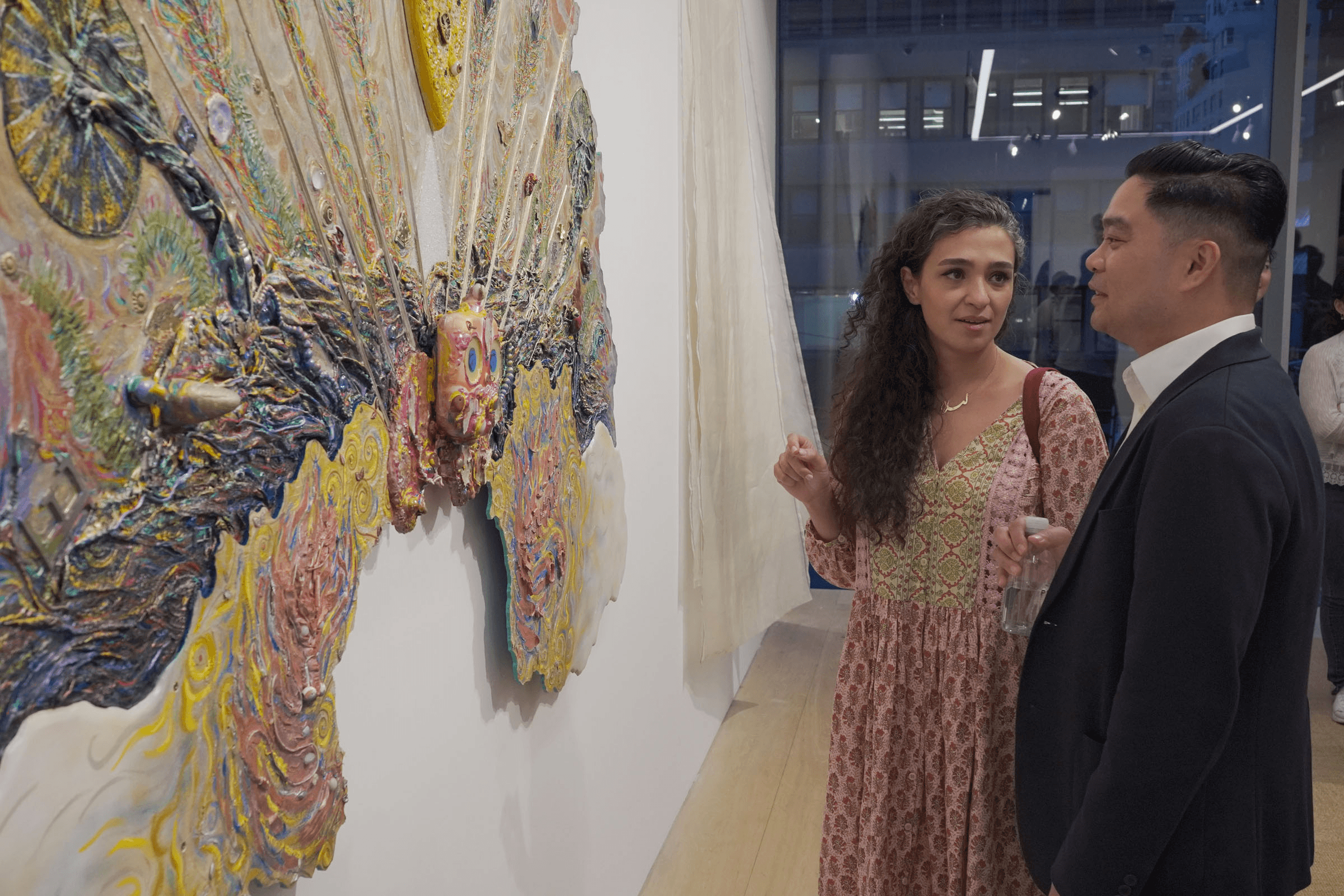
THAT. The Here and There Collective was born out of our early experiences as collectors and the unique circumstances of the pandemic. As we got to know many New York-based artists through studio visits pre-pandemic, lockdown presented a unique opportunity to connect with many more artists outside of our physical proximity through virtual visits. It was through those conversations that got us thinking about the diaspora and the importance of creating an archive of the incredible artists working today. We wanted to share what we had discovered with a wider audience and realized we could also help artists connect with other artists, gallerists, and curators in the process. Over time, we also recognized the need for a more structured approach, one that could provide more sustainable support and foster growth within the community. This led us to develop initiatives like our studio residency and community-building events in addition to the archive.
CNTRFLD. From your perspective, how would you describe the current state of the Asian American contemporary art scene? Does it feel as buoyant and expansive as it appears from the outside, and where do you see its greatest opportunities or challenges?
THAT. It's hard not to acknowledge that the world in general is facing difficult times, and the art world is also facing challenges not just for artists but across the board. Within that context, however, we do find hope in seeing how diverse Asian American arts have become in recent years, from many artists from the diaspora gaining prominence to Asian -run galleries opening across the US. We're also seeing institutions recognizing long-overlooked artists, which is creating more opportunities for visibility and dialogue. We think the greatest challenge becomes: how do we sustain this "buoyancy" when the larger context is challenging? In many ways, that's the scenario The Here and There Collective has been preparing for by setting up programs aimed at creating support systems for the community during difficult times. Whether it's directly supporting artists and now emerging curators through our residencies, continuing to document and highlight artists through our features, or creating moments of community connection and networking, we hope to establish avenues of support that can contribute to longer-term sustainability.
CNTRFLD. Your work often bridges art, community, and stewardship rather than just acquisition. How do you define “peer-ship” with artists, and how does that shape the kinds of support you offer through THAT Co.?
THAT. We think of "peer-ship" in the sense that we are figuring things out together. We've been fortunate to meet a number of great artists early in their careers and have seen their practices evolve over time. In parallel, we see our journey as collectors as a practice that's ever-evolving as well. Through connecting with artists and building those relationships, we've intrinsically felt collecting as a form of not just acquiring works, but one of stewardship of those artists' practices.
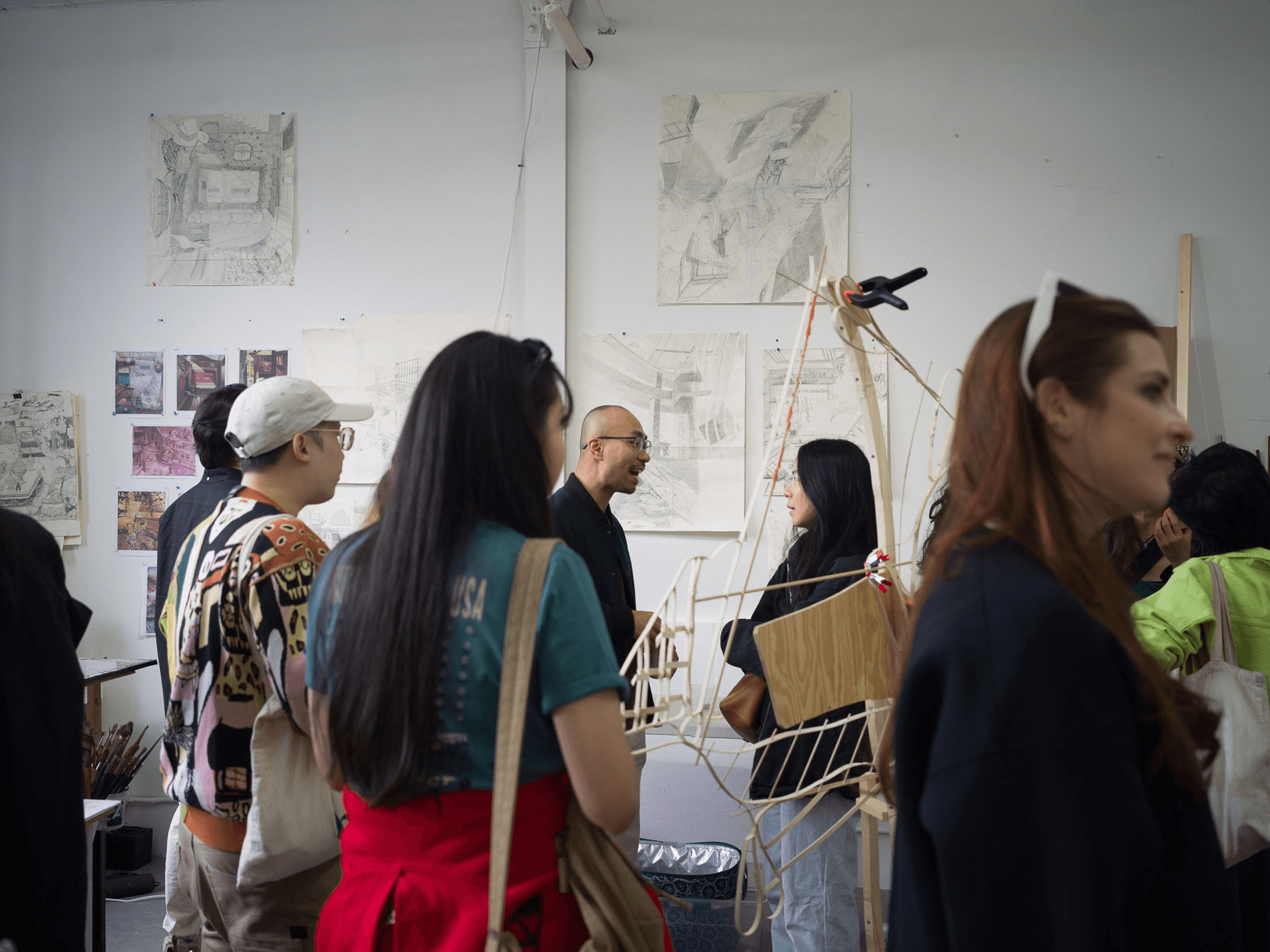
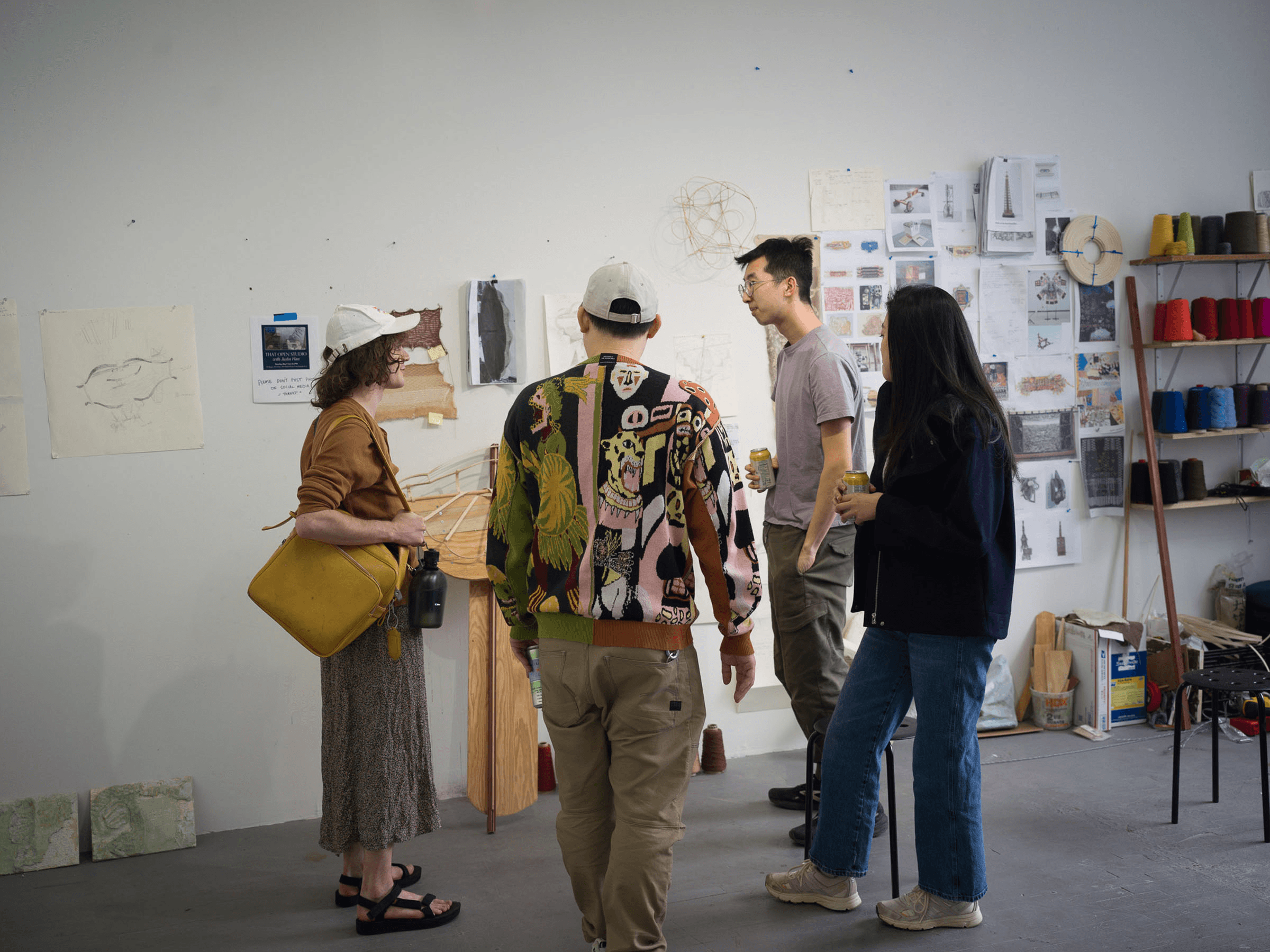
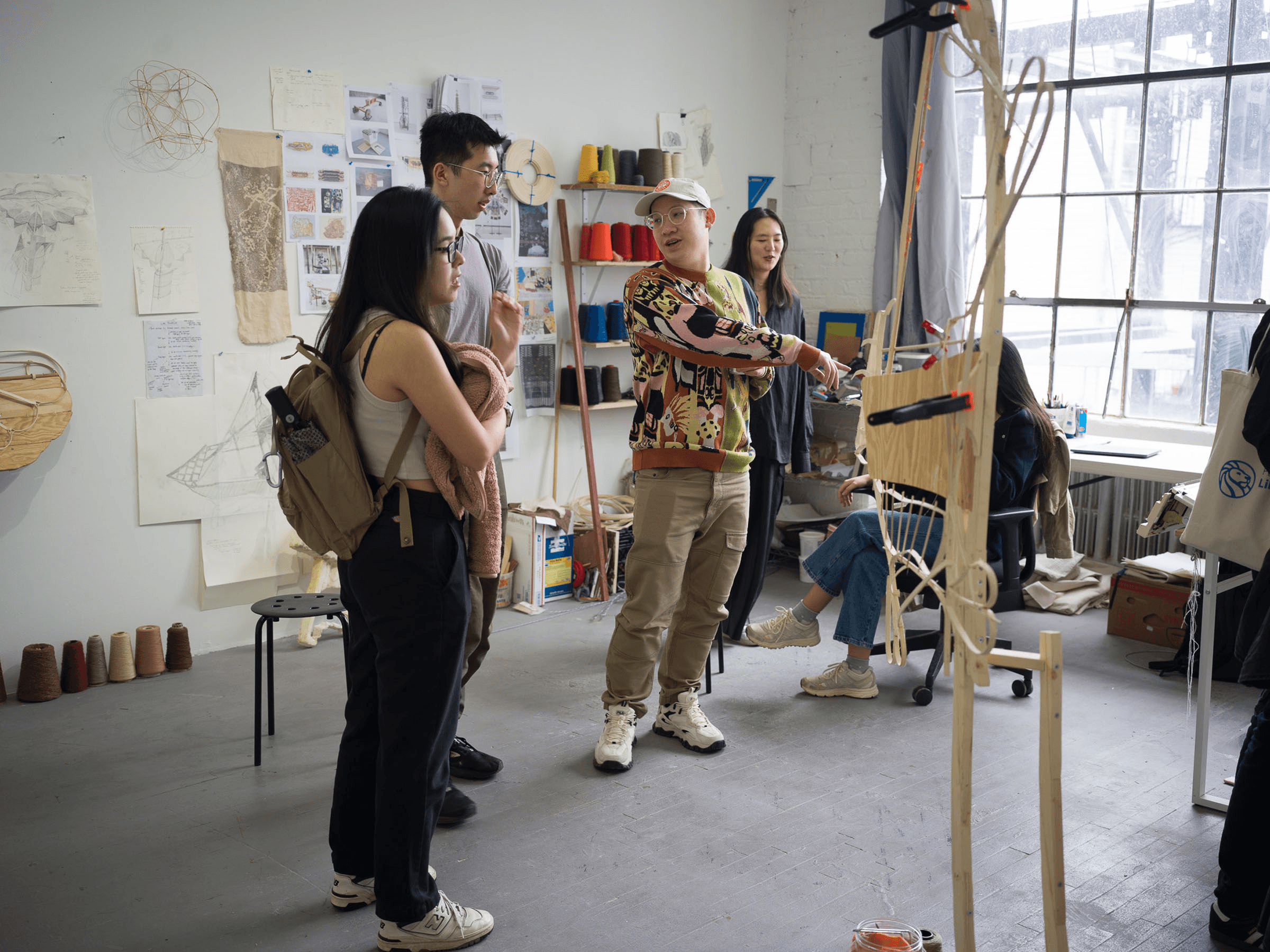
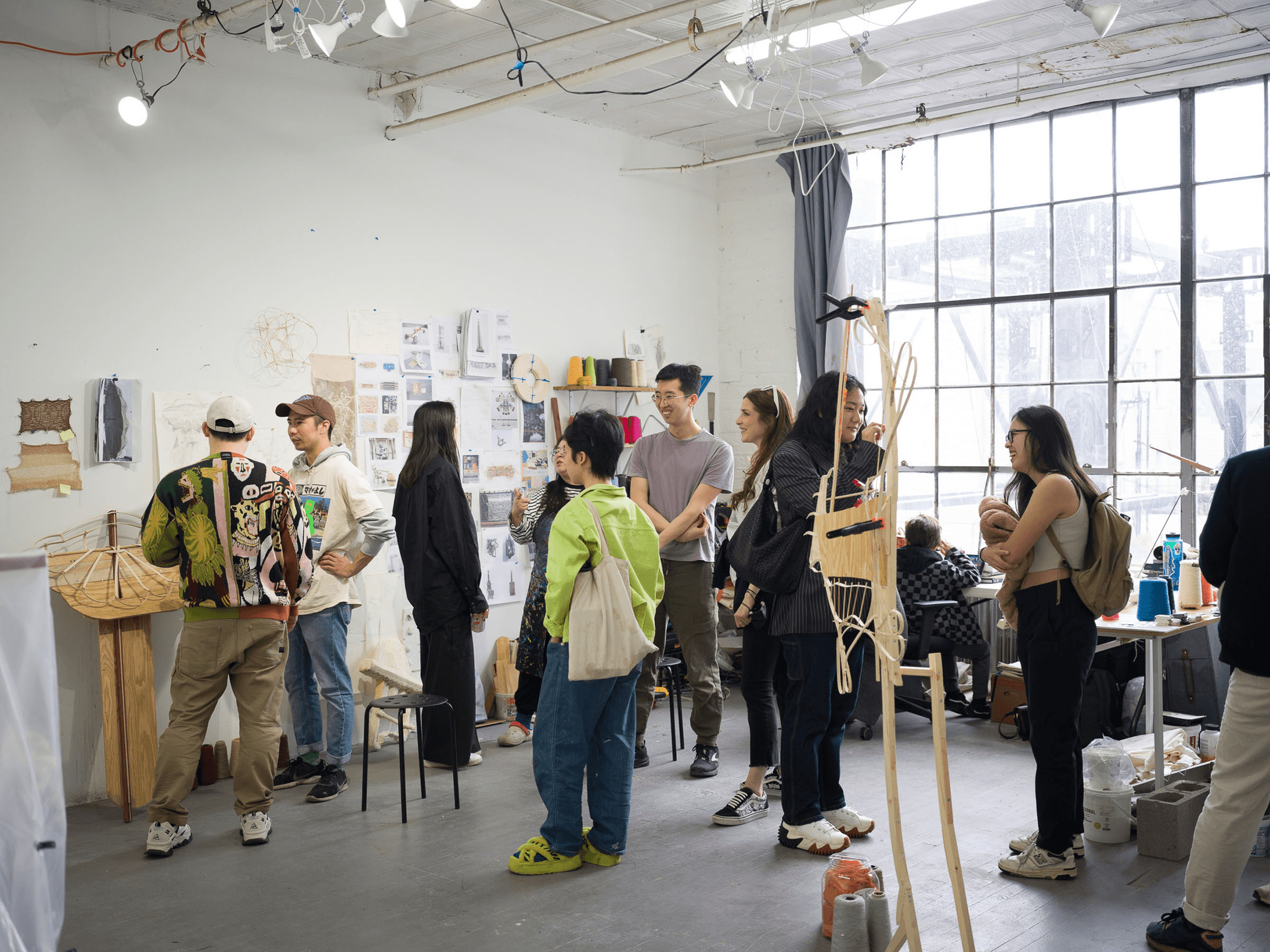
And that informed some of the early thinking behind THAT Co. For instance, early on, we met an artist who had lost access to their studio while finishing up their BFA due to the school's COVID-19 restrictions. Knowing how critical having a space to make art is, we did some rough calculations and saw that a studio space for a semester would cost about the same as a painting. That became a seed for what would later be our residency, where we provide time and space for an artist to work on their practice in NYC. Similarly, we saw how critical documentation was to an artist's career, so our residency has no other formal output than collaborating on their first catalog.
CNTRFLD. You’ve both spoken about the diversity within the Asian diaspora, and how your perspectives on art are informed by your own identities. How do you balance personal resonance with inclusivity when building your collection and archive?
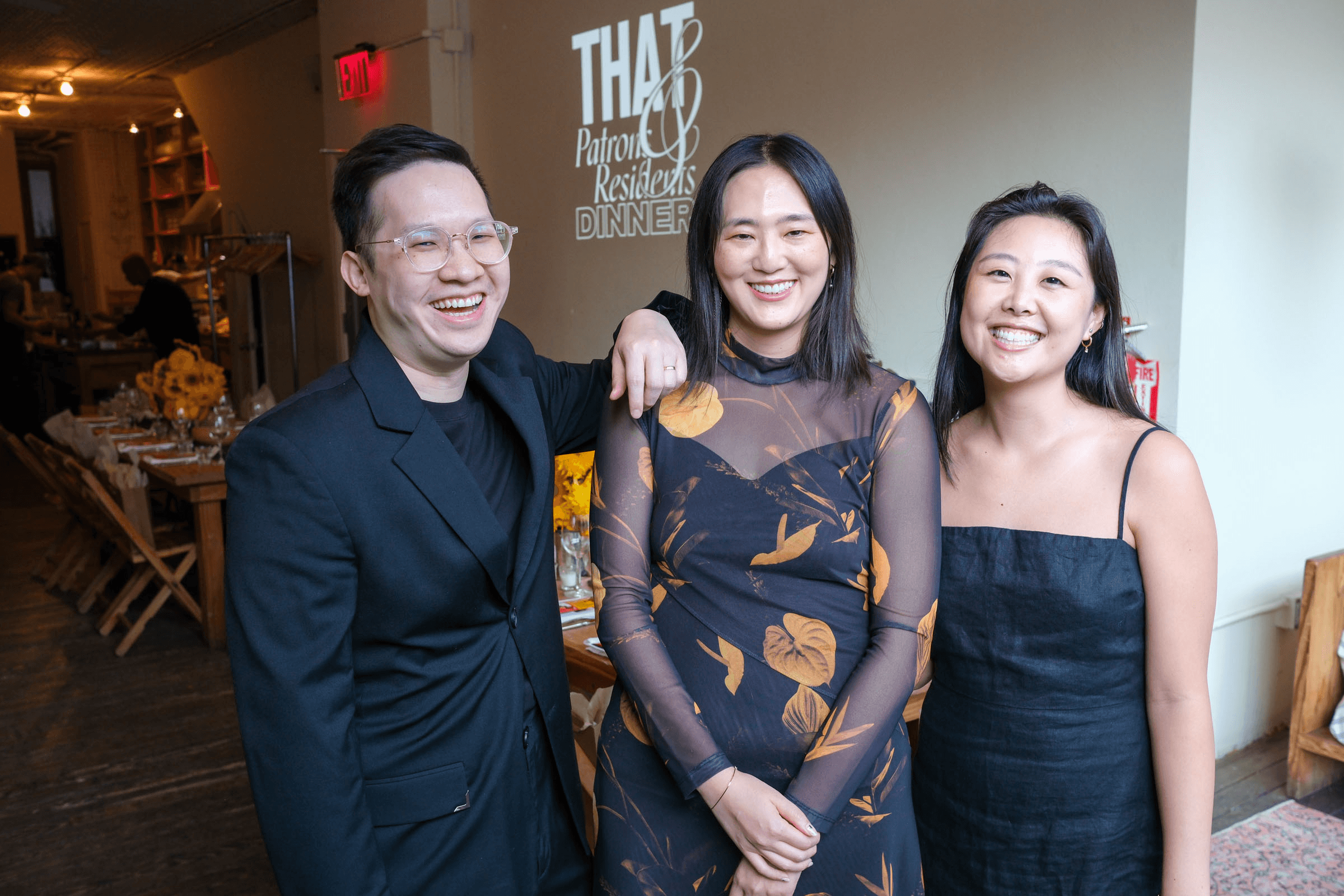
THAT. With THAT Co., we try to distinguish it from our collection. We felt it was important that it go beyond highlighting artists that are in our collection, so we brought on Claire Kim as our Director of Curatorial Affairs to help shape how we expand who we feature and our models of support. And Steven being from Southeast Asia means there's always a thoughtful push to ensure we're not defaulting to just East Asian perspectives.
CNTRFLD. THAT Co.’s residency program is tailored to each artist’s goals. Can you share an example of a time when that personalised approach created unexpected impact — for the artist, the community, or yourselves?
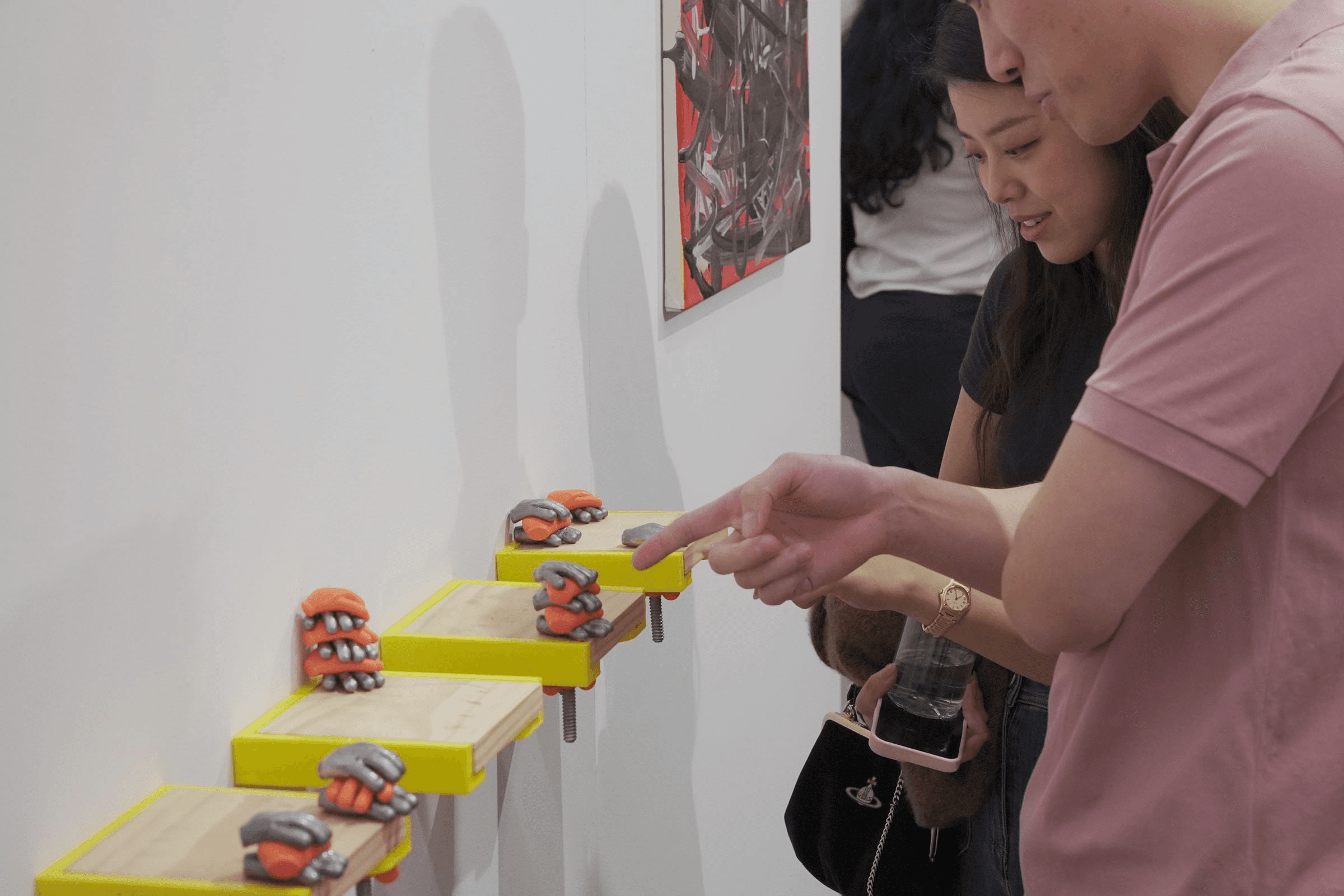
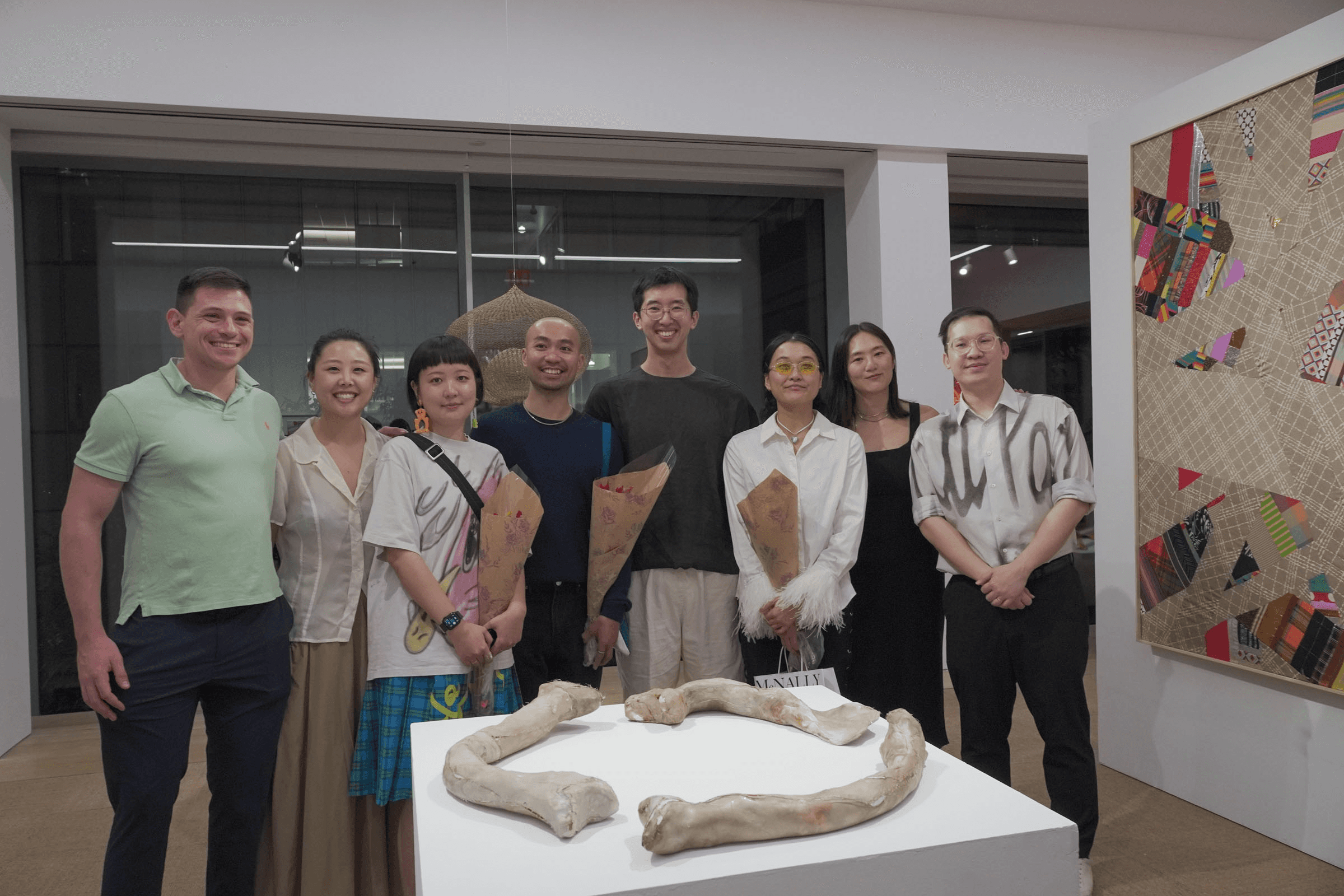
THAT. Our first resident, Ye Qin Zhu, came with two goals: to have a show in New York and transition to working full-time as an artist. We set to work arranging visits with gallerists and curators, and by the end of Ye's time with us, they had several shows lined up. That proved to be an incredibly rewarding outcome, and since then, we've had six more residents. A happy surprise has been how connected the artists who come through have become. We love seeing them show up to each other's openings and even share studios after their time at THAT Co.'s space. It's become a community in itself.
CNTRFLD. Behind every exhibition or digital archive entry is a network of unseen labour — research, connections, mentorships. What does “behind the scenes” look like for you, and what are the most rewarding (or most challenging) parts of that process?
THAT. Behind the scenes is definitely all of that. Our small team of three handles the research, interviewing, filming, video editing, website maintenance, and marketing. Steven does all of the design and music for each of the features.
The most challenging part is definitely the logistics: getting schedules to align with artists, coordinating across different time zones when we're featuring international artists. There's also the challenge of making sure we're not just building an audience, but truly building a community, which requires sustained engagement beyond just posting content. But on the flip side, the most rewarding part is getting to have those deeper conversations and stepping into an artist’s studio. That will never get old. What's particularly meaningful is when we hear that our archive has led to artists finding each other, curators discovering new voices, or collectors learning about artists they wouldn't have encountered otherwise. It's so rewarding to hear about relationships that have been formed as a result of THAT Co.
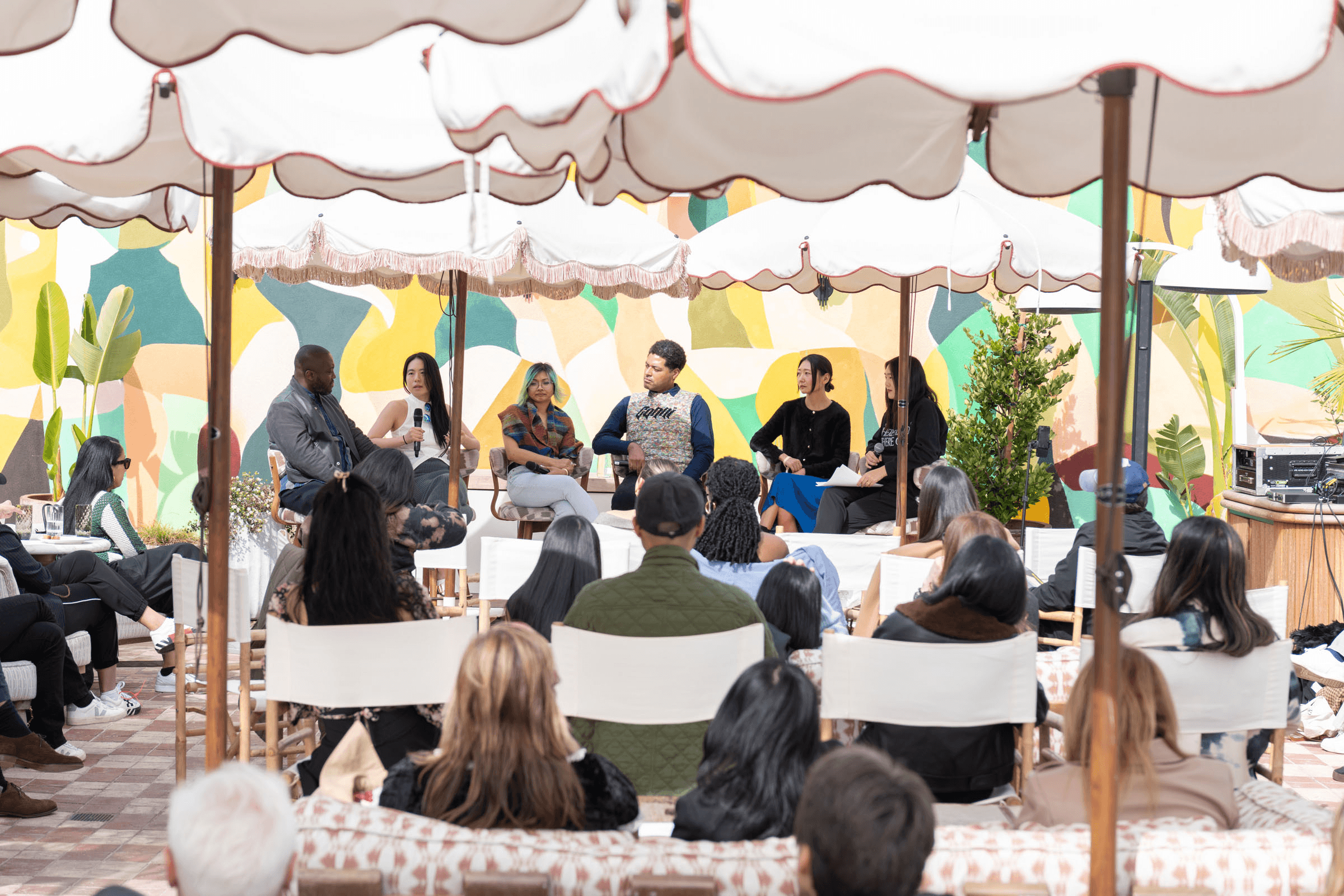
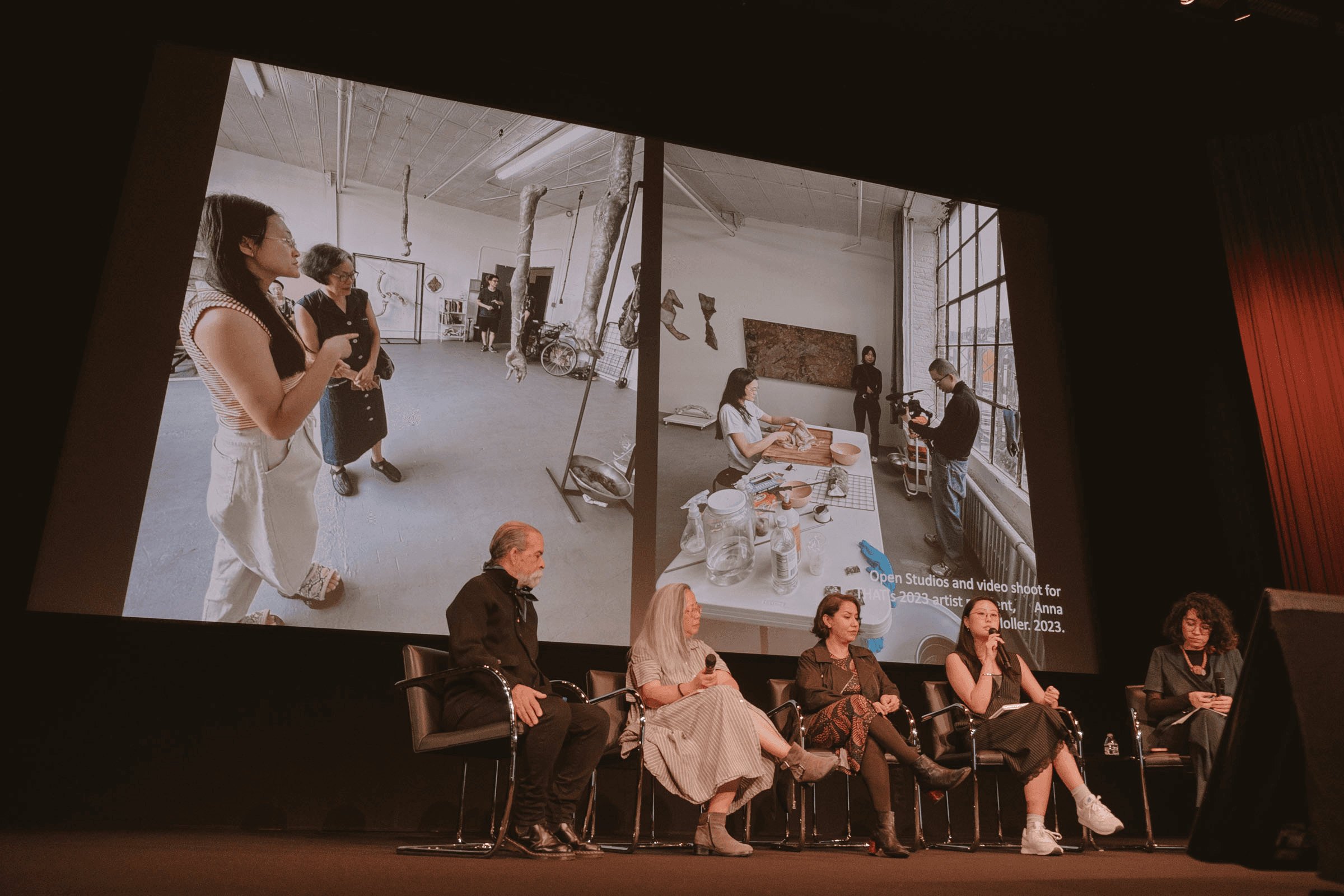
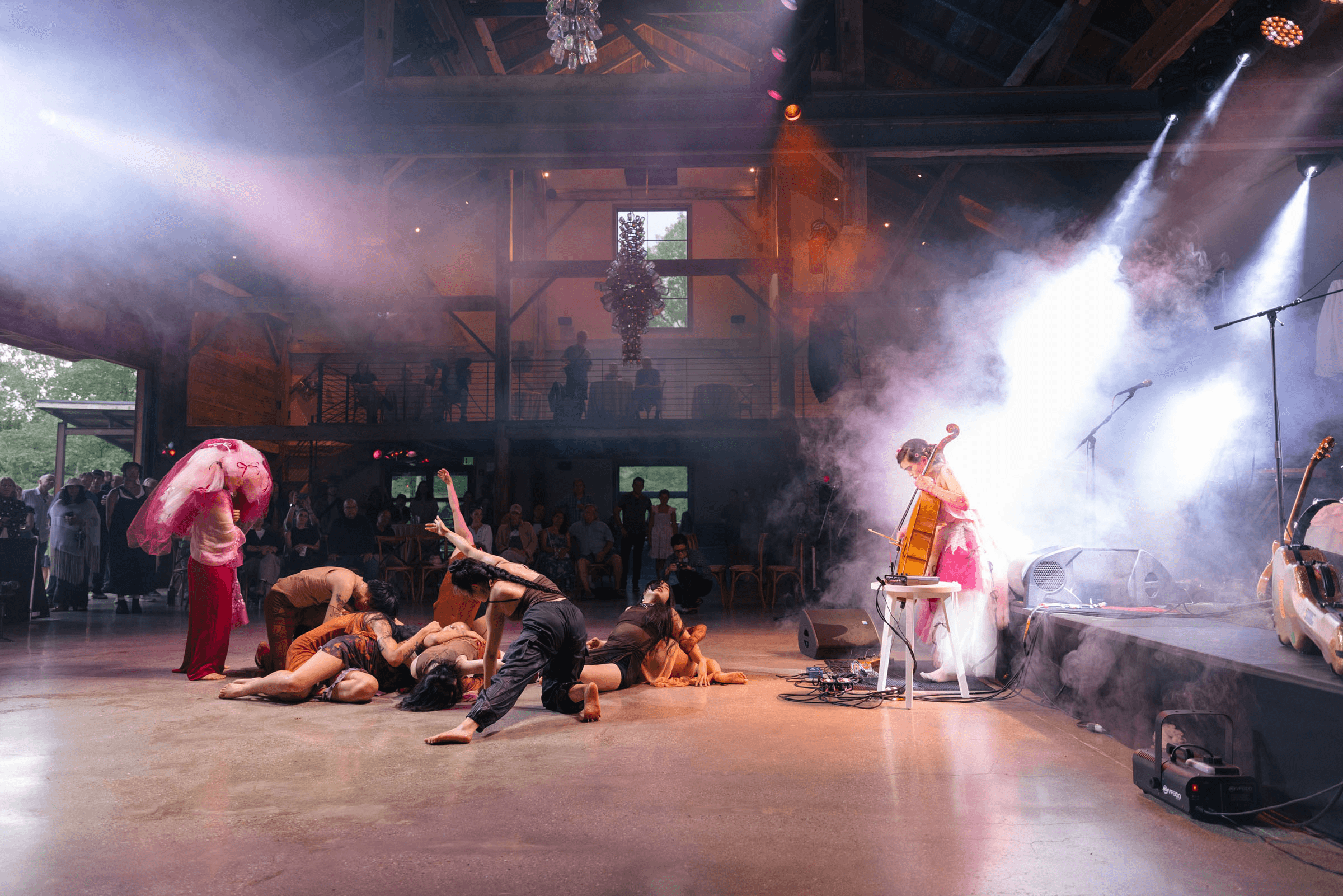
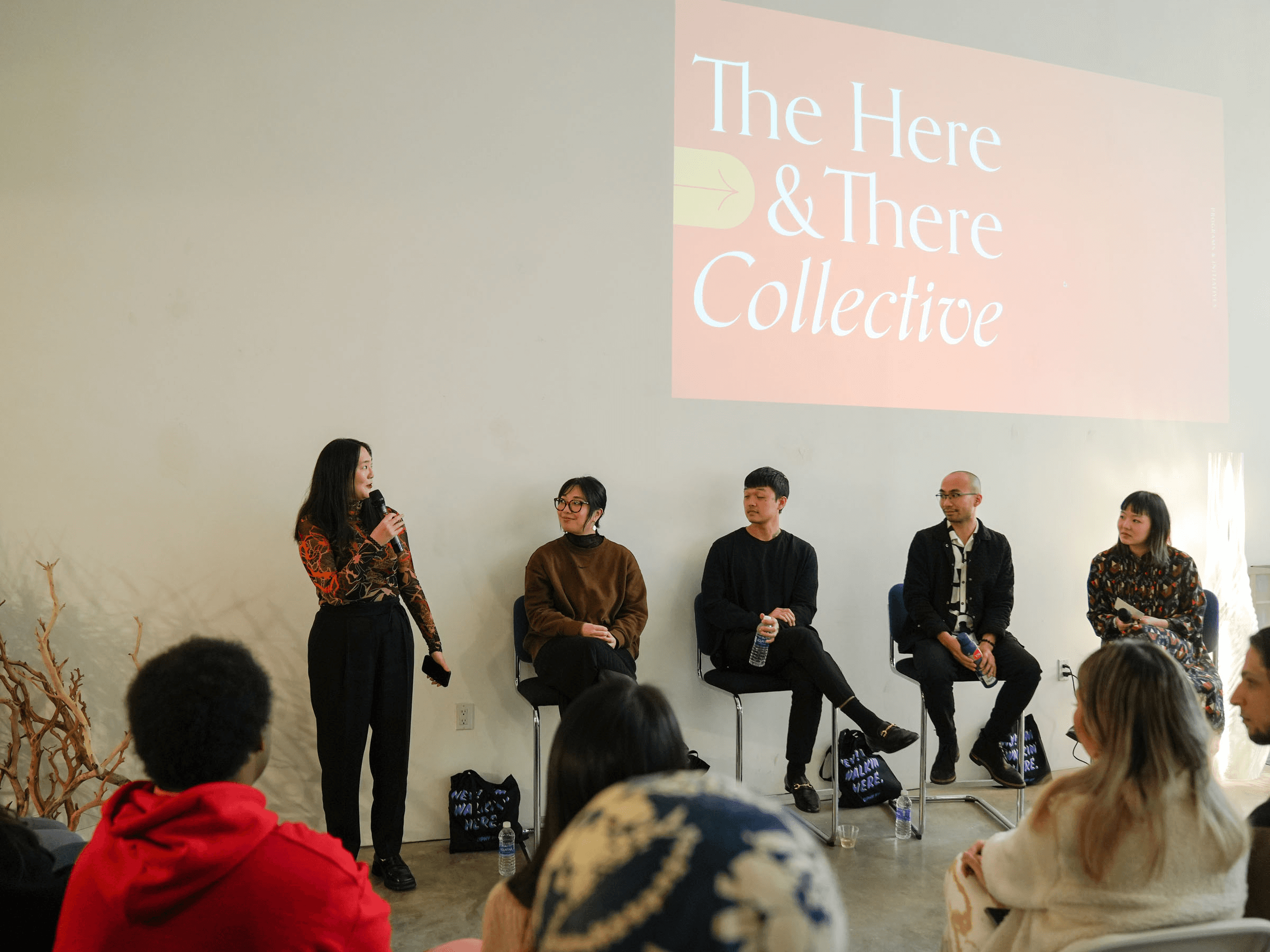
CNTRFLD. The conversations you’ve helped spark — from Spring Hill Arts Gathering to panels at the Hammer Museum — have brought together diverse diasporas. What do you hope these dialogues will look like in 5–10 years, and what needs to happen now to move the conversation forward?
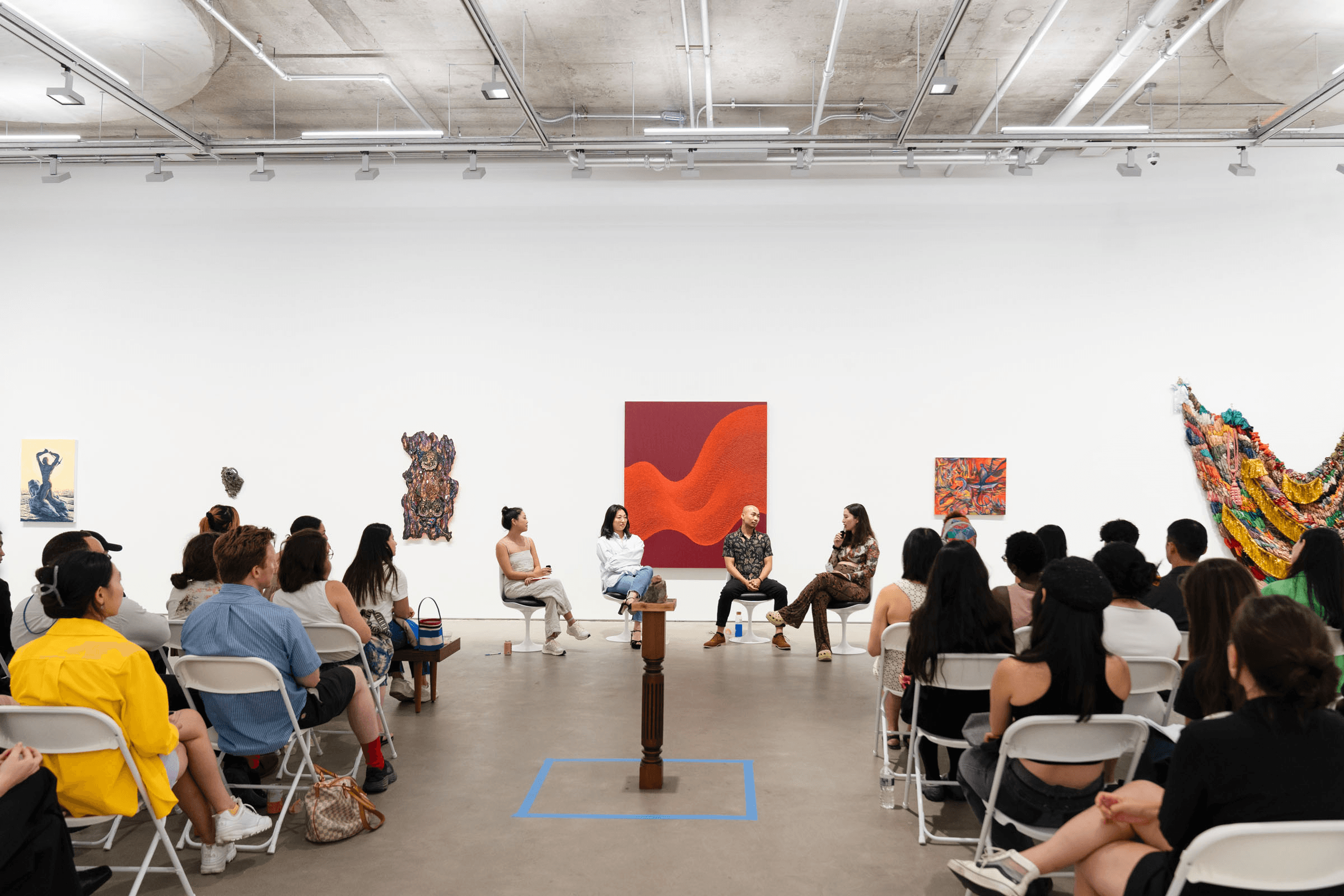
THAT. We hope that in the future, these cross-diaspora conversations continue, and that there's sustained learning and resource sharing among communities. We're also curious about how we can evolve the conversation about POC artists' representation and identity so we're not talking about the same things in another five or ten years from now. It's also not enough to have more Asian American artists in museums if the structures that support and sustain artists' careers aren't also evolving. Practically, we need more spaces for these conversations, more mentorship opportunities, and more resources that help artists navigate their careers. But we also need collectors, institutions, and galleries to think more expansively about what support looks like—not just acquisition, but sustained relationships and advocacy.
CNTRFLD. If you could give one piece of advice to emerging collectors or arts advocates — especially those who, like you, don’t come from an art-world background — what would it be?
THAT. Find your why and lead with curiosity. The art world is a vast space, and there are many ways to navigate it, but it helps to ask yourself why you want to collect and build your own framework from there.
It also helps to lean into your curiosity when forming relationships and learn as much as you can from people around you. The art world can feel intimidating, but we've found that most people are generous with their knowledge when you approach with genuine interest. And remember that your outsider perspective is actually valuable. It allows you to see gaps and opportunities that insiders might miss, which is exactly how THAT Co. came to be.