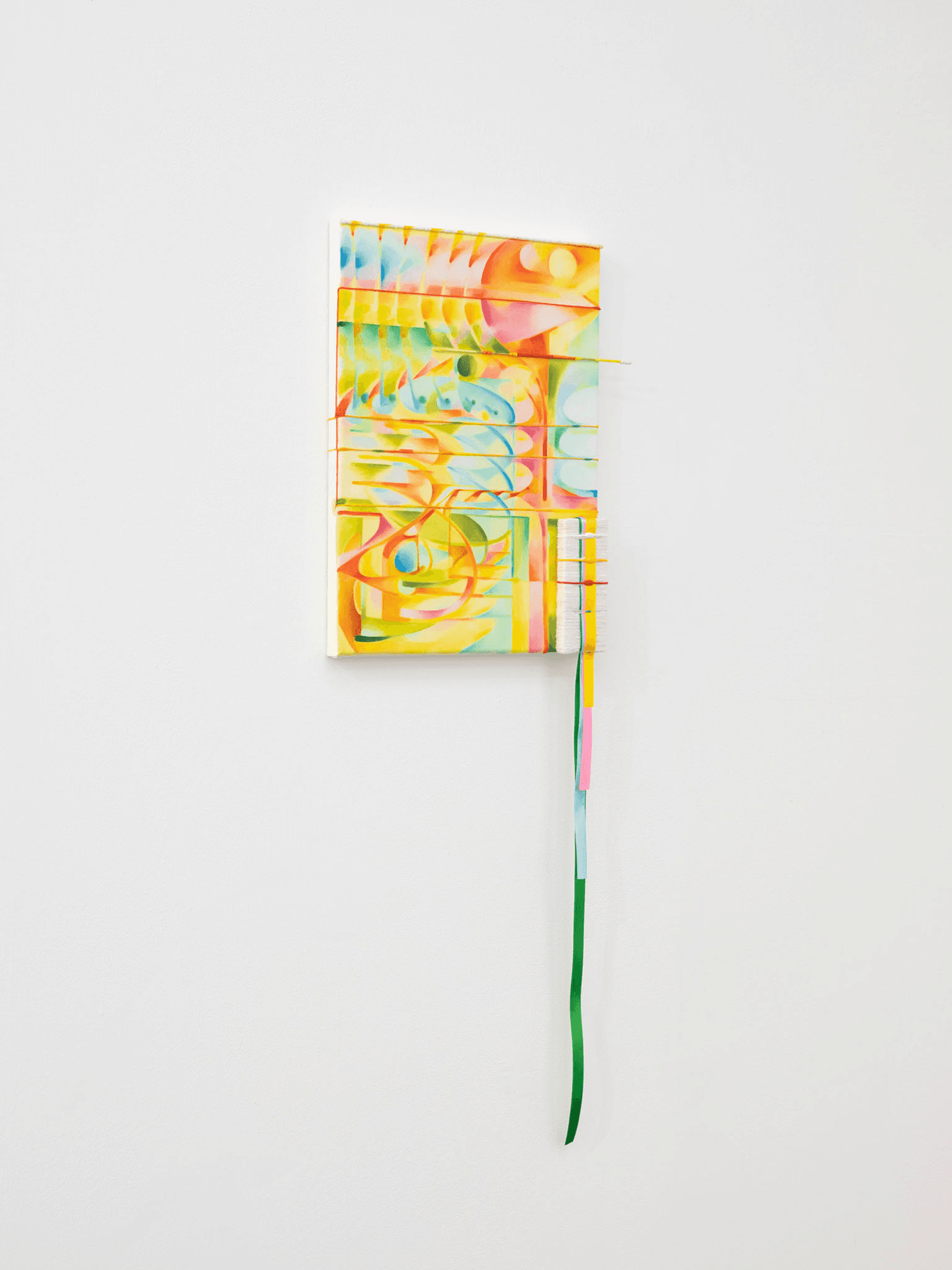
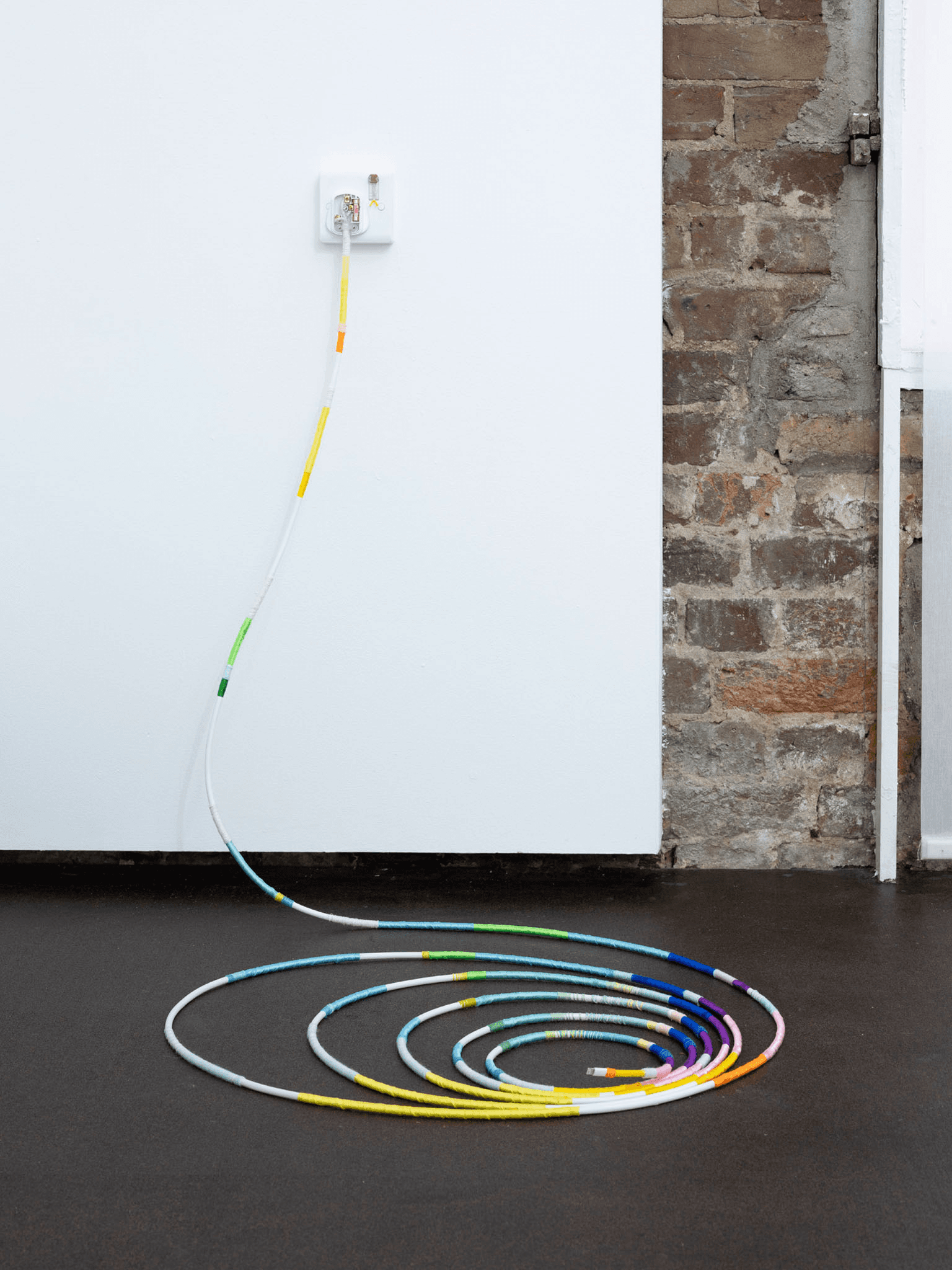
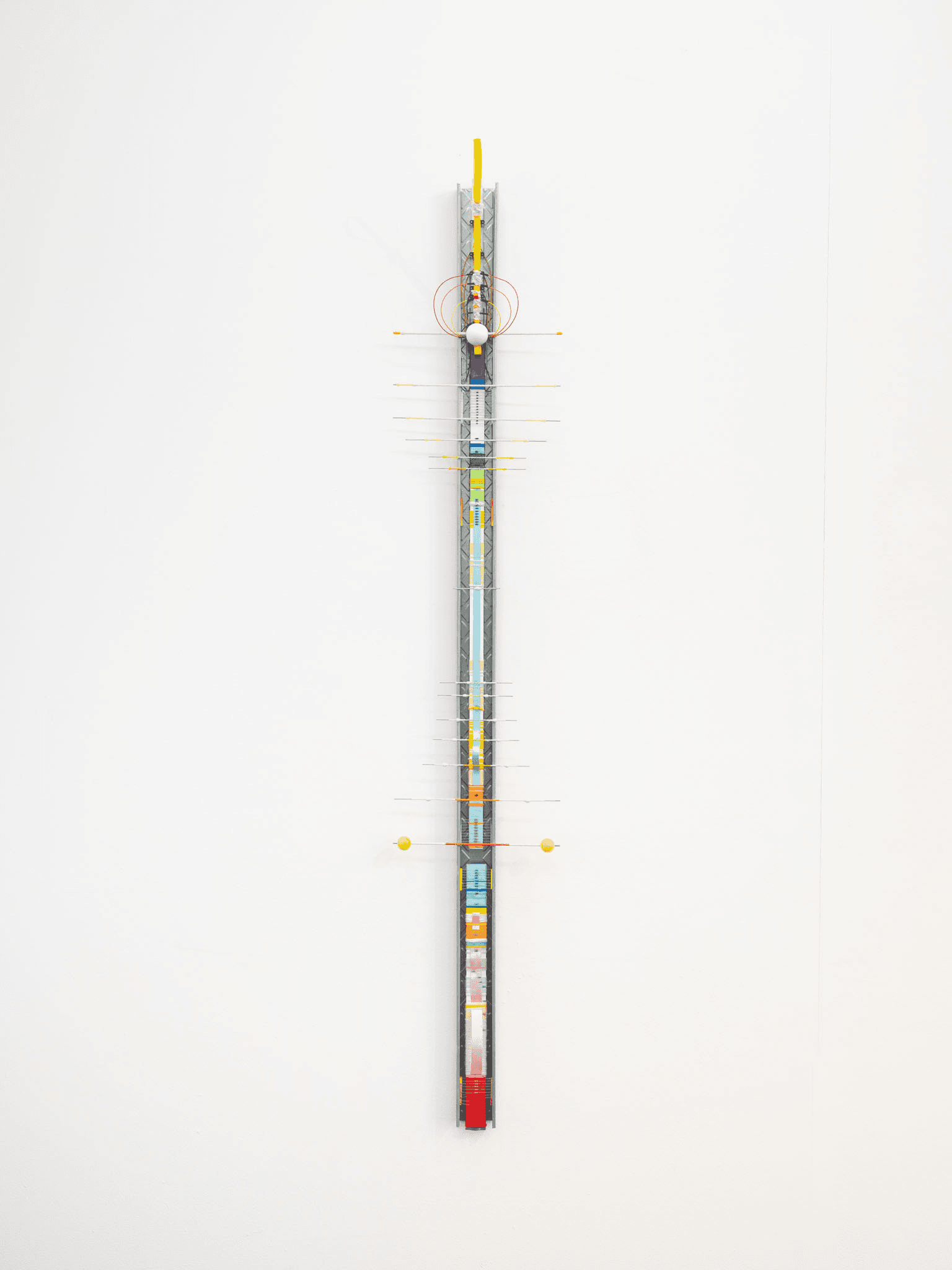
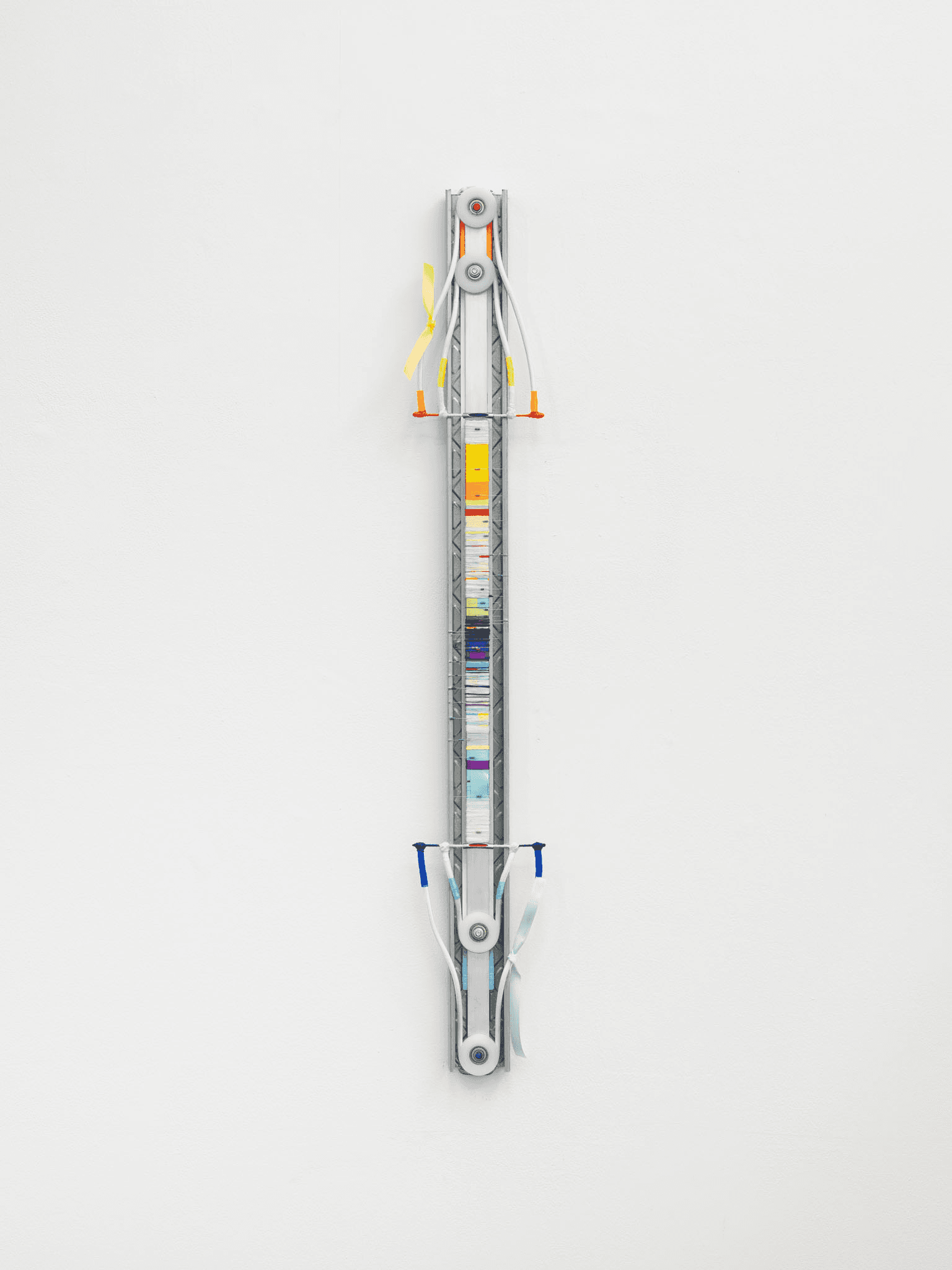
“I think it is best to be honest with yourself and what you do. Don’t let the art world control you.”— Xiuching Tsay
CNTRFLD. You were born in Chonburi, Thailand, and later moved to London for your studies. How has your Thai heritage and upbringing by the Gulf of Thailand shaped the themes, imagery, and atmosphere of your work?
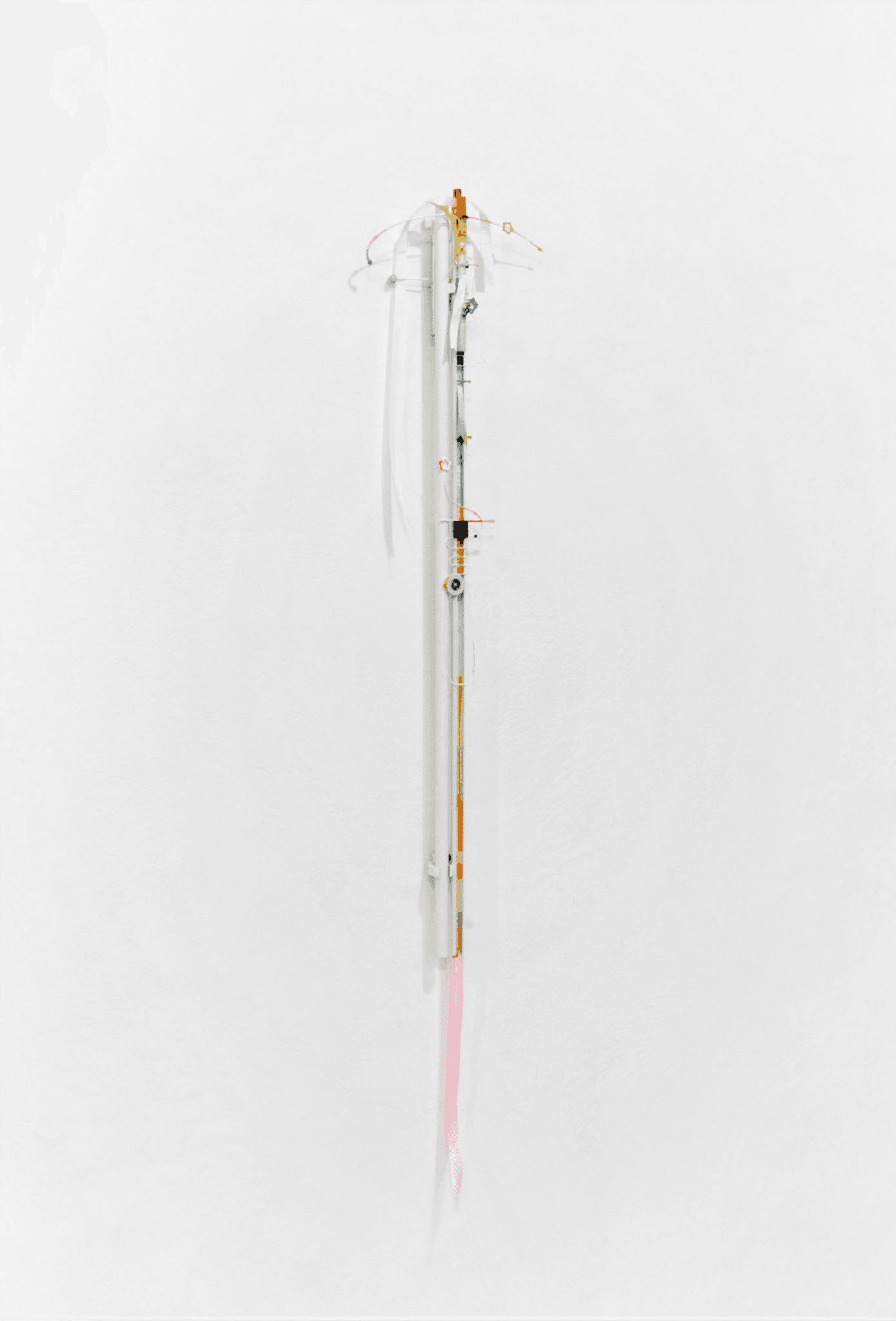
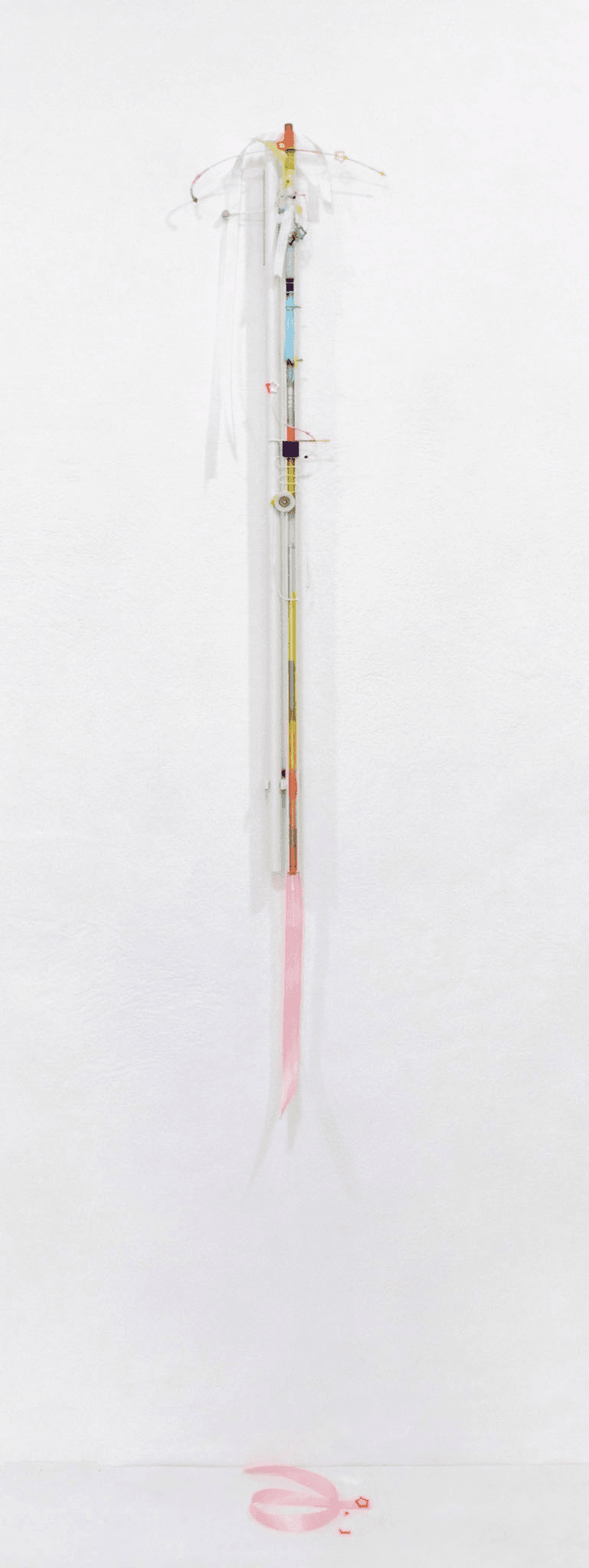
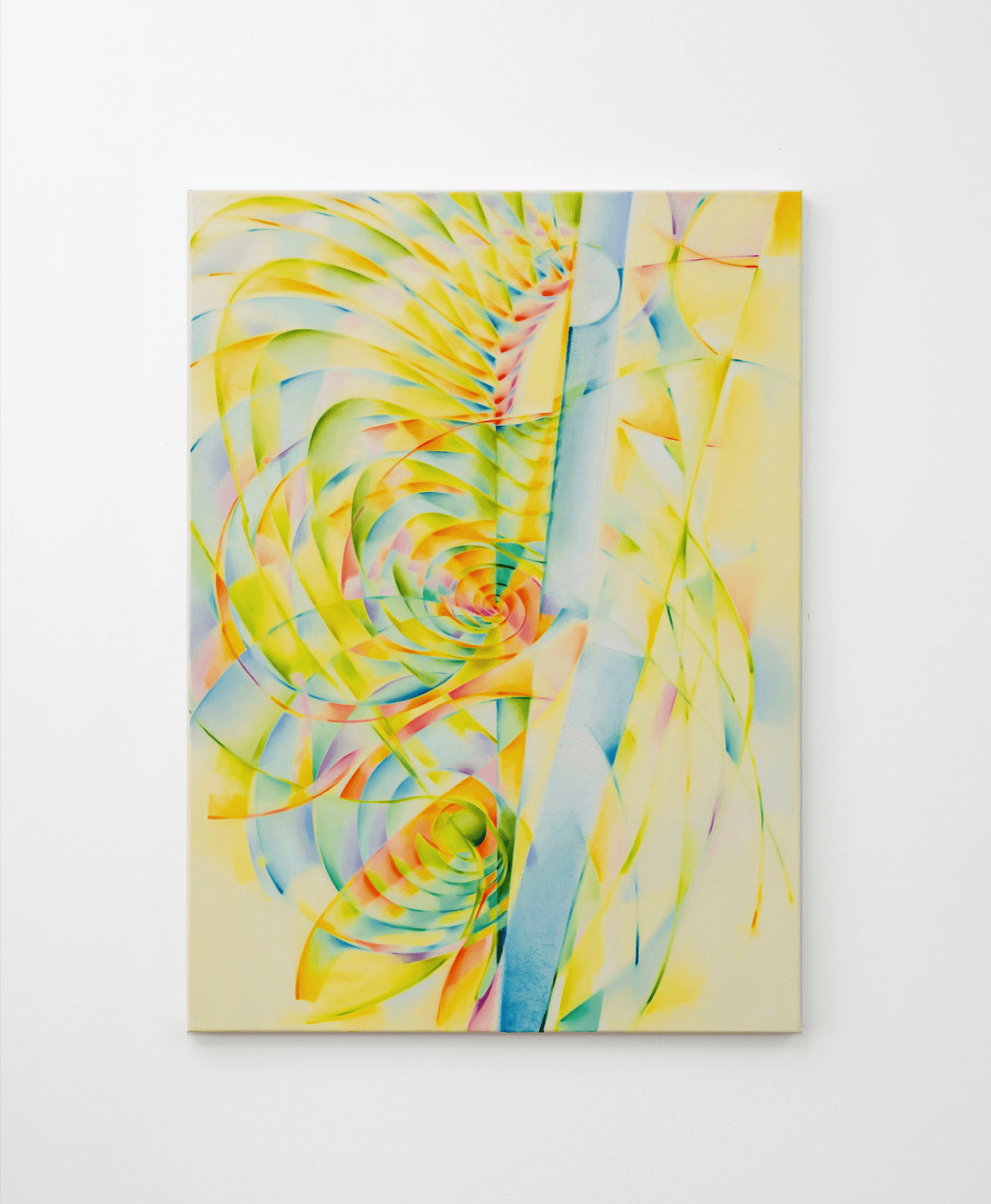
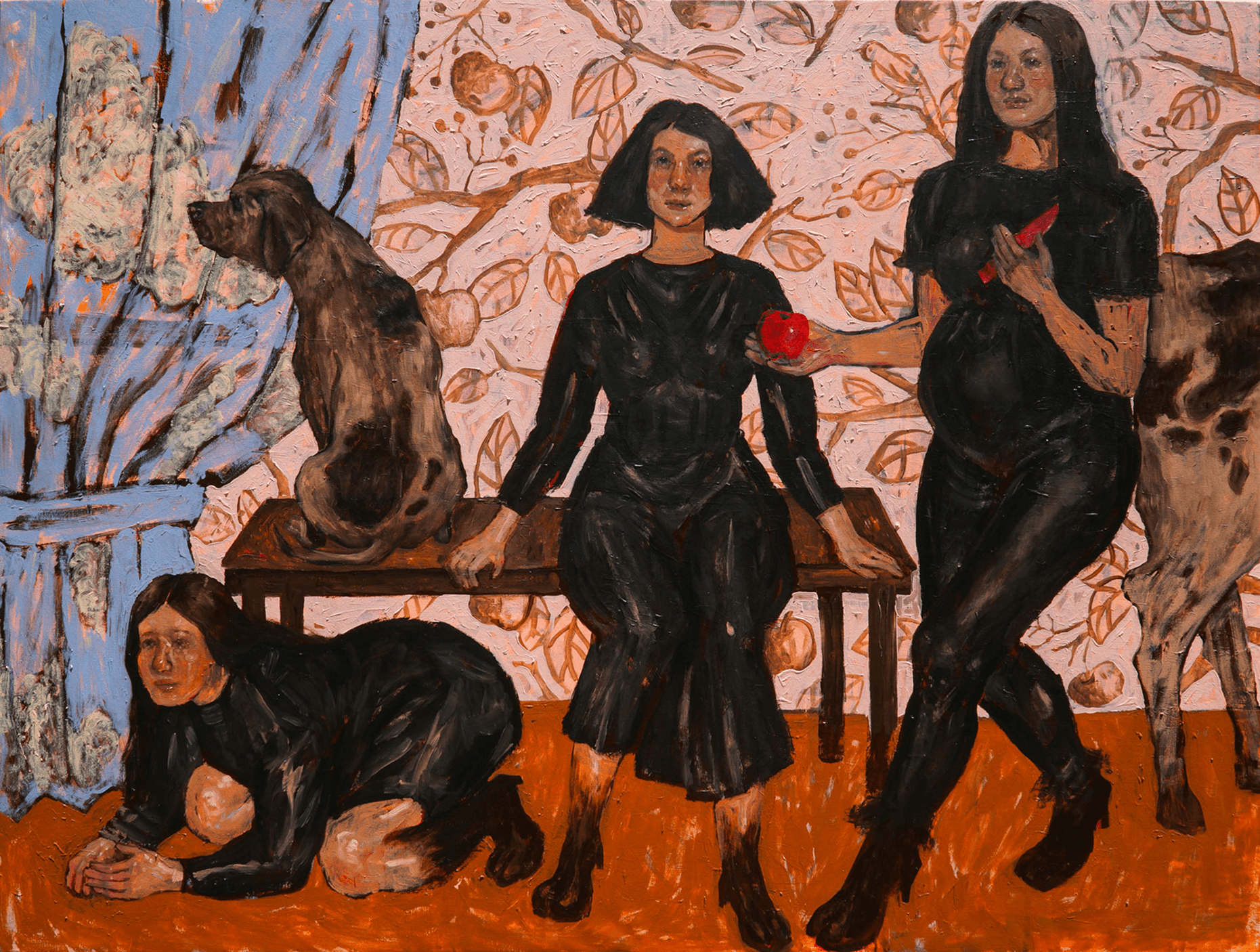
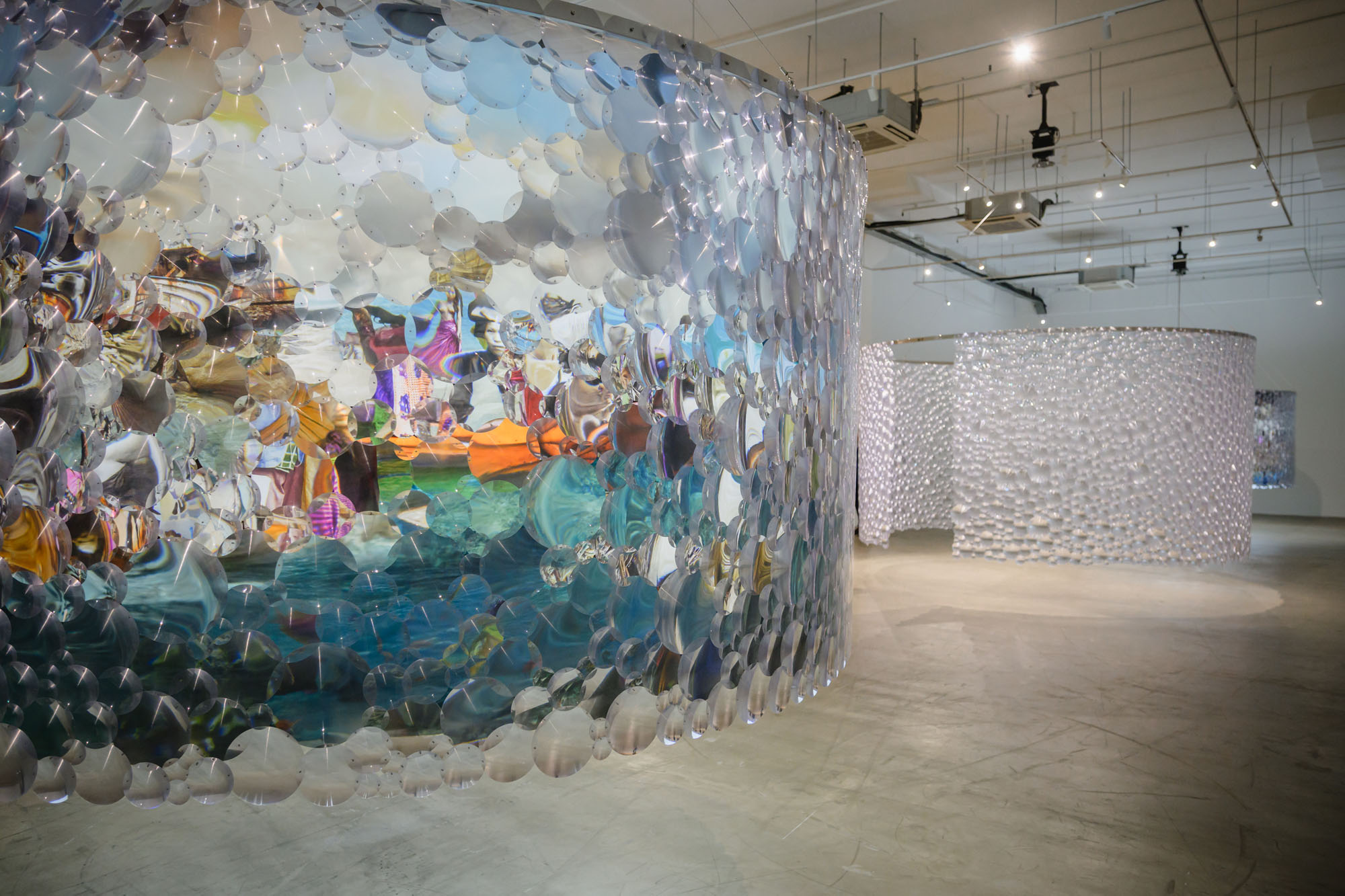
XT. My work usually corresponded to my writings in sketchbooks, and I found that they talk a lot to my childhood memories of my home, the atmospheres, people that were closed to me, and from 2000s to the presence, what have changed and maintain, those are contained in my work. It is like I am seeing it again and sometimes it brings questions to me. So, with the present perspectives, I recompose those pieces of memory, but somehow, they become a new, almost unfamiliar form.
CNTRFLD. You’ve described a slow, coastal childhood — watching sunsets, being close to nature. Looking back, how did these early experiences influence your early practice?
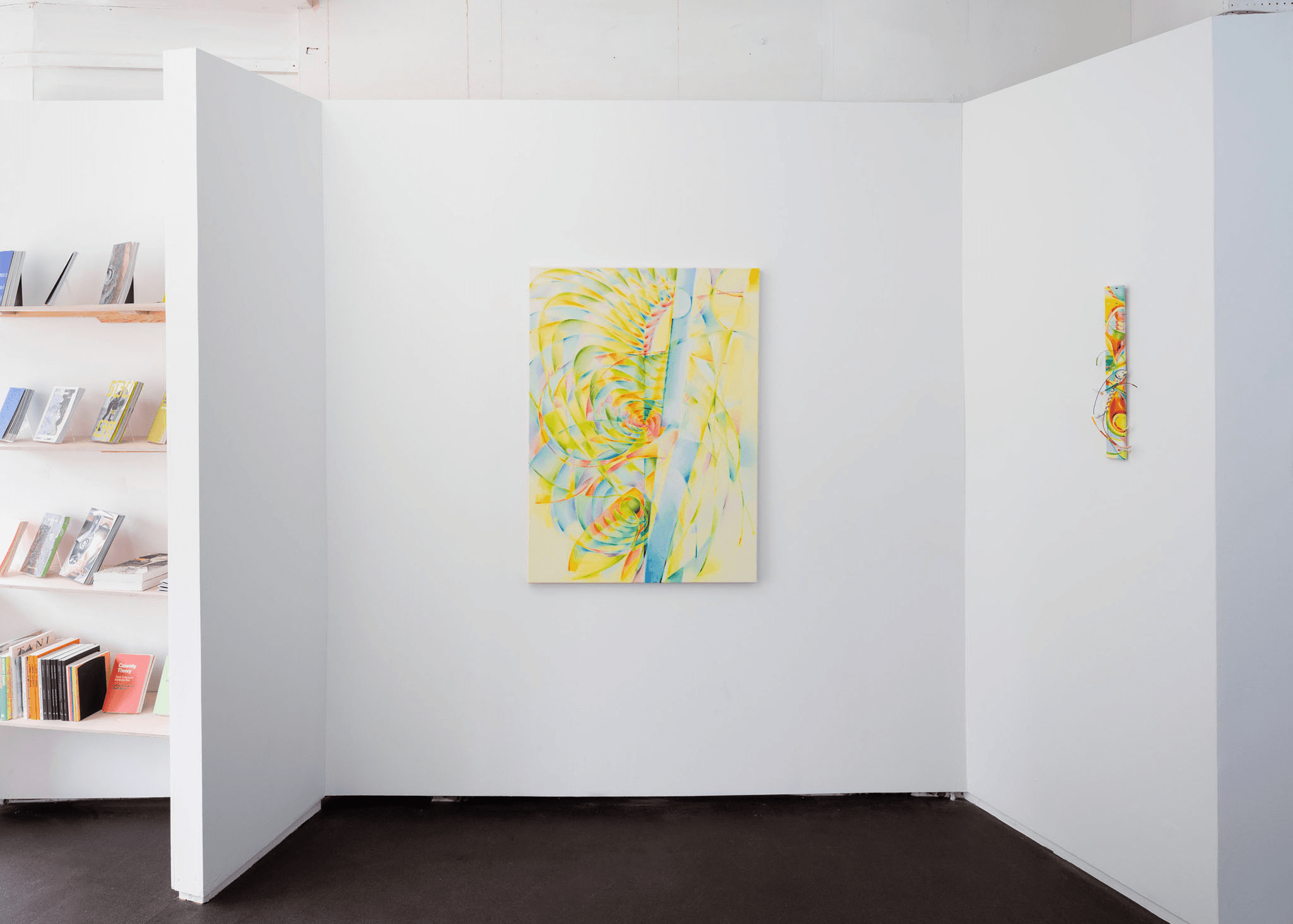
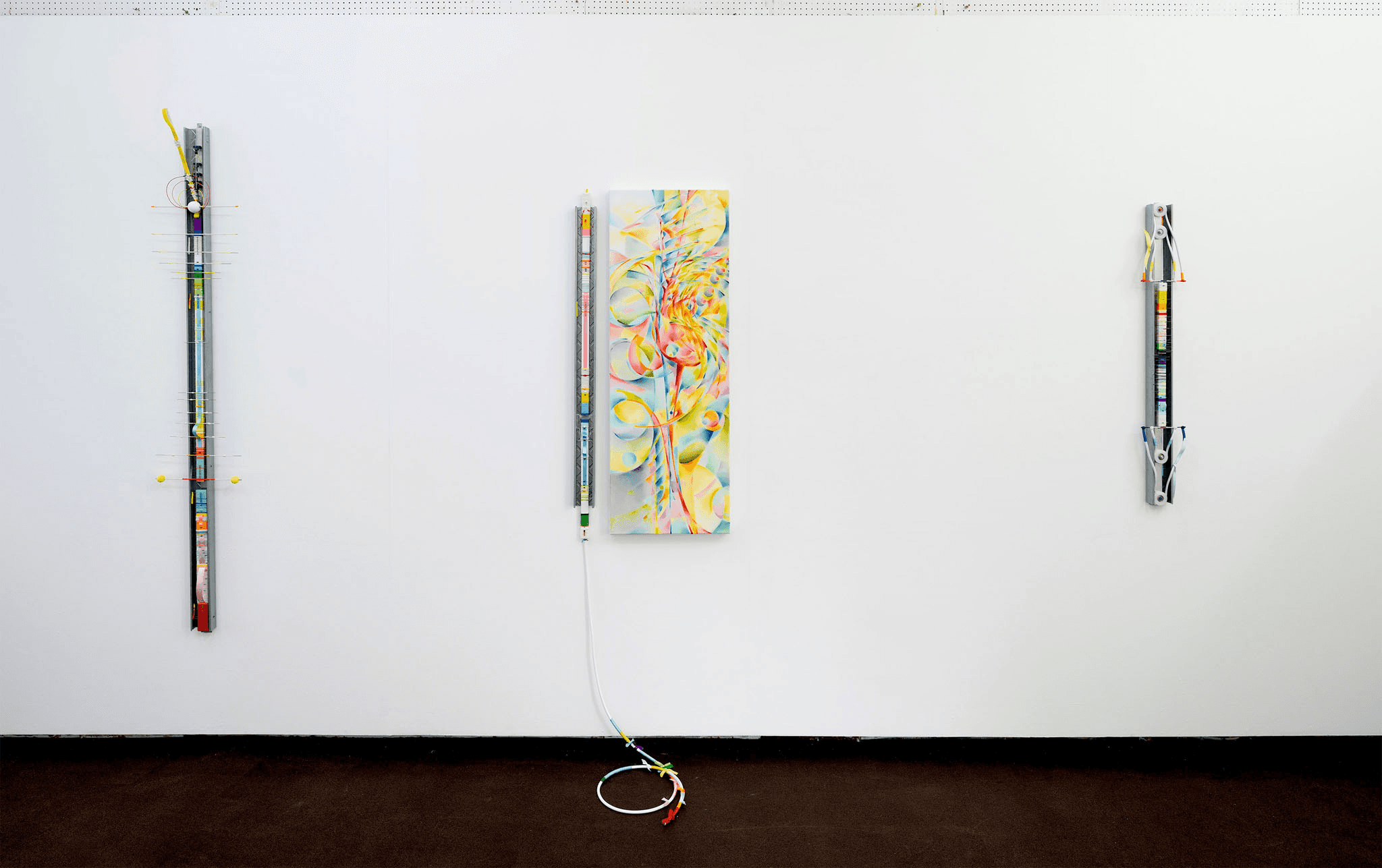
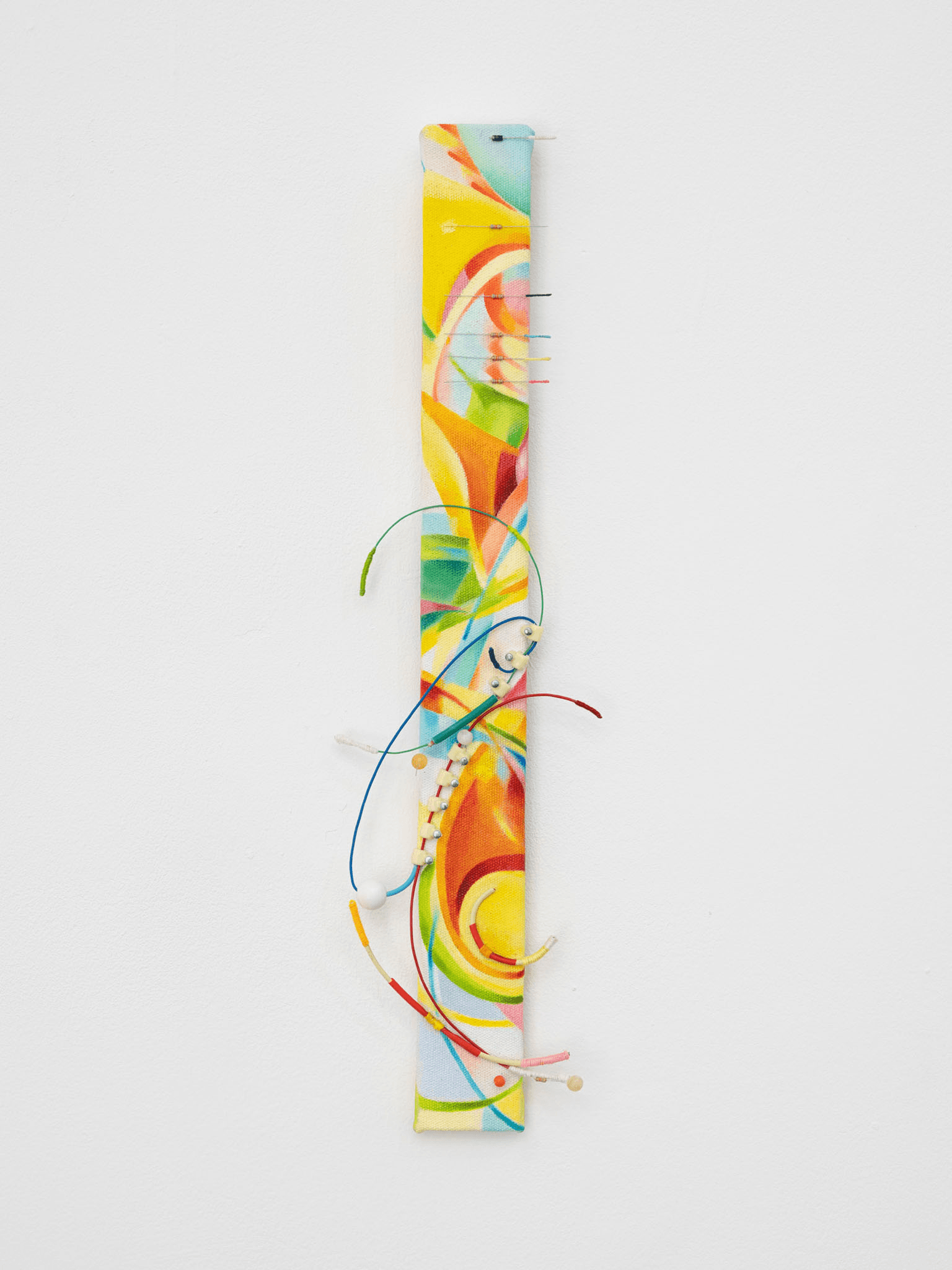
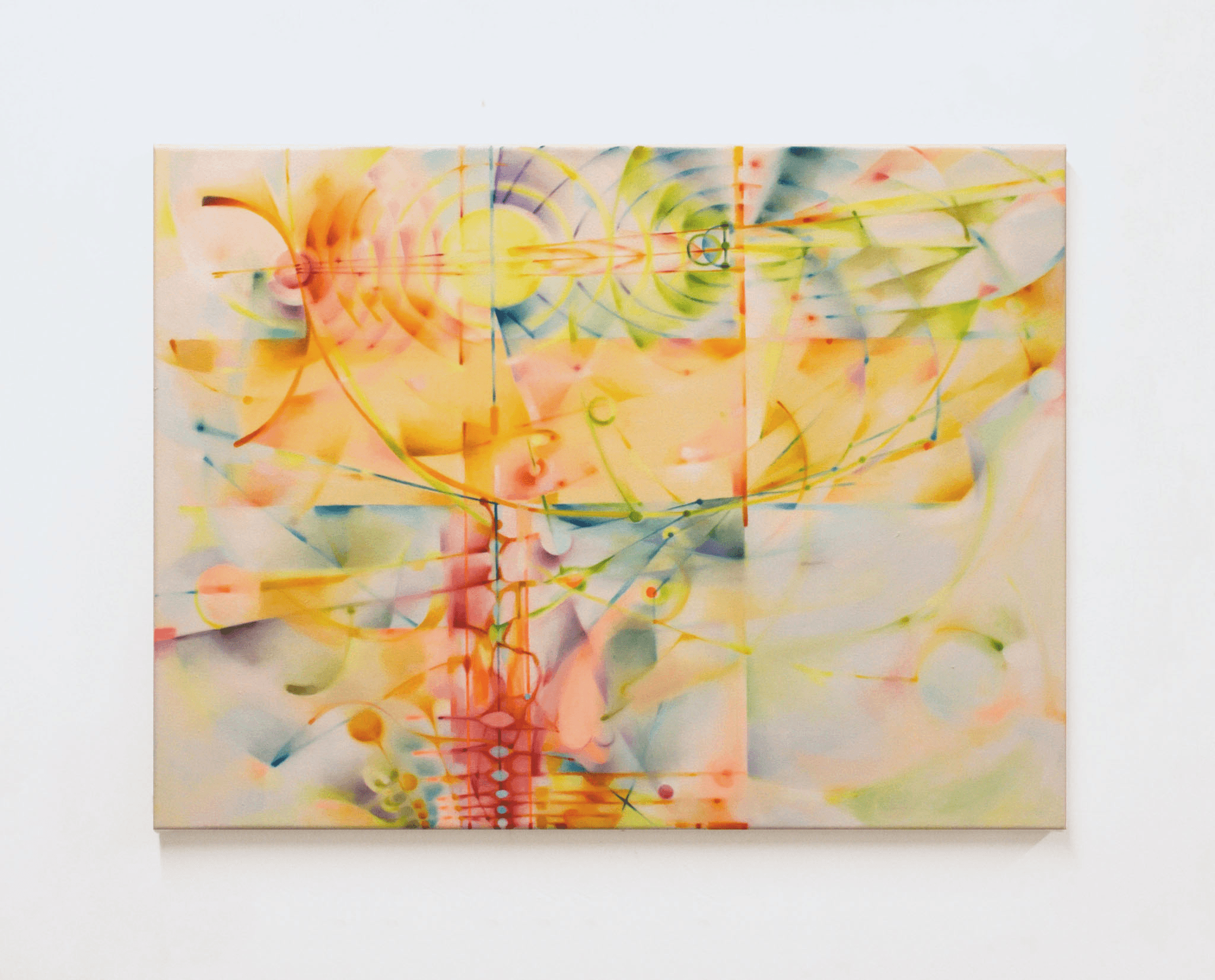
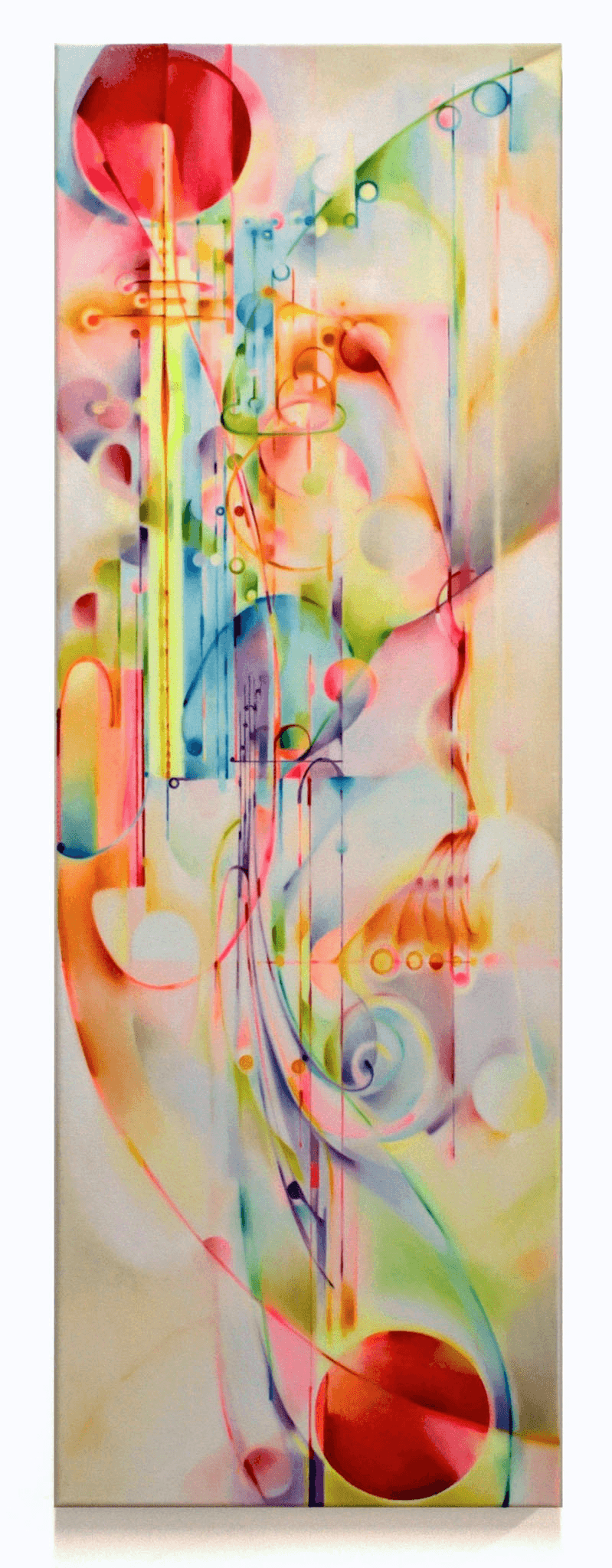
XT. I think I was probably wanting to recreate the peace of a child. Looking back in my early work, the paintings have a sense of longing, those imageries are something quite detached, unreal although I portrayed the natural elements. I guess because I created them as an adult. engaging with more information and responsibilities, an adult although seeing sunsets, it will be different from their childhood’s. And I think the hallucinated quality in my older work come from this. My new work still has some essence of this theme but has been developed with new methods and perspectives that changed.
CNTRFLD. You’re now based between Chonburi and London. What made you choose London as a key base for your practice, and how does the city continue to influence your work?
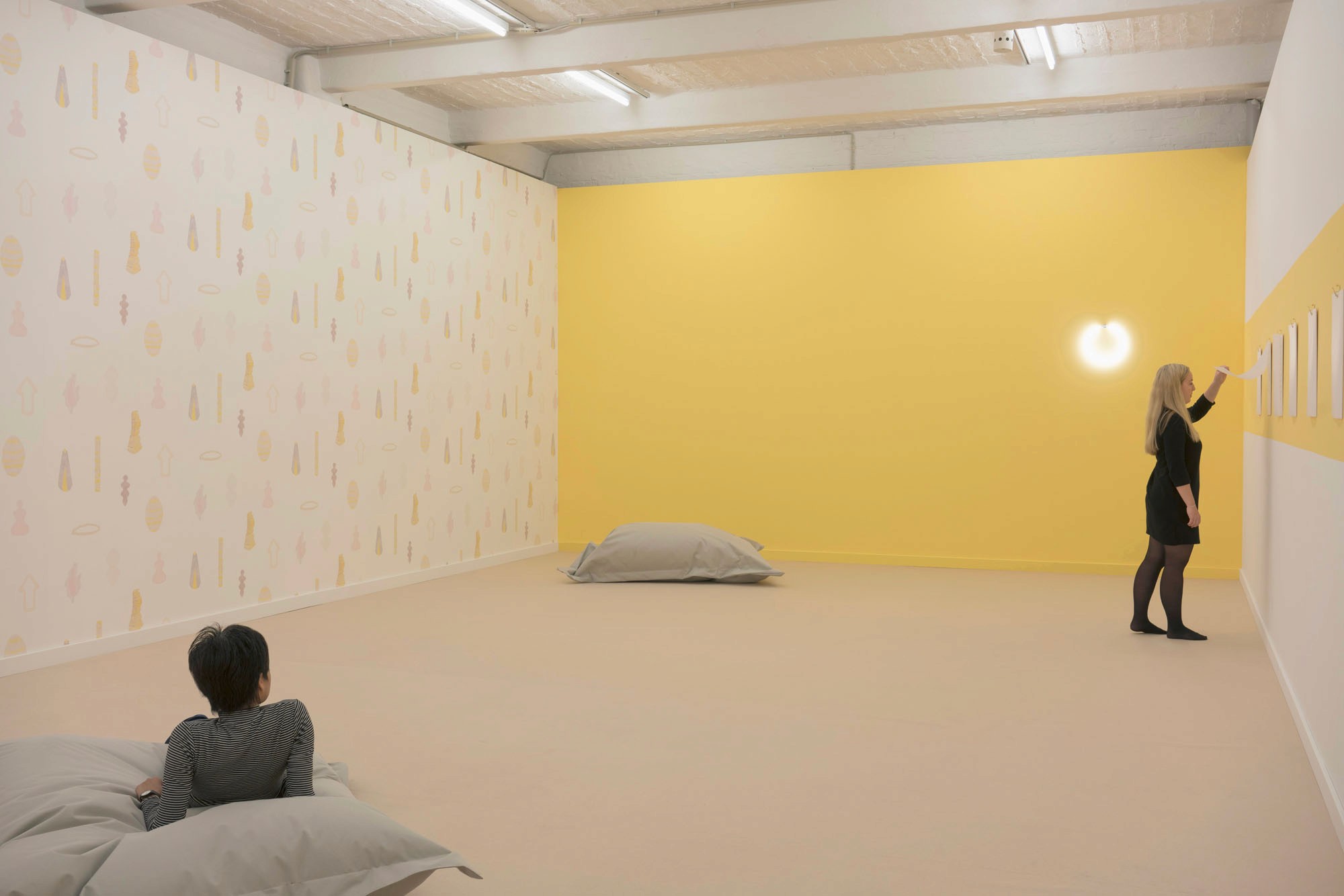
XT. I am currently based in London as my key base for now, partly because of the visa. Also, London has many libraries, and archives that I like to spend my time dive into them. The great influence for my practice, is probably walking around streets. I like walking and observe the ecosystems of small things. Things that cohabit in a space; the coexisting can happen by chance and seen by chance. Every time I look at them, the meaning changes. So, I get a lot of ideas of how compositions can enhance the work narratives from those things I found on street.
CNTRFLD. As a Thai woman artist working in the UK, how have your experiences of identity and belonging shaped your artistic voice?
XT. My artistic voice comes from my personal experiences that involved with places, Thailand was probably the place that I’m most attached to because I have been growing up with people there, my creativity has started from there even before I came to paint. But I think identity is a much more complex than the ‘Thai women artist’. There are so many layers of experiences that being put together. Some experiences maybe like other people in different places and some are very different. Like, I grew up with PC (personal computer) which was a big time for 2000s teenagers. However, personality and lifestyle are different and outside my home are also different. In UK there are churches, but outside my home in Thailand I see temples or shrines.
CNTRFLD. Having worked extensively in both the UK and Thailand, how do you compare the art ecosystems — in terms of opportunities, institutional support, and audience engagement?
XT. Since graduation, the UK has been my key working location, but I go back to Thailand every year. I have not experienced much Thai institutional support. I have been trying to find somewhere I can propose my project, but I find Thai art ecosystem a lot smaller. There are some but limited opportunities for emerging artists. When I visit exhibitions in Thailand, I notice audiences carefully consume the arts and very critical with the work they see, the same as the curation.