“Supporting each other to have time to rest and to be kind to ourselves is probably the most urgent activism.”—Yin Aiwen
CNTRFLD. Before your work became so rooted in theory and systems thinking, there was simply you — growing up and figuring out how you see the world. Can you share a bit about your childhood and upbringing, and whether there were early moments that shaped your interest in relationships, care, or how systems work?
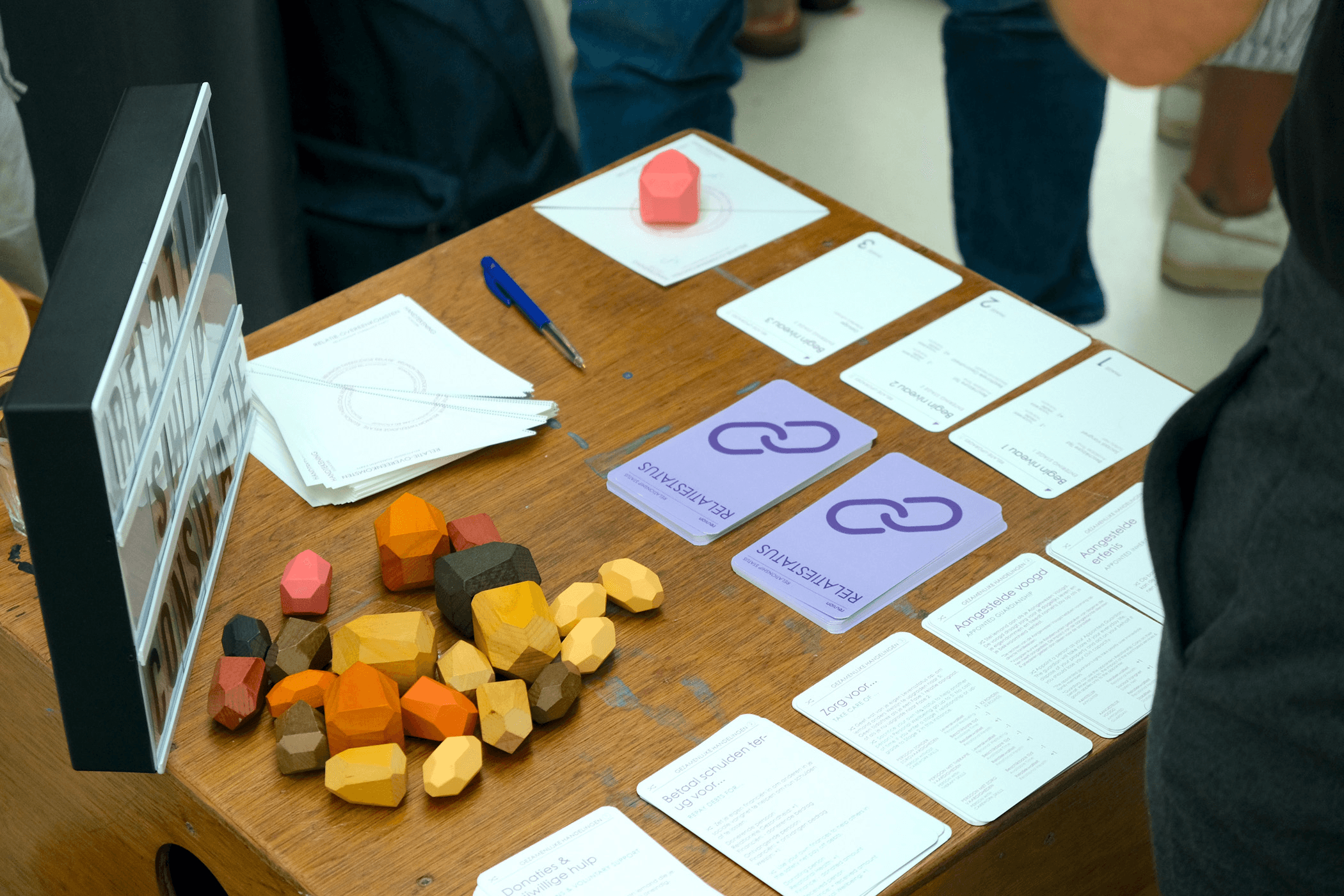
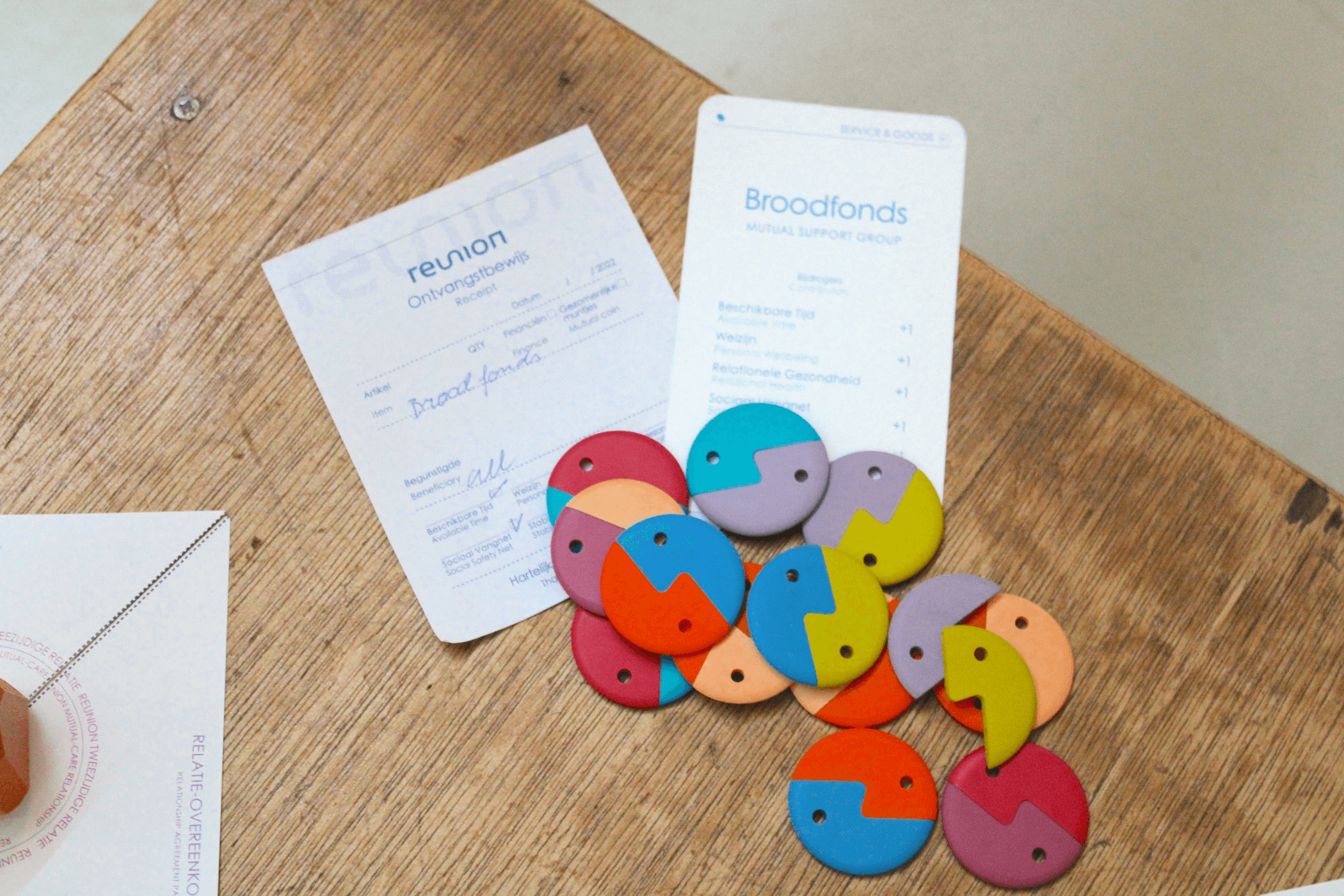
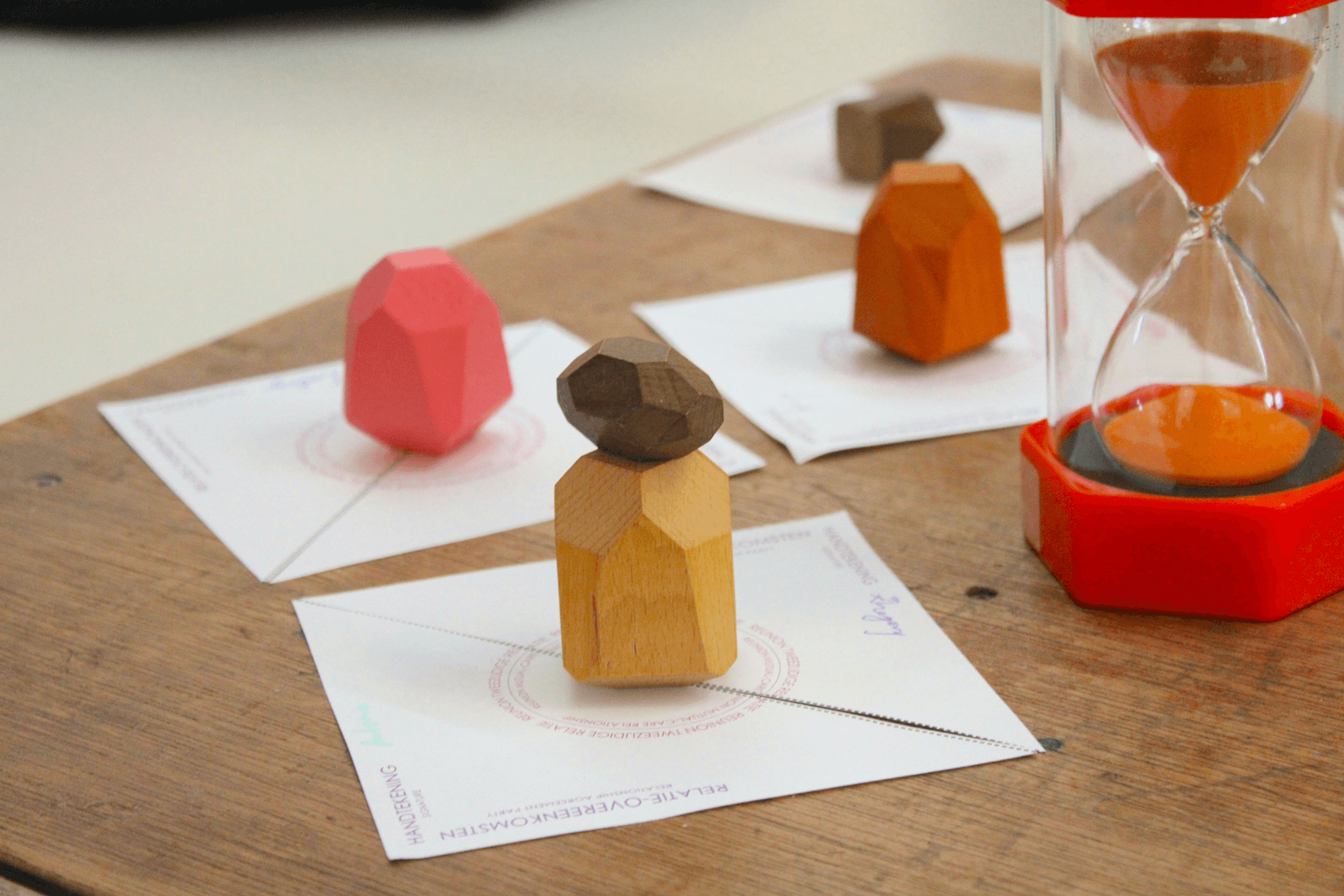
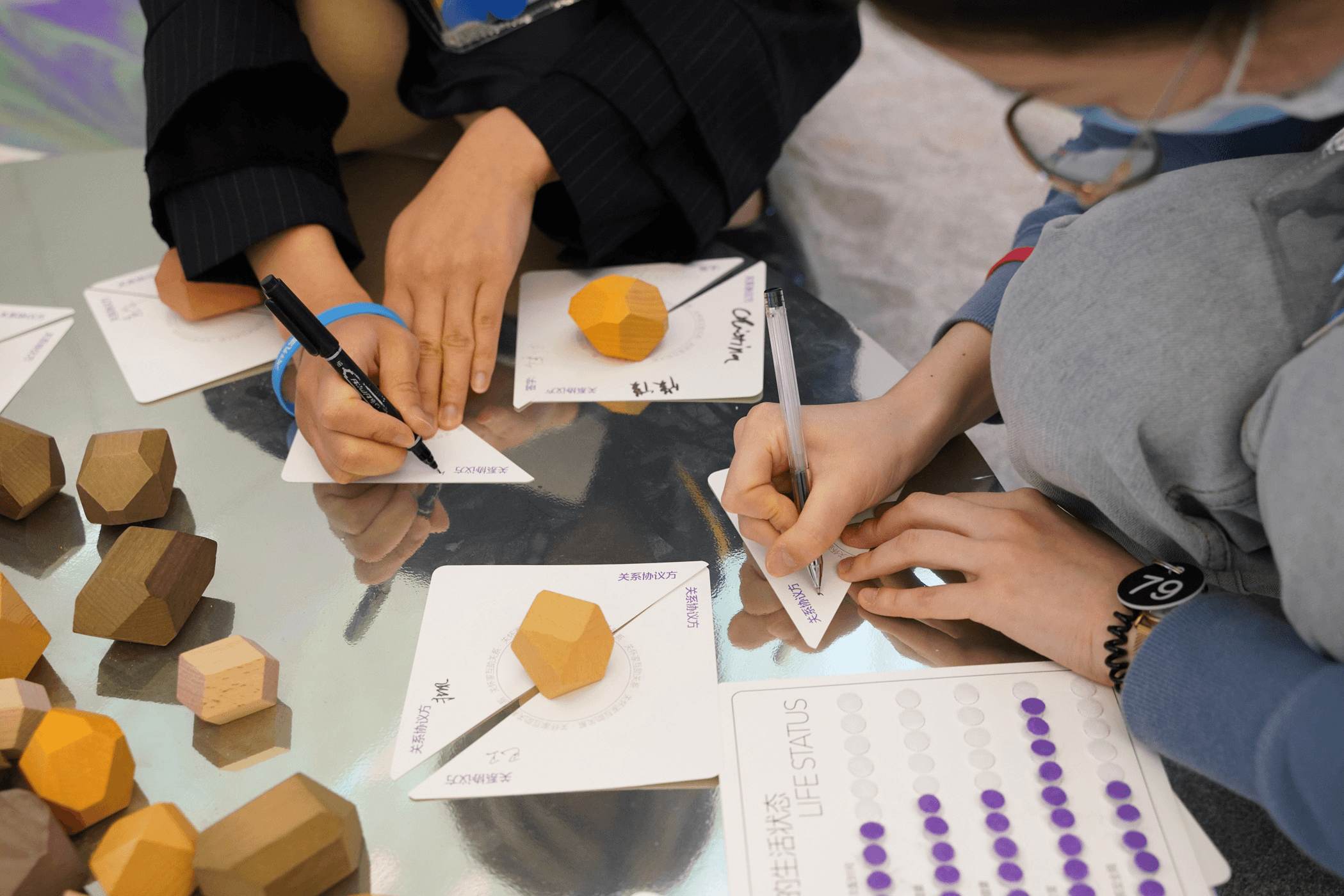
YA. It’s funny that I never think of my work has much to do with my upbringing - my projects usually start with a conceptually interesting question, such as what does it mean to have decentralisation on a social level instead of on an infrastructural level - until I realise I kept using stories about my life to explain certain artistic choices. In ReUnion Network, the speculative welfare infrastructure that the role-playing game Liquid Dependencies: what does a decentralised caring society look like? was built upon, people always ask why does this system only offer welfare for one-on-one relationships? Why not a care currency for collectives. I would say because I came from a post-socialist China when individualism is thriving against collectivism, and I want neither of them.
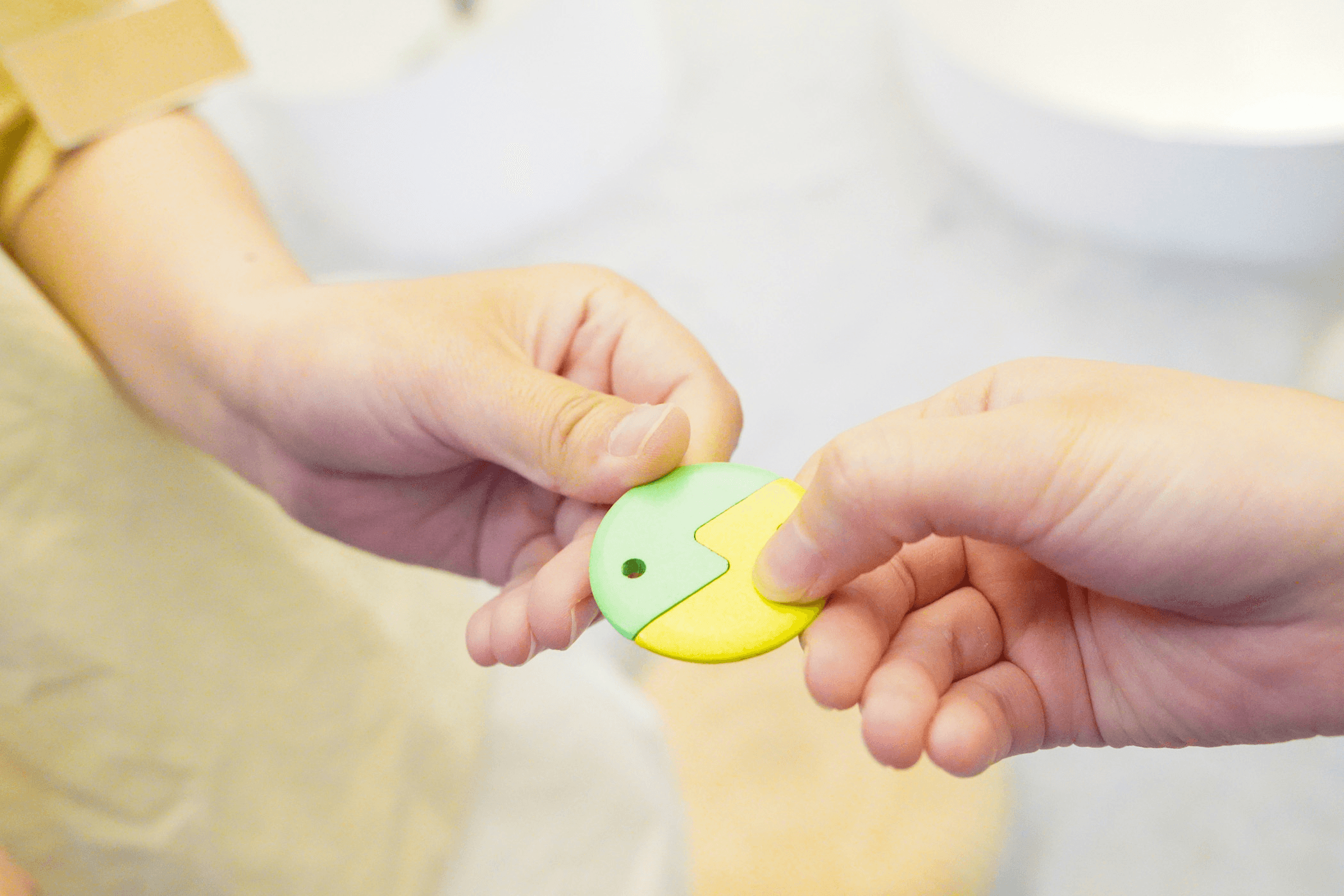
I yearn for a third way for us to live together, where our dignity and agency is protected, but also able to connect and fall back on each other. So, I figure an ensemble of one-on-one, long-term relationships seem to be able to balance stability and distribution of power. Because for each relationship to work, both parties have to consent to it. Then theoretically speaking, everyone in the relationship has a veto power. When a collective body does not rely on the charm of a leader, peer pressure, or a totalising organisational structure, but only made of an ensemble of long-term consensual relationships, then no one’s opinion will be structurally diminished. I guess that was the desire that shaped the project.
CNTRFLD. You move fluidly between artist, designer, researcher, and strategist — roles that don’t always sit neatly together. How did you arrive at this hybrid practice, and what excites you about working across boundaries rather than staying in one lane?
YA. I guess my work brought me to these places. I remain in an intimate relationship with my work: I spent little time strategizing it for my career, rather I always feel like a caretaker for it to be itself. The best design education I got was from an architecture textbook that I randomly got in my teens, it said some famous architects say they don’t ask where the brick should be, they ask the brick where it wanted to be. I guess that’s my approach to my work too. An idea usually came through from an interesting conversation or a strange moment, a question stuck in my head, and it grew into a project as I explored it. And the project will find a place where it wants to sit in, sometimes an exhibition, sometimes a research institution, sometime in a consulting moment. I think because all my work is about different ways to organise life together, I have to rely on many fields of knowledge so that the work can be as good as possible. As a result, it naturally connects to these fields. As for all these hats I am wearing, they are more of a result that I am connecting to a vast field of knowledge which usually reside in highly professionalised spaces. So, I wear these hats, and learn the languages that come with the hats, because I want to connect those I feel a connection to. Not because I deliberately plan a deranged career, ha-ha.
CNTRFLD. Ideas of care, interdependence, and social structures run through so much of your work. How do your personal experiences — including your cultural background and identity — influence the way you think about these themes?
YA. Again, I wasn’t conscious about how my personal background would influence the way I think and work until recently when I had to ask myself about this in my PhD study in Goldsmiths. I realised I was deeply frustrated by parts of the reality I grew up with. China in the 90s was a strange phase. My parents’ generation experienced multiple nation-wide nightmares, each of these nightmares lasting a decade long. And then it was the 80s when the economy started thriving and political freedom was unleashed until another nation-wide shock blew up. Looking back, I think many people became completely cynical about the ideas of Communism and Socialism, even though they still teach these ideas at school.
Meanwhile, I received education that dived deep into the socio-economic critique on Capitalism and why Communism is the horizon of human society. It sounded all solid and promising to me as a child. But everyone I know outside of the textbook, my parents, my classmates, my teachers, none of them believed it privately. Instead, all I heard was that the dark side of human nature will never hold up to a utopia. I find it quite painful that the history we chose to remember (and those social schemas that enabled the history) tells us a life worth living is impossible, and that impossibility comes from us and us alone. Driving by this pain, I guess, I spent my life searching for the dynamics between an ideology, the social structure and the so-called human nature, and trying to see if other dynamics are possible.
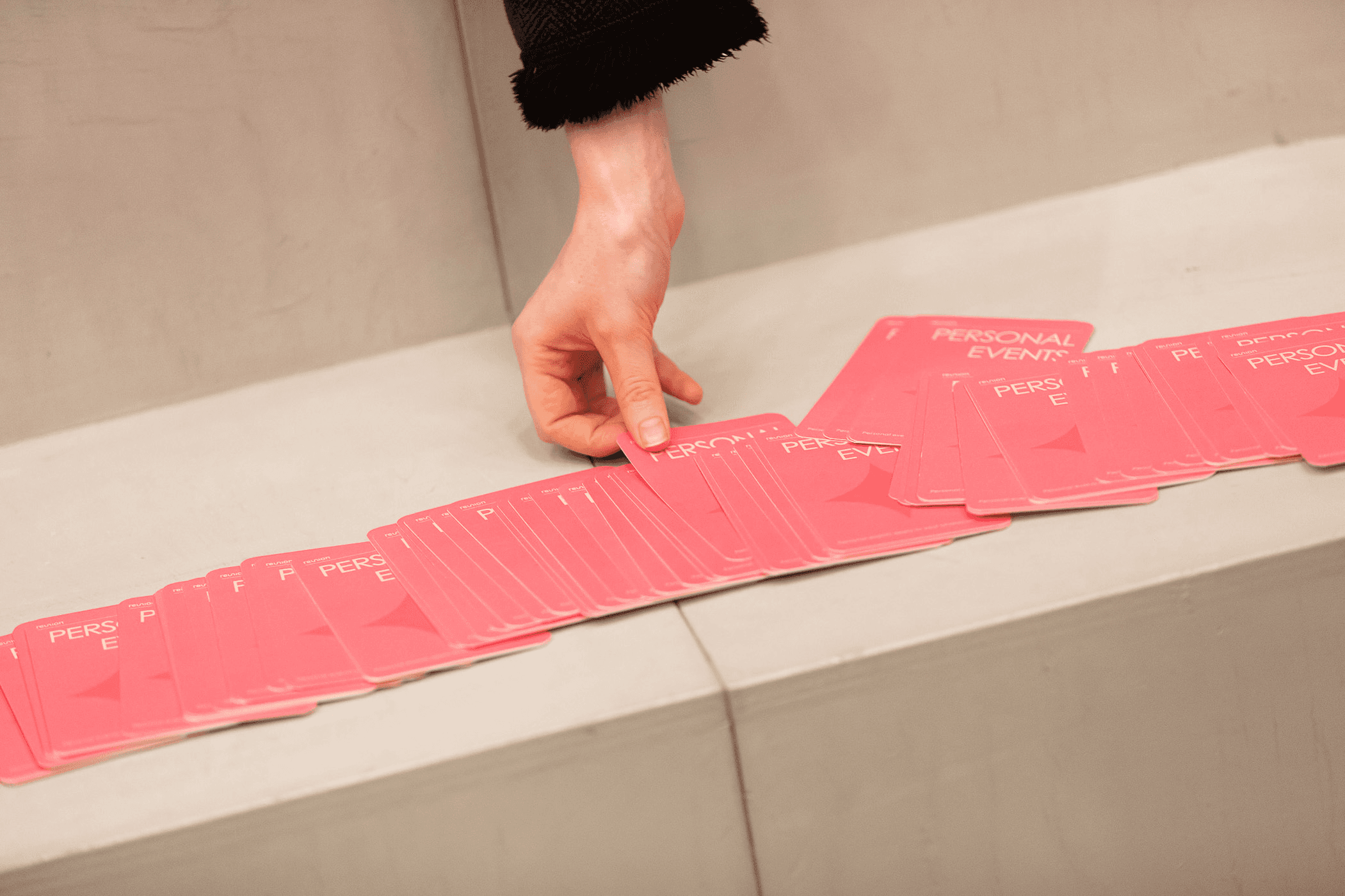
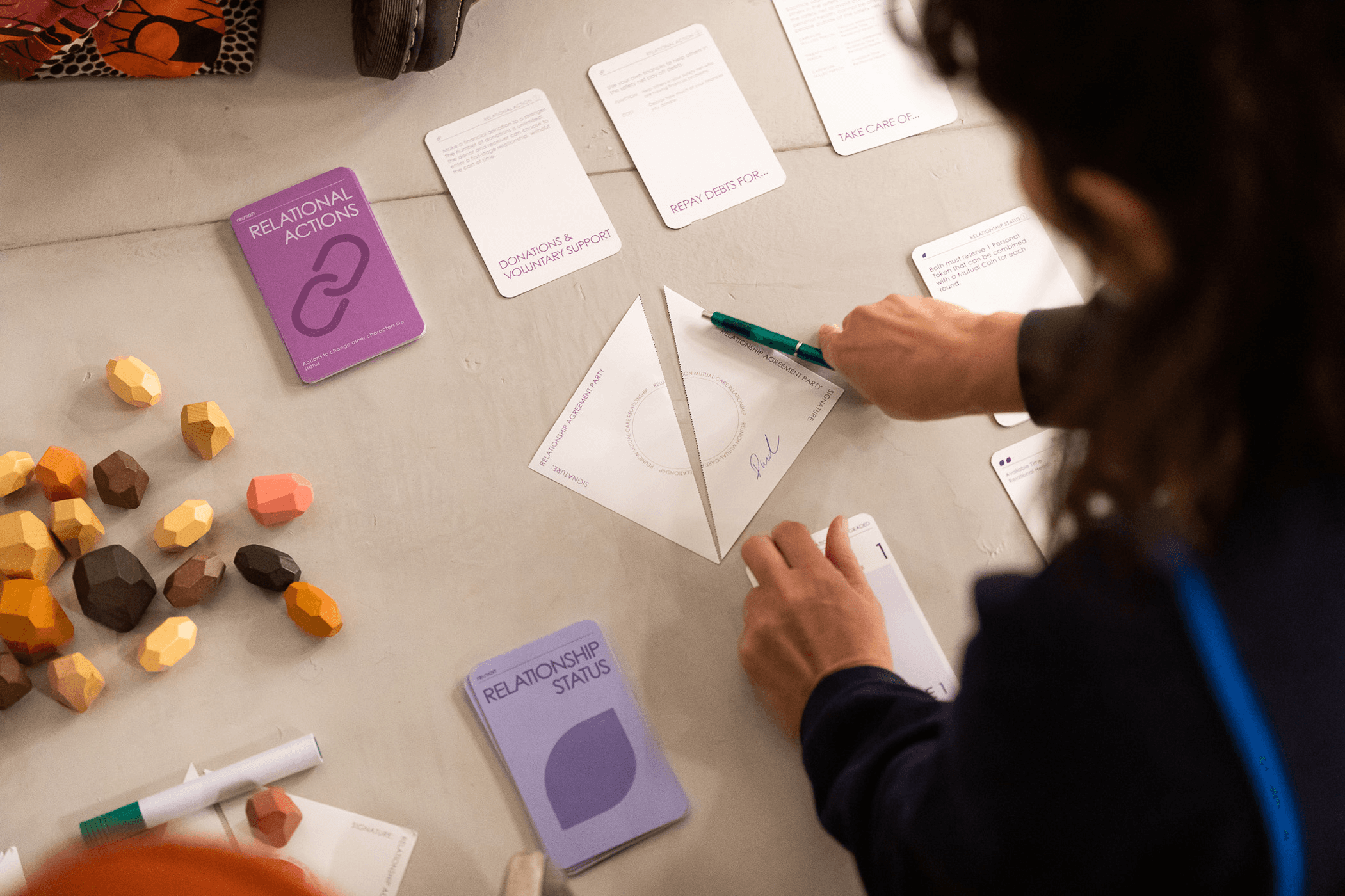
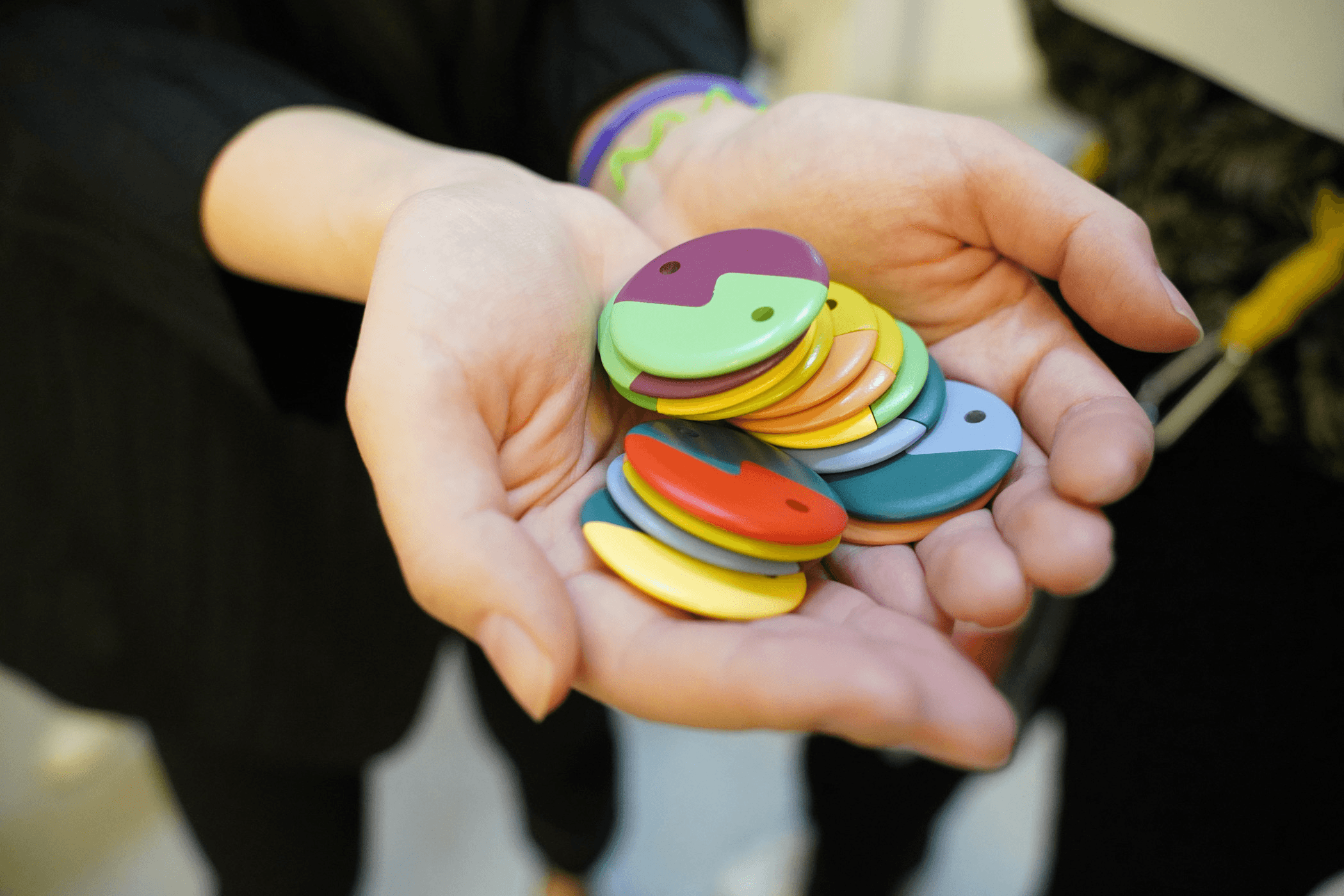
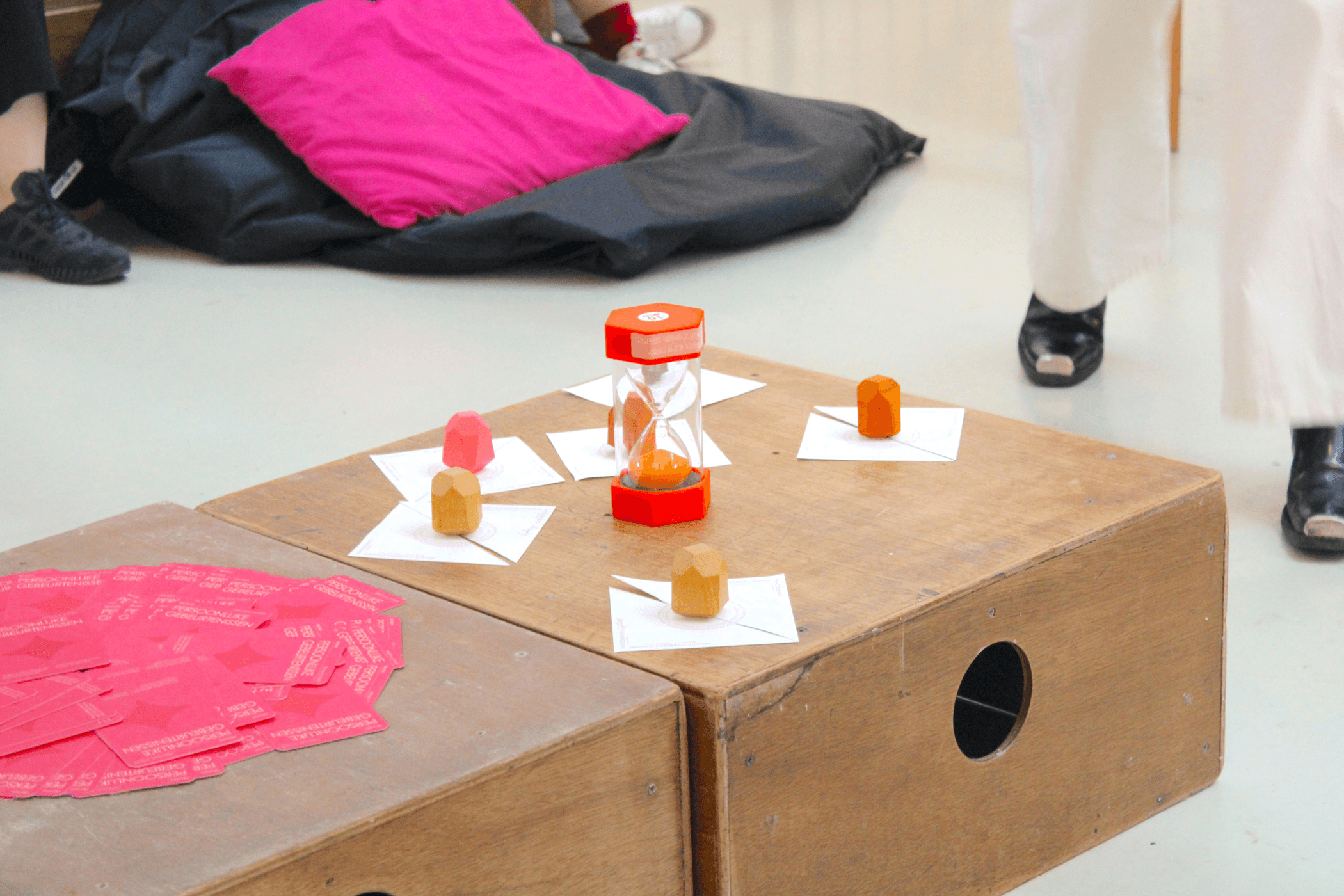
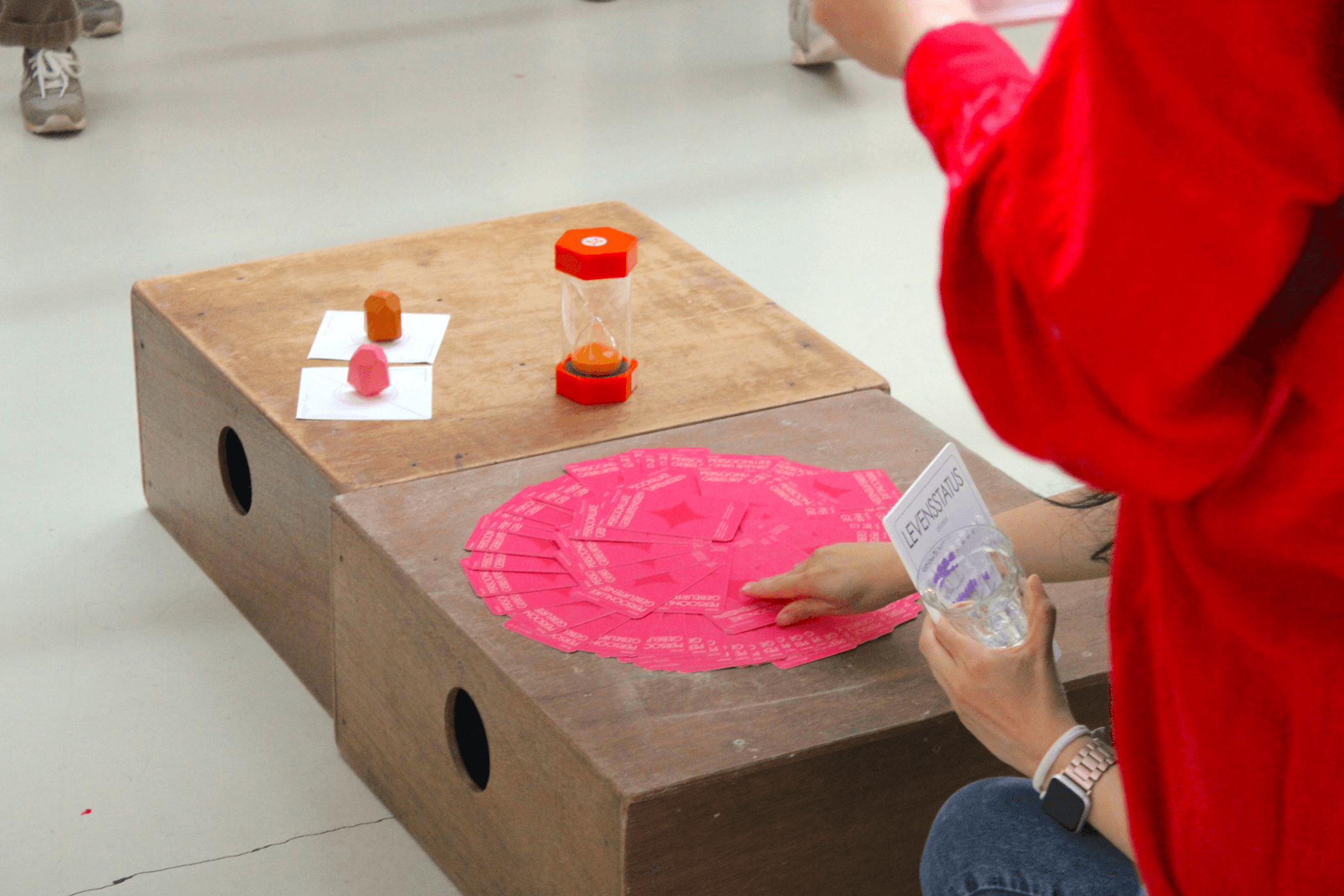
CNTRFLD. For Thresholds of Becoming, you’re presenting a localised version of Liquid Dependencies, where participants role-play futures of care. What do you love about creating situations where people actively step into a work, and what kinds of reflections or conversations do you hope this version sparks?
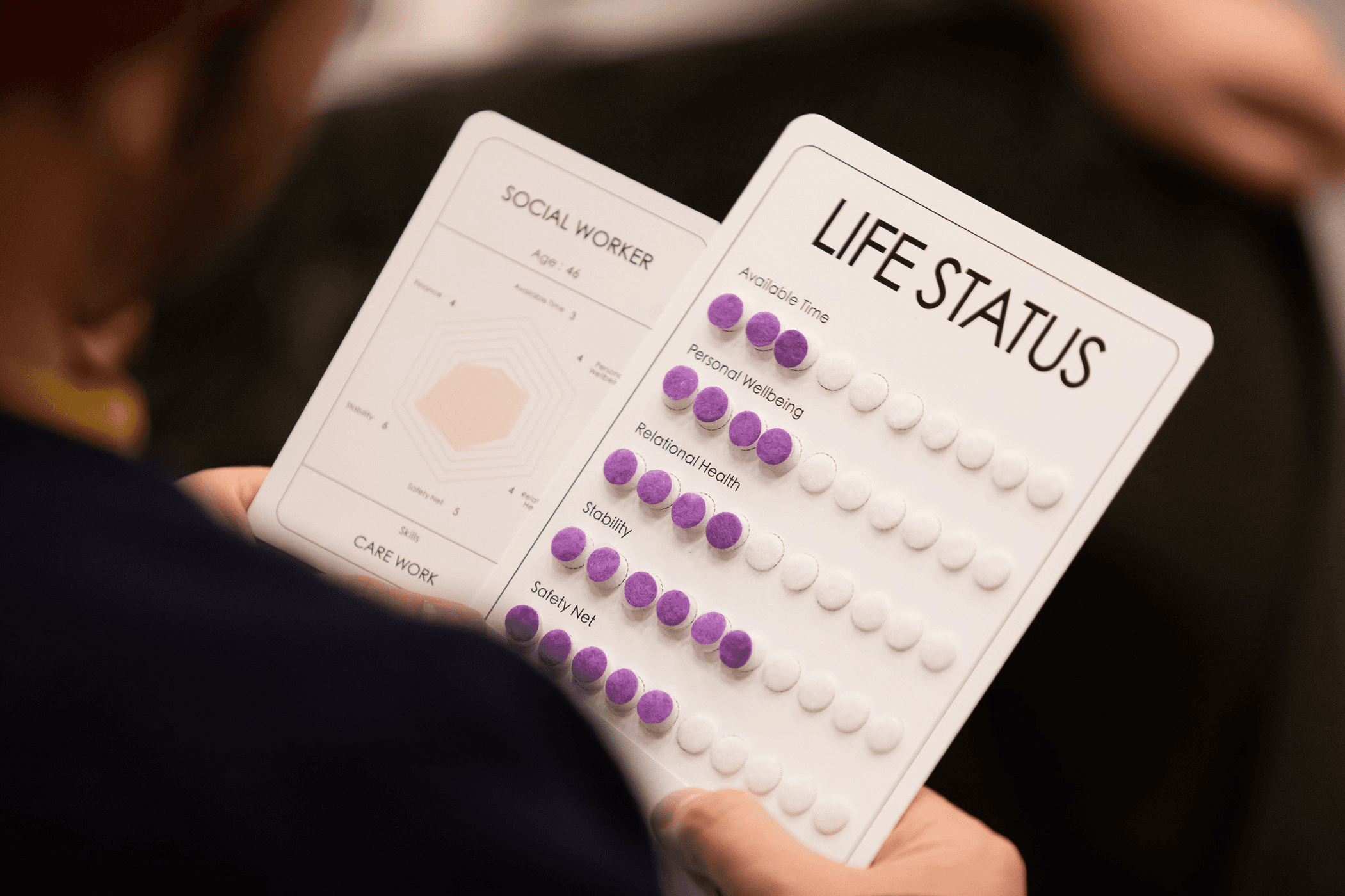
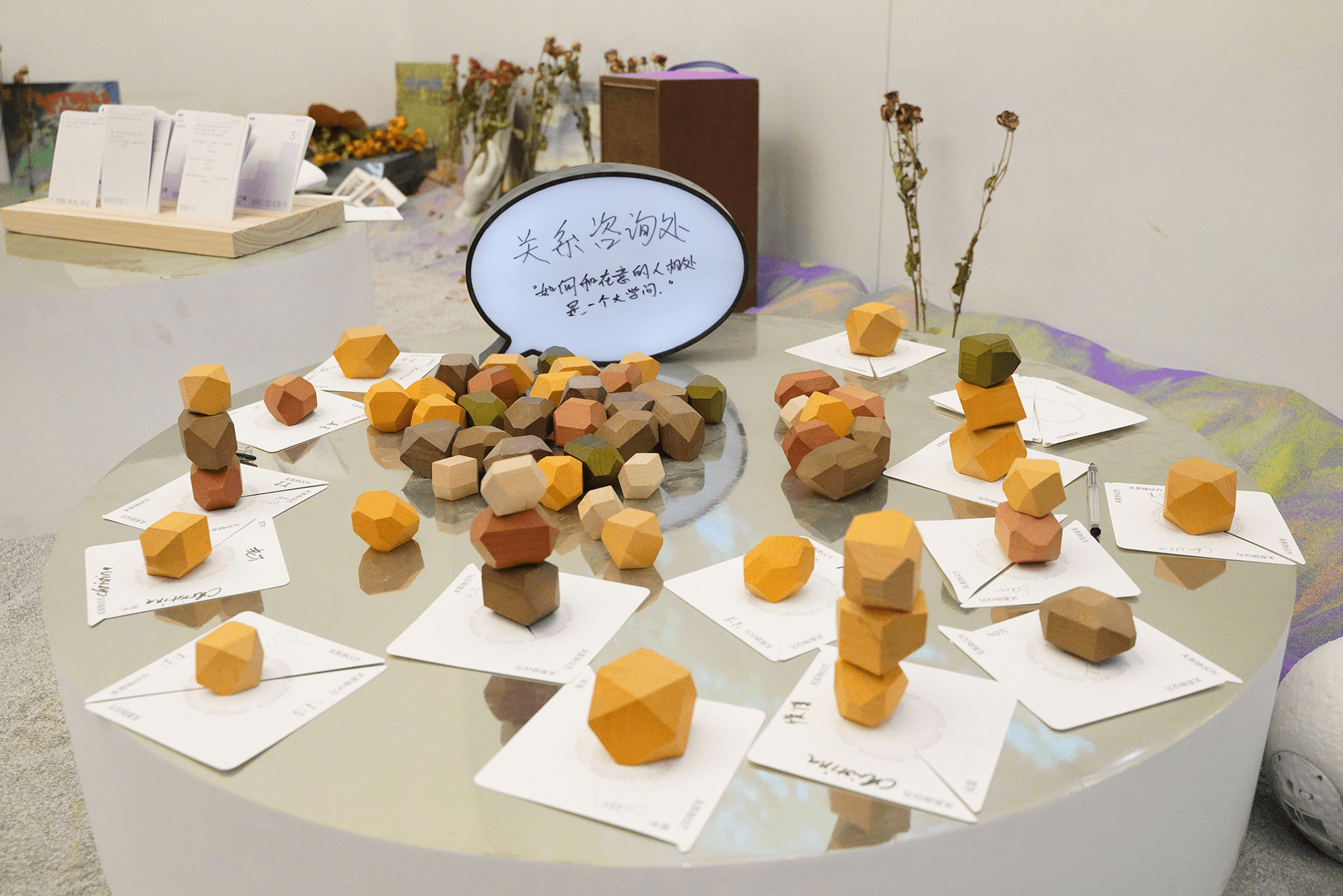
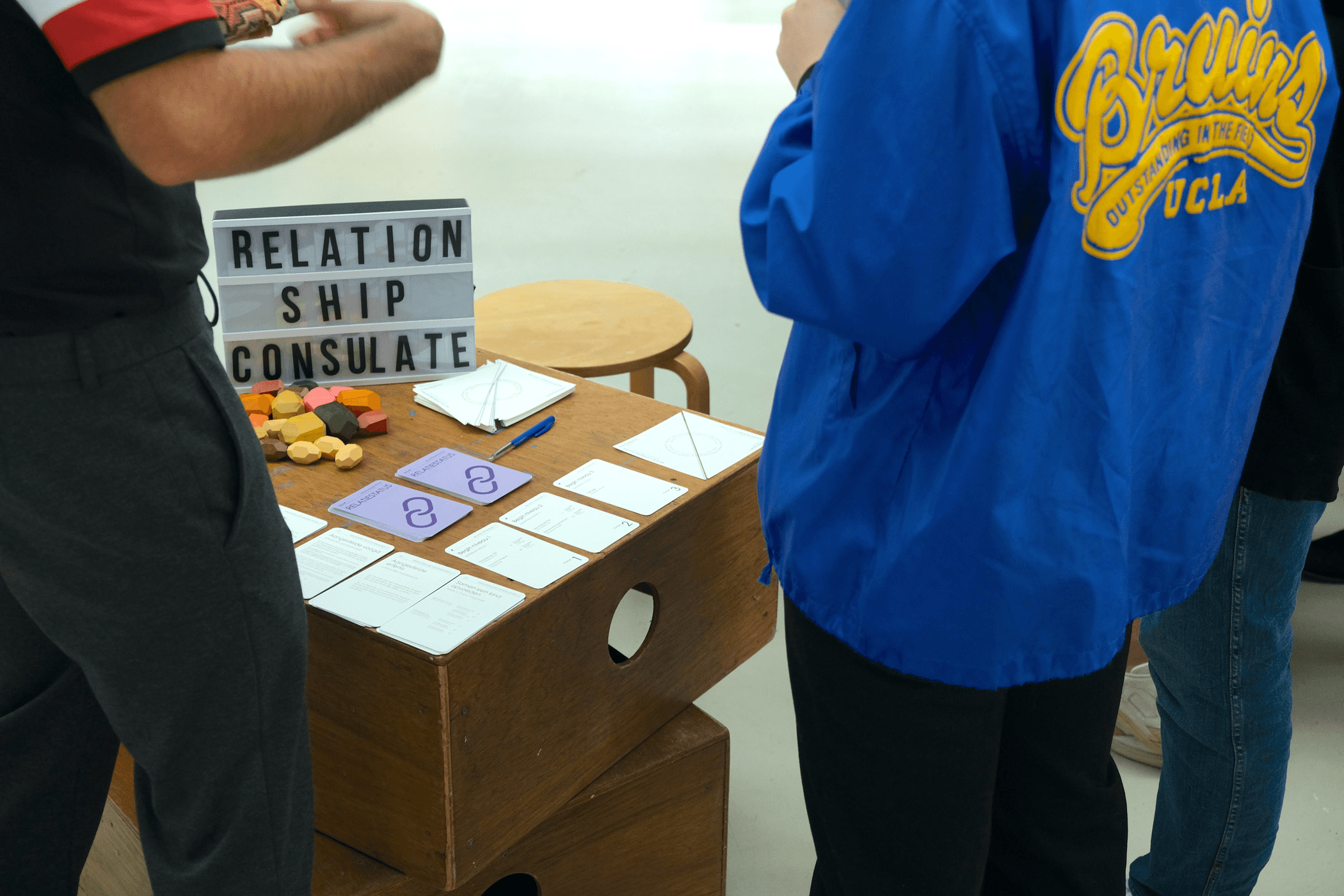
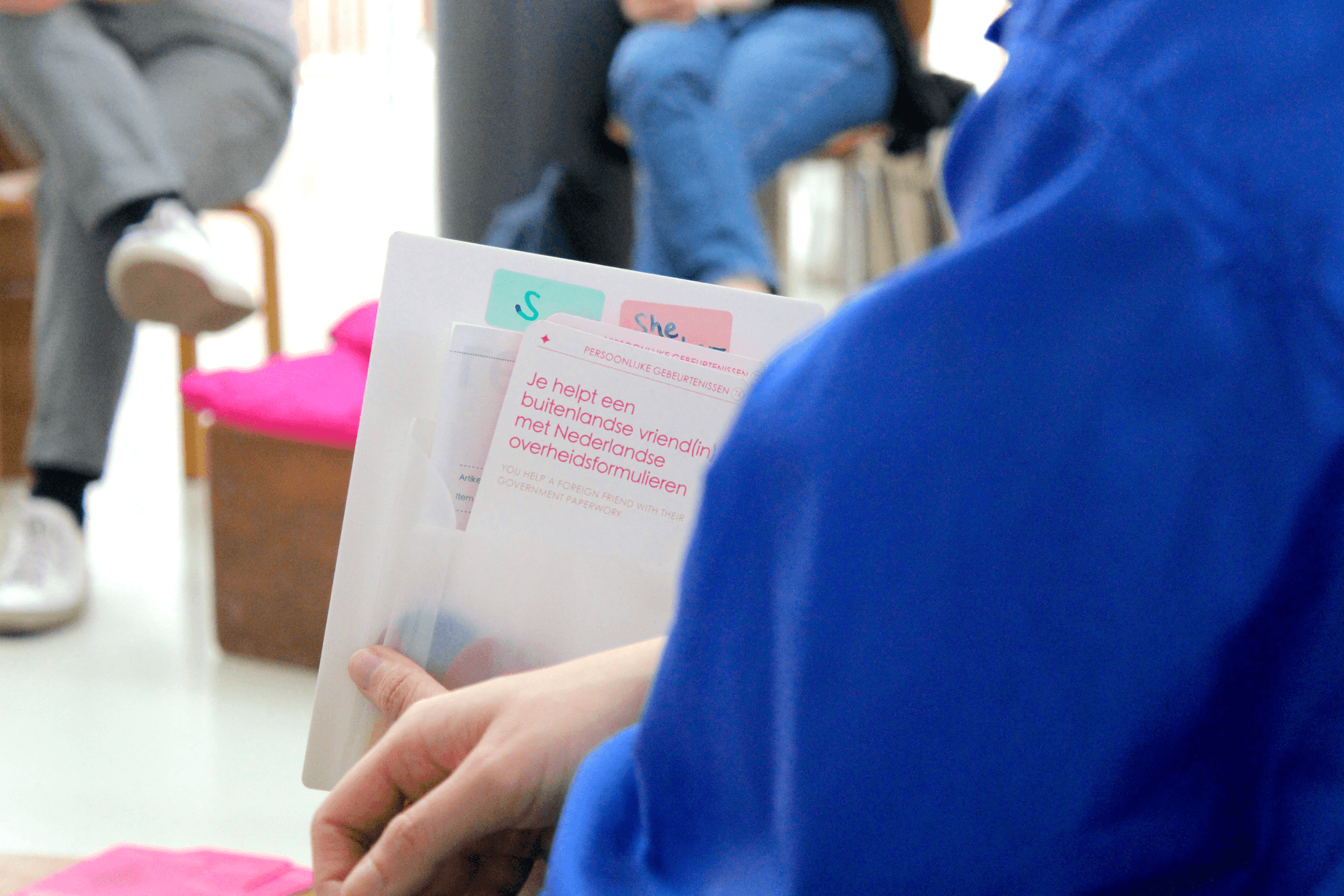
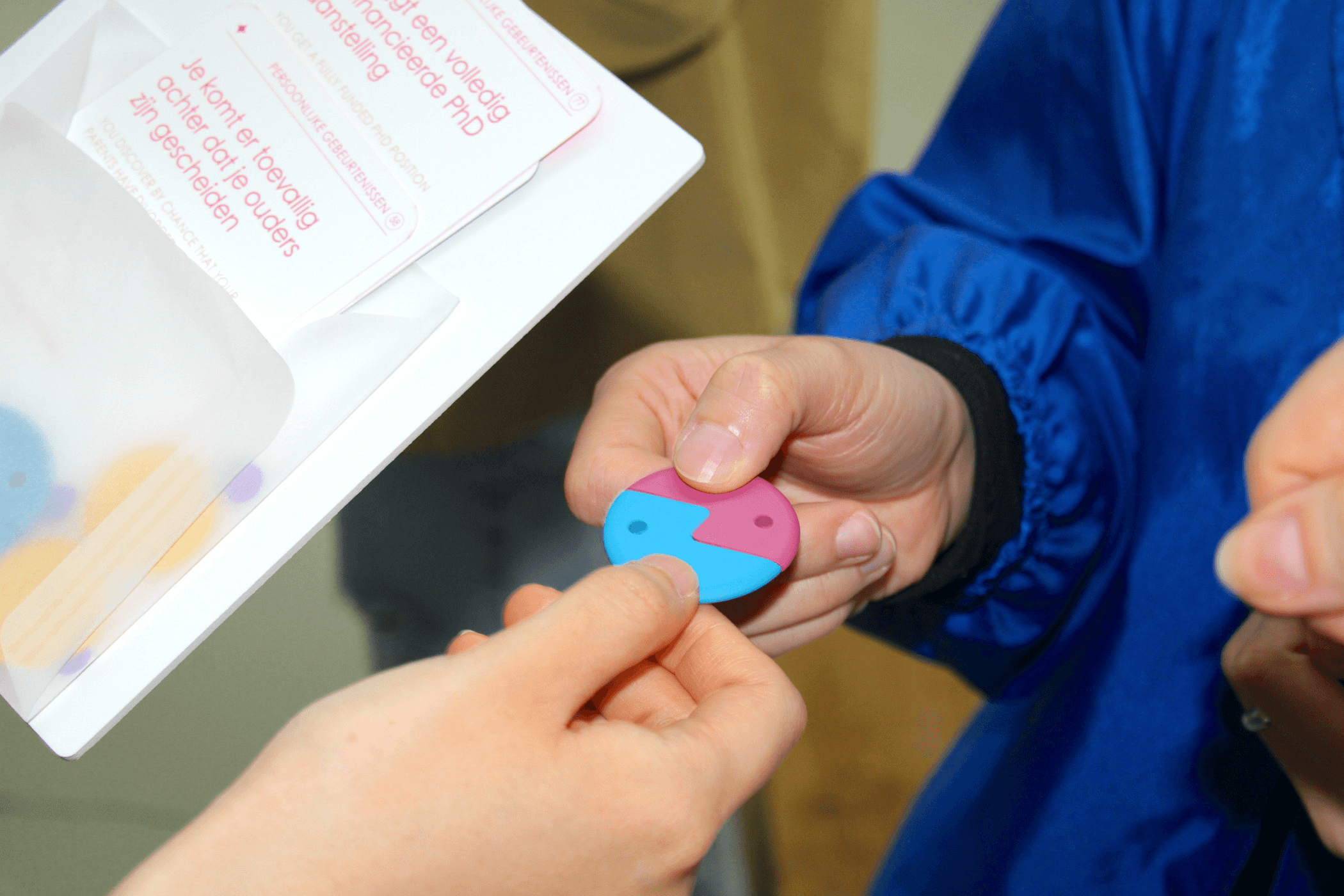
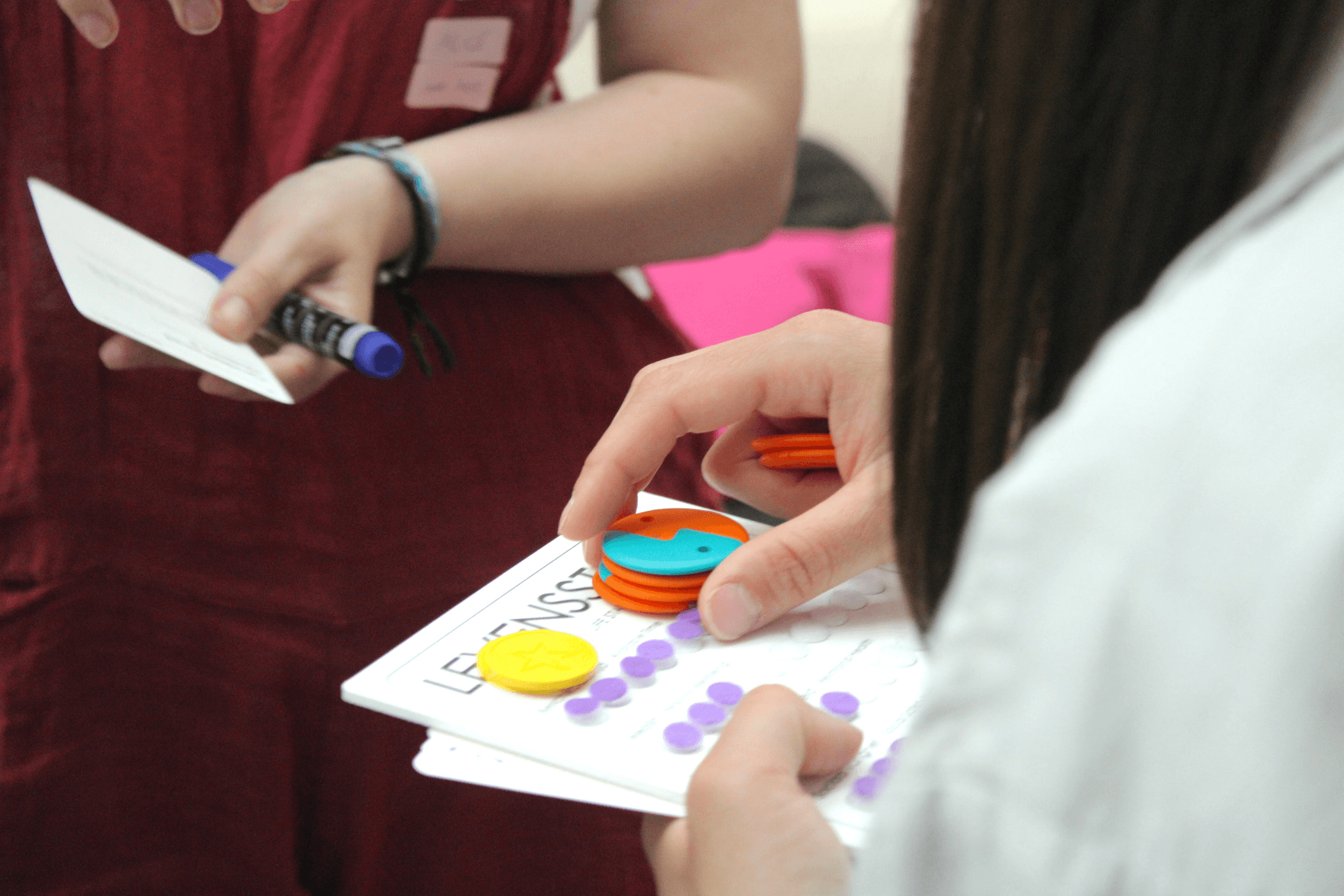
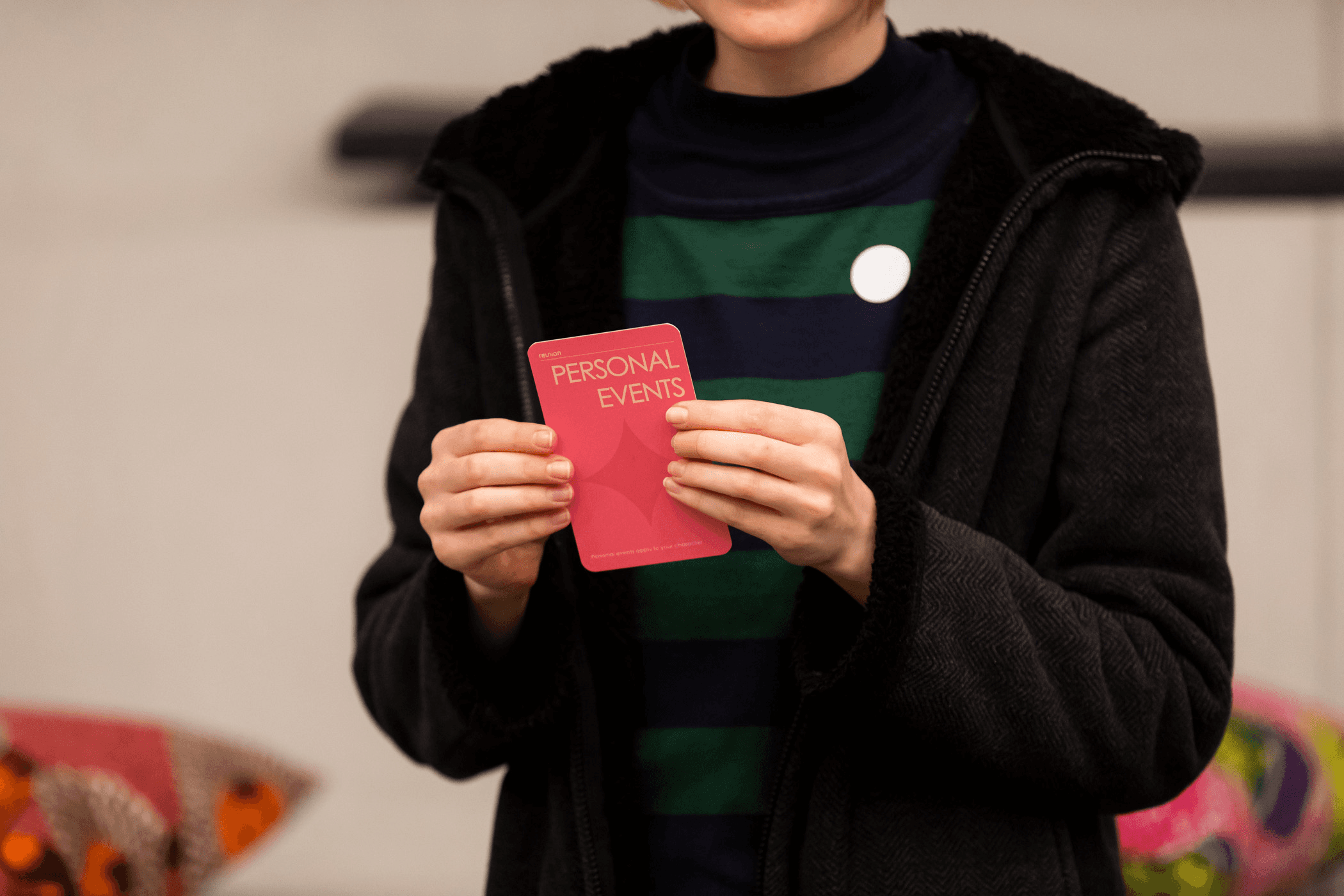
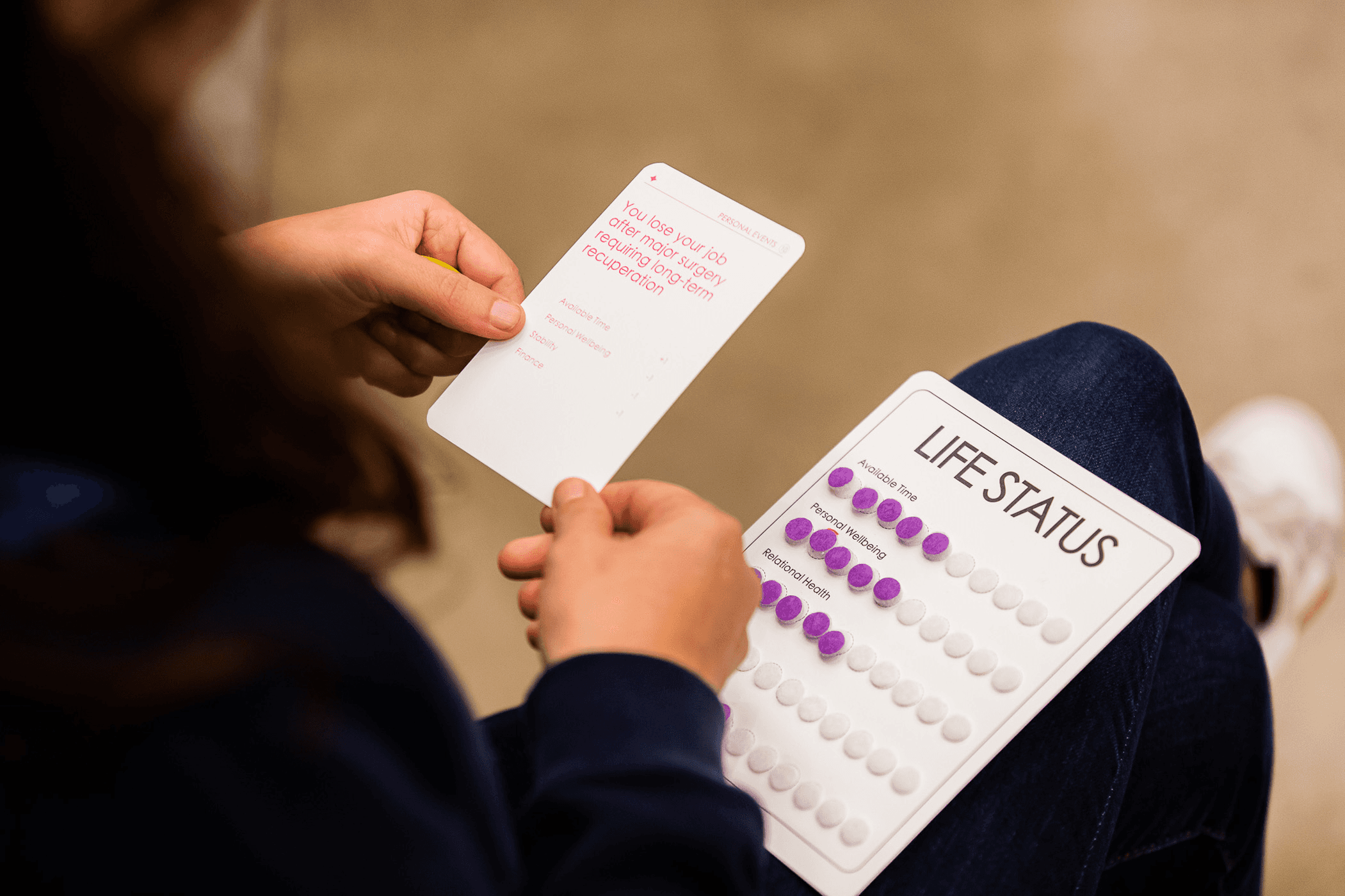
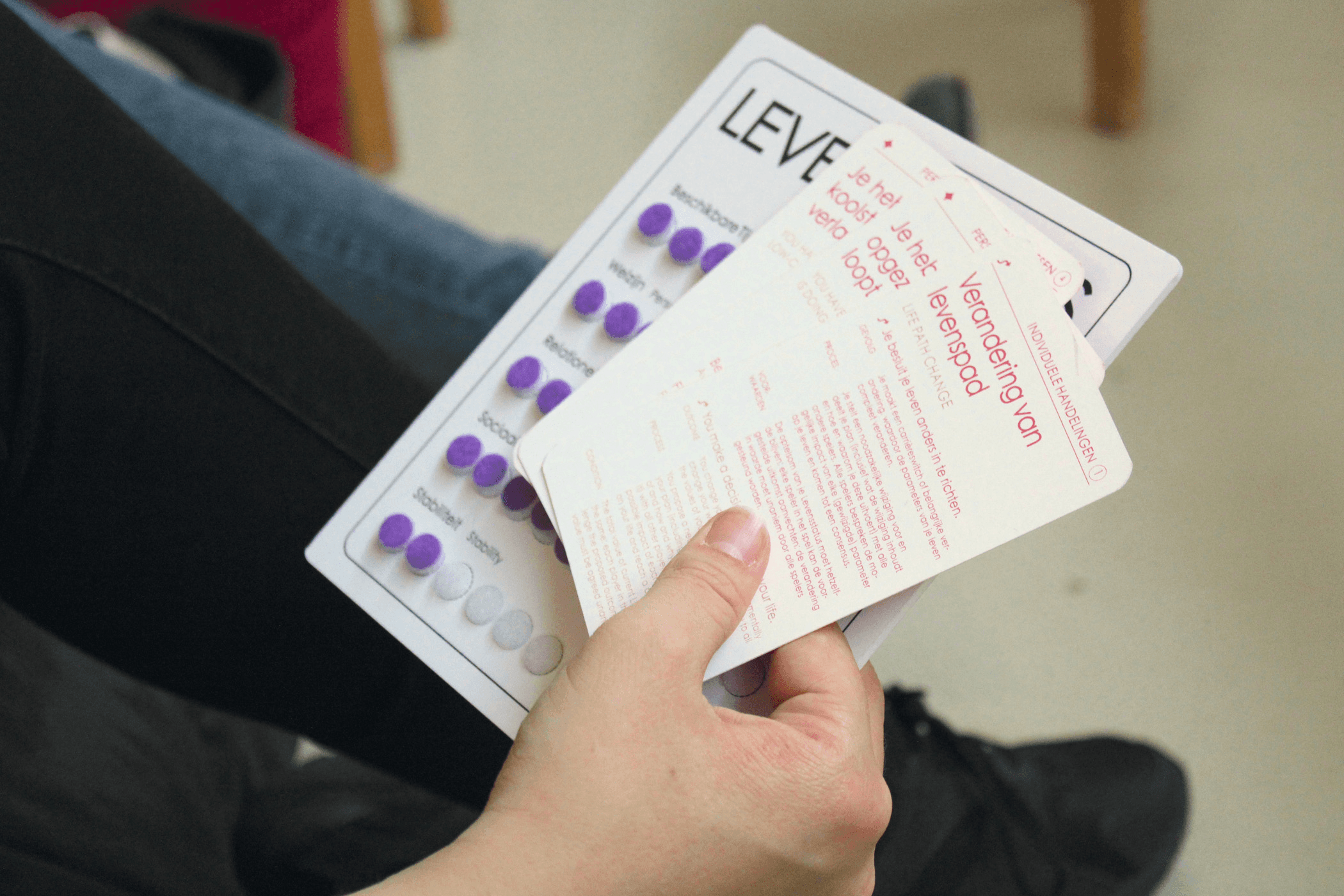
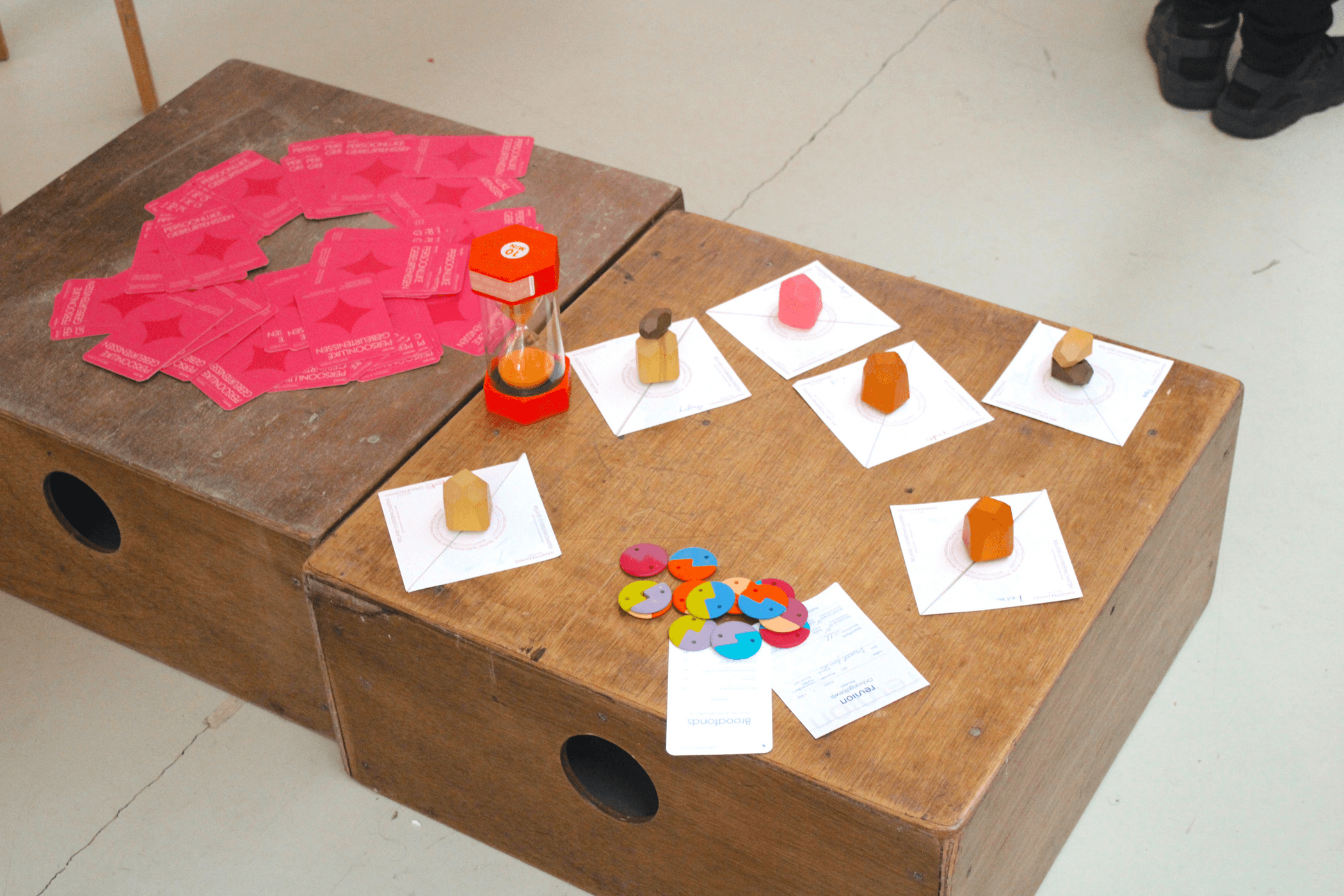
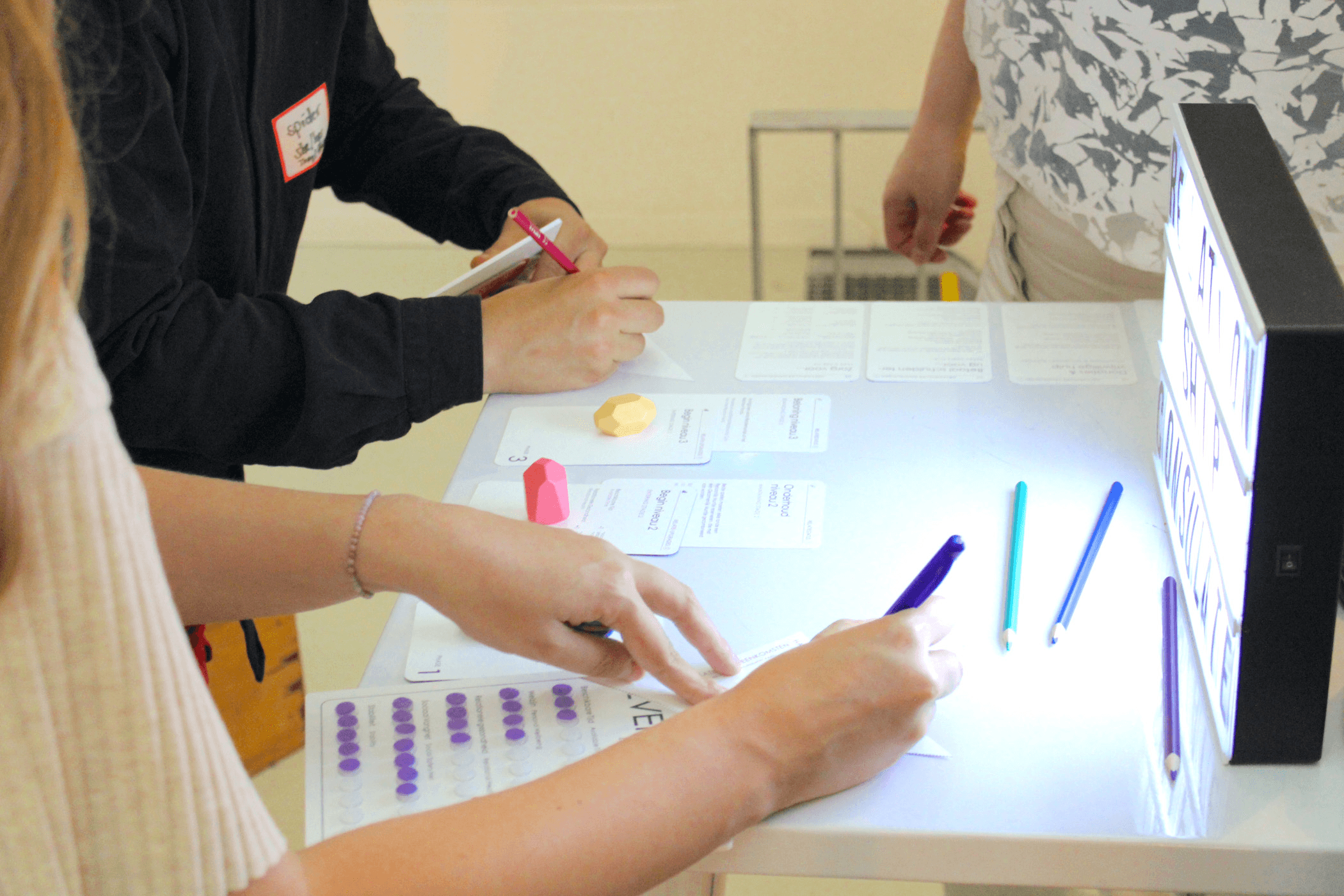
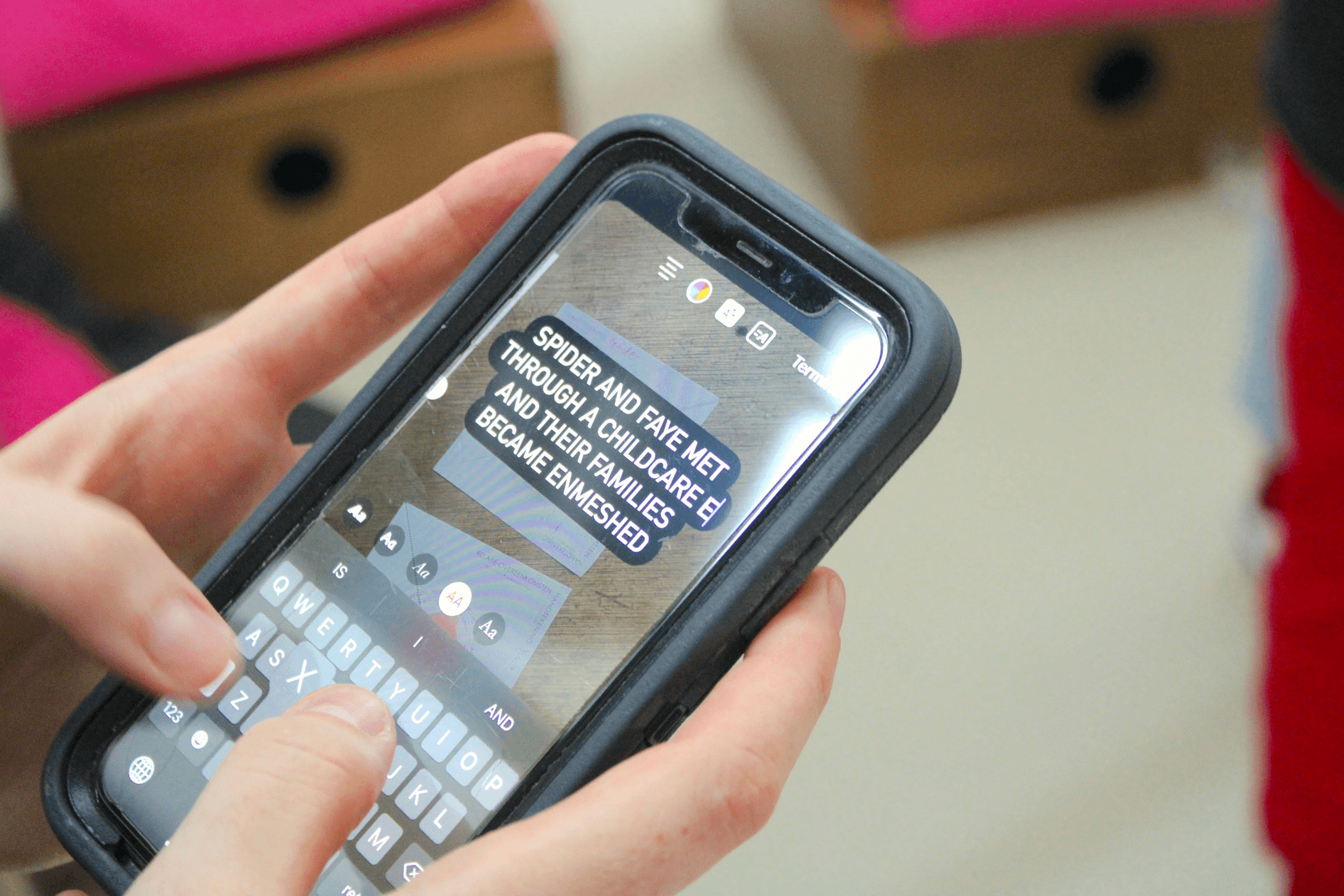
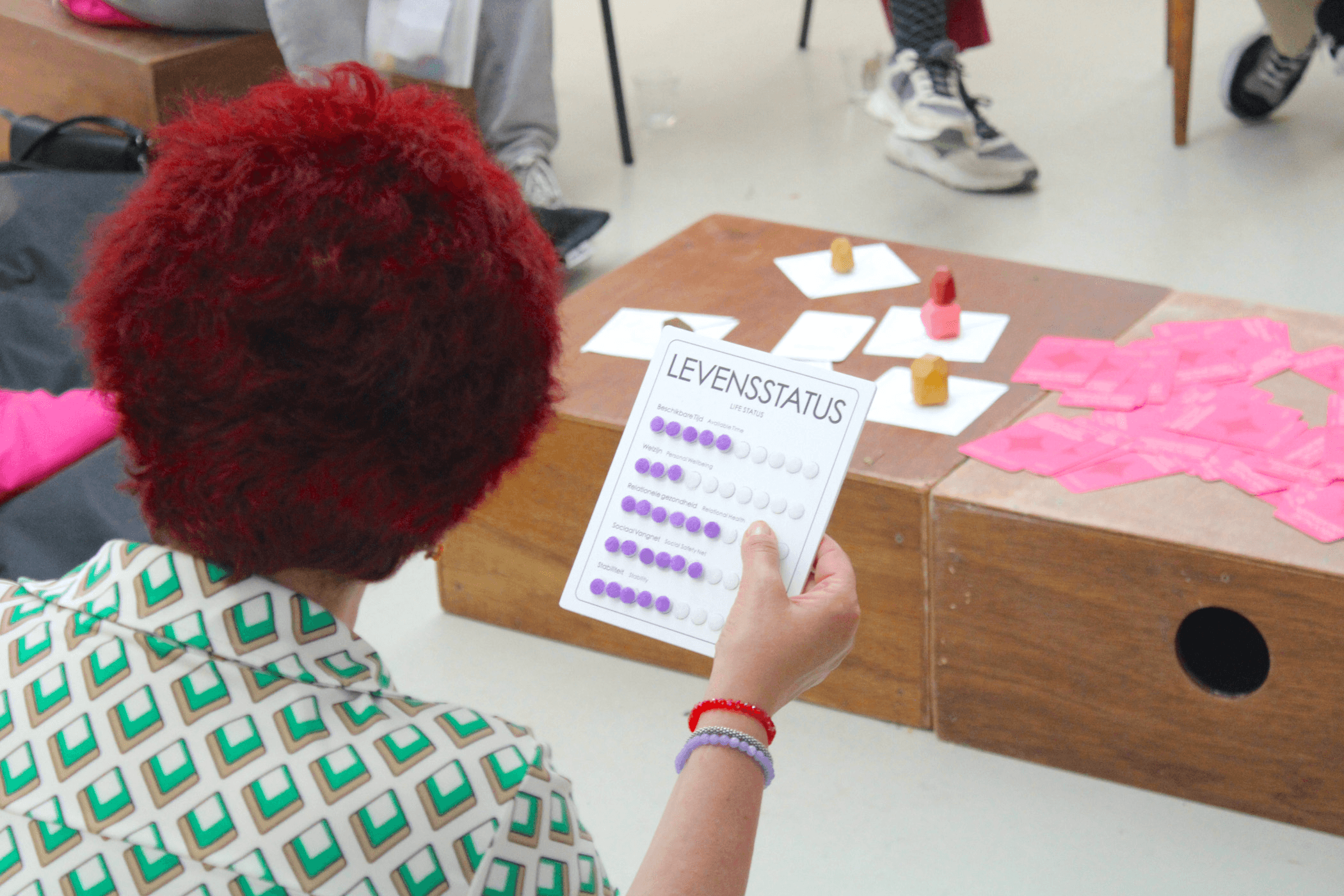
YA. I love to observe how people are engaged with a new infrastructure; it always teaches me a lot. Some people walk in wanting to win the game (although the game doesn’t define success, people have their own idea of winning), some come in only for experience, some come to test their future, some would actively try to dismantle the system, some would try to spot the intellectual references. If anything, the game changes me the most. When I design the system ReUnion Network, I had this conviction that if society is designed for justice and kindness, then people will have a good life together. The role-playing game Liquid Dependencies was just sought to test if this system would work out at all. Surprisingly, it worked, people did change after, even during, the game. But it doesn’t mean we then automatically know how to take care of each other, even if a caring infrastructure was installed.
The most important session for me was one in Beijing. It was a society of extreme wealth gap, the rich are so rich they don’t need to know about the welfare system at all, and the poor ones are so hurt and repressed they fail to connect with anyone else. The game rules didn’t change at all, nor that extreme wealth gap didn’t happen in the game before. But the level of despair profoundly struck me. It made me realise social structure can only do so much. It was people’s belief that another way to live is impossible that created this absolute bleakness. I think after that I become more invested in education (I am also a teacher) and keep on hosting the game because I see the game space offer a place where people can practice a kind imagination for each other. And to experience that possibility is vital for people to believe in hope.
CNTRFLD. Your projects often unfold as games, performances, or evolving systems rather than fixed objects. What draws you to these time-based and participatory forms, and what do they allow you to explore that other mediums might not?
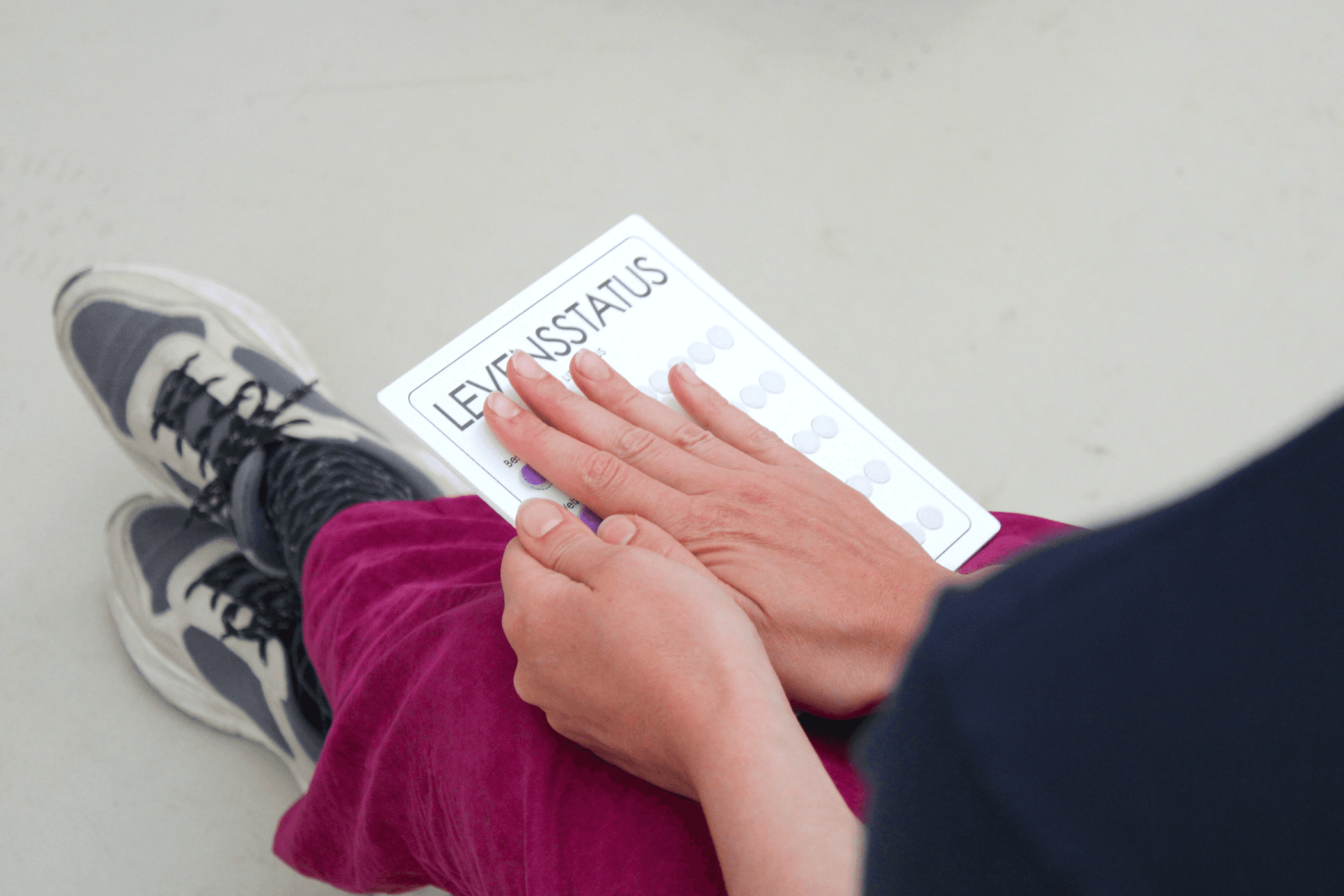
YA. I think time is essential for us to learn, to change, to make connections. Especially regarding care, and all the politics revolving around it, takes time to sink in. The message behind Liquid Dependencies is not very complex. A caring society needs to be backed by a kind infrastructure but ultimately is made by us in every moment when we are willing to let go and be kind to each other. We can all understand this in an intellectual way, but to understand it in a visceral, emotional way, we need time together, and we need a space to practice, to have meaningful feedback, and eventually our bodies start to trust that possibility.
As for games specifically, it has been a very good research and testing tool for me. While games have all the elements and components to recreate a scenario, a collective structure, a mini society, I can design a chain of value for any ideology I want. Like in Liquid Dependencies, we don’t set a winning goal because we want people to define their own success for life. But we do set the points to fail, which is that one cannot survive in a society without the ability to sustain themselves mentally and physically, without connections with others and basic social security. This is the value we want to promote in the game; it is not money but other things in life that make our lives worth living. On the other hand, a game has to be playable and engaging, and it must have enough space to incorporate players’ input. This nature demands humbleness from the artists/designers. It is impossible to design a good game if you are not curious and open to people’s reactions to your structure. And I very much enjoy this continuously unlearning process.